Las Vegas
Las Vegas, Nevada, is an electrifying city where glitz and glamour meet entertainment and excitement. Known as "The Entertainment Capital of the World," Las Vegas offers an unparalleled array of attractions, from its iconic casinos and luxurious hotels to its world-class dining and live shows. The city's entertainment scene is second to none, featuring legendary headliners, cutting-edge performances, and an array of themed attractions.

Abel Tasman National Park
Abel Tasman National Park, located at the northern tip of New Zealand's South Island, is a paradise for nature lovers and outdoor enthusiasts. Renowned for its golden beaches, lush forests, and crystal-clear waters, the park offers an array of activities, from hiking to kayaking. The Abel Tasman Coastal Track, one of New Zealand's Great Walks, stretches over 60 kilometers and provides breathtaking views of the coastline, making it a must-do for visitors.
Moncton
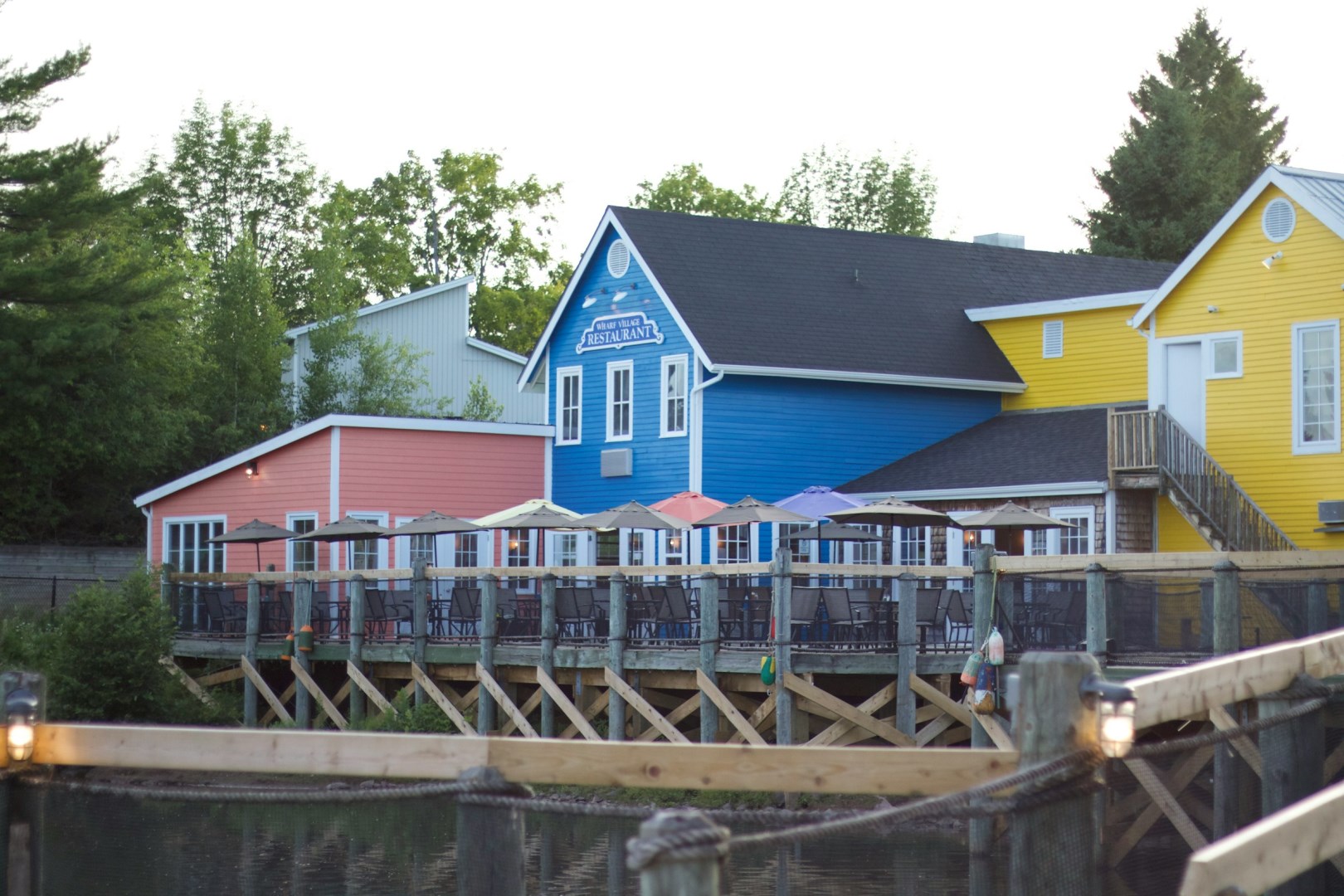
Moncton is a city in southeastern New Brunswick, situated along the Petitcodiac River near the head of the Bay of Fundy. It serves as a major centre for transportation, commerce, education, and culture in Atlantic Canada. The city is officially bilingual and has strong English-speaking and Acadian influences. Its location beside the tidal river gives Moncton a distinctive natural feature within an urban setting, while downtown streets contain shops, restaurants, public art, and heritage building
Kouklia
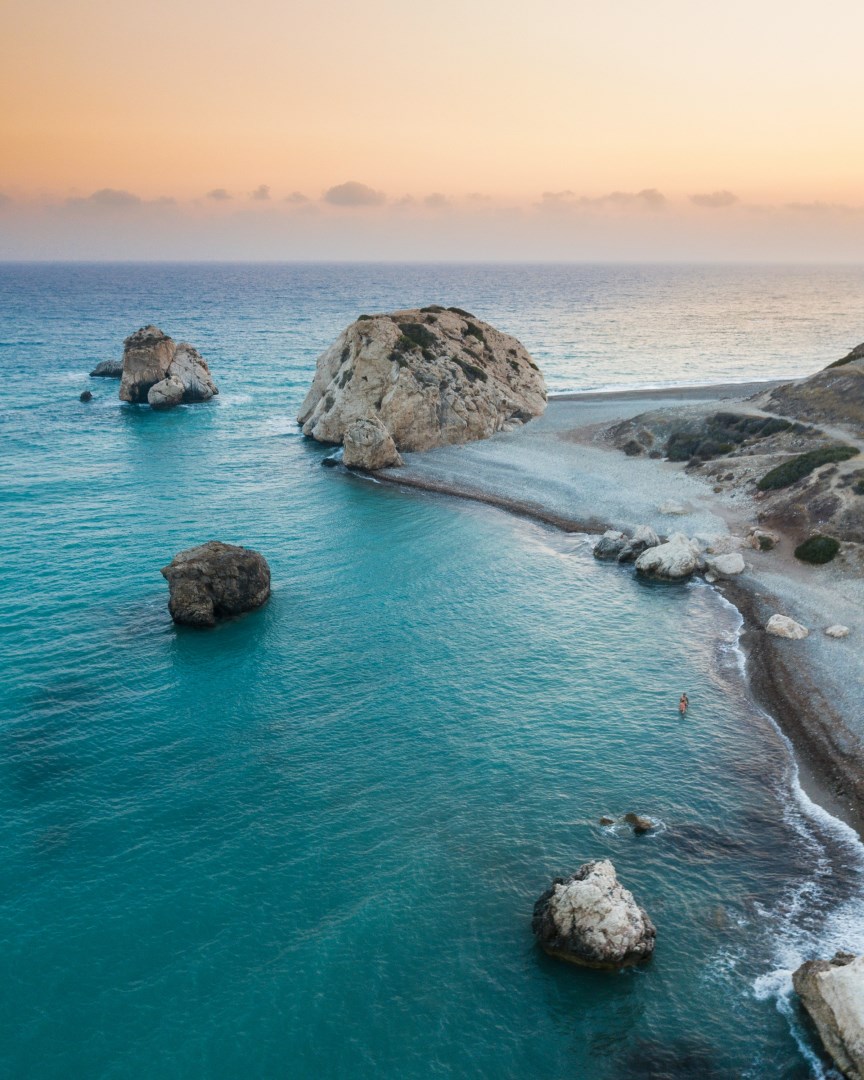
Kouklia is a village in the Pafos district of southwestern Cyprus, located inland from the coast on the site of ancient Palaipafos, or Old Pafos. The village is surrounded by cultivated fields, orchards, and low hills, with the Mediterranean coast nearby. Its main distinction is its connection with the ancient Sanctuary of Aphrodite, one of the most important archaeological sites associated with the goddess in the ancient Greek world.

Hong Kong
Hong Kong is one of the few places in the world where a 700-year-old fishing village sits minutes away from the headquarters of international banks. Once a British colony and now a Special Administrative Region of China, the city carries traces of Cantonese, colonial, and global influences in its streets, rituals, and food. The city has more than 300 hiking trails, including the well-known Lion Rock hike, which ends at a dramatic cliff overlooking Kowloon’s dense skyline.