The Coromandel Peninsula on New Zealand’s North Island is a place where coastline and culture come alive in ways that stay with visitors long after they’ve left. Stretching for about 110 kilometers between the Hauraki Gulf and the Bay of Plenty, this region has deep roots that go back to the arrival of Māori long before Europeans stepped ashore.
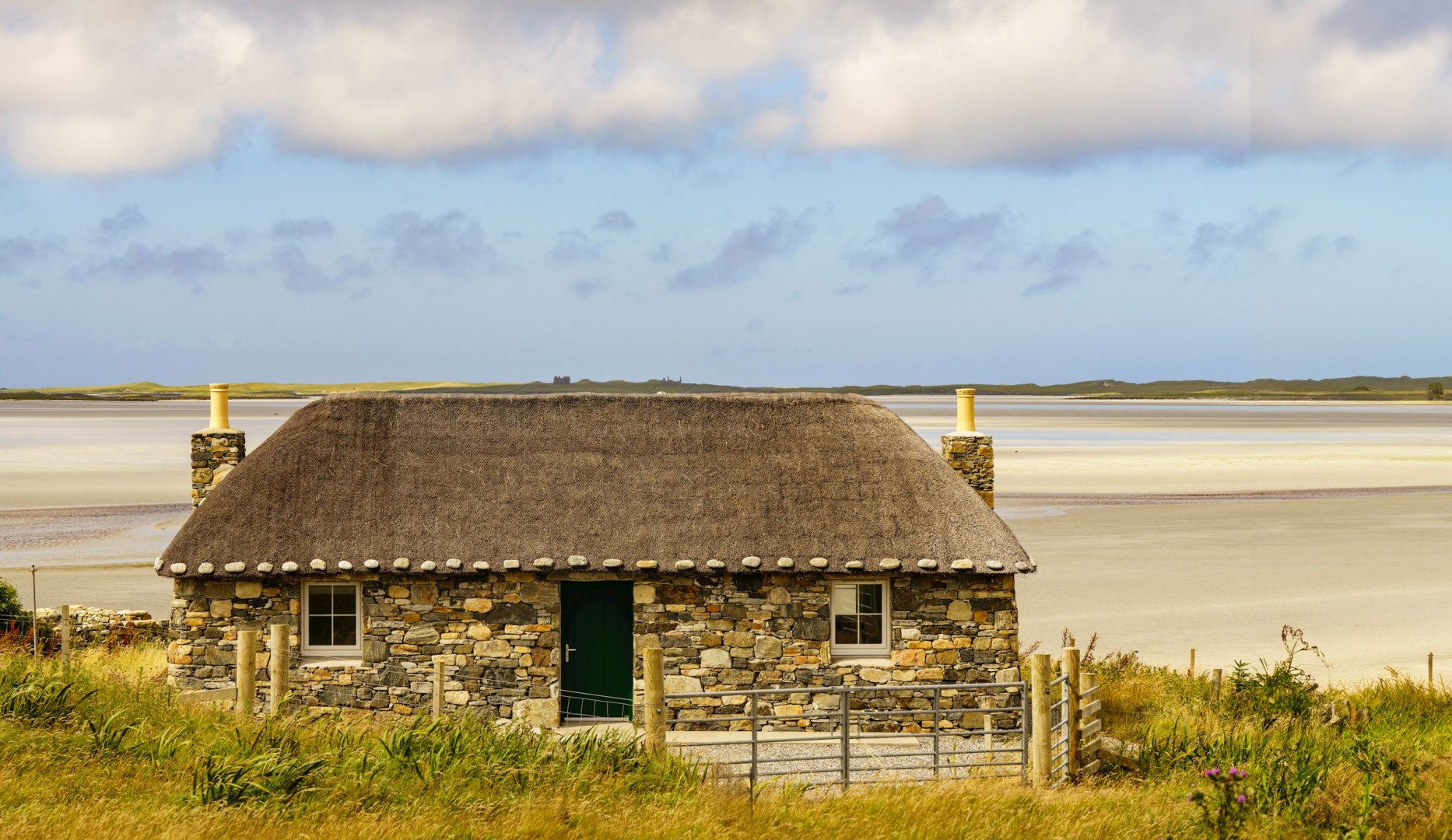
The Outer Hebrides form a long chain of more than 70 islands off Scotland’s northwest coast, stretching from Lewis and Harris through the Uists to Barra and Vatersay. The islands are linked by ferries, bridges, and causeways, but each has a distinct landscape and community character. Stornoway on Lewis is the principal town and a center for local administration, arts, and commerce.
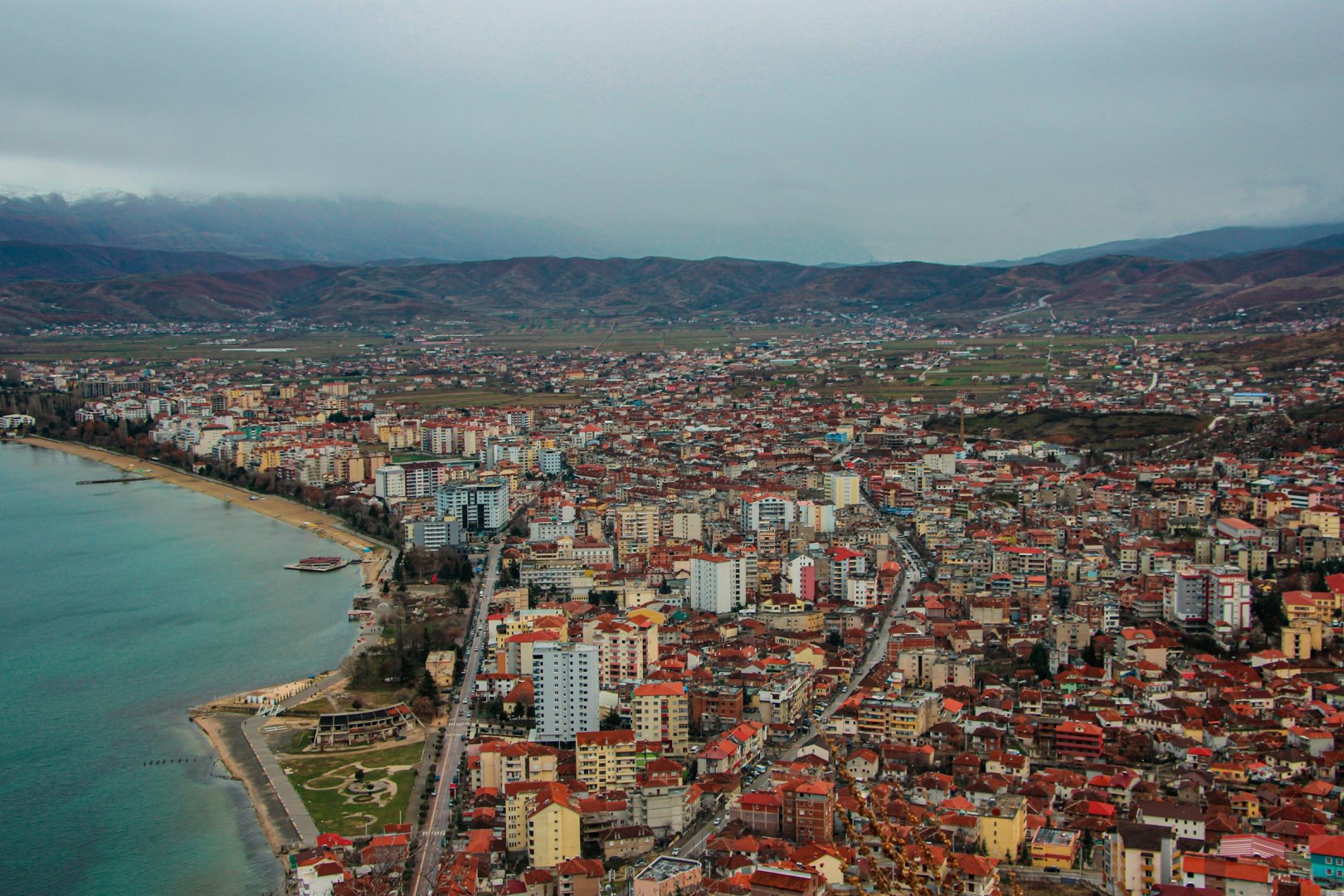
Pogradec is a lakeside town in southeastern Albania, situated on the southwestern shore of Lake Ohrid beneath the surrounding mountains. The lake is part of the UNESCO World Heritage property known as the Natural and Cultural Heritage of the Ohrid Region and is recognized for its exceptional freshwater biodiversity.
Taranto is a coastal city in Puglia known as the “City of Two Seas,” positioned between the open Mar Grande and the sheltered Mar Piccolo. Its location has shaped a strong maritime identity, with fishing, mussel farming, and naval activity remaining important parts of local life. The historic center occupies an island connected to the newer city by the Ponte Girevole, while the waterfront extends around the two bodies of water.
Tenerife is the largest isle of the Canary Islands archipelago. Famous for its black and yellow sand beaches as well as Mt. Teide, the dormant volcano that looms over the island.
Photo Credit: Photo by Dustin Balictar on Unsplash
Photo Credit: Photo by Martin Adams on Unsplash
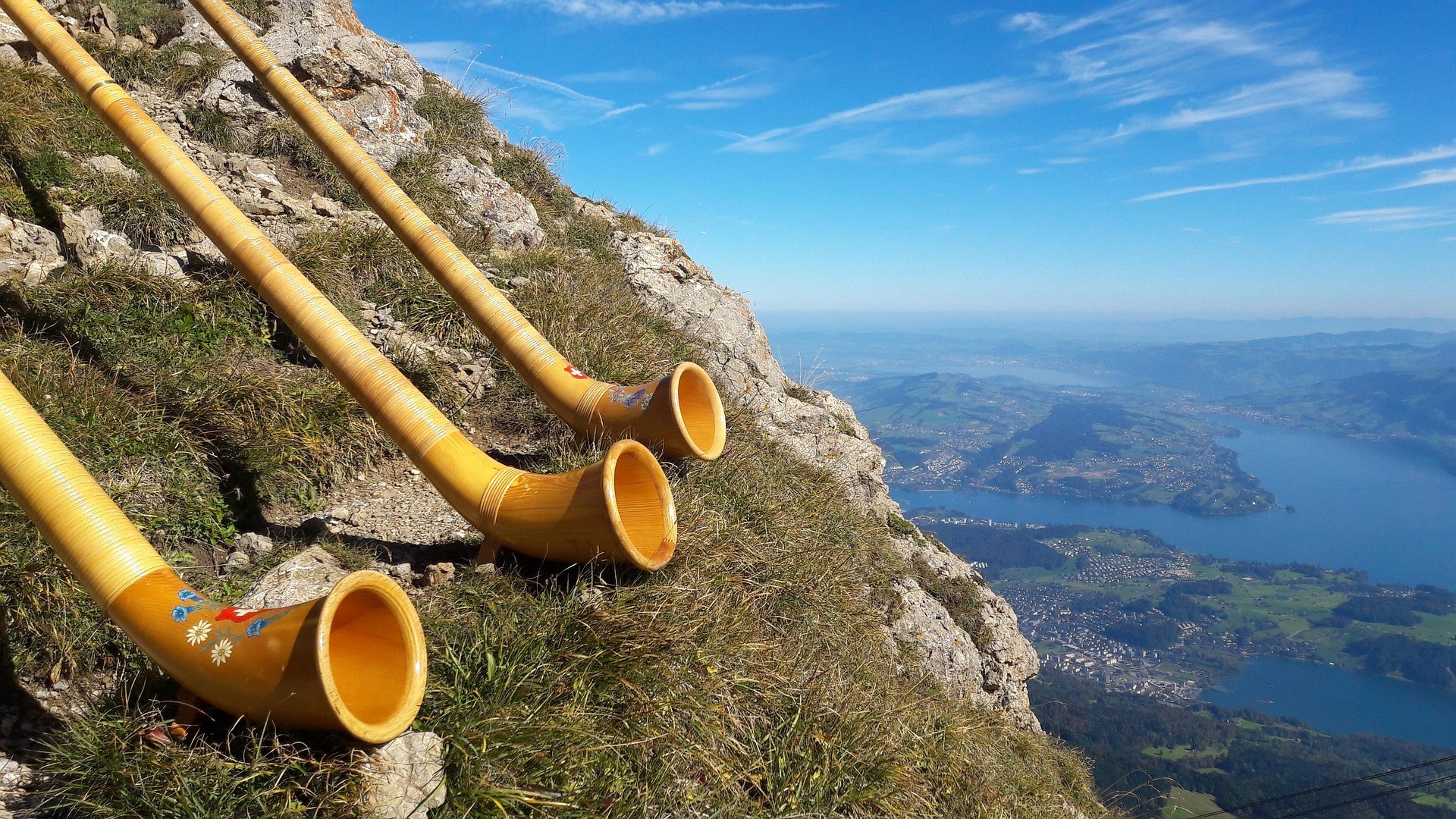
Switzerland's daily life appears to be full of contradictions: the old and the new, natural beauty and industrial production, neutrality and international frankness. These sharp contrasts go hand in hand, and this unity is the real reason that this small country in the heart of Europe has developed into such an important communication and trading partner in the world today. It is Switzerland's contrasts - its diversity which attracts both the businessman and the tourist alike.
Lofty alpine landscapes, splendid ski-fields and crystal clear mountain lakes contrast with the Mediterranean ambience of the south; an internationalism that is well and truly practiced, the fascinating heritage and rich traditions of a remarkable people, the patrician old world standing proudly side-by-side a modernity that is quite avant-garde.Switzerland is so much more than the innate pragmatism of such superior inventions as banking, life insurance and timeless timekeeping would
suggest. After all, the same practical minds concocted the world's most delectable chocolate.
In an effort to protect its traditional rights and foster a national identity, Switzerland established a democracy, nearly seven hundred years ago. Today, this tiny land-locked country has the world's oldest democracy and its mechanisms have become a blueprint for the free world.
The constitutionally authoritative network of 24 cantons is further divided into self-administrative regions known as communes. The whole seemingly complex system actually translates into a working democratic tradition in its purest form - government by the people for the people. Neutrality - declared as a means of self-preservation in the 16th century - may be the foundation of the Swiss politic and an unequivocal stance that has prompted many worldwide humanitarian organisations to base themselves there, but multi-culturalism is the way of life. This is revealed in an enormous, dynamic diversity within Swiss borders in part due to the regionalisation and their respective traditions, customs and festivals and to the predominance of three strong cultures - German, French and Italian. The delightful characteristics of each permeated the individual villages, cities and towns of each canton creating a unique national culture. There are four national languages: Swiss-German, French, Italian and the rare Romansch whilst over 700 dialects add even more colour to the mix.
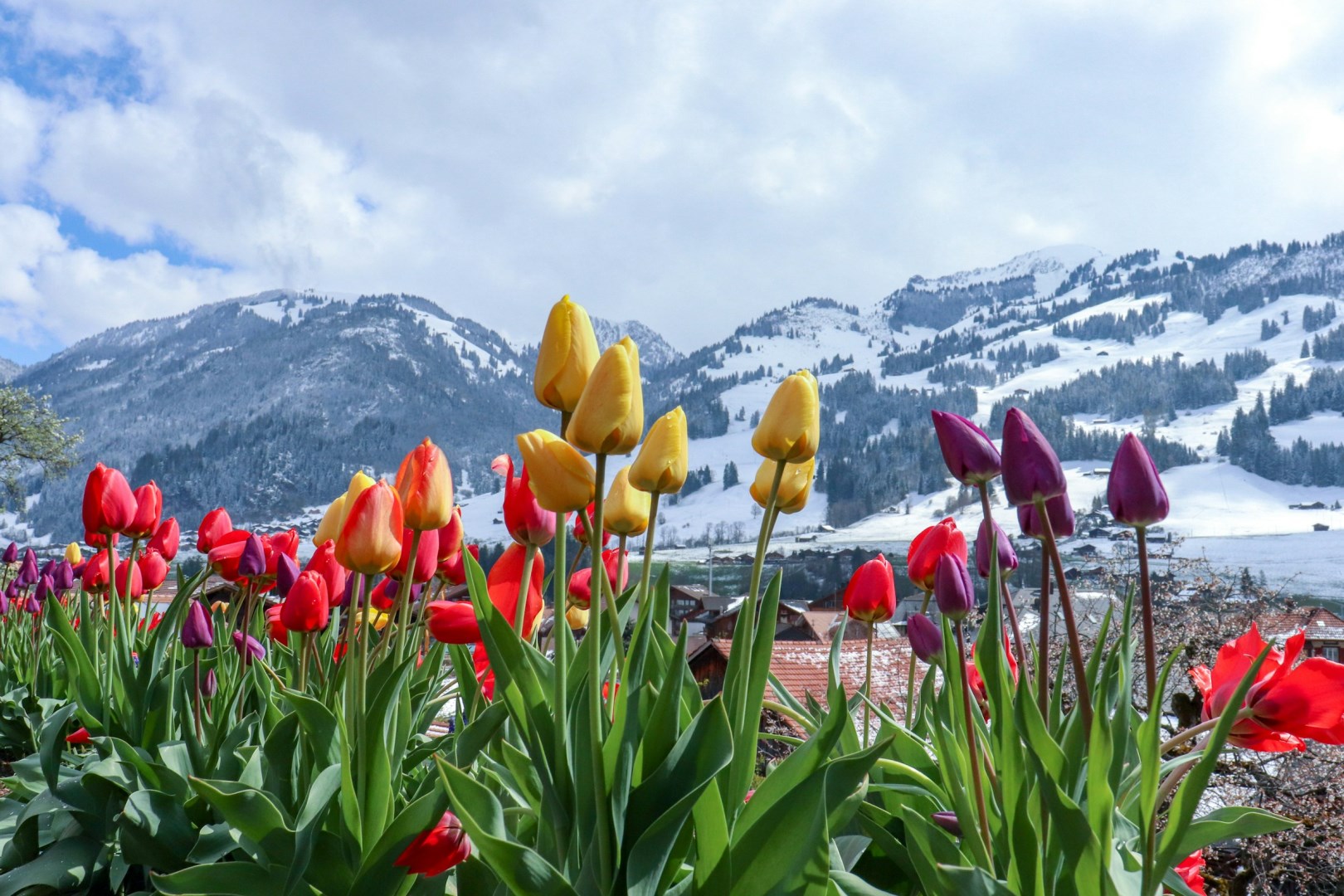
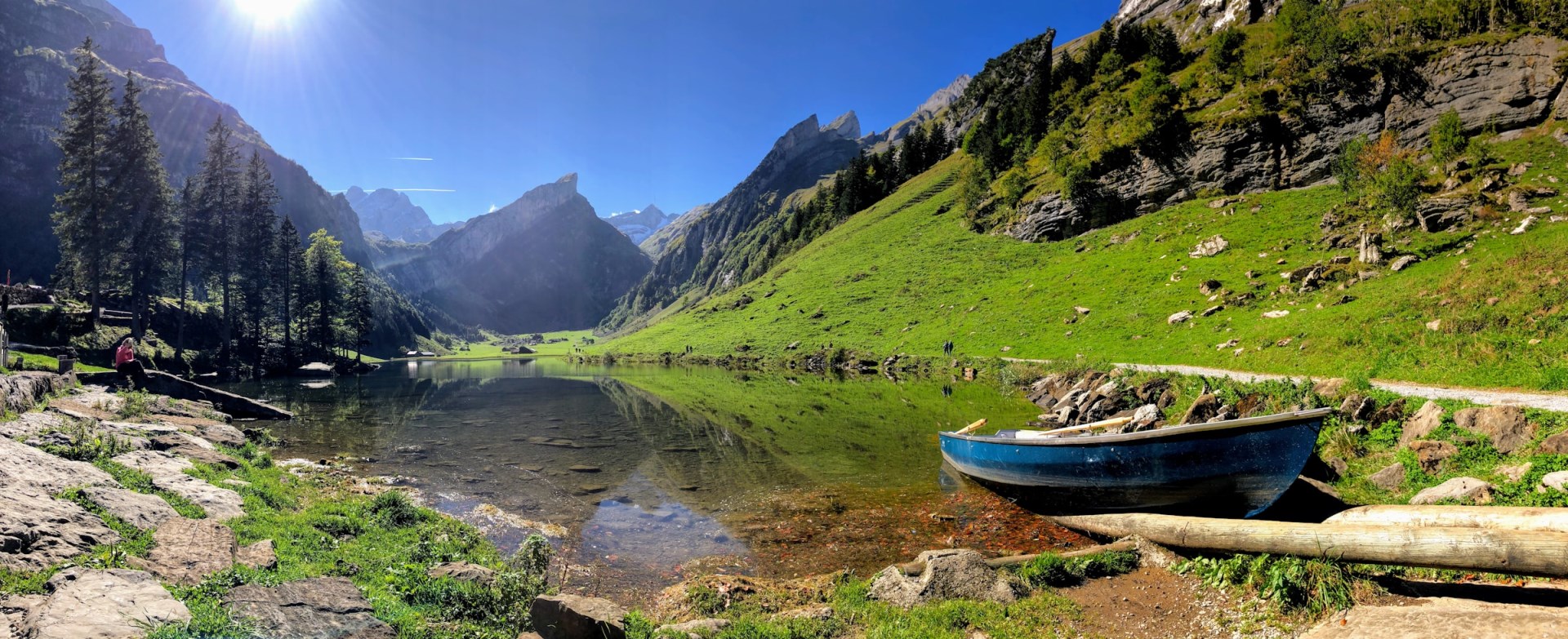
No matter where the location from rustic villages high in the snow-capped Alps, to the majestic shores of picture perfect lakes, the pure mountain air and fresh vistas of the Jura, bustling Zurich and rarefied Geneva, the warmest of welcomes awaits. Swiss hospitality is legendary.
Popular Destinations in Switzerland
Lucerne
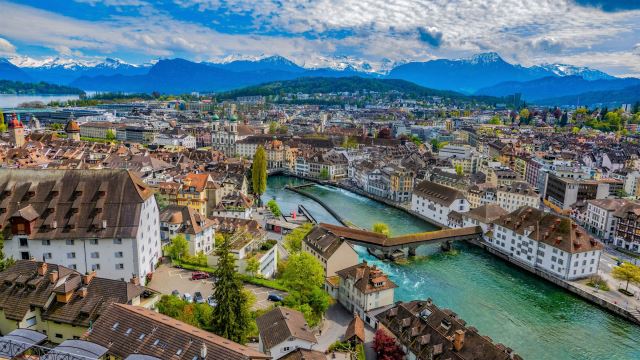
Behold beautiful Lucerne! This German-speaking area of central Switzerland on Lake Lucerne is a truly spectacular locale. Surrounded by mountains and notable for its famous Chapel Bridge, this idyllic and musical Swiss locale is wonderful any time of year.
Basel
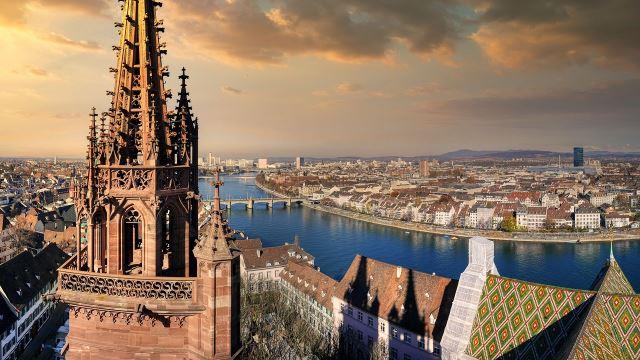
Basel is the global center of the pharmaceutical industry, but most travelers visit for the world-famous ART Basel festival, as well as the numerous art galleries, iconic architecture and museums.