Lake Ōhau
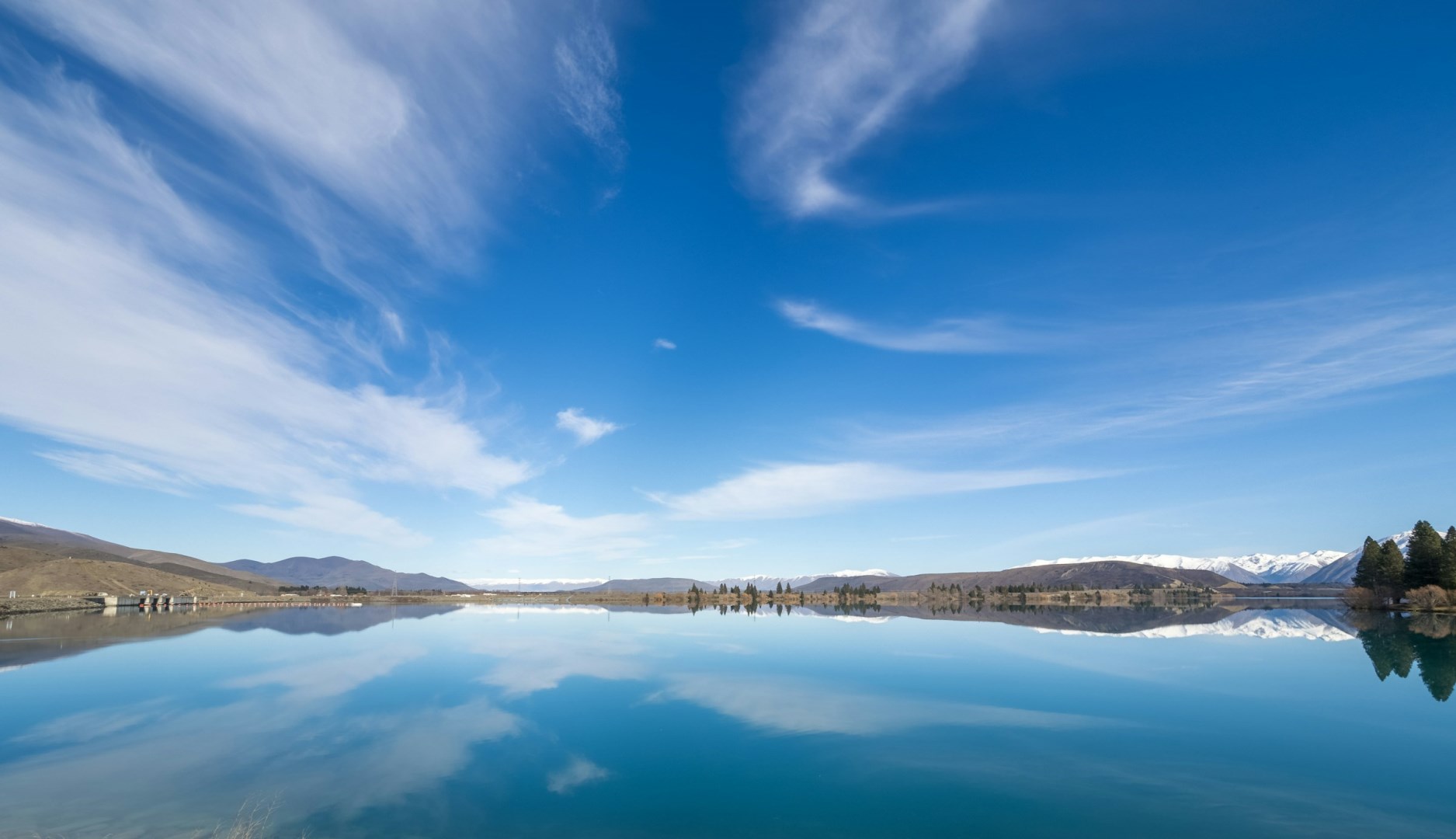
Lake Ōhau, nestled in the Mackenzie Basin of New Zealand’s South Island, is a serene and striking alpine lake framed by the Southern Alps. Its clear, turquoise waters reflect the surrounding mountains, creating vistas that captivate visitors at every turn. The lake’s remote location and relatively low visitor numbers make it an ideal destination for those seeking a peaceful retreat, with opportunities to fish, kayak, or simply take in the sweeping scenery along its shores.
Piombino
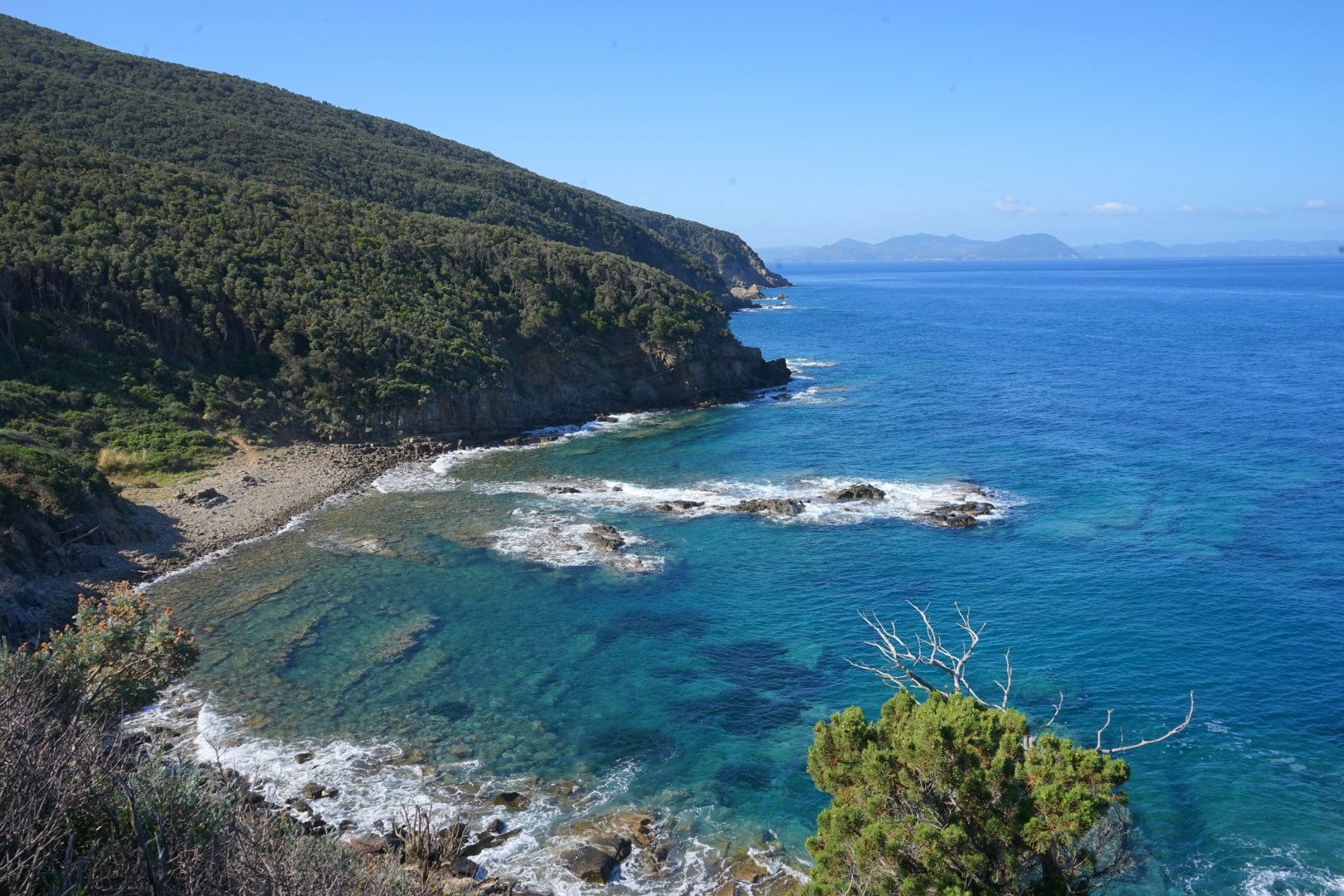
Piombino is a coastal city on a promontory in southern Tuscany, overlooking the Tyrrhenian Sea and the islands of the Tuscan Archipelago. Its position on the Etruscan Coast has shaped both its history and its modern identity, with a working port, maritime traditions, and access to beaches and protected coastal areas. The historic center occupies the older part of the promontory, where medieval and Renaissance buildings stand within sections of the former defensive walls.

Hvar
Hvar is a resort town and island off the coast of Croatia. A tourist destination with spectacular views of the Adriatic Sea, Hvar is popular for its beaches and is a favorite port for yacht cruises.
Dilijan
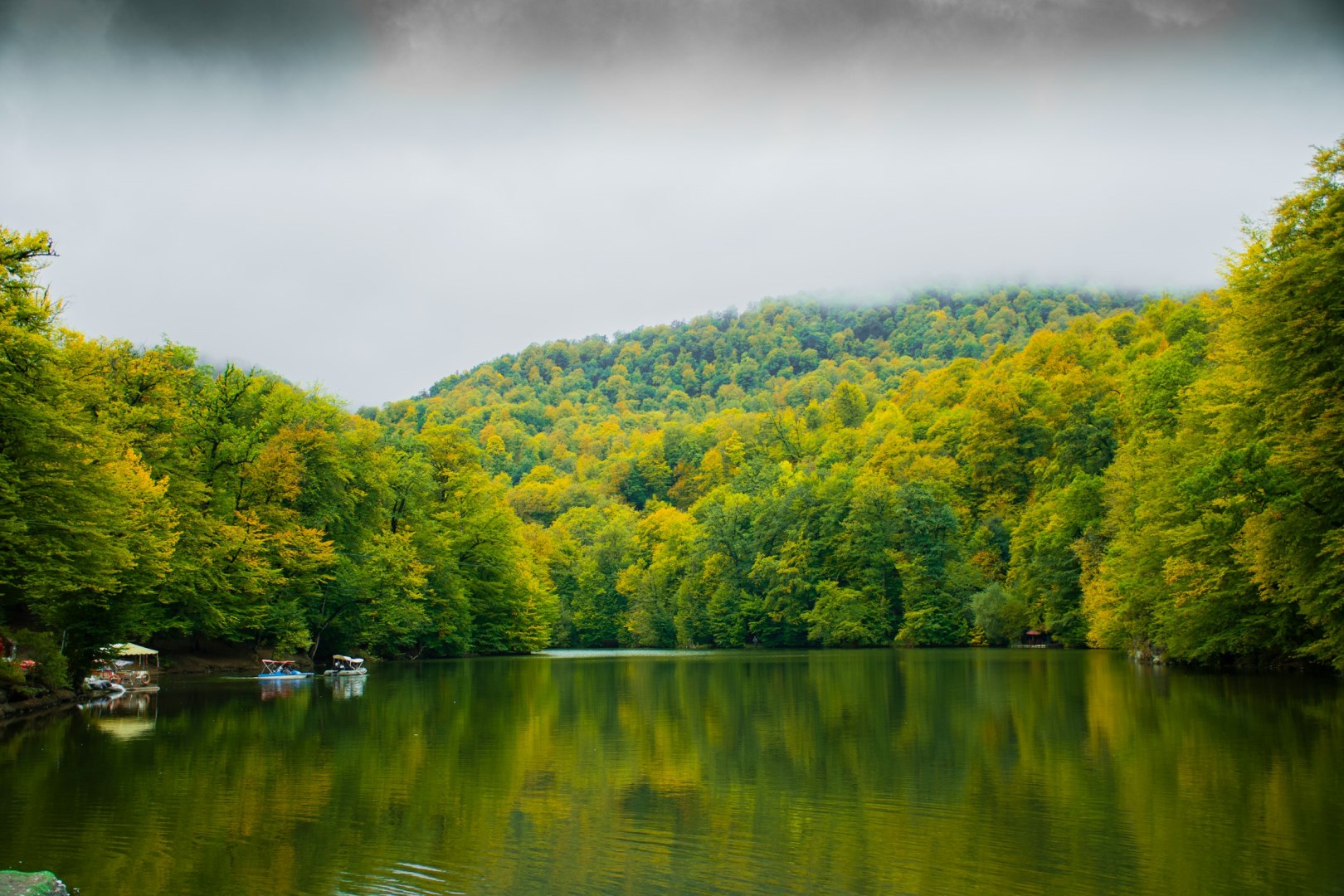
Dilijan is a town in Armenia's Tavush Province, surrounded by forested mountains, streams, and highland meadows. The town lies within the landscape of Dilijan National Park, where oak, beech, and hornbeam forests cover much of the surrounding hills. Dilijan is also known for its traditional architecture, craft workshops, and location between Lake Sevan and the forested valleys of northeastern Armenia. Its setting has long supported agriculture, forestry, and mineral-water traditions.
Crown Point
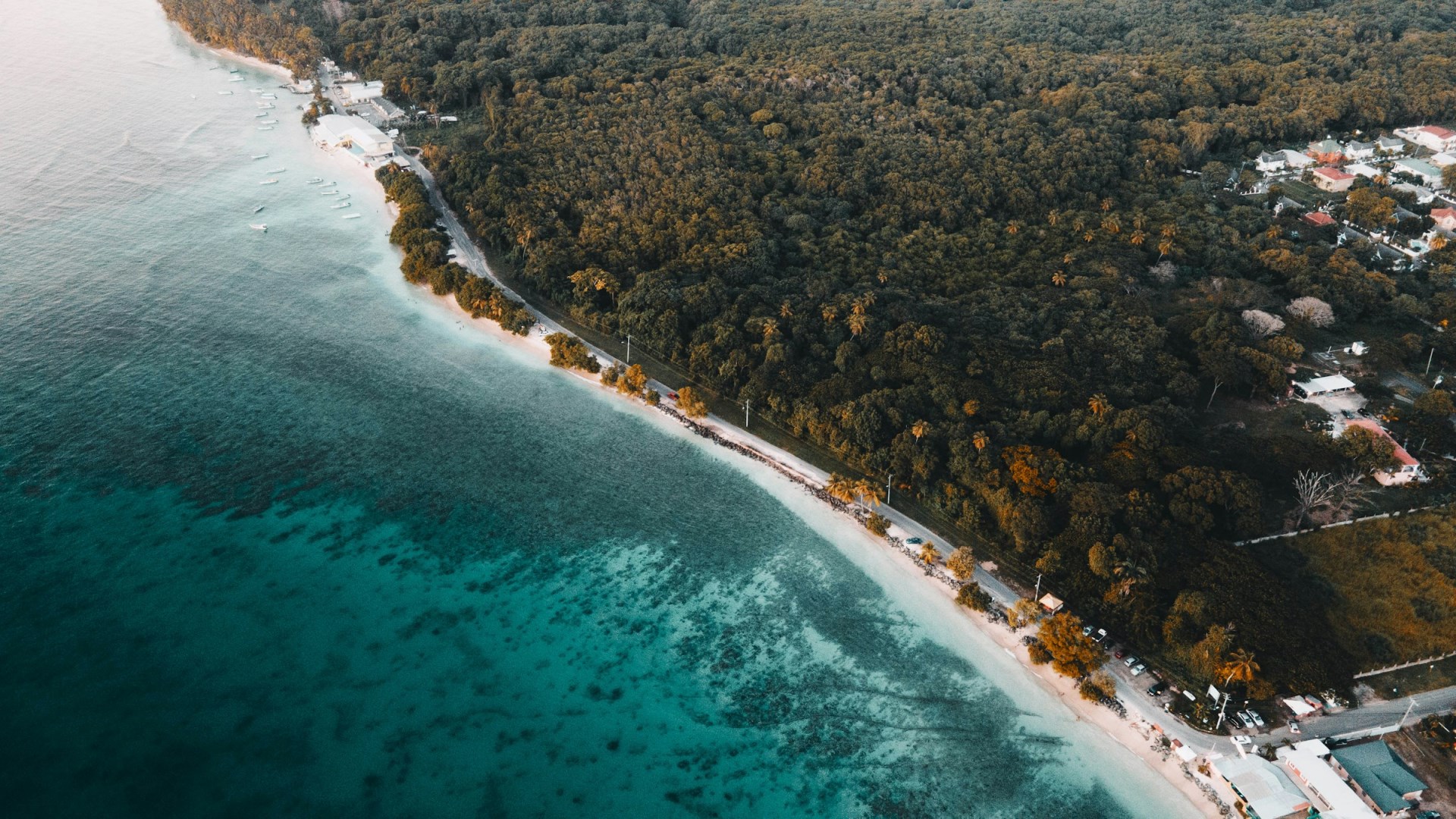
Crown Point is a coastal area at the southwestern tip of Tobago, known for sandy beaches, shallow Caribbean waters, and its proximity to the island’s main airport. The area sits between Store Bay and the shoreline around Pigeon Point, with low hills and tropical vegetation extending inland. Crown Point forms part of Tobago’s main visitor district, with hotels, guesthouses, restaurants, shops, and small businesses spread through the surrounding communities.