Everglades National Park
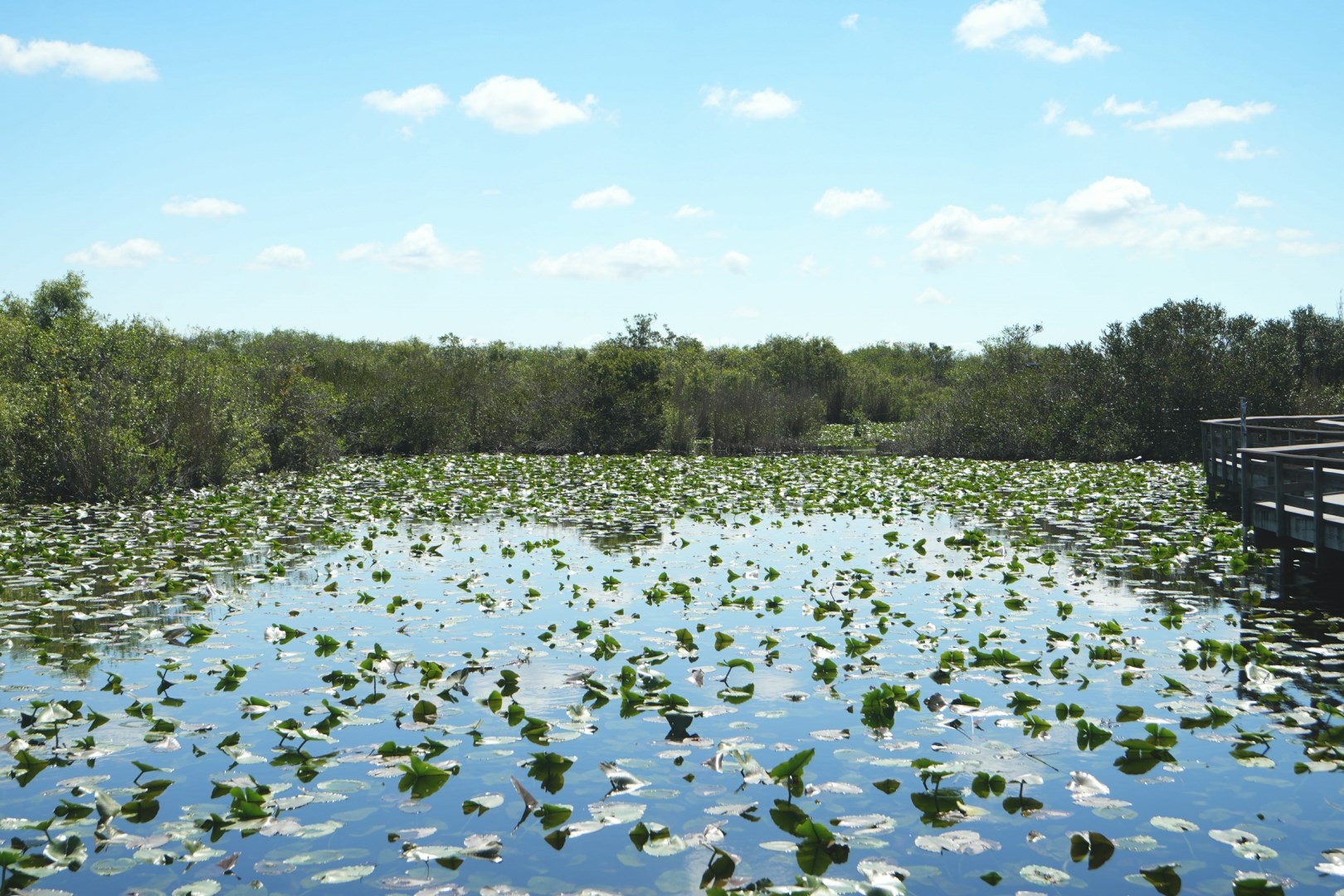
Everglades National Park protects a vast subtropical wetland at the southern tip of Florida, where freshwater moves slowly through sawgrass marshes, mangrove forests, hardwood hammocks, and coastal lagoons toward Florida Bay. Covering more than 1.5 million acres, it is the largest subtropical wilderness in the United States. The park is part of a much larger ecosystem whose waters originate in central and southern Florida and eventually reach the Gulf of Mexico and Florida Bay

Porto Santo Stefano
Porto Santo Stefano features two main ports which serve as gateways to the nearby Tuscan Archipelago. Visitors can enjoy the crystal-clear waters and pristine beaches, perfect for swimming and snorkeling.

Aswān
Nestled along the tranquil banks of the Nile River, Aswan, Egypt, is a city where ancient history and natural beauty converge in an enchanting landscape. Often referred to as the gateway to Nubia, Aswan is a haven for those seeking to explore Egypt's rich heritage while basking in a serene, almost mystical atmosphere. The city's ancient roots are palpable as you stroll through its vibrant streets, where the echoes of Pharaonic, Roman, and Islamic eras linger in every corner.
Sevierville
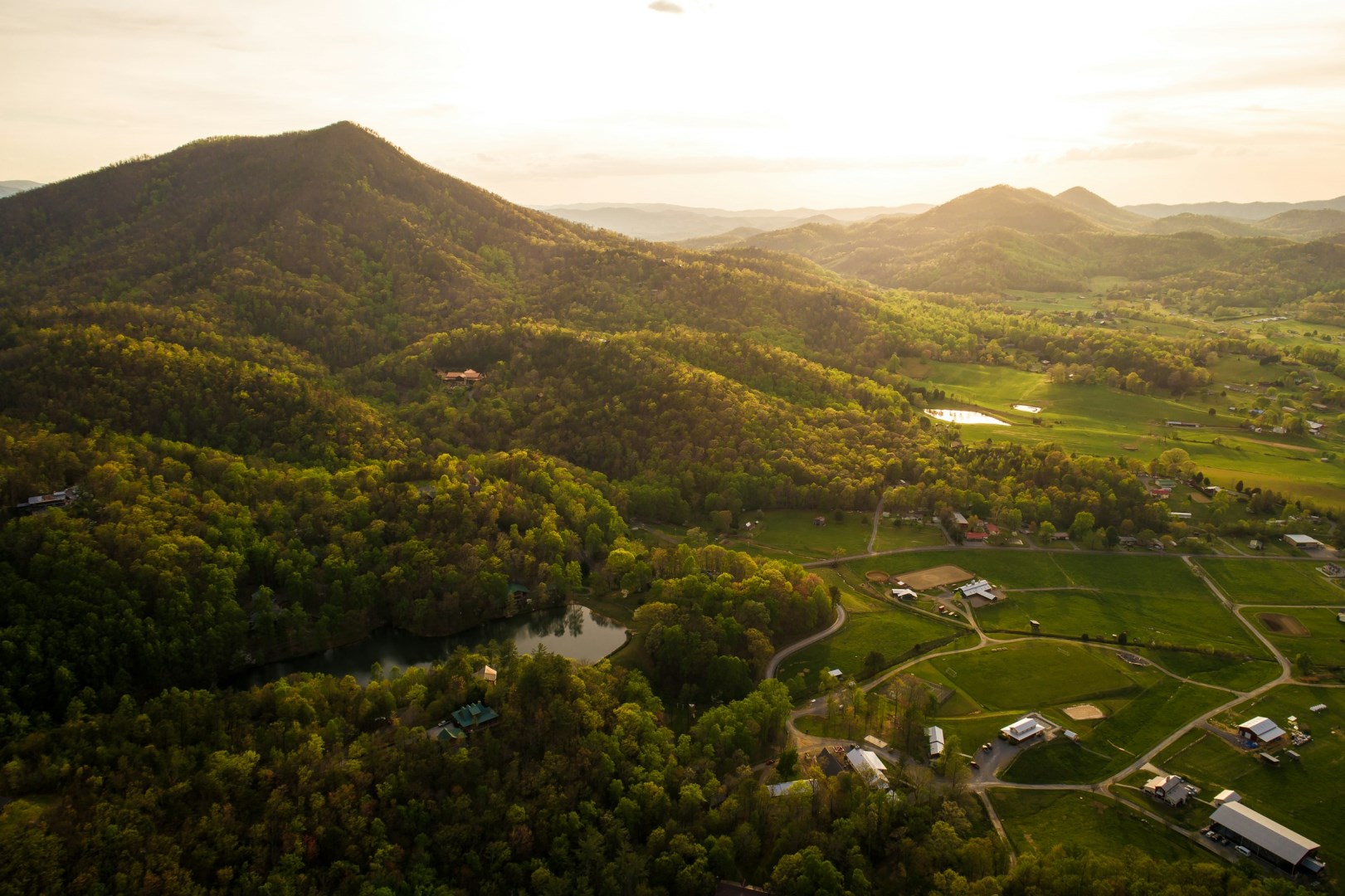
Sevierville is located next to the Great Smoky Mountains in Tennessee. Some of its attractions are the John Seiver Museum, Dolly Parton's Dollywood, Smoky Mountain Deer Park and Petting Zoo, and the Smoky Mountain Tours.
Namche
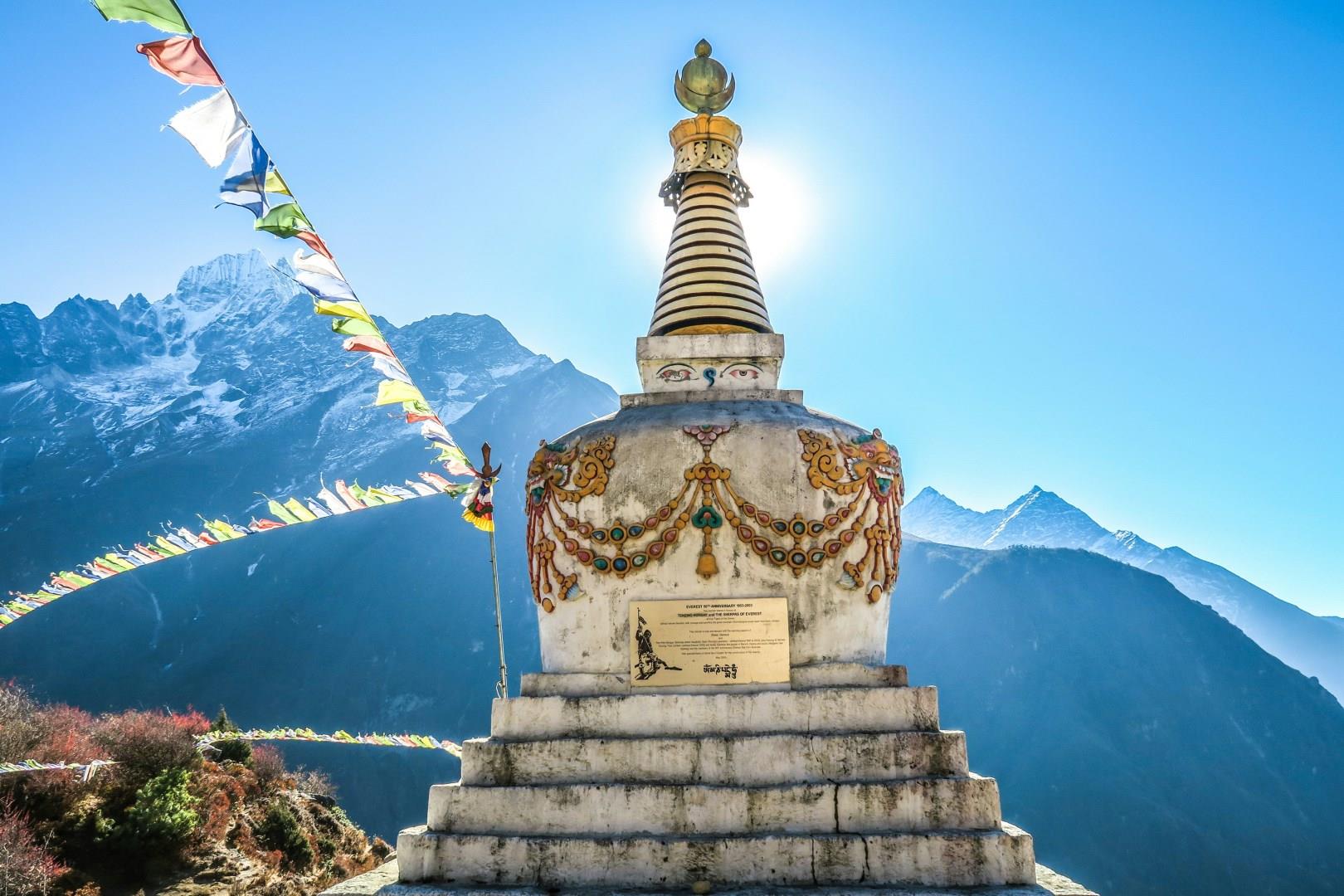
Namche Bazaar, perched at 3,440 meters in the Khumbu region of Nepal, is often called the gateway to Everest, but it’s far more than a rest stop on the way to Base Camp. Once a trading post between Tibetan and Nepali merchants, Namche has developed into a small mountain town where yak caravans and Wi-Fi cafes exist side by side. Despite its remote location, it has a Saturday market that continues to bring traders and trekkers together, just as it did centuries ago.