Nelson
Nelson is a small city in southeastern British Columbia, set along the West Arm of Kootenay Lake and surrounded by the Selkirk Mountains. Steep hills rise around the city, giving many streets views toward the lake and forested slopes. Nelson is known for its well-preserved historic downtown, heritage buildings, independent shops, galleries, and access to outdoor recreation.

Bornholm
Bornholm, a picturesque Danish island in the Baltic Sea, offers a unique blend of natural beauty and cultural charm. Renowned for its rugged coastline and charming villages, Bornholm is a haven for outdoor enthusiasts. The island's northern coast is particularly famous for its dramatic cliffs and clear waters, perfect for hiking and cycling.
Lifou
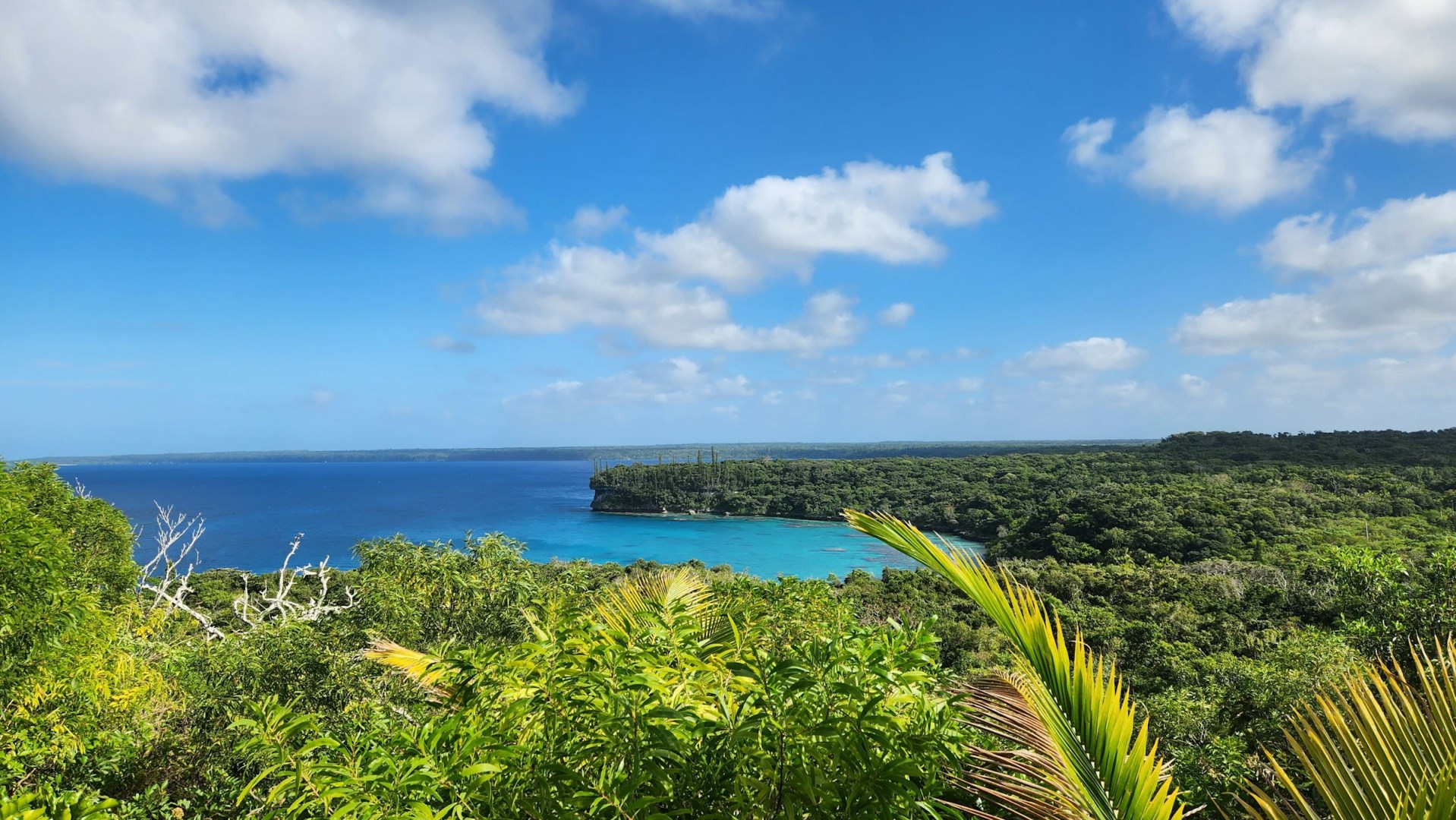
Lifou is the largest of the Loyalty Islands of New Caledonia and is known for its raised coral landscape, clear lagoons, and forested interior. Unlike Grande Terre, Lifou has no high mountain range, but its limestone plateau reaches enough elevation to create cliffs, caves, and elevated coastal viewpoints.
Mayotte
Mayotte, a French overseas department nestled in the Mozambique Channel between Madagascar and mainland Africa, offers travelers a window into a lesser-known island culture shaped by Swahili, Malagasy, and French influences. Unlike its neighbors in the Comoros archipelago, Mayotte remains part of France, giving it a unique blend of European infrastructure and Indian Ocean traditions.

Huế
Its legacy as the former imperial capital of Vietnam is just one of many reasons to visit Hue. For more than a century, the emperors of the Nguyen dynasty (1802-1945) ruled from the Forbidden Purple City, the innermost enclosure of the citadel. Today, this complex is designated as a UNESCO World Heritage site and draws millions of visitors each year.