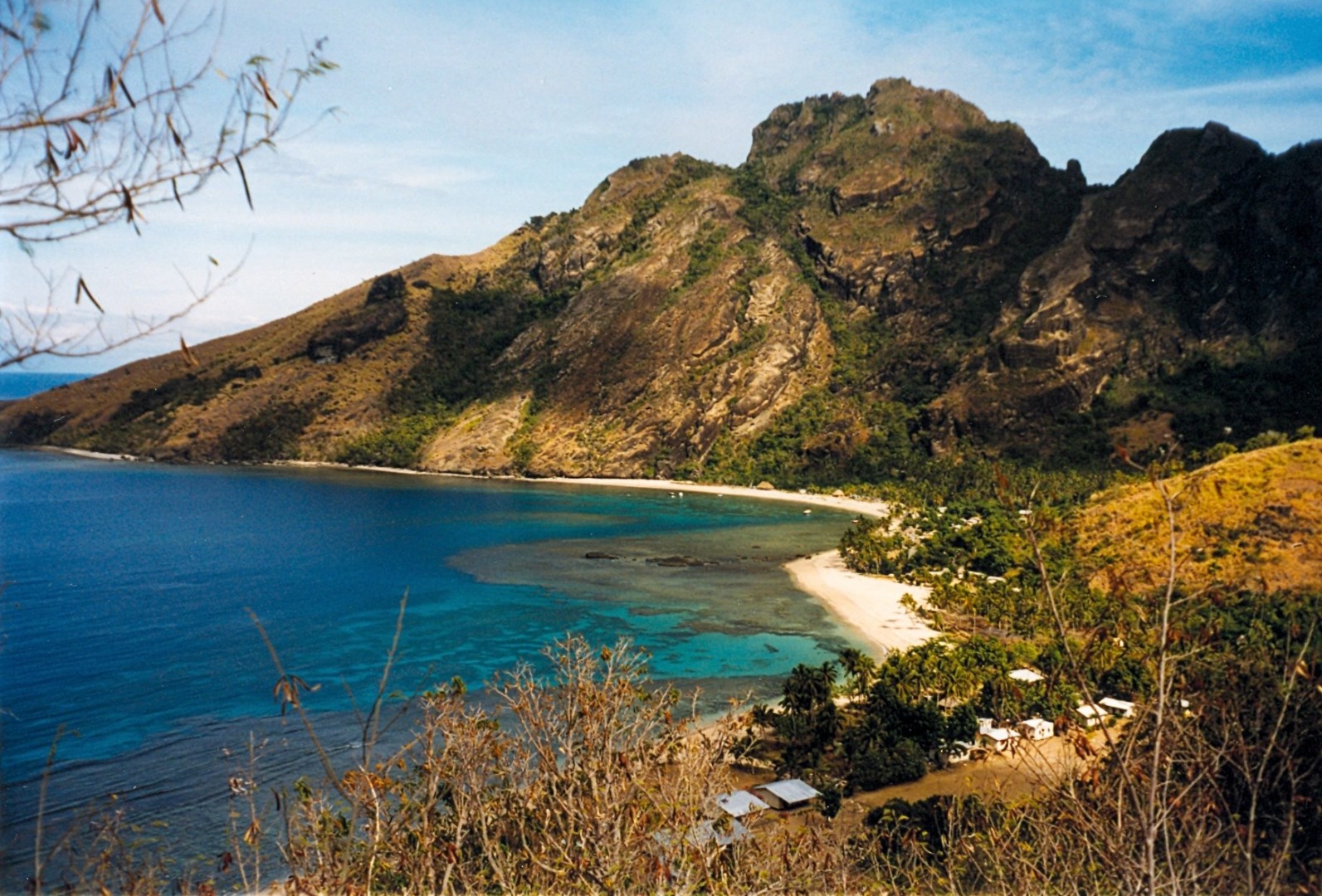
Yalobi
Discover a traditional Fijian village nestled between the clear waters of Yalobi Bay and the rugged mountain peaks of Waya Island.
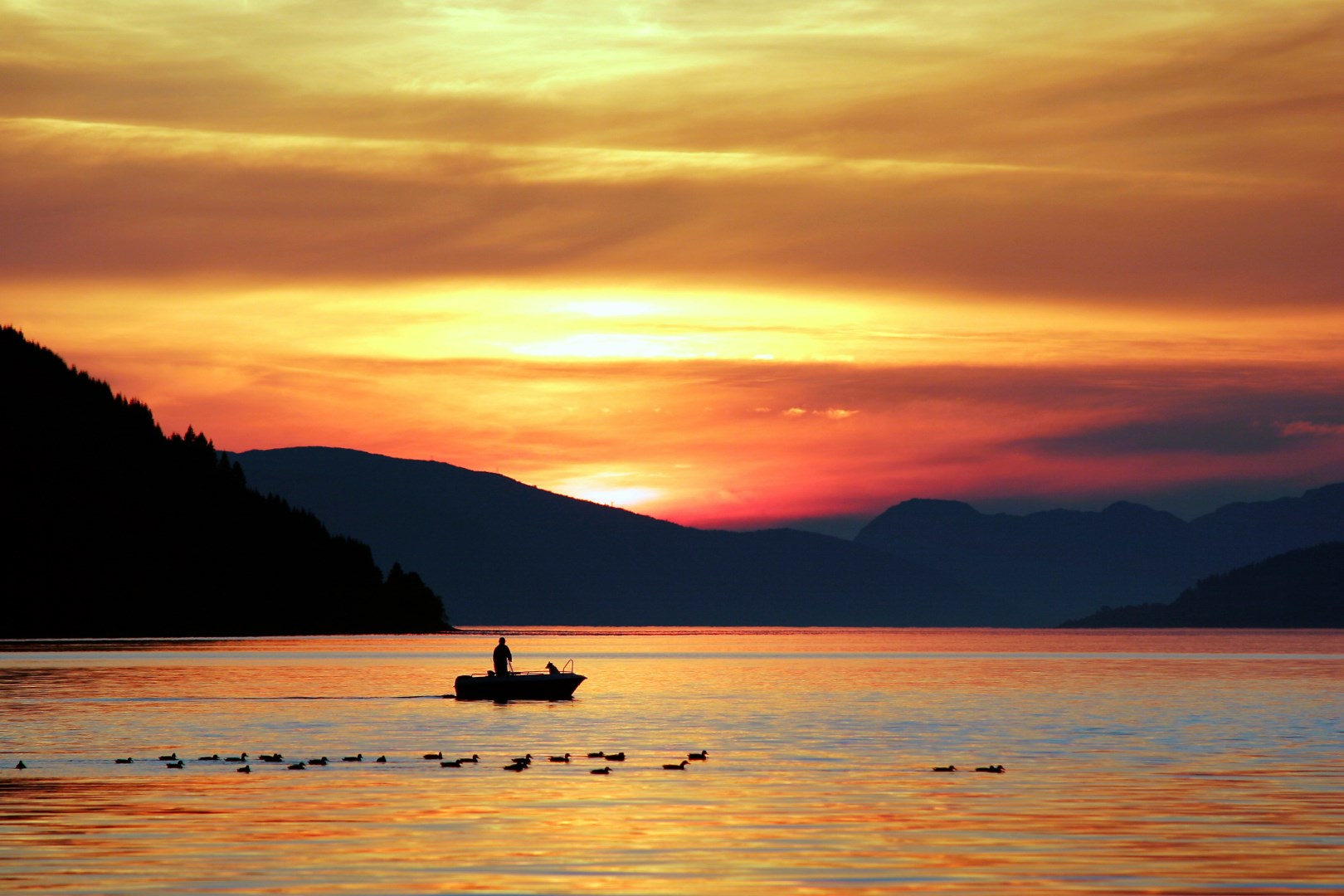
Nordfjordeid
Nordfjordeid is a town in Vestland county, western Norway, situated at the end of the Eidsfjorden branch of the larger Nordfjord. Surrounded by steep mountains, fertile valleys, and deep fjord waters, it serves as the administrative center of Stad Municipality.
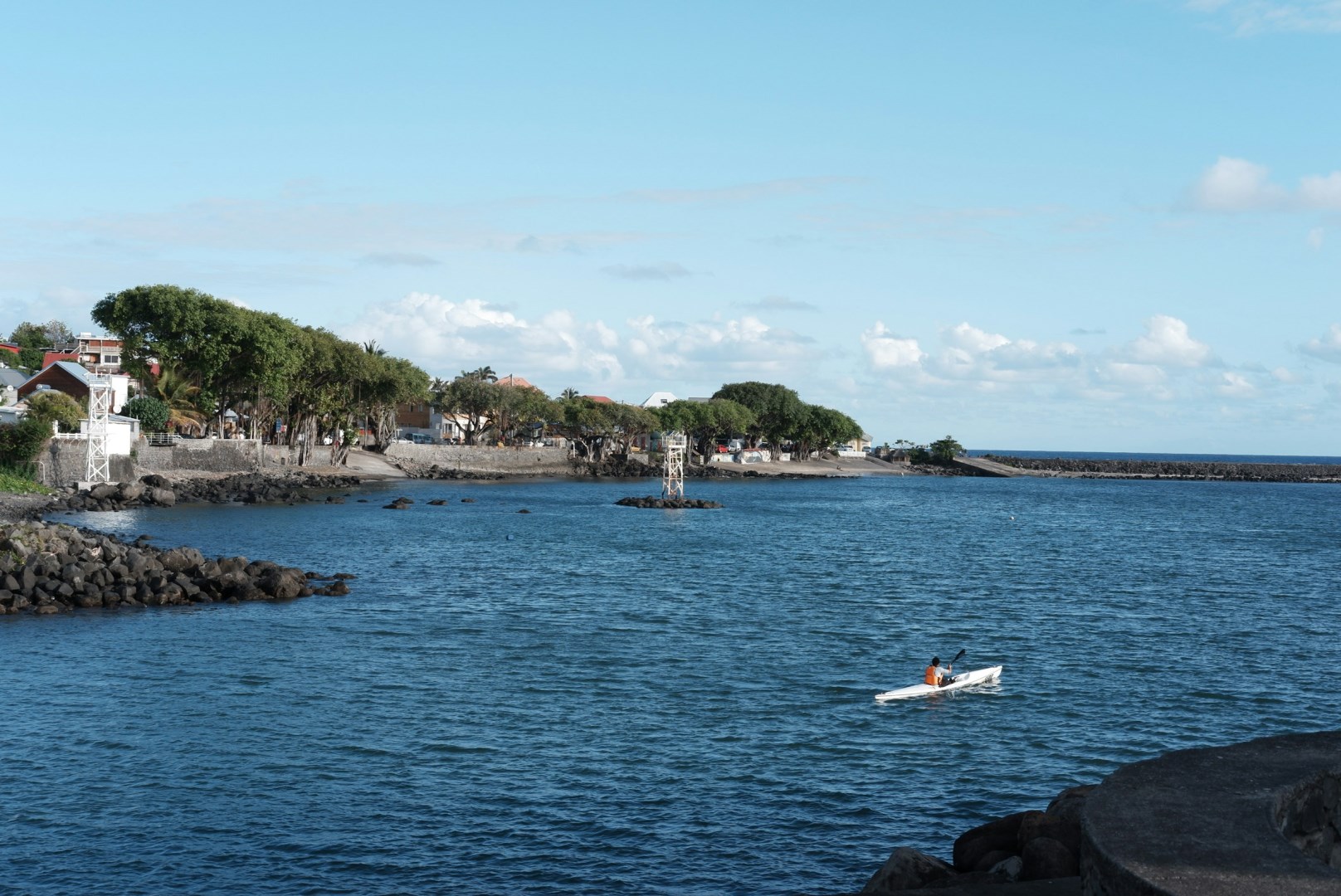
Saint Pierre
Saint-Pierre, located on the southwestern coast of Réunion Island, is a vibrant port town known for its blend of Creole culture, tropical landscapes, and lively urban life.

Ngorongoro
Ngorongoro, Tanzania, is a destination where breathtaking landscapes and abundant wildlife converge in a truly unique way. Nestled within the Ngorongoro Conservation Area, this region is renowned for the Ngorongoro Crater, a UNESCO World Heritage Site. This ancient caldera, formed by a volcanic eruption millions of years ago, creates a natural amphitheater teeming with wildlife.
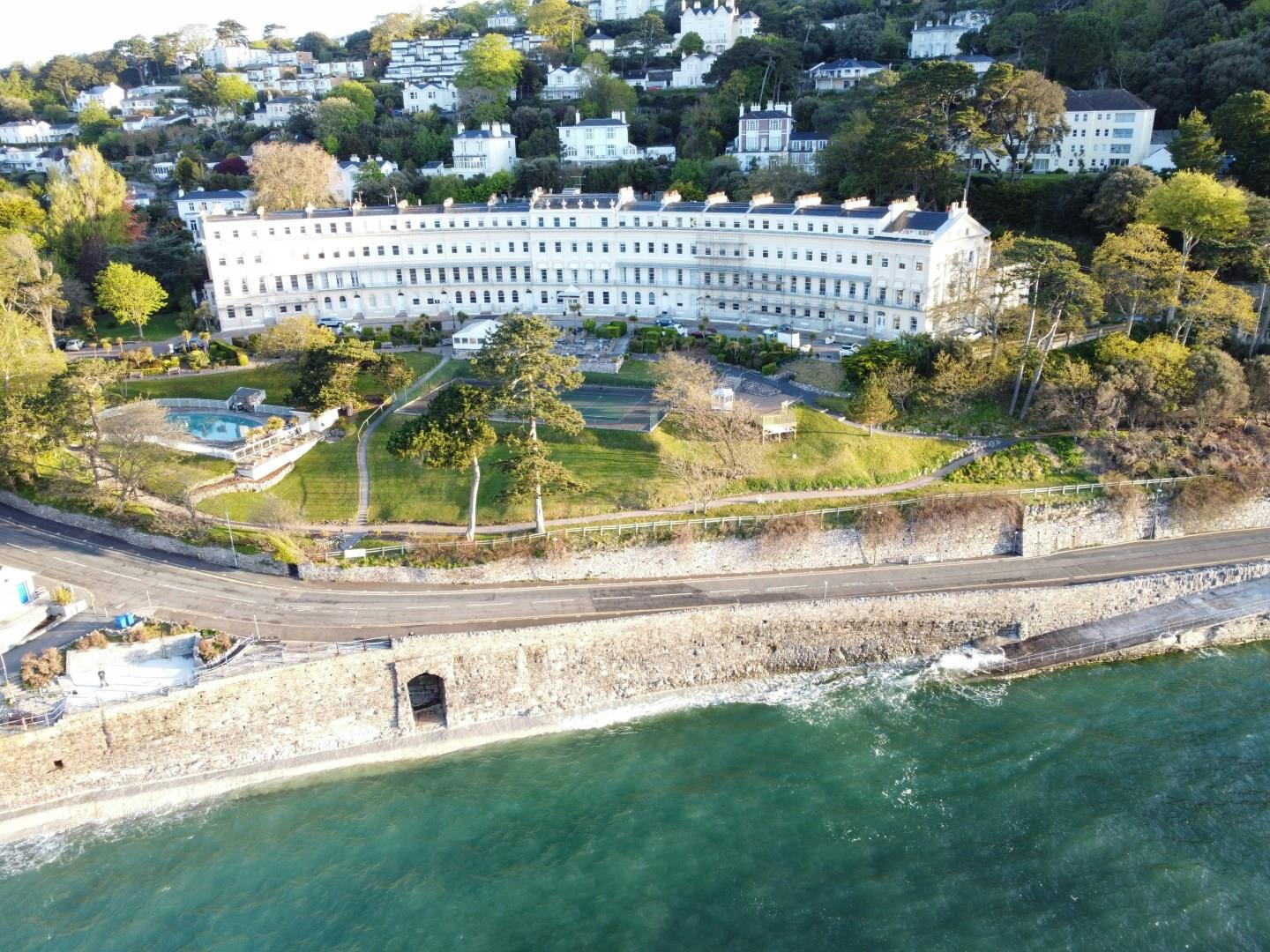
Torquay
Torquay, located on England’s southwest coast in Devon, is often referred to as the gateway to the English Riviera. With origins as a small fishing village, it expanded rapidly in the 19th century as a seaside resort, attracting visitors with its mild climate, sandy beaches, and scenic coastline.