Weligama
Weligama is a coastal town in Sri Lanka’s Southern Province, centered on a broad, gently curving bay between Galle and Matara. The sheltered shape of Weligama Bay creates relatively manageable waves along much of the beach, making the town especially well known for beginner-friendly surfing. Fishing remains an important part of local life, with traditional boats operating from the shoreline and the surrounding coast still associated with stilt fishing. The town combines a working coastal setting
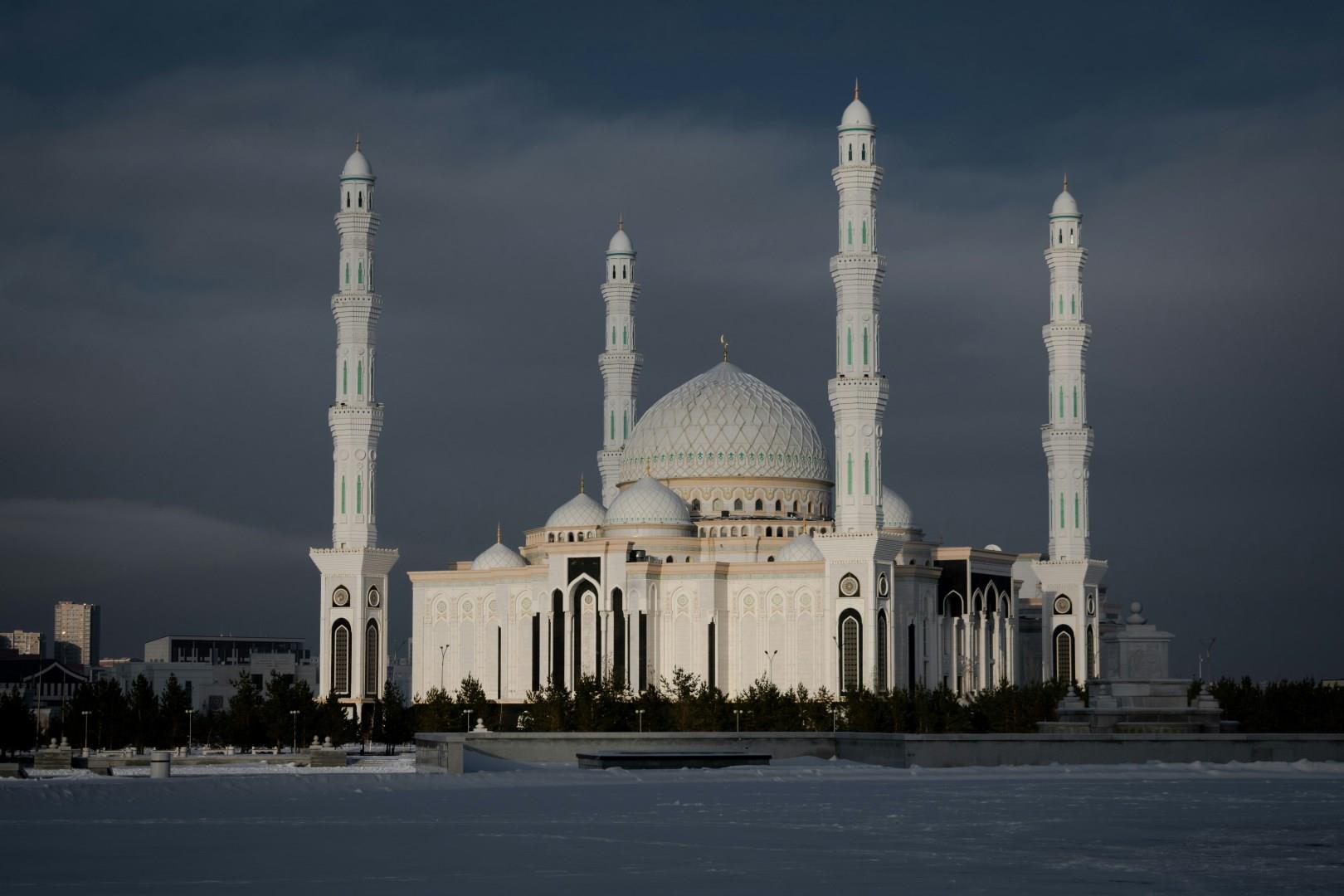
Astana
Astana, officially known as Nur-Sultan, is the modern capital of Kazakhstan and a striking example of contemporary urban design in Central Asia.
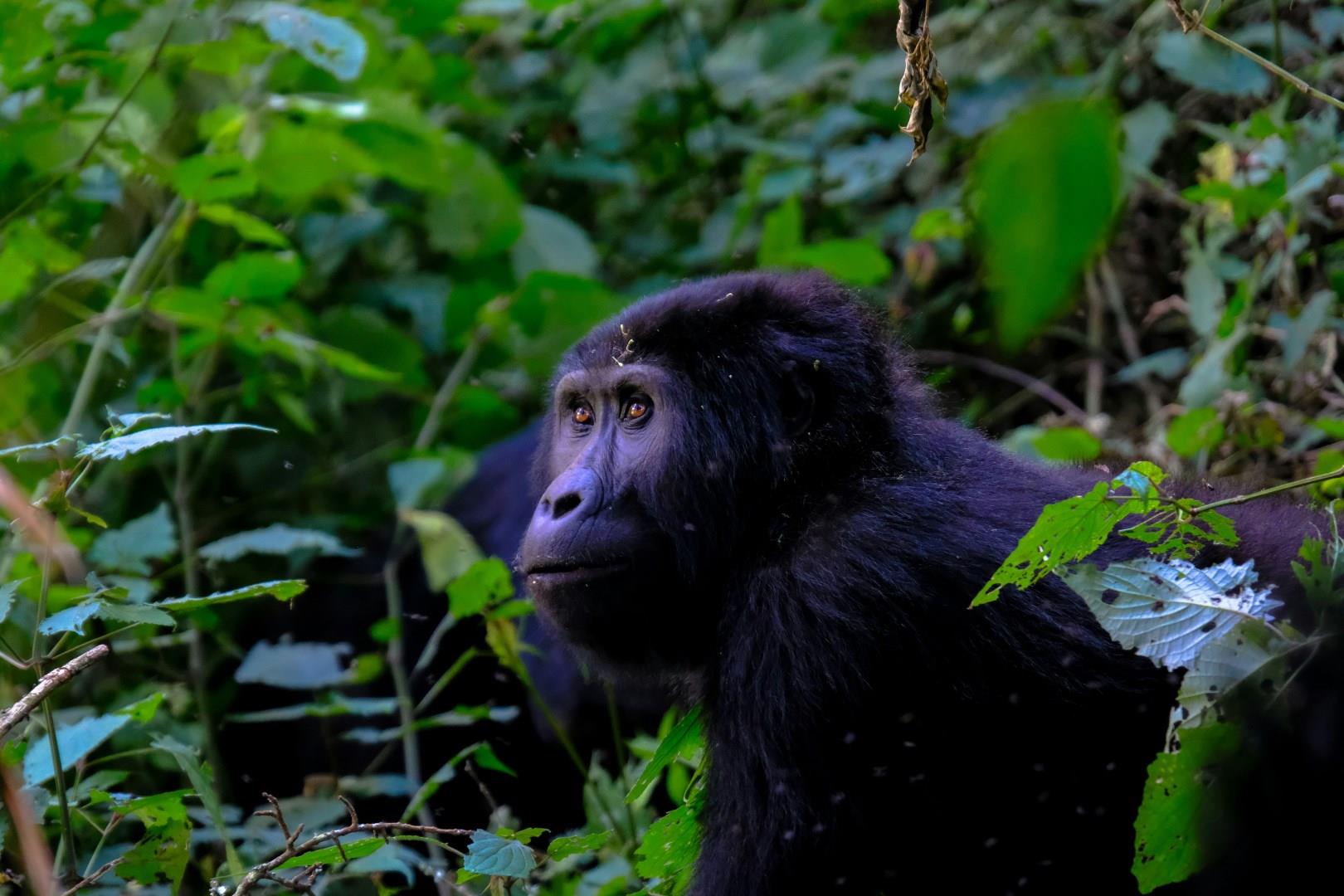
Kisoro
Kisoro is a small town in southwestern Uganda, set in the highlands near the borders of Rwanda and the Democratic Republic of the Congo. It serves as an important gateway to the Virunga Mountains and has long been shaped by its position at the crossroads of cultures, trade routes, and protected landscapes.
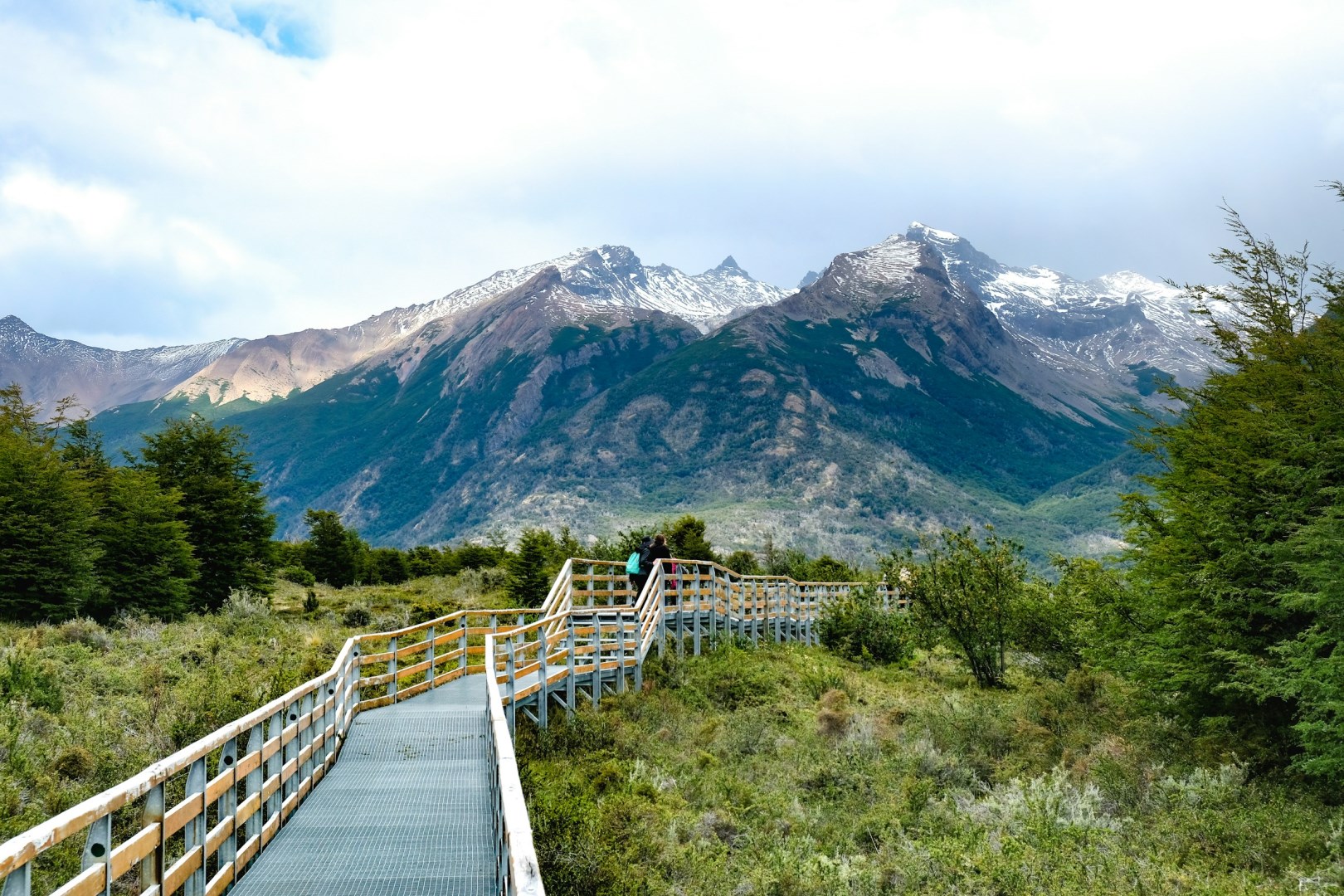
Los Glaciares National Park
Los Glaciares National Park is the largest park in Argentina. It's located in the Austral Andes, southwest of Santa Cruz, on the border of Chile. With stunning views of glaciers, lakes, and mountains, it's no surprise that Los Glaciares National Park is included on the bucket list of so many.
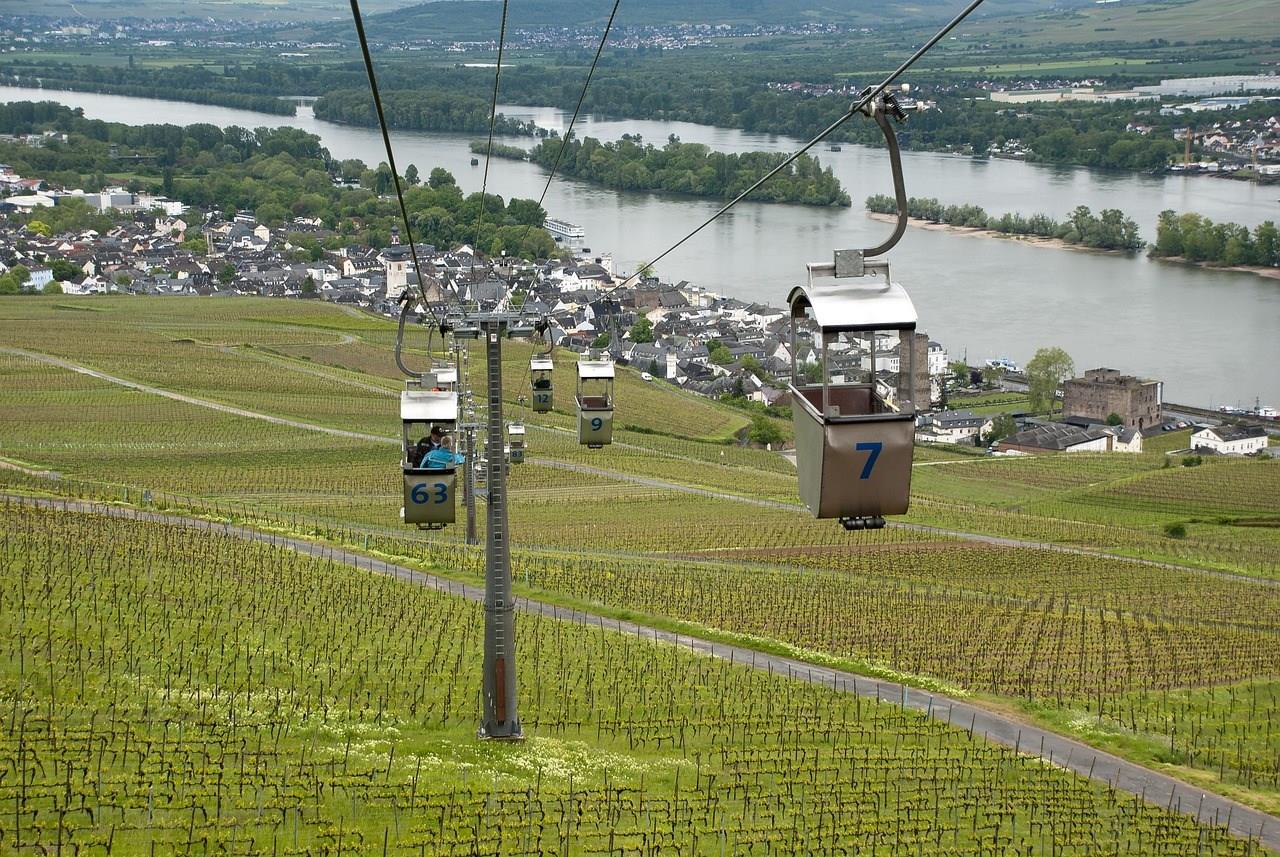
Rüdesheim
This city in the Rhine Gorge is known for its winemaking, dramatic landscapes and 15-minute cable car ride to the Niederwald Monument (celebrating the German victory over France in 1871).