Illinois
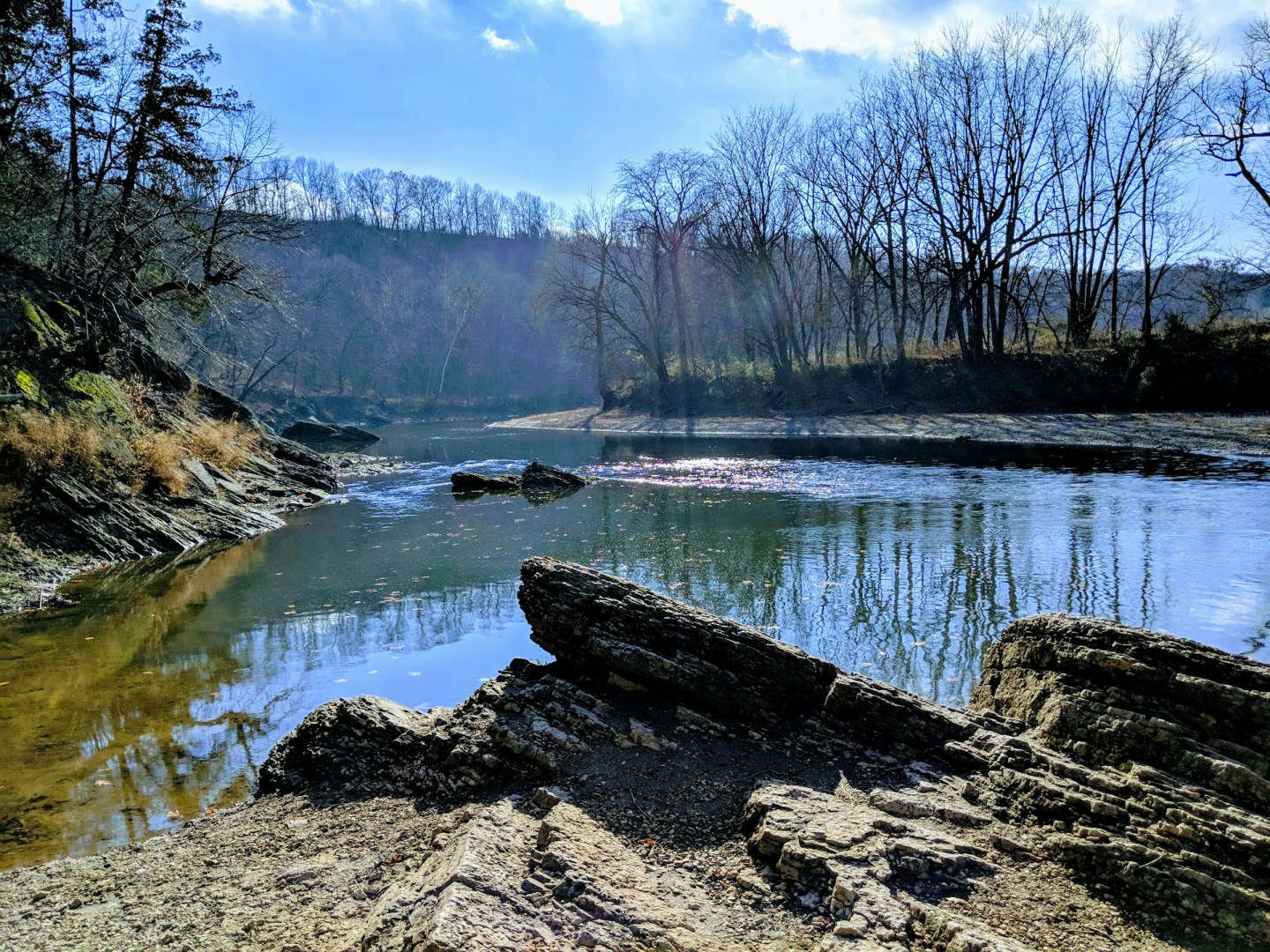
Illinois, a state known for its rich history and diverse attractions, offers a wealth of experiences for visitors. Chicago, its largest city, is a dynamic hub of culture and innovation. The iconic Millennium Park features the striking Cloud Gate sculpture, affectionately known as "The Bean," which reflects the city skyline in a captivating way. Just a short walk away, the Art Institute of Chicago houses an impressive collection of artworks, including Grant Wood’s famous “American Gothic”.
Kanchanaburi
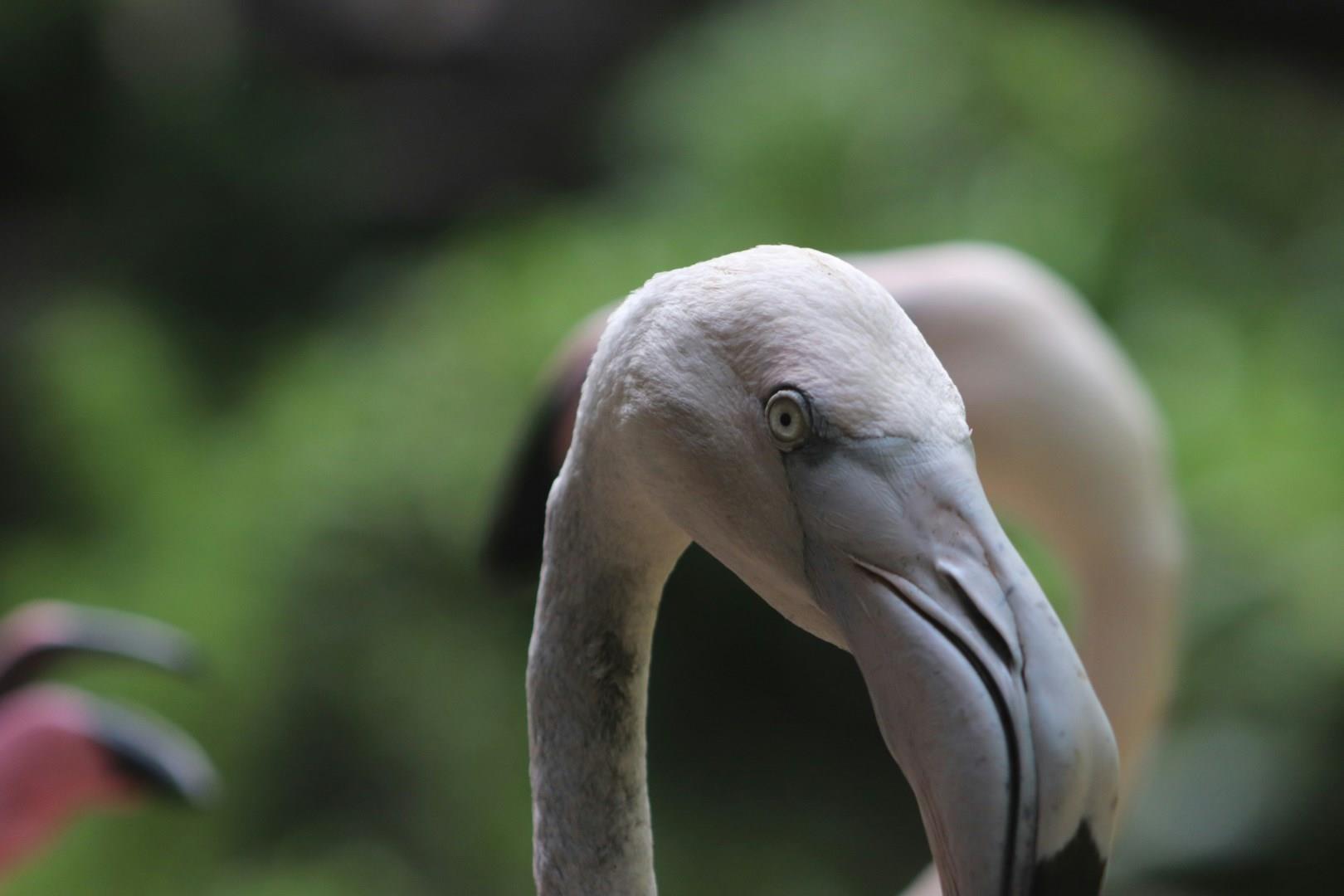
Kanchanaburi, a province in western Thailand, is best known for its poignant history and lush landscapes. It was here that Allied prisoners of war and Asian laborers were forced to build the infamous Death Railway during World War II, including the Bridge over the River Kwai, which remains a powerful symbol of resilience.
Hervey Bay
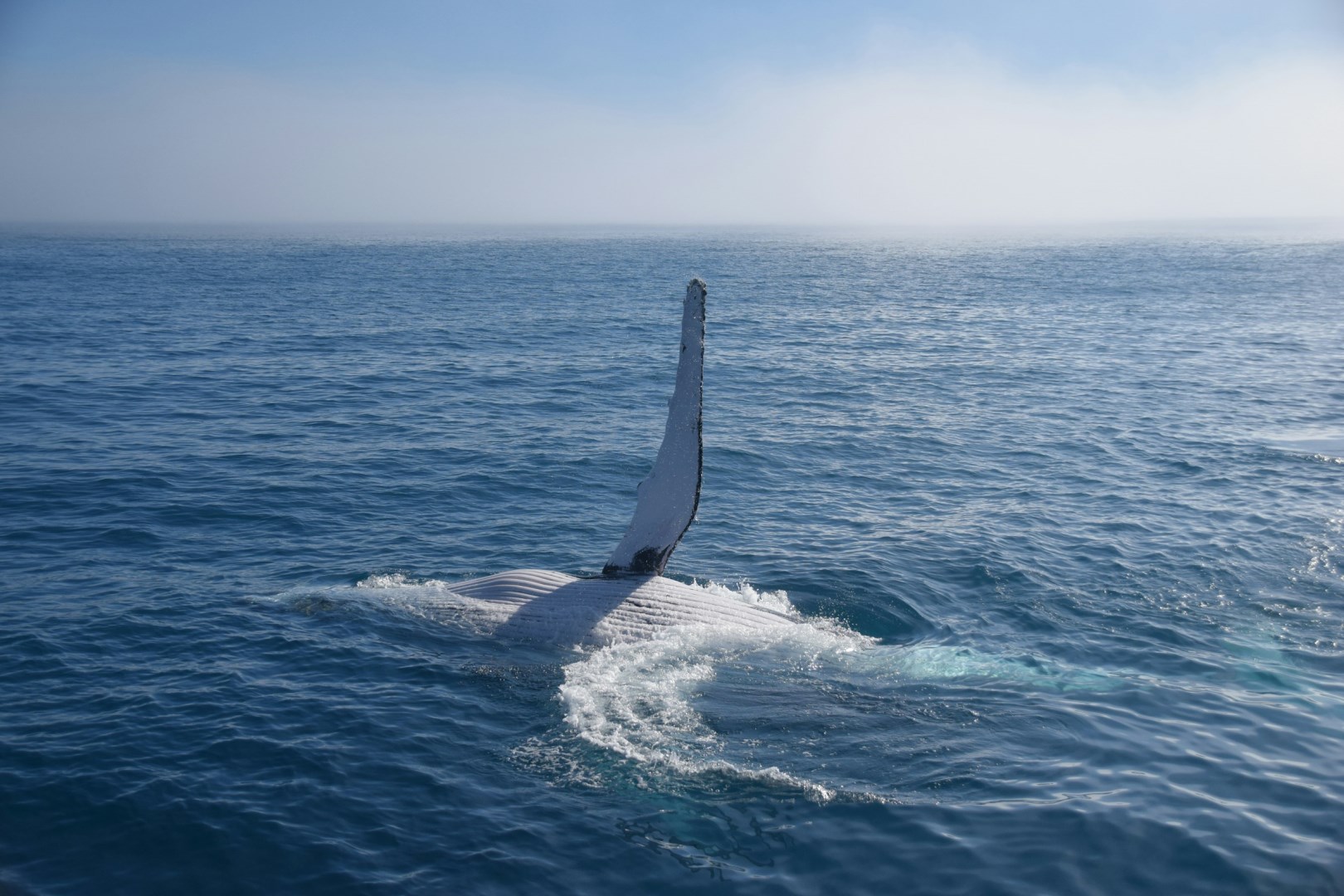
Hervey Bay, a rapidly expanding city, situated in sub tropical Queensland, is one of Australia's favorite holiday destinations. With a marvelous climate and wonderful calm water beaches ideal for swimming all year round , it is a well known aquatic playground. Whatever your needs may be: water sports tours of adjacent world heritage Fraser Island, fishing trips, coral viewing trips, diving, scenic flights, whale watching (August to October), or just relaxing, Hervey Bay is ideally situated.
Marfa
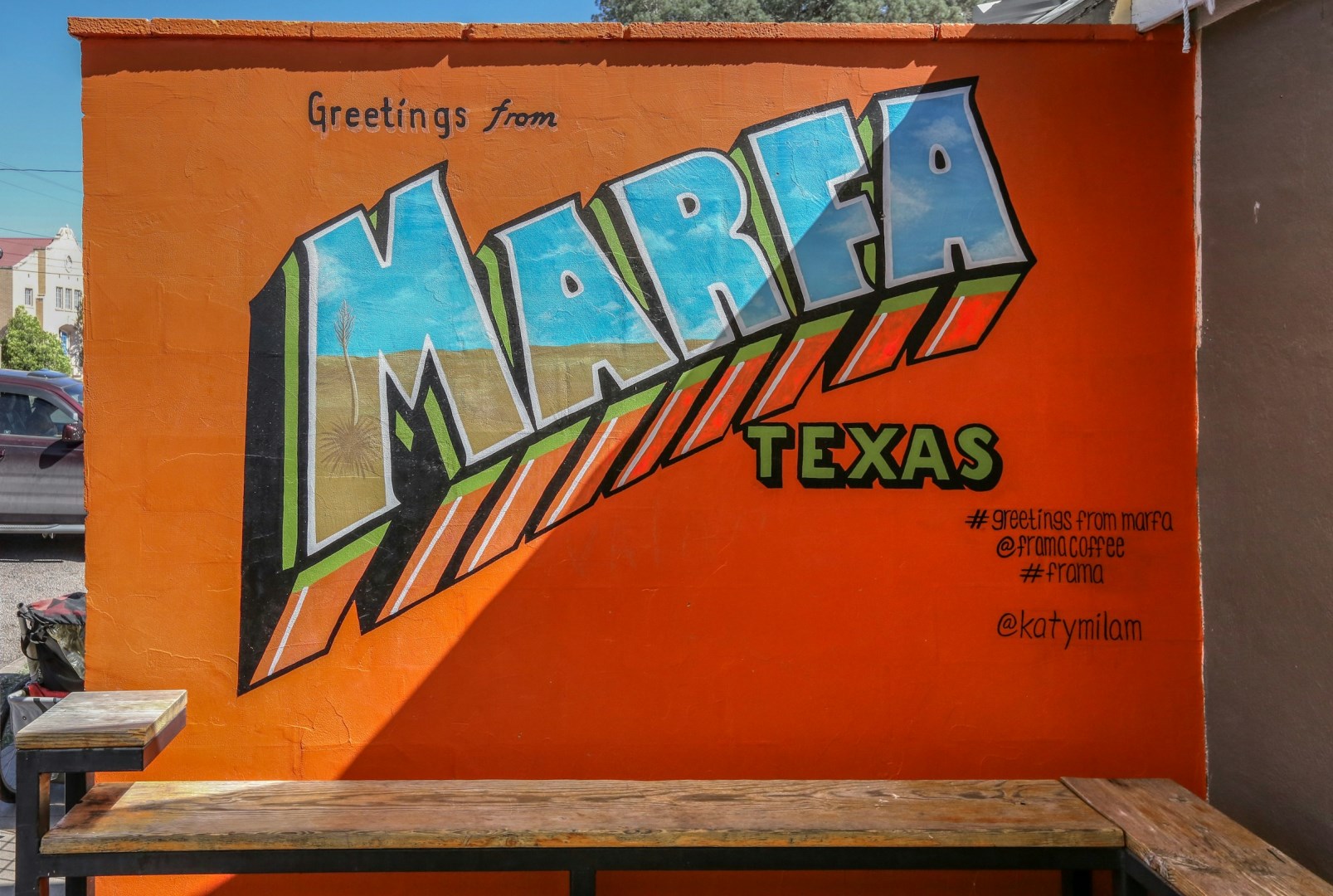
This desert city in west Texas might be small in size, but it is big in arts! As an arts hub, founded by artist Donald Judd, it features both huge outdoor, and indoor, installations on an old army base. Whether you are looking for traditional, or quirky, in your art, Marfa has it.
State College
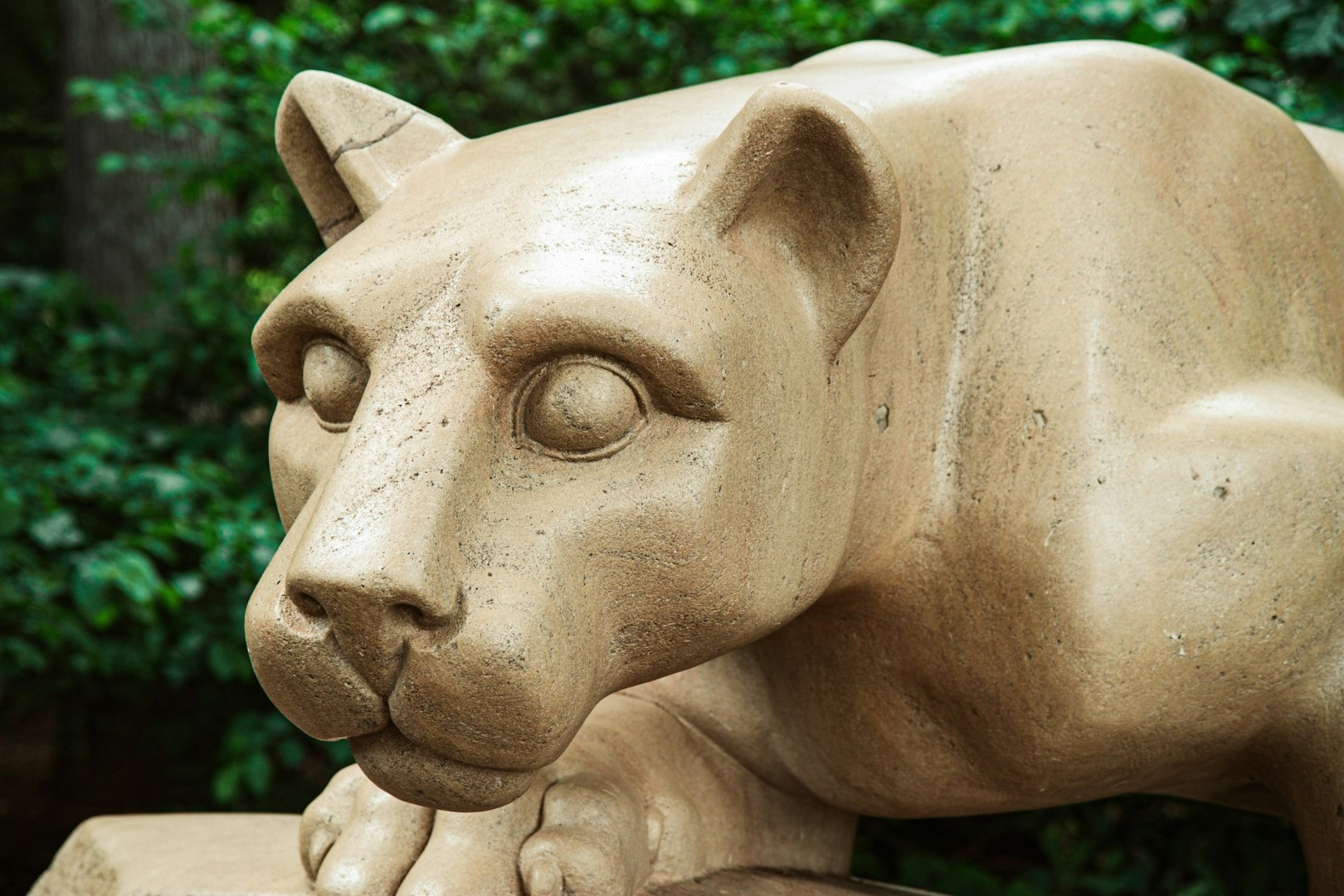
State College, borough, Centre County, central Pennsylvania, in the Nittany Valley; incorporated 1896. Situated in a fertile farm area, it is chiefly residential and has research and development firms producing electrical and electronic equipment, ceramic chips, and computer soft-ware. Other products include printed materials and chemicals. The Christopher Columbus family chapel, moved from Spain in 1919, is locat-ed nearby. The community, settled in 1859, is named for Pennsylvania State College