Svalbard
This mountainous archipelago offers magnificent views of stark white glaciers and snowfields, which cover a vast stretch of the region. Arctic flora and fauna fascinate; catch a glimpse of polar bears, reindeer, arctic foxes, and walruses amongst the mossy tundra and icy coasts. In the summer, visitors will witness the rare splendor of Svalbard’s midnight sun.
Roscommon
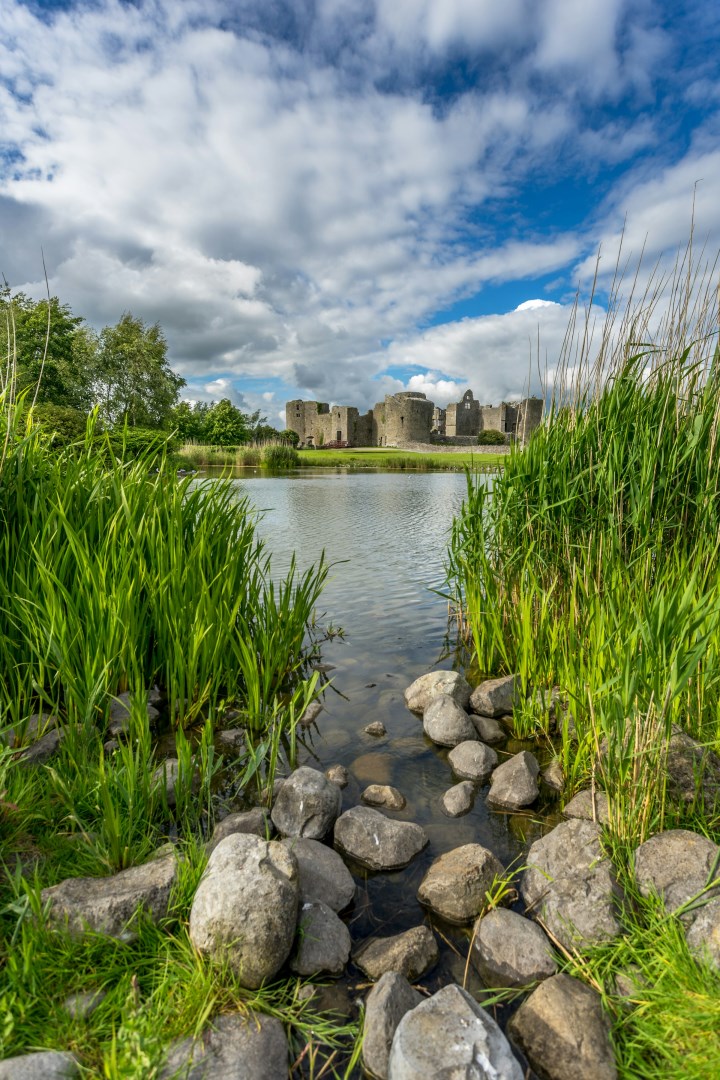
Roscommon is a county town in Ireland’s Hidden Heartlands, surrounded by the rural landscapes of central Ireland. The town is known for its collection of historic buildings and its position within a wider countryside of lakes, rivers, woodland, and farmland. Roscommon Castle, a substantial medieval fortress, stands beside Loughnaneane Park, while Roscommon Abbey and the former gaol add further layers to the town’s architectural heritage.

Monastir
Monastir, a coastal gem in Tunisia, offers a perfect blend of history, culture, and sun-soaked relaxation. Overlooking the azure waters of the Mediterranean Sea, the city is famous for its majestic Ribat, a well-preserved Islamic fortress dating back to 796 AD. This imposing structure, used historically to defend against Byzantine and European invaders, offers visitors panoramic views of the coastline and the city below.
Cox's Bazar
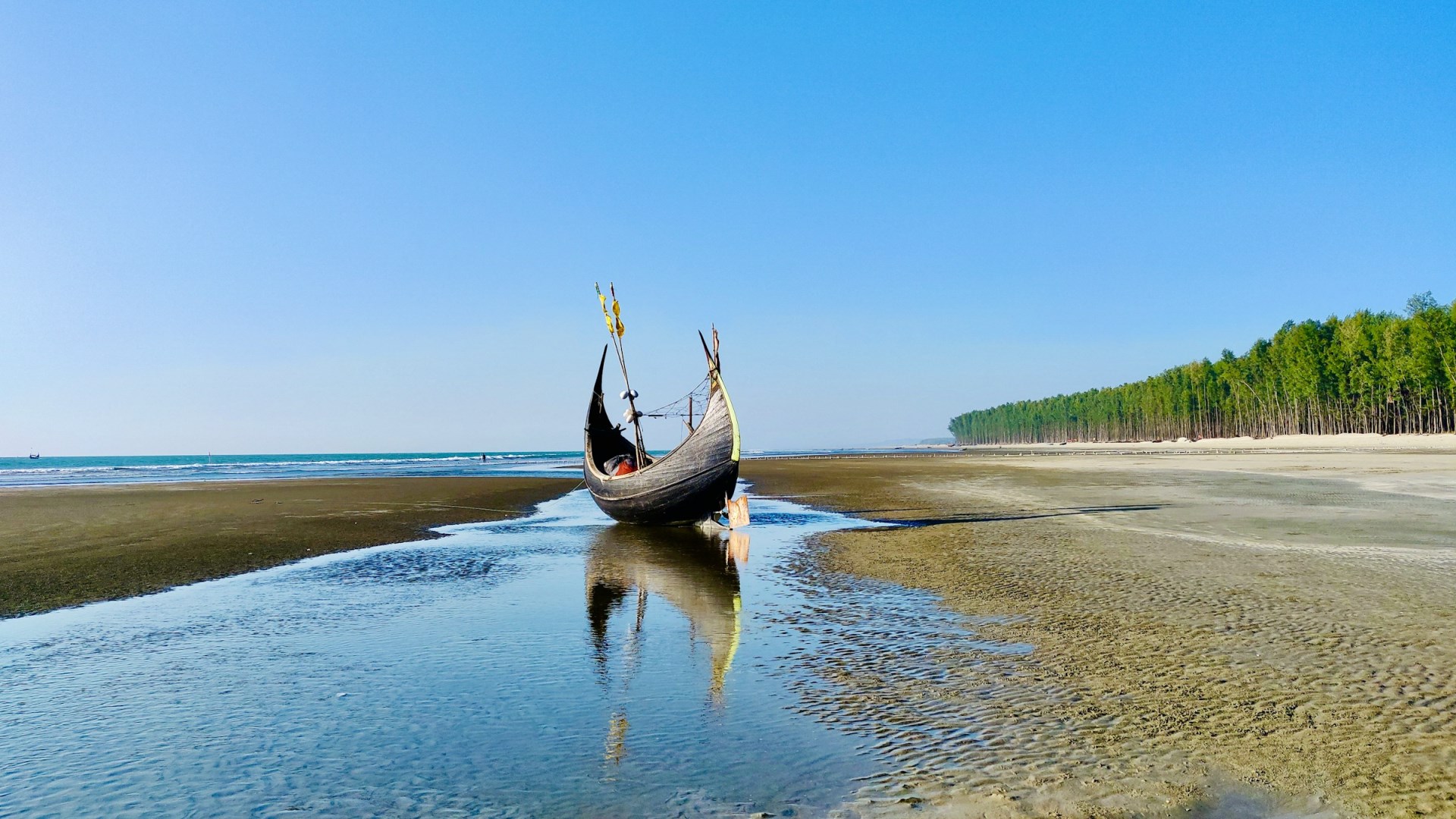
Cox’s Bazar is a coastal city in southeastern Bangladesh, known for its exceptionally long stretch of natural sandy shoreline along the Bay of Bengal. The city functions as a fishing port, tourism center, and regional commercial hub, with the beach extending through a series of coastal communities. Its setting combines open sea, sandy flats, low hills, and nearby forests, while fishing boats and seafood markets remain part of everyday life. The coastline is the main focus of the city, supporting
Elafonisi
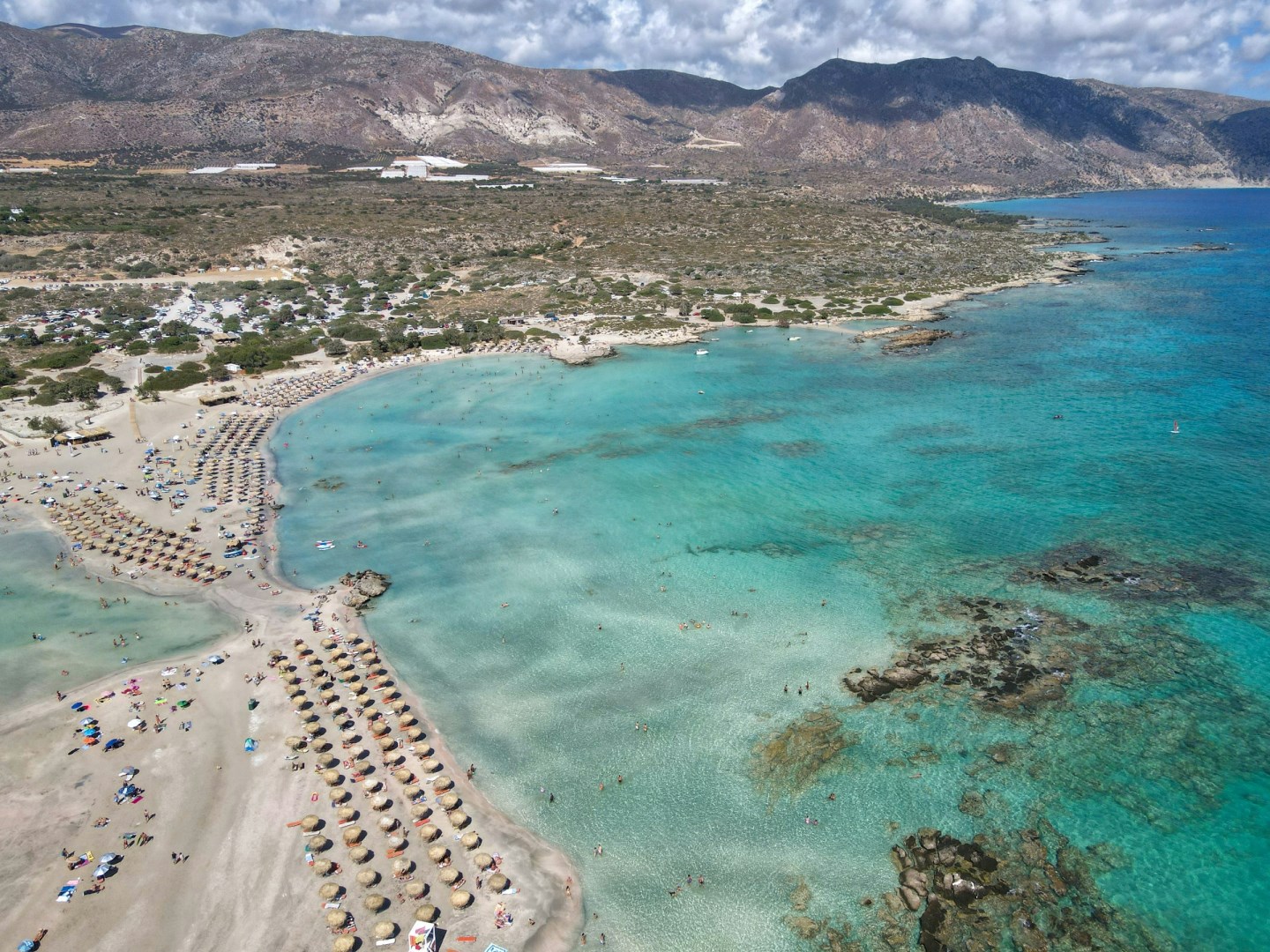
Elafonisi is a coastal area in southwestern Crete, known for a shallow lagoon, pale sand mixed with pink shell fragments, and a narrow sandy crossing to a small offshore island. The beach lies within a protected Natura 2000 landscape that supports sea lilies, rare plants, seabirds, and other wildlife.