Saltillo
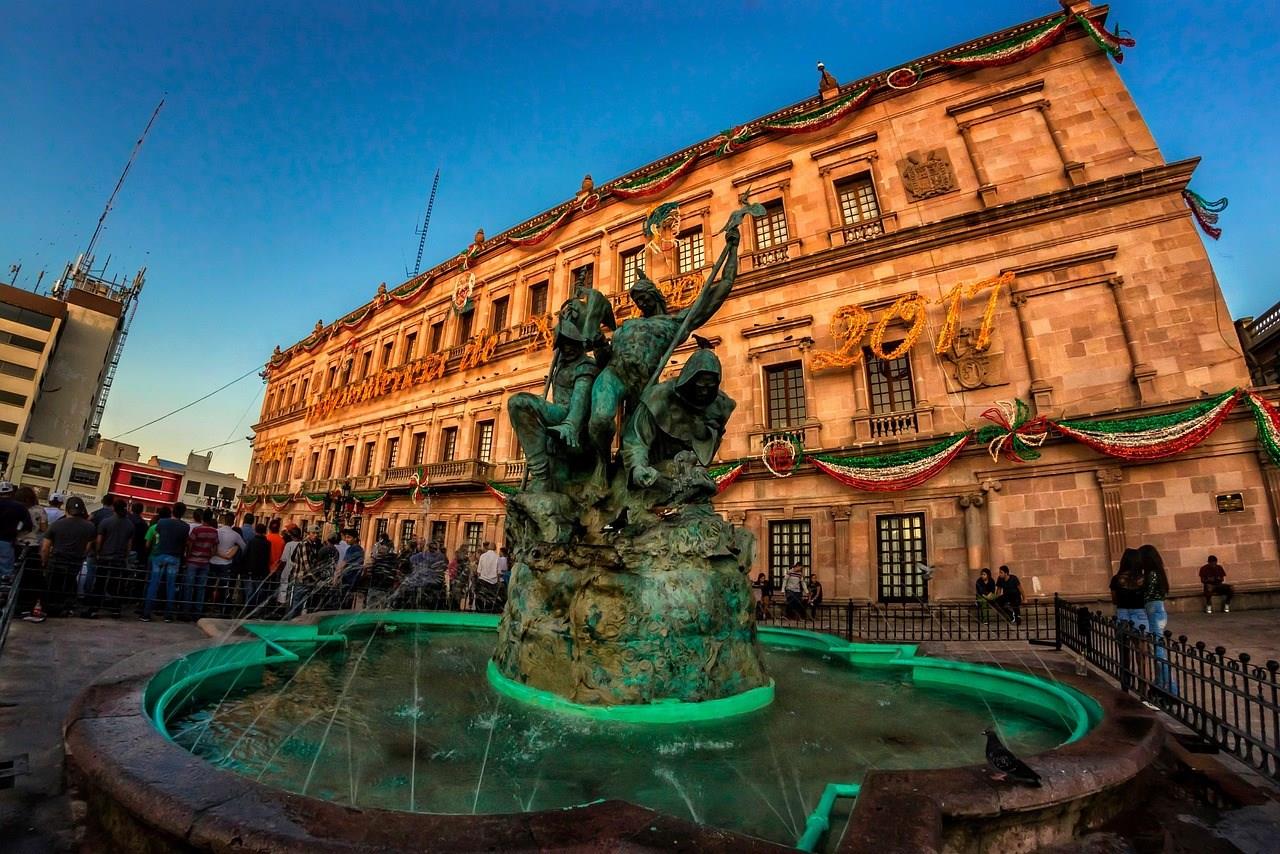
Saltillo, the capital of Coahuila, blends centuries of tradition with a quiet confidence that rewards travelers looking for something different. Founded in 1577, the city’s colonial heritage is on full display in its well-preserved downtown, where the Catedral de Santiago towers above Plaza de Armas. Just steps away, the Alameda Zaragoza park offers shaded paths and fountains, providing a peaceful break between stops at nearby museums.

Canberra
Canberra, the capital city of Australia, is a hidden gem that often surprises travelers with its rich blend of culture, history, and natural beauty. Designed by American architects Walter Burley Griffin and Marion Mahony Griffin, Canberra is a city thoughtfully crafted around Lake Burley Griffin, which offers picturesque views and serene walks. Unlike many cities, it is home to a vast population of kangaroos, which are often spotted hopping around suburban areas and parklands.
Elafonisi
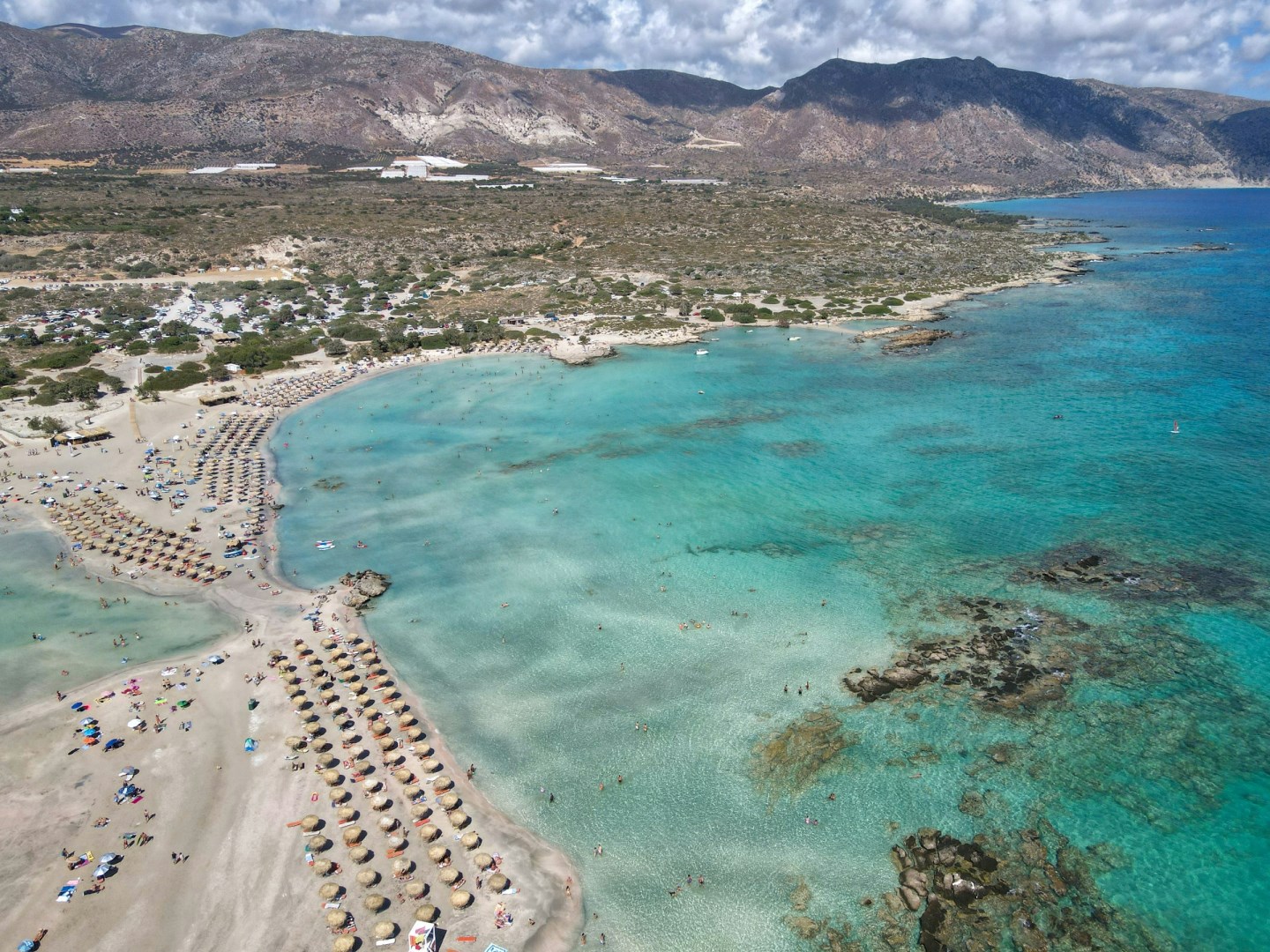
Elafonisi is a coastal area in southwestern Crete, known for a shallow lagoon, pale sand mixed with pink shell fragments, and a narrow sandy crossing to a small offshore island. The beach lies within a protected Natura 2000 landscape that supports sea lilies, rare plants, seabirds, and other wildlife.
Boca Tapada
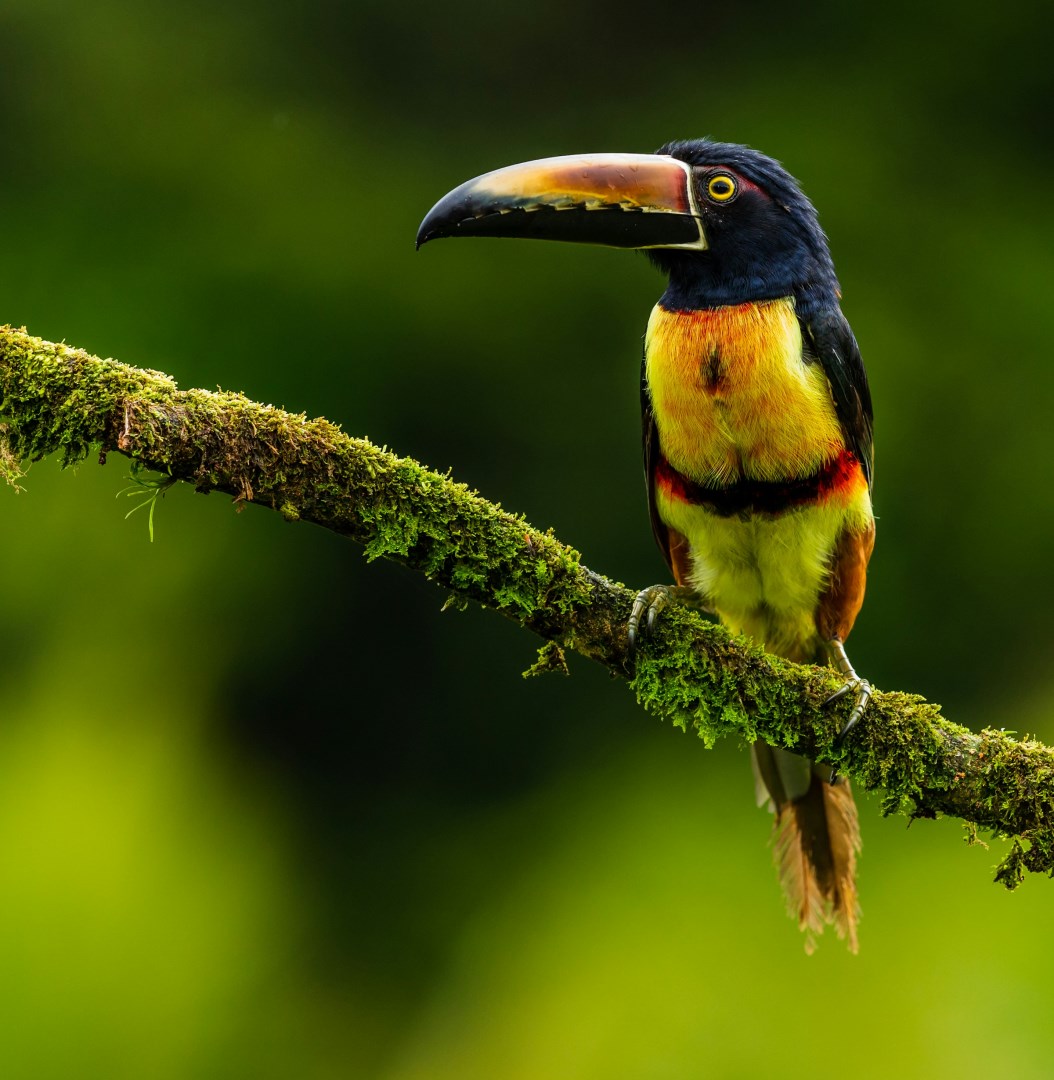
Boca Tapada is a remote rural community in northern Costa Rica, close to the San Carlos River and the border with Nicaragua. The area is surrounded by lowland rainforest, wetlands, rivers, and agricultural land, creating a landscape with a strong connection to water and forest. Boca Tapada is best known for its location near Maquenque National Wildlife Refuge, an important protected area in the northern plains.
Remich
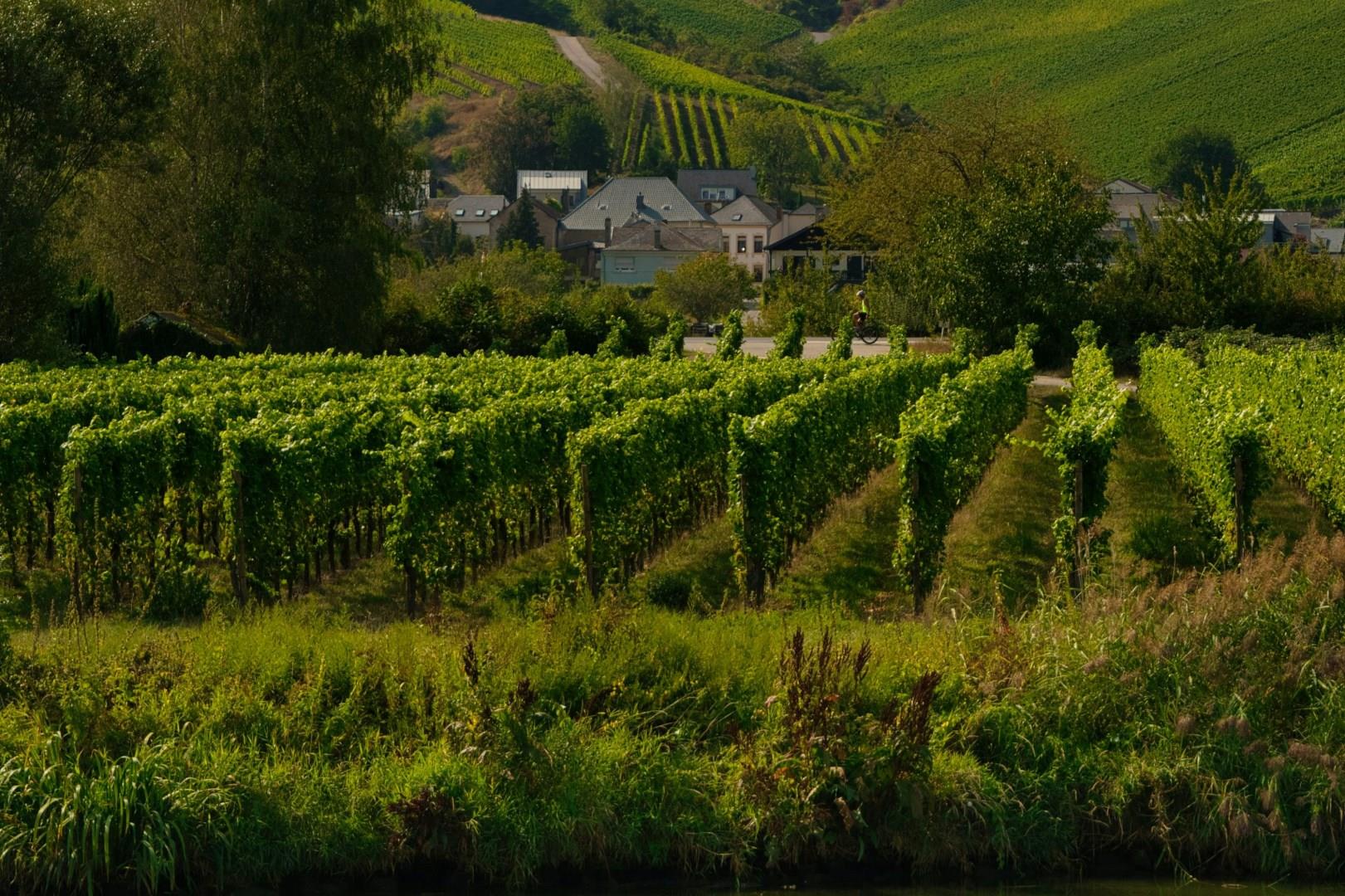
Remich, often referred to as the “Pearl of the Moselle,” is a captivating town nestled along the Moselle River in Luxembourg. This riverside gem is known for its historic vineyards that have shaped the region’s culture for centuries. Visitors can stroll along the river promenade, enjoying views of the gently flowing water framed by rolling hills covered in vineyards that produce some of Luxembourg’s finest wines.