Estes Park
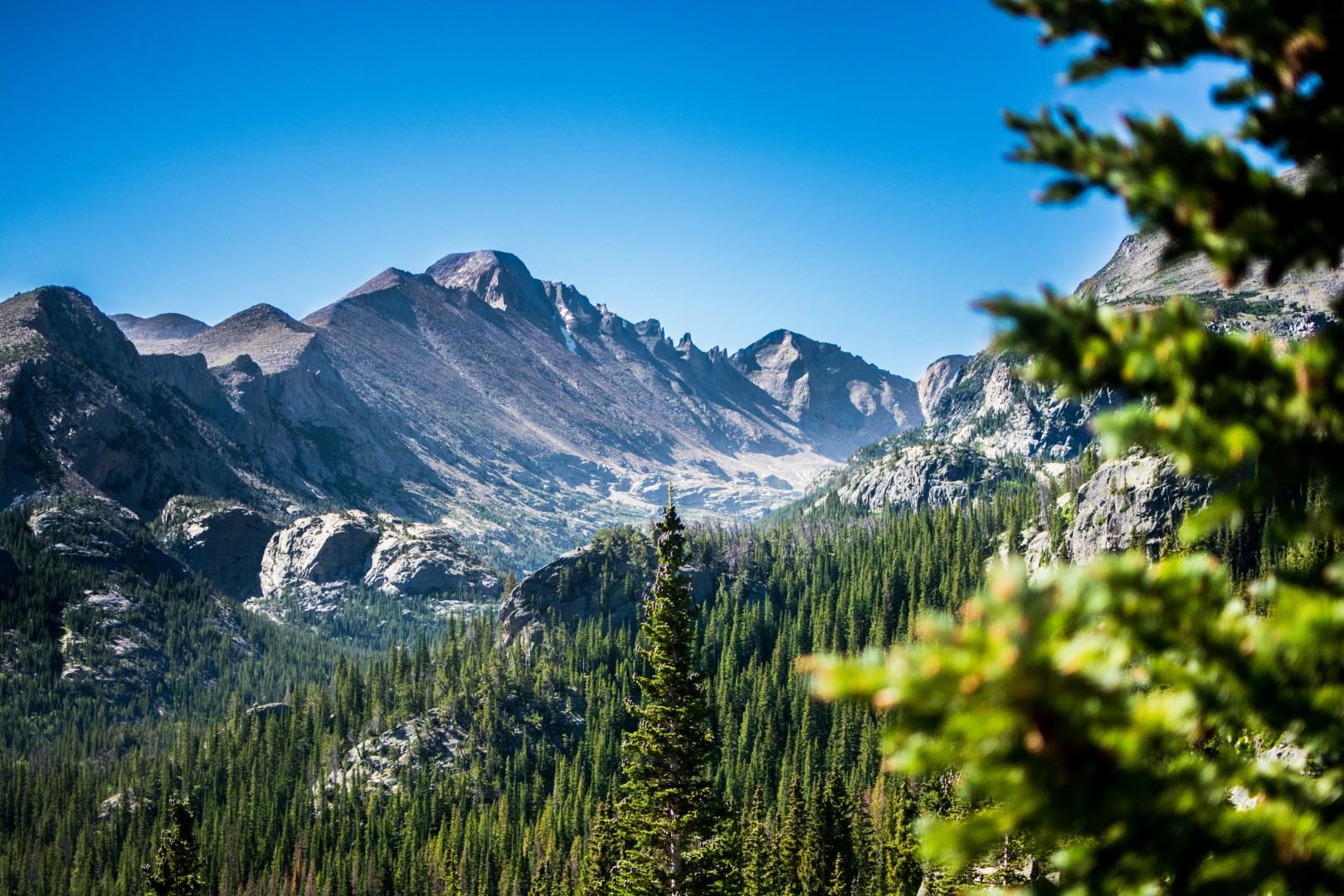
Estes Park, Colorado, is a picturesque mountain town nestled at the entrance of Rocky Mountain National Park. Known for its stunning natural beauty, it offers visitors a perfect blend of adventure and relaxation. With over 300 miles of hiking trails, pristine alpine lakes, and breathtaking mountain vistas, Estes Park is an outdoor enthusiast’s paradise.
Joplin
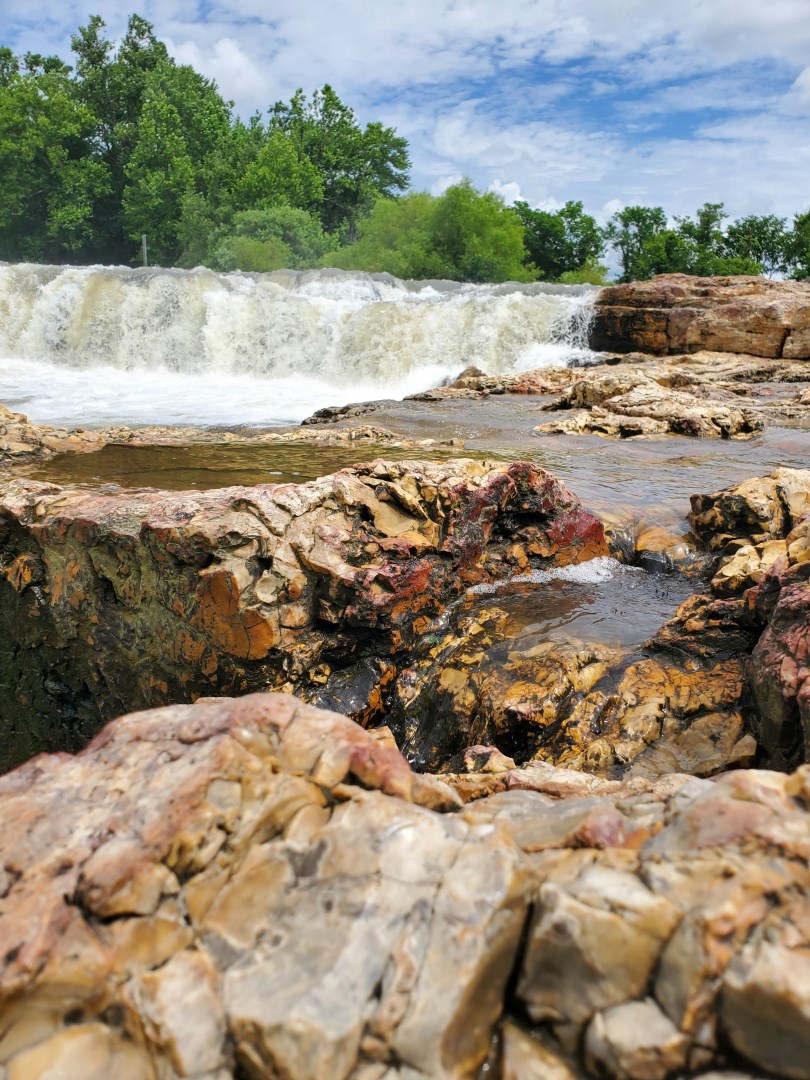
Joplin, Missouri, sits in the southwestern corner of the state within the Ozarks region, where rolling woodland, limestone formations, and waterways surround a city shaped by mining, transportation, and Route 66. Its downtown combines historic buildings, murals, independent businesses, restaurants, and cultural venues, while the Murphysburg Historic District preserves some of the community’s older residential architecture.

Spitsbergen
Spitsbergen is the largest island of Norway’s Svalbard archipelago, where the wonders of the Arctic come alive in breathtaking fashion. Known for its wild, untamed beauty, Spitsbergen offers travelers the chance to experience landscapes that are both surreal and majestic. From towering glaciers and jagged mountain peaks to expansive tundra and crystal-clear fjords, this frozen paradise is an explorer’s dream.
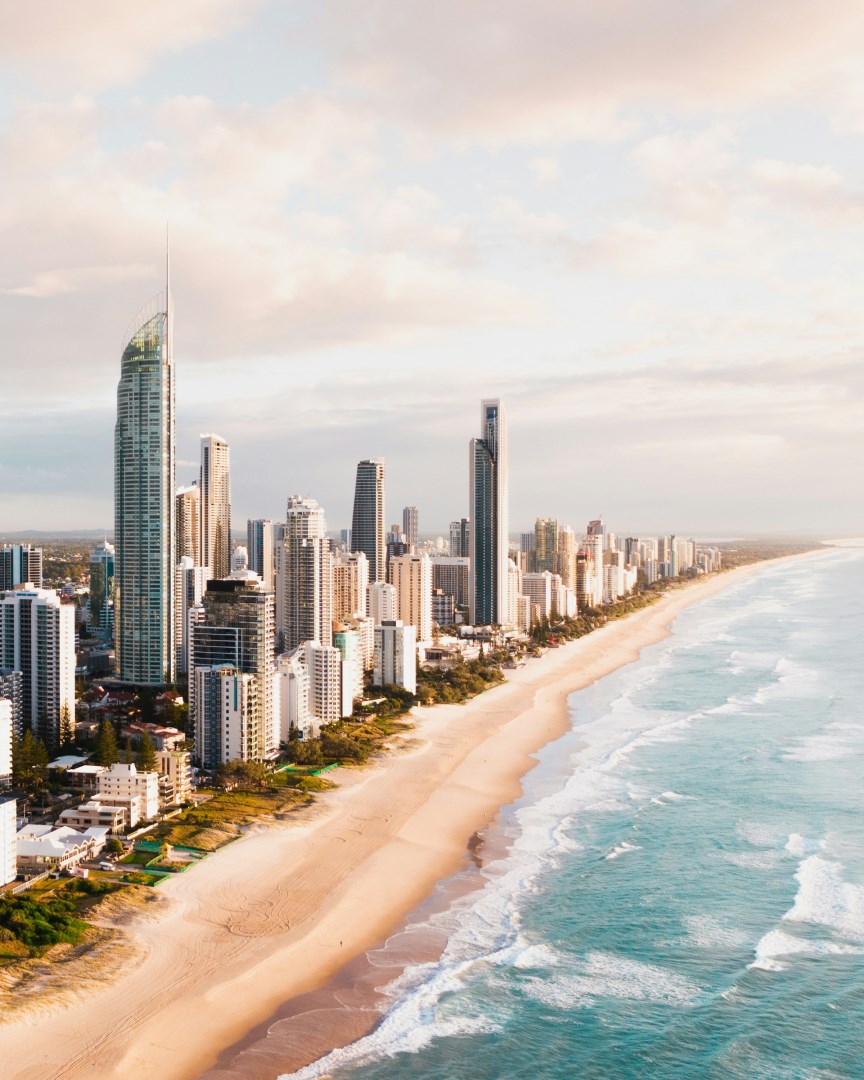
Surfers Paradise
Surfers Paradise is located along the Gold Coast. The 300 days of sunshine throughout the year make it perfect for enjoying the beach. Golfing, wildlife parks and theme parks are just a few of the many things to do.
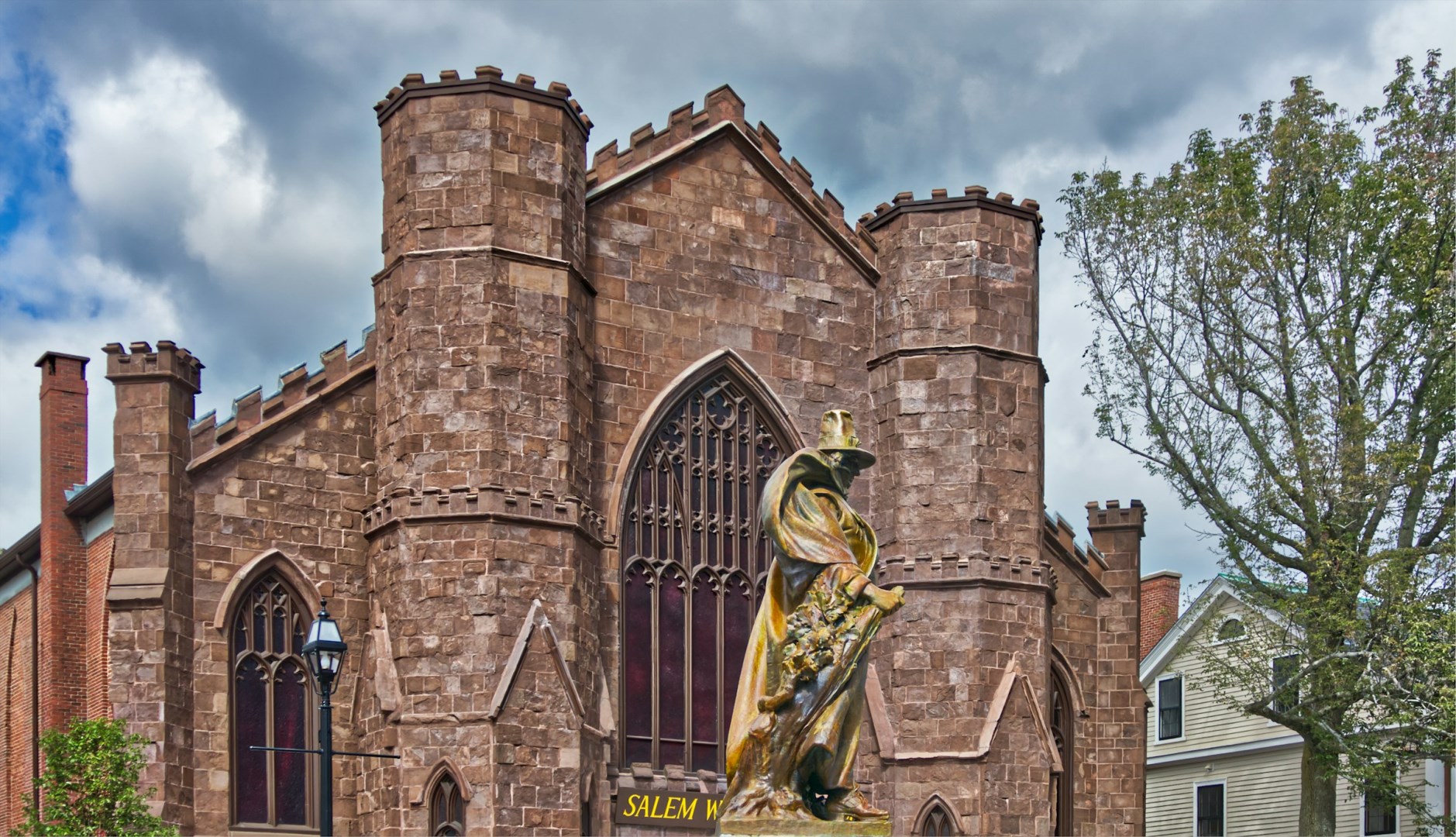
Salem
Salem is a thriving community located on Interstate 93 only 32 miles north of Boston just over the New Hampshire - Massachusetts border. It is home to major industrial firms, tax free retail outlets, recreational resources and 26,000 residents.