Dundee
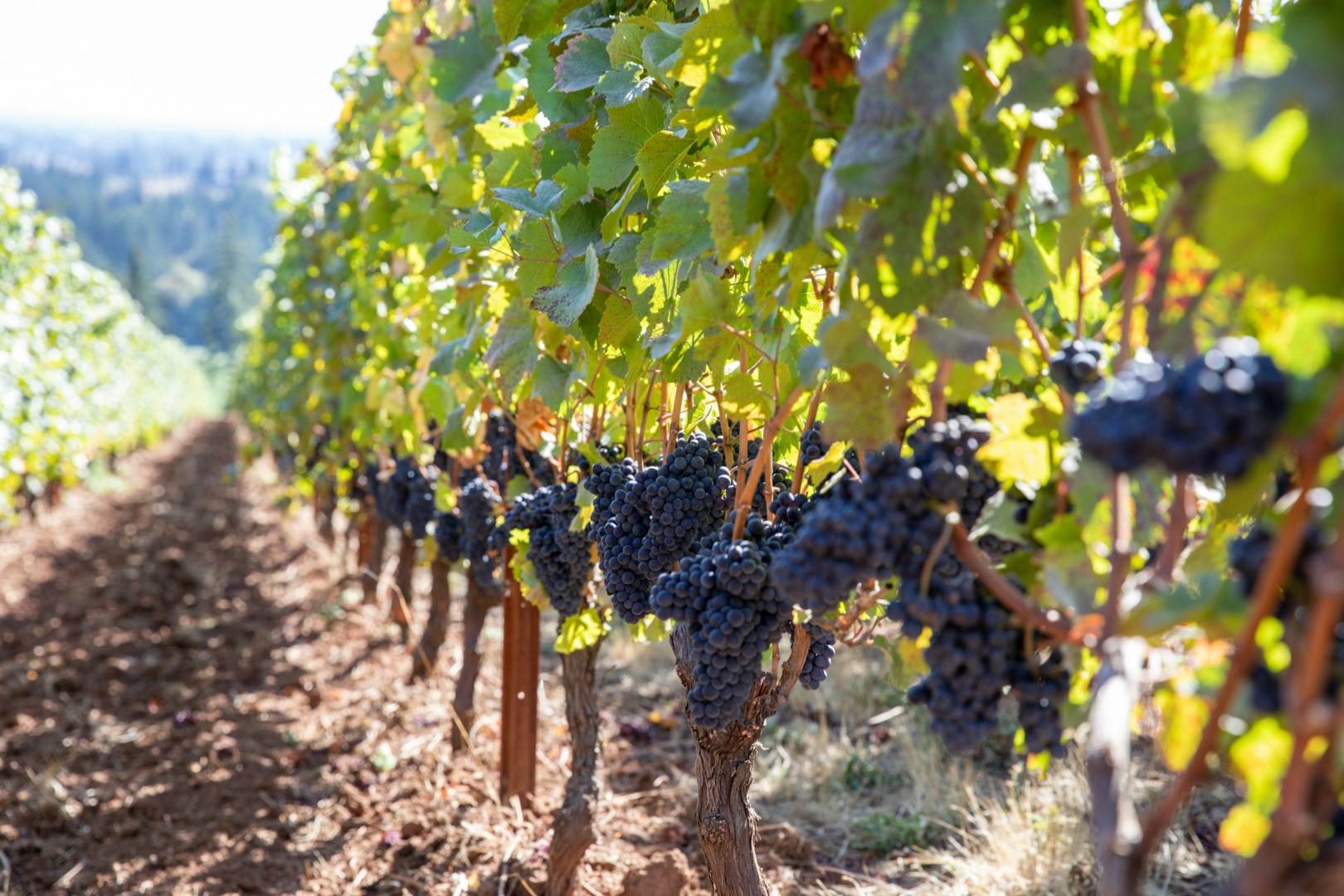
Dundee is a small city in Oregon’s Willamette Valley, surrounded by vineyards, orchards, and rolling farmland in the heart of the state’s wine country. Located southwest of Portland, the community sits along the foothills of the Chehalem Mountains and is closely associated with the Dundee Hills American Viticultural Area. Its compact center contains tasting rooms, restaurants, galleries, and locally owned businesses, while the surrounding countryside is characterized by vineyards and forested sl
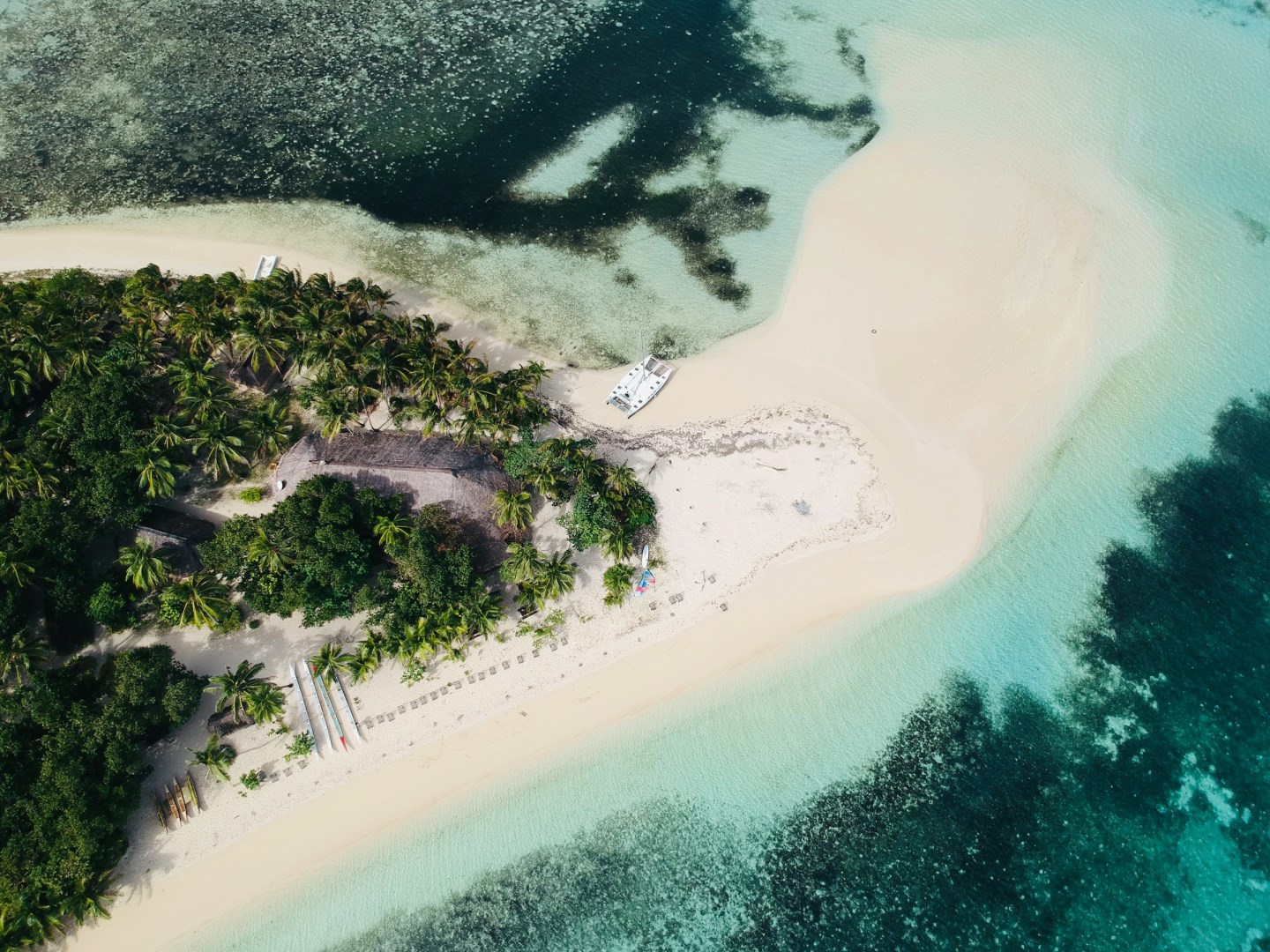
Leleuvia Island
Leleuvia Island is a small island in Fiji’s Lomaiviti group, located off the eastern coast of Viti Levu between Bau, Moturiki and Ovalau.

Cave Creek
Cave Creek is a town in Maricopa County, Arizona, located north of Phoenix at the edge of the Sonoran Desert. The community sits among desert hills and washes, with views toward the nearby Black Mountains and the broader Sonoran Desert landscape. Cave Creek retains a western character through its low-density development, equestrian properties, and locally oriented businesses.

Děčín
Děčín, a picturesque city in the Czech Republic, is nestled on the banks of the Elbe River and surrounded by lush landscapes and dramatic rock formations. This charming destination is renowned for its rich history and stunning natural beauty. The centerpiece of Děčín’s architectural heritage is the Děčín Castle, which towers above the city and offers breathtaking views of the Elbe Valley.
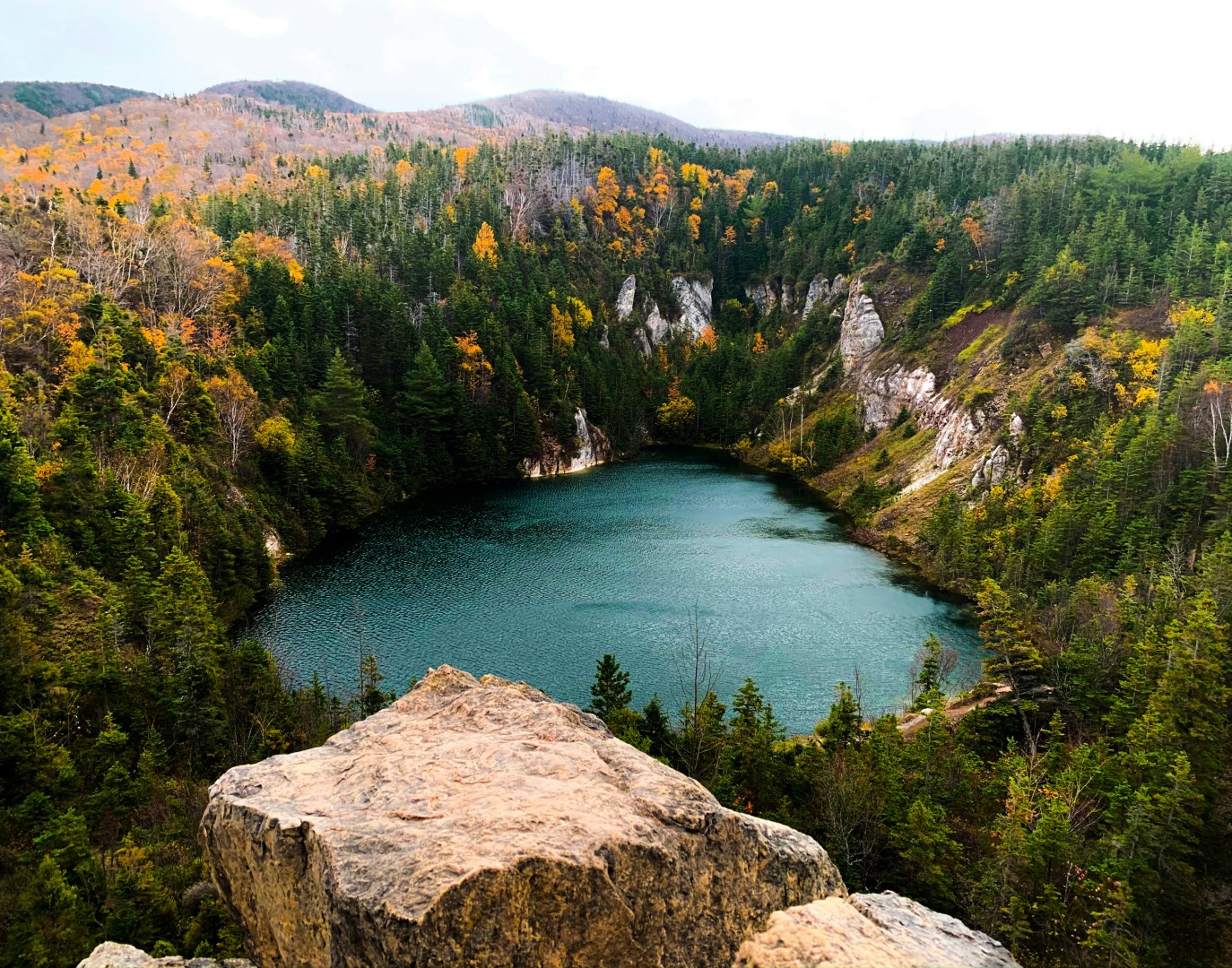
Cape Breton Island
Cape Breton Island sits off the eastern coast of Nova Scotia and welcomes visitors with rolling hills, wide waters and a calendar full of engaging experiences. In the village of Baddeck, the shores of the Bras d’Or Lake reflect early morning sun on fishing boats and sailboats alike, and nearby Kidston Island, reached by a small summer ferry, holds a historic lighthouse and a sandy beach that invites relaxed afternoons by the water.