Sossusvlei
Sossusvlei, located in the heart of the Namib Desert in Namibia, is a breathtaking destination that captivates travelers with its surreal landscapes and towering red sand dunes. The star attraction of Namib-Naukluft National Park, Sossusvlei is famous for its clay pans surrounded by some of the highest sand dunes in the world, some reaching heights of over 300 meters.
Newark
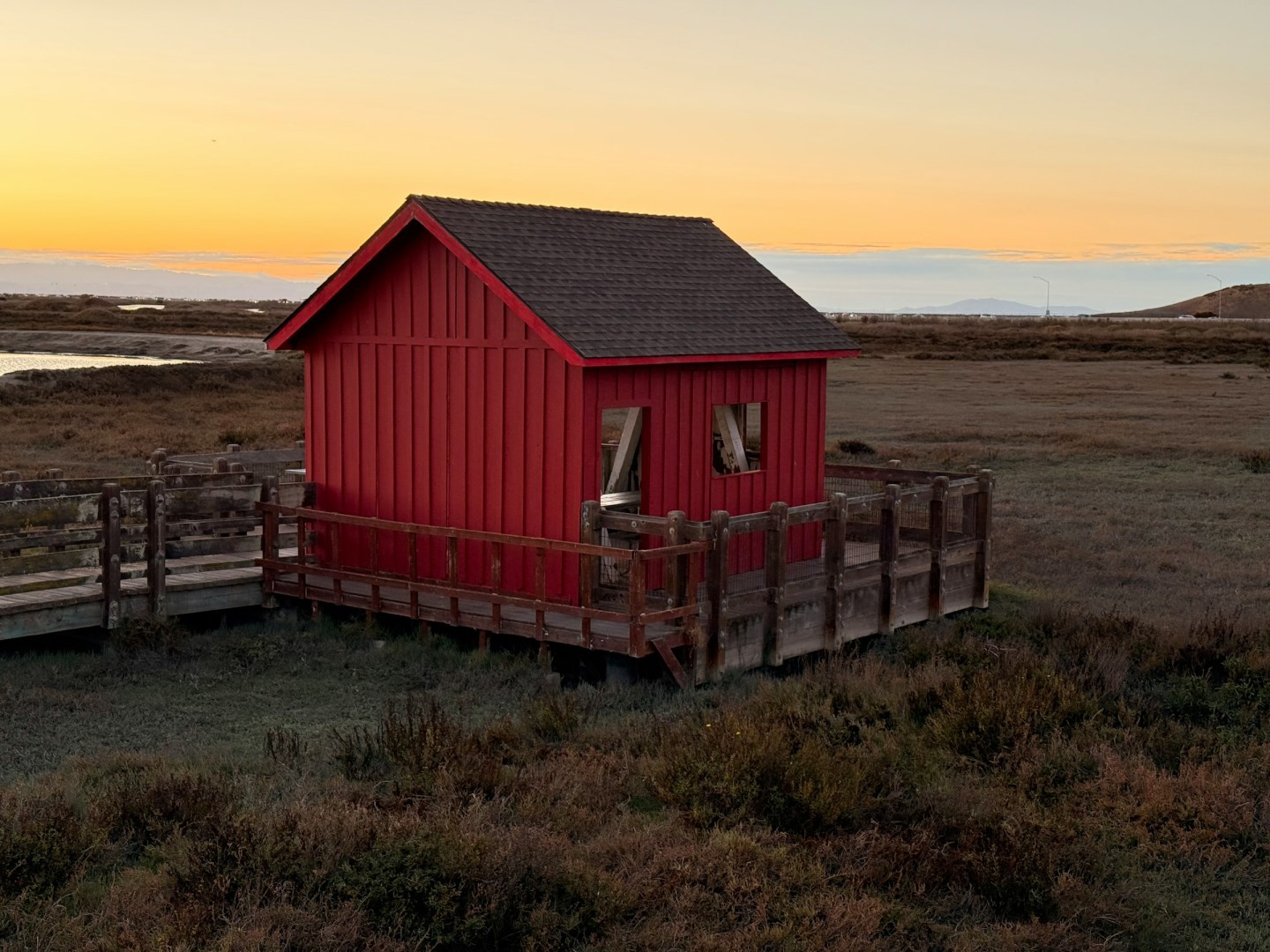
The City of Newark, located on the east side of the San Francisco Bay, is a diverse, well-balanced "home town." While part of one of the most dynamic urban areas in the world, with San Francisco and San Jose only 30-45 minutes away, Newark has a strong and proud spirit rooted in community values. The weather is great and our location can't be beat!
Côa Valley
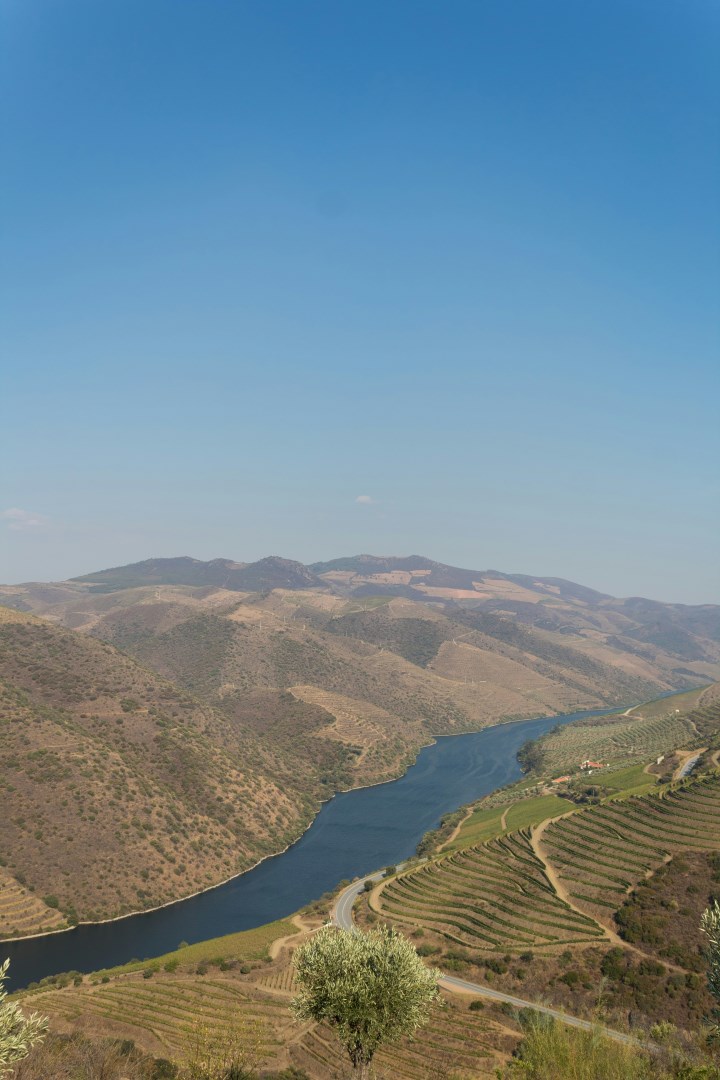
Coa Valley lies in northeastern Portugal near the Douro River, in a landscape shaped by steep hills, schist cliffs, vineyards, olive groves, and almond trees. The area is best known for its open-air prehistoric rock engravings, spread across the banks of the Coa River and protected as a UNESCO World Heritage Site.

Brecon Beacons
The Brecon Beacons, officially known as Bannau Brycheiniog, rise through south-central Wales as a landscape shaped by myth, grazing, and long human presence.
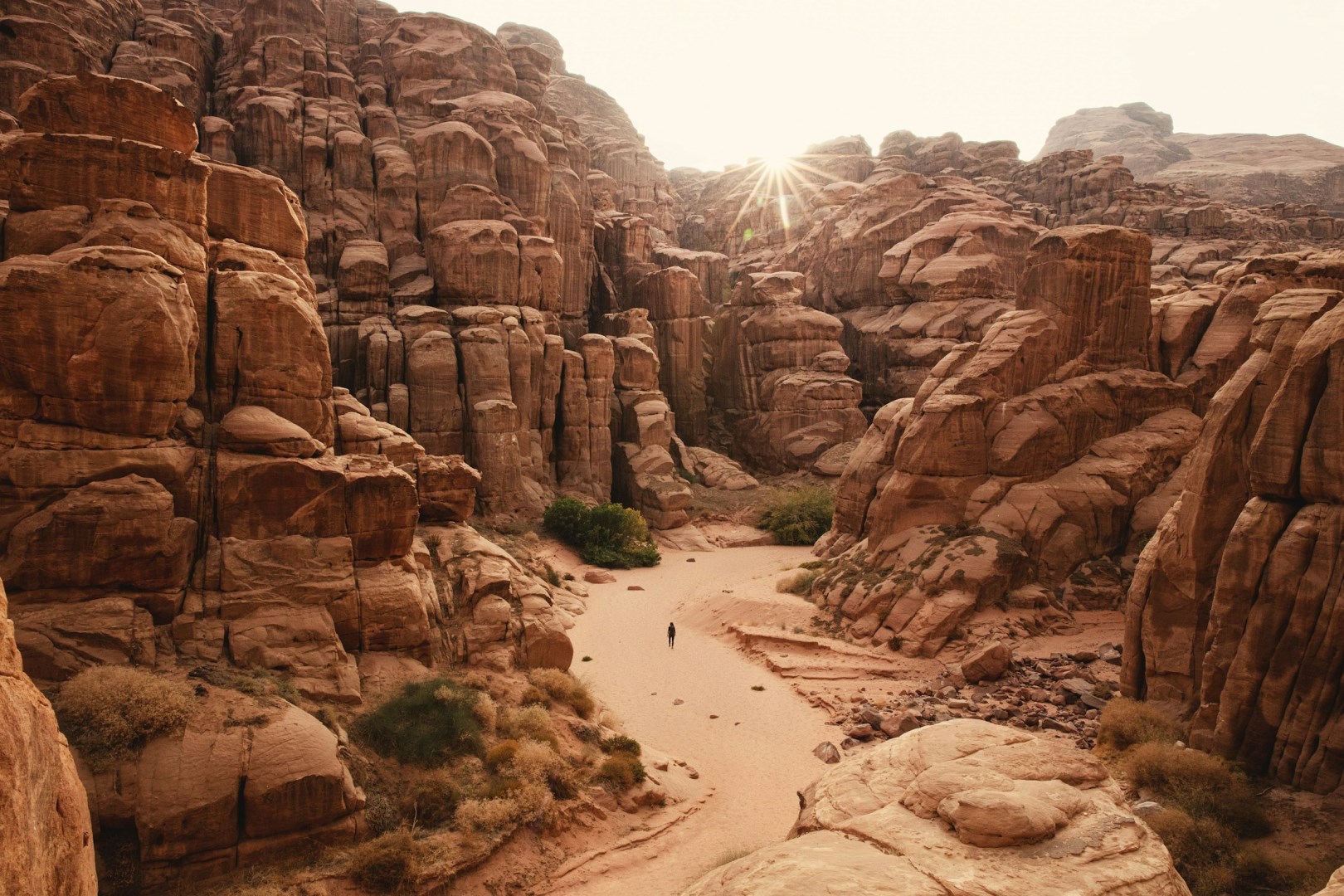
NEOM
NEOM is a large region under development in northwestern Saudi Arabia, extending across mountains, deserts, coastal plains, and Red Sea waters. It covers about 26,500 square kilometers and includes 468 kilometers of coastline, placing it near the meeting point of Asia, Africa, and Europe. Rather than being a single city, NEOM consists of several planned areas and projects, including The Line, Oxagon, Trojena, Magna, and the Islands of NEOM.