Greenock
Greenock, located on Scotland’s scenic west coast, is a town steeped in maritime and industrial history, with its historic waterfront and Victorian architecture offering a glimpse into its prosperous past. Once a shipbuilding powerhouse, the town’s legacy is visible in landmarks like James Watt Dock and the Old West Kirk, while the nearby Greenock Cut offers a peaceful escape for walking and cycling, framed by stunning views of rolling hills and the River Clyde.

Glastonbury
Glastonbury, a town in Somerset, England, is steeped in mysticism and historical allure. Known for its rich Arthurian legends and spiritual significance, Glastonbury is a must-visit for those fascinated by mythology and history. The town’s centerpiece is the majestic Glastonbury Abbey, a grand ruin once one of the most powerful monasteries in England. Founded in the 7th century, the Abbey is famously linked to the legend of King Arthur and his supposed final resting place.
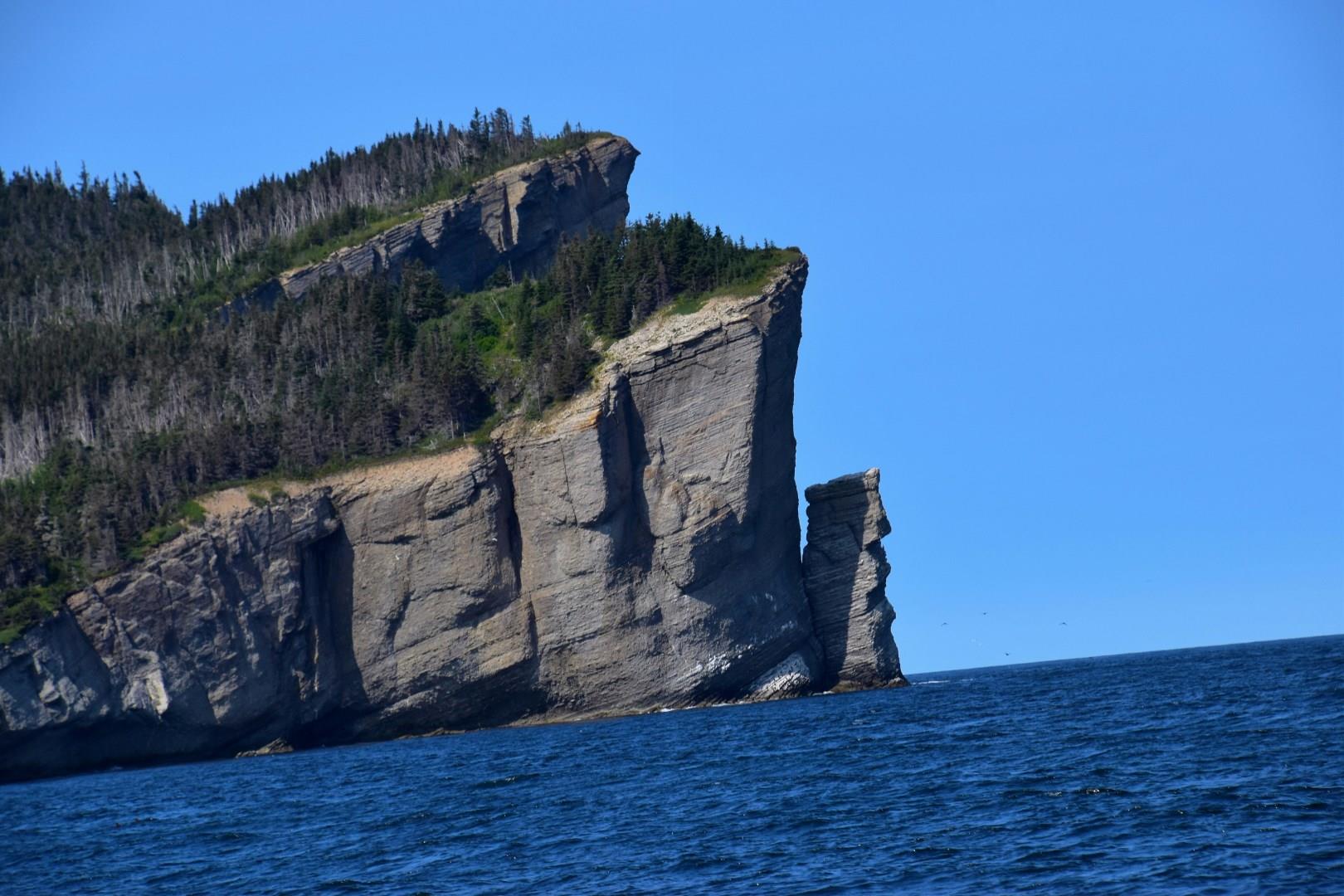
Gaspe
Gaspé sits at the eastern tip of the Gaspé Peninsula in Québec, where the St. Lawrence River opens into the Gulf and the land feels distinctly maritime.

Cyprus
In Cyprus, travelers are immersed in a culture that draws on Europe, the Middle East, and 9000 years of constant invasion. Crusader castles rub shoulders with ancient vineyards, frescoed monasteries overlook citrus orchards, and sandy, sun-soaked feet tread Roman mosaic floors.
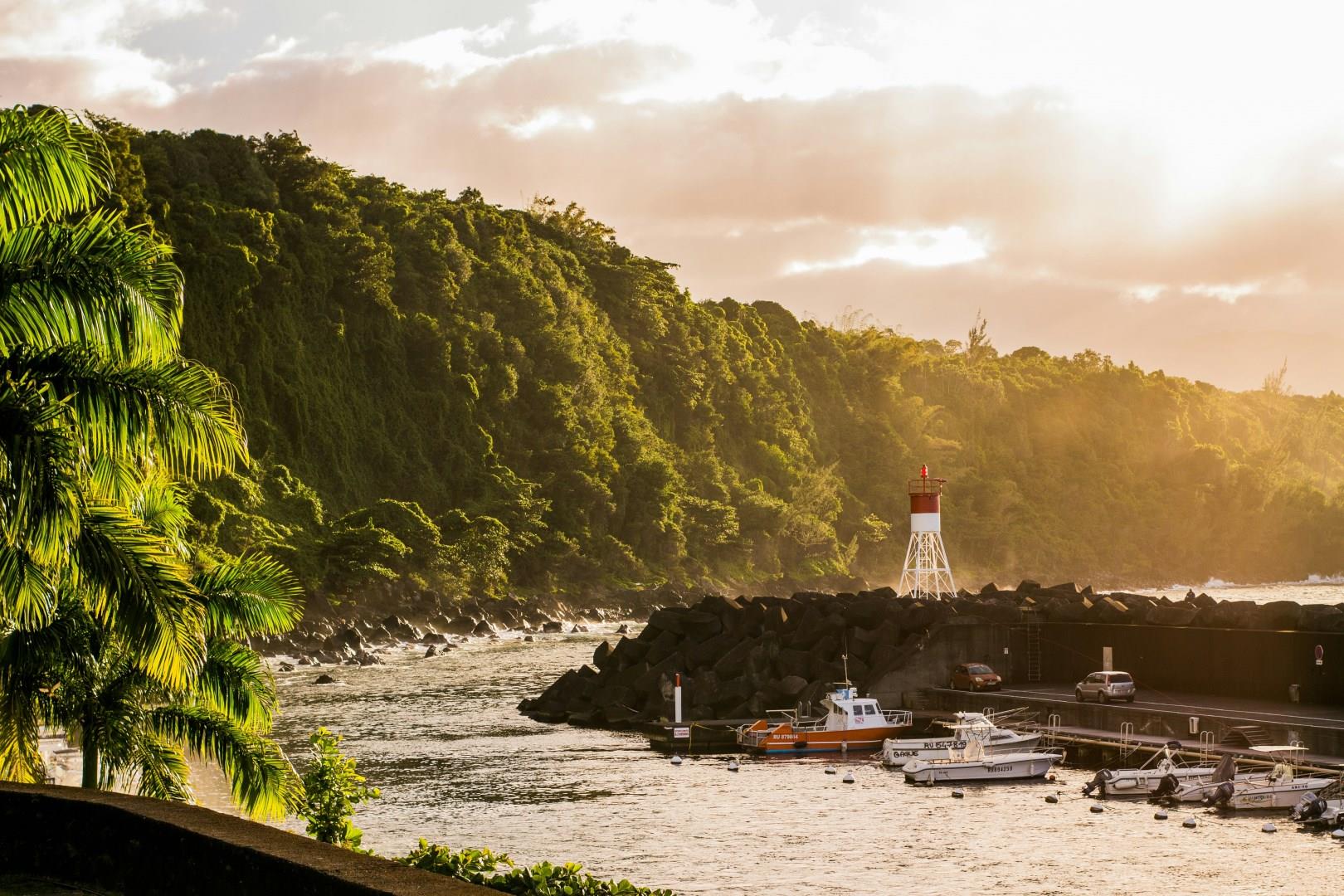
Sainte Rose
Sainte-Rose, located on the eastern coast of Réunion, is a small town where the island’s volcanic character is on full display.