Gettysburg
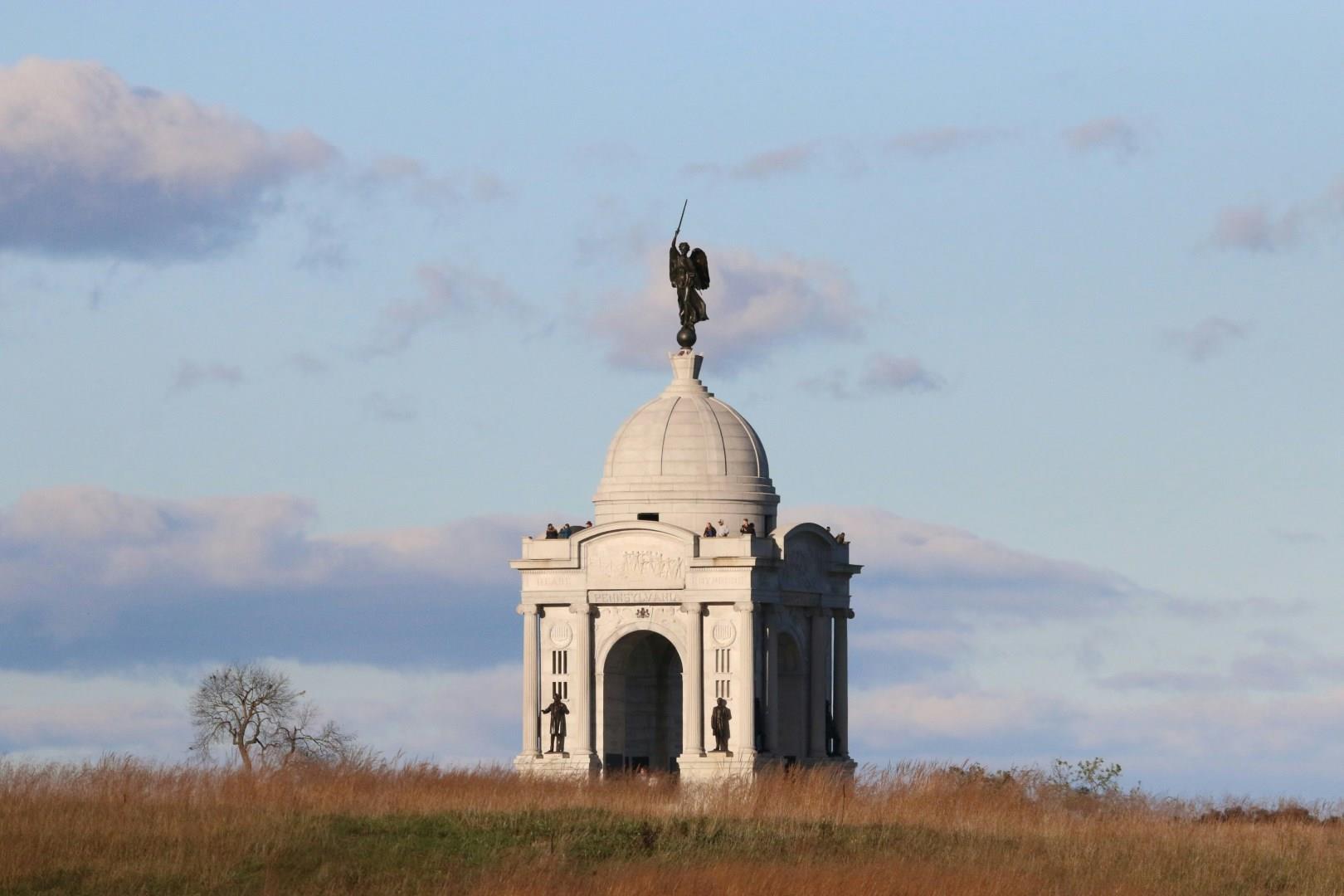
Gettysburg, Pennsylvania is best known as the site of the most significant battle of the American Civil War, fought over three days in July 1863. Today, visitors can explore the 6,000-acre Gettysburg National Military Park, which preserves the battlefield in remarkable detail. Over 1,300 monuments, cannons, and markers dot the landscape, each telling a piece of the story. One of the most visited spots is Little Round Top, where Union forces held their ground in a pivotal moment of the battle.

Gobi Desert
The Gobi Desert, spanning across northern China and southern Mongolia, is one of the world’s most iconic and mysterious landscapes. Known for its vast stretches of arid plains, towering sand dunes, and rugged mountains, the Gobi offers a stark, breathtaking beauty that has captivated explorers and travelers for centuries.

Tenerife Island
Tenerife is the largest isle of the Canary Islands archipelago. Famous for its black and yellow sand beaches as well as Mt. Teide, the dormant volcano that looms over the island.

Melbourne
A vibrant cultural center in the land “Down Under,” Melbourne, Australia will entice you with its aromatic cafés, lush nature parks, immersive museums, and dedication to the arts.
Colorado Springs
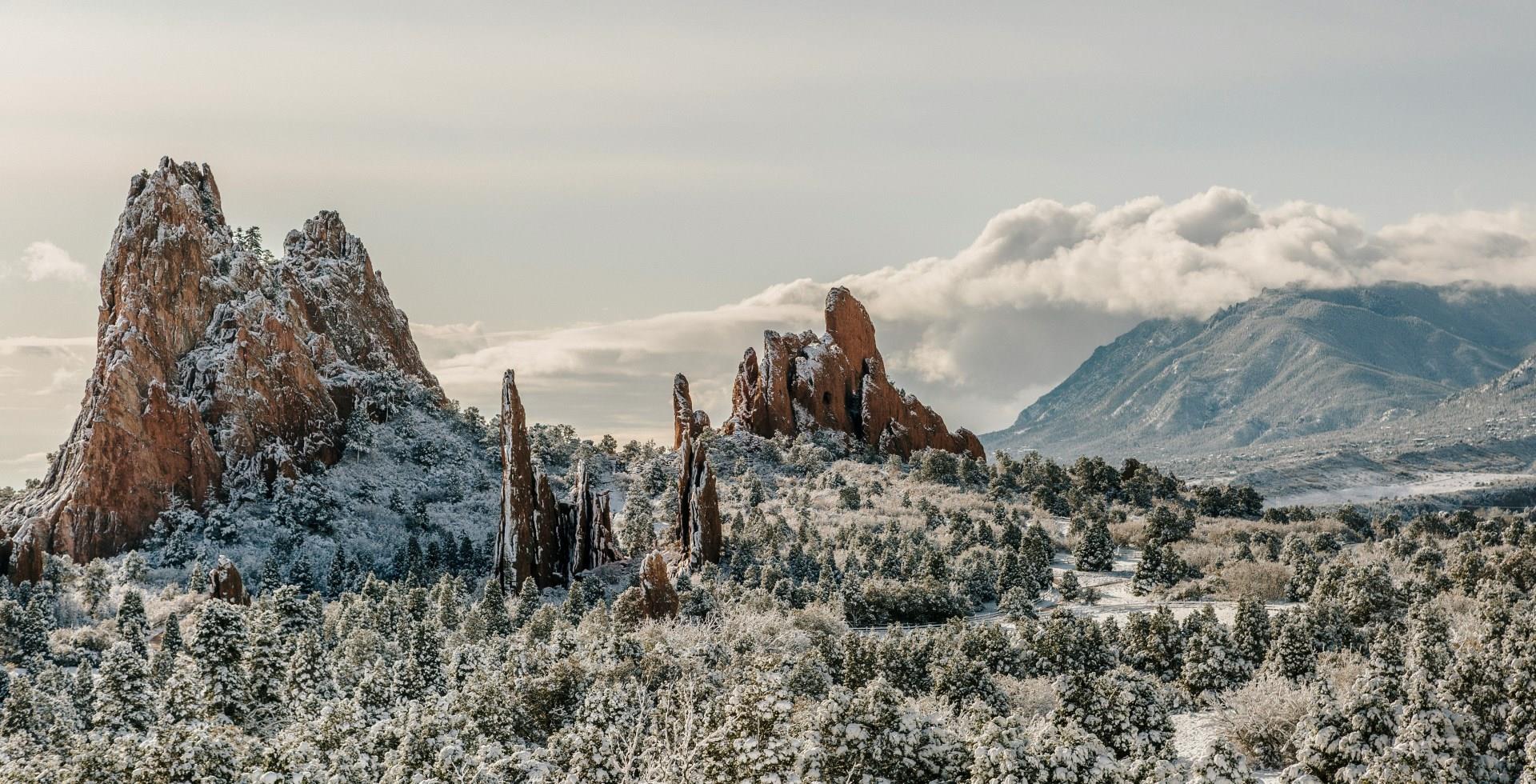
Modern-day Colorado Springs is flourishing, as the second largest city in Colorado. Fortunately, the unique features which attracted people long ago still remain. Nature entices with her array of textures and striking colors. People from all over the world visit to appreciate the countless natural and man-made attractions the Pikes Peak region has to offer.