Alberta
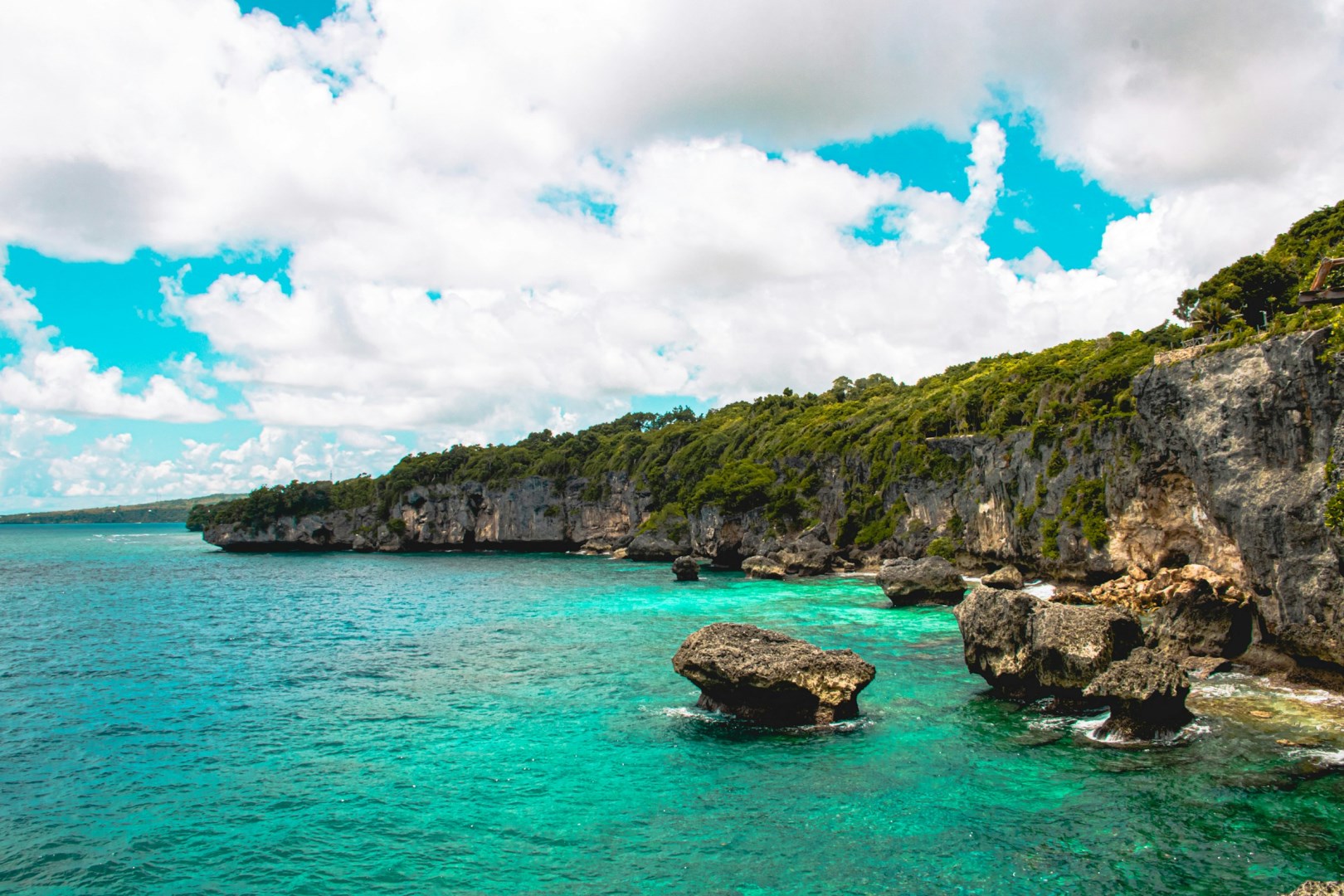
Alberta, one of Canada’s western provinces, is renowned for its dramatic natural landscapes and vibrant cultural heritage. It’s a place where sweeping prairies give way to towering peaks, and where Indigenous traditions and pioneer history are deeply interwoven.
Daintree National Park
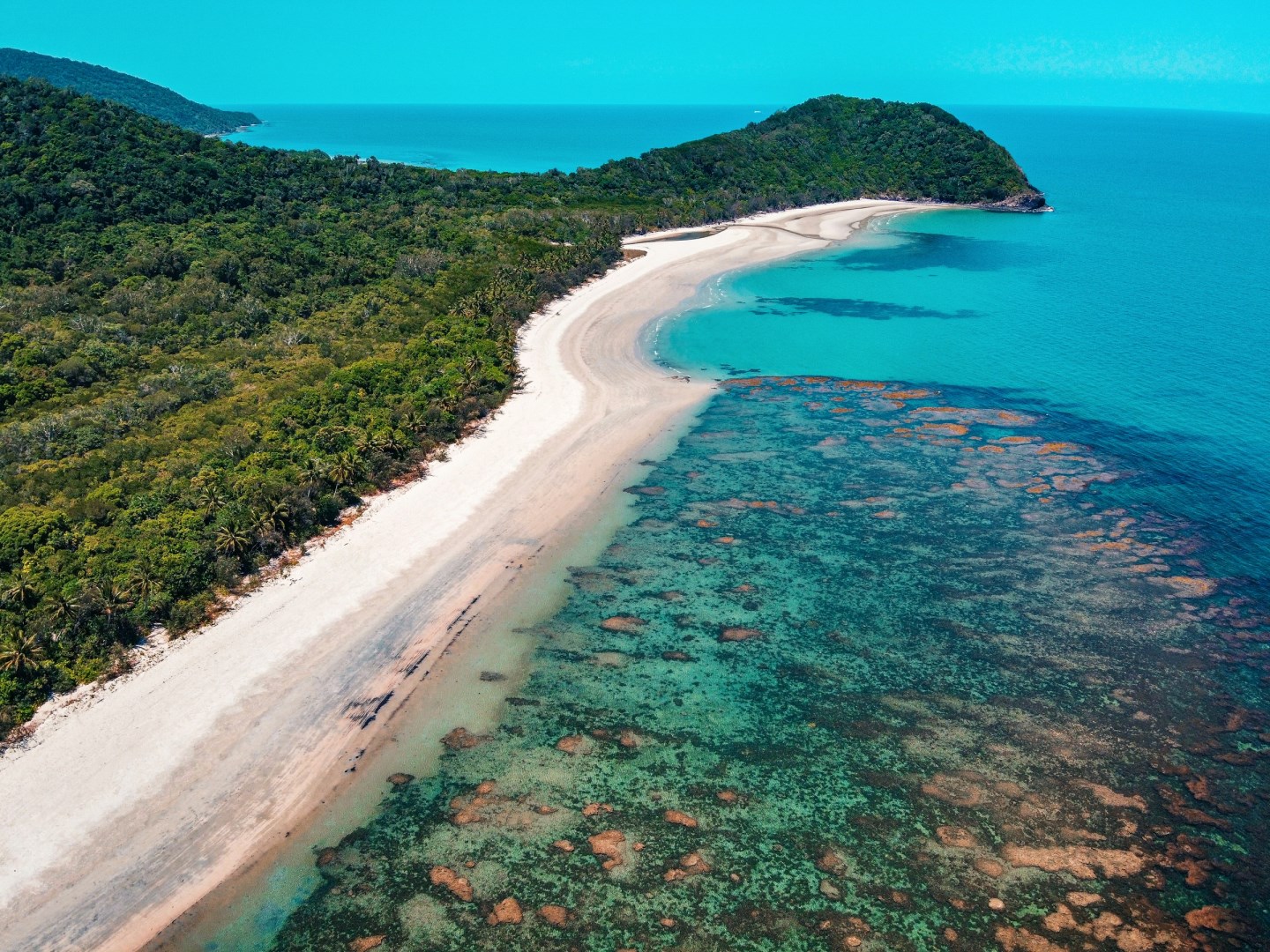
Journey through ancient tropical rainforest, rugged gorges and sandy coastlines where the forest meets the sea in Far North Queensland.
Tikehau
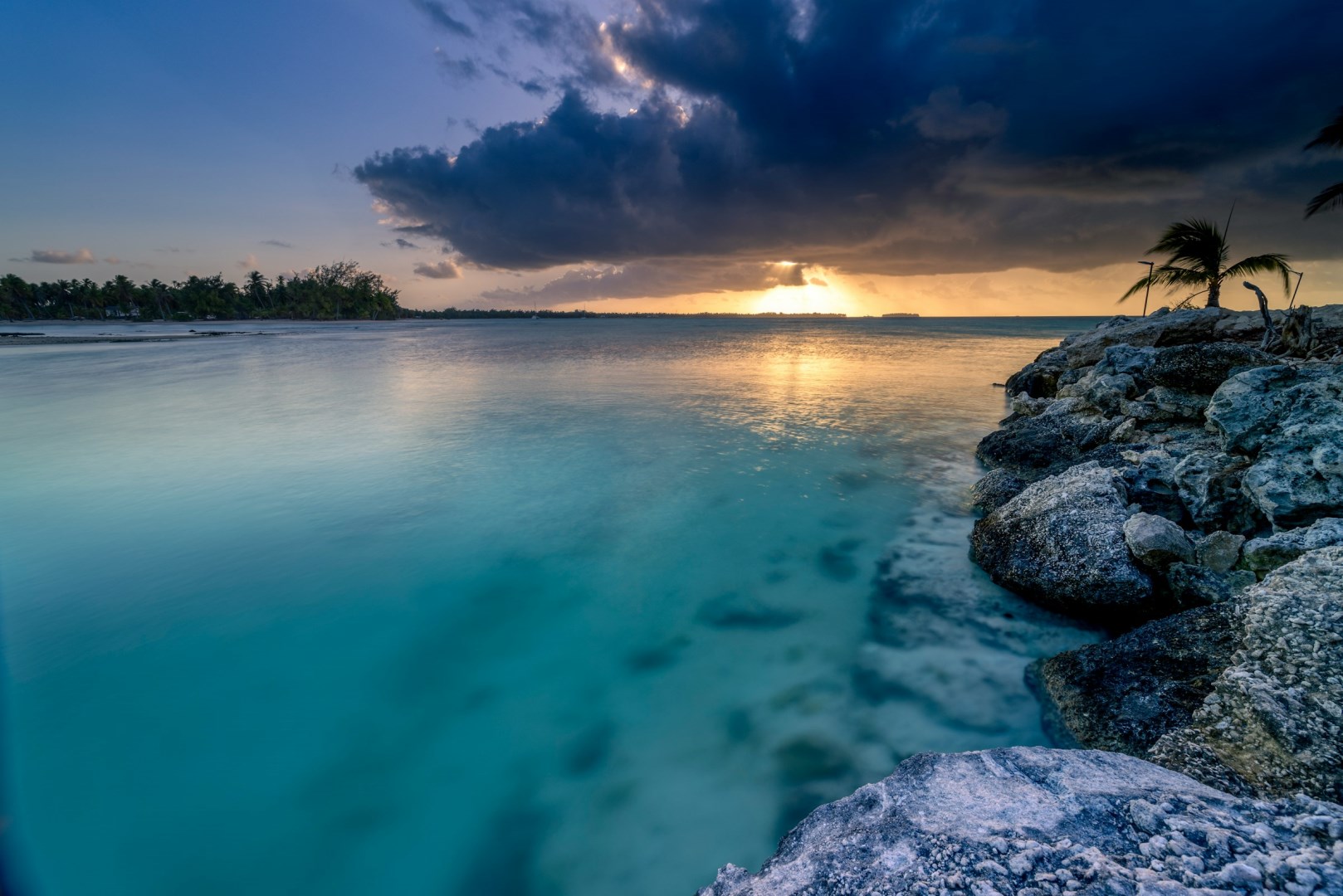
Tikehau is a small coral atoll in the Tuamotu Archipelago of French Polynesia, northeast of Tahiti. Its oval lagoon is enclosed by a narrow chain of coral islets known as motu, with only a few channels connecting the lagoon to the open Pacific. Most of the land is low and covered with coconut palms, coastal vegetation, and white- and pink-tinged sand.
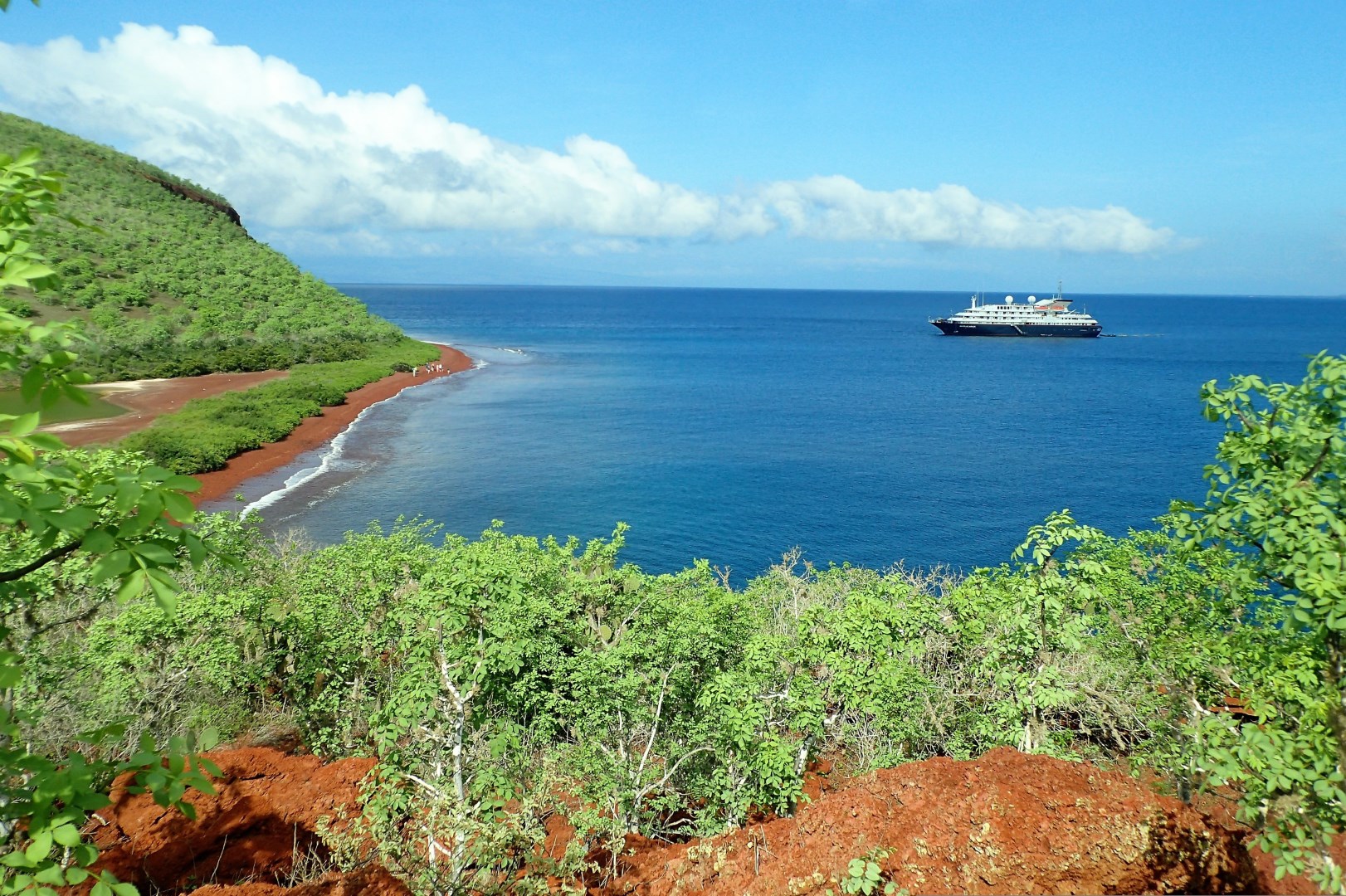
Santiago Island
Set in the heart of the Galápagos archipelago, Santiago Island offers a raw and untamed landscape shaped by volcanic forces. Unlike more developed islands in the region, Santiago remains largely uninhabited, giving visitors a rare look at ecosystems that have evolved with minimal human presence. Its coastline shifts from black lava fields to soft sandy beaches, while inland trails reveal hardened flows and scattered vegetation slowly reclaiming the terrain.

Santo Domingo
The capital city of the Dominican Republic is rich in history and beauty, boasting 16th-century Spanish architecture and the oldest cathedral in the Americas. The narrow streets of the old colonial city are a testament to the complex mixture of forces that contributed to the construction of the first European city in the Western Hemisphere.