Maracay
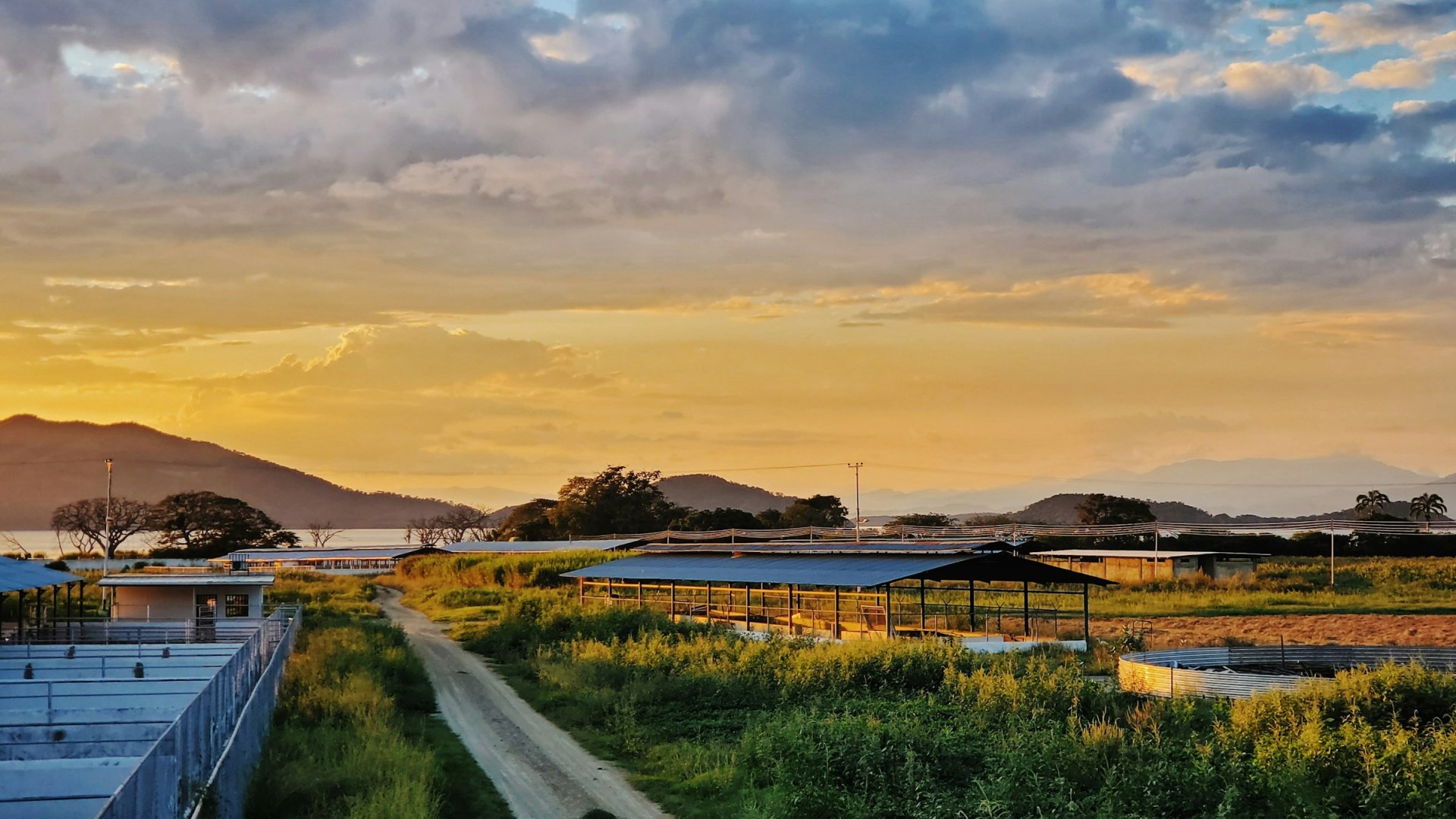
Located southwest of Caracus, this town is in the Andes near Lake Valencia where prehistoric fossils have been found.
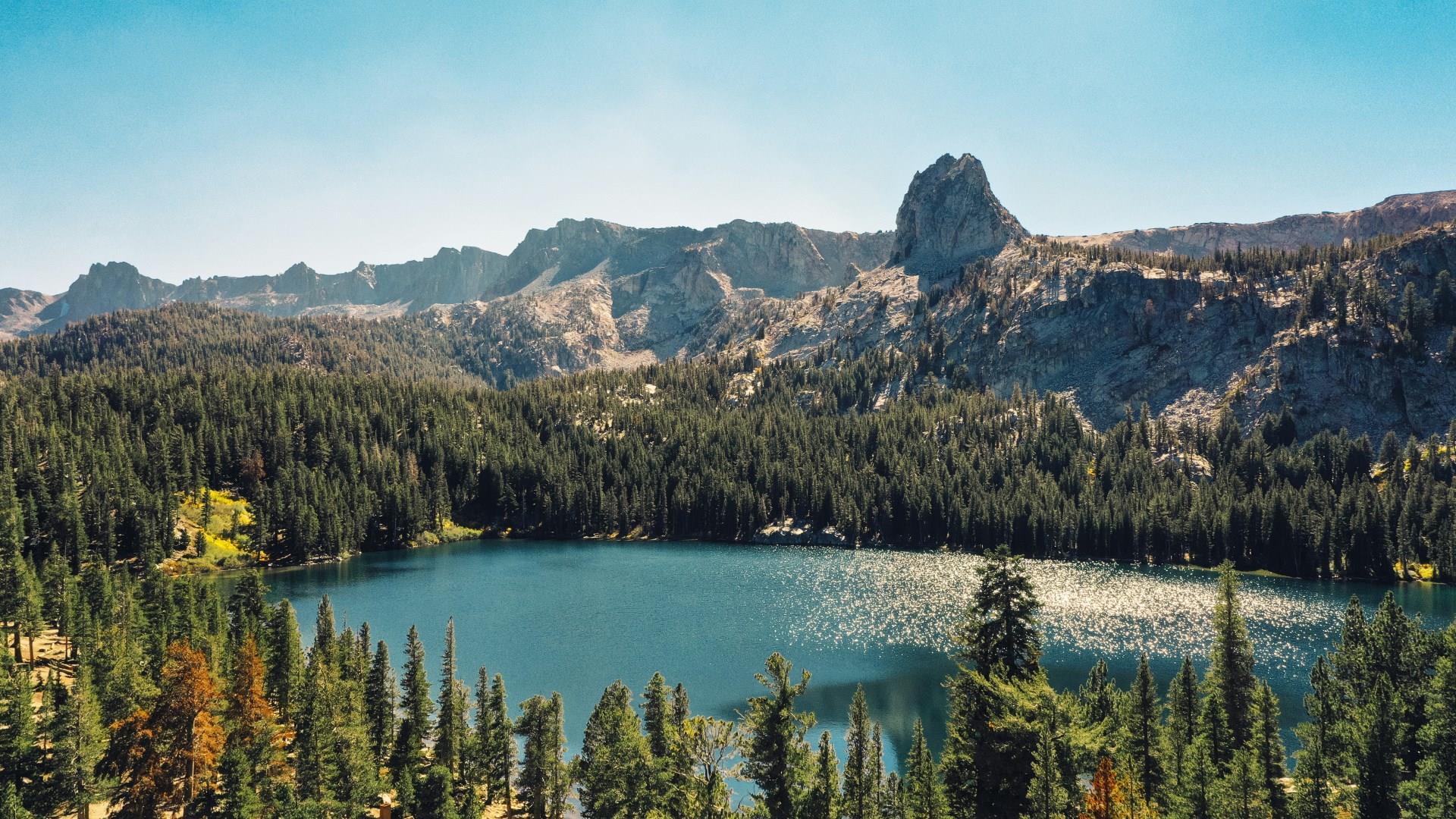
Mammoth Lakes
Mammoth Lakes, tucked into California’s Sierra Nevada mountains, is a year-round destination that combines alpine scenery with outdoor adventure. Known for its crisp mountain air and dramatic landscapes, the town sits near the eastern entrance to Yosemite National Park, making it an ideal base for exploring the region.
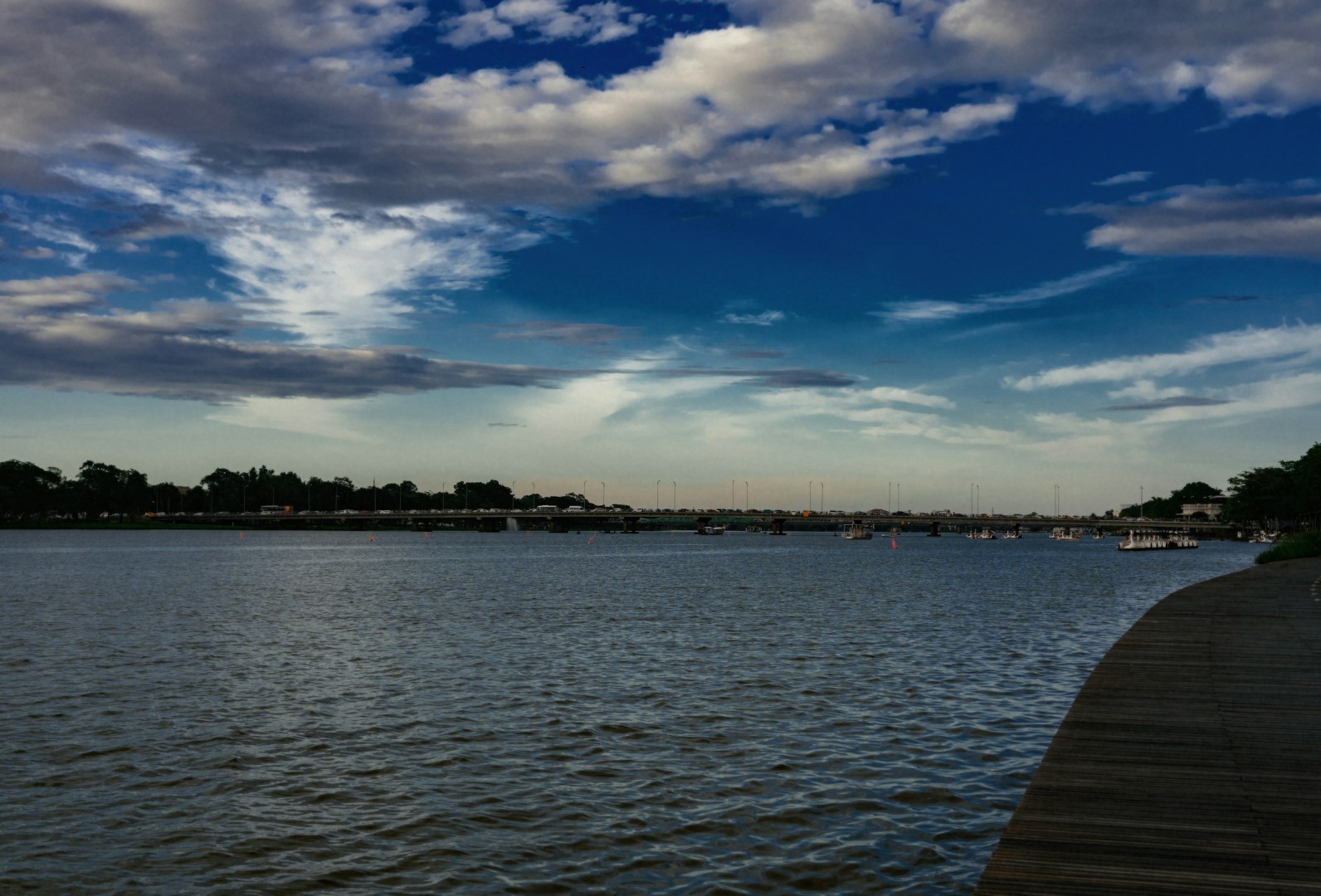
Perfume River
The Perfume River flows through Hue in central Vietnam, linking the city's historic districts with the surrounding countryside before reaching the Tam Giang–Cau Hai lagoon system. The river is a defining feature of Hue's landscape, passing beneath bridges, alongside gardens, and past important imperial and religious landmarks.
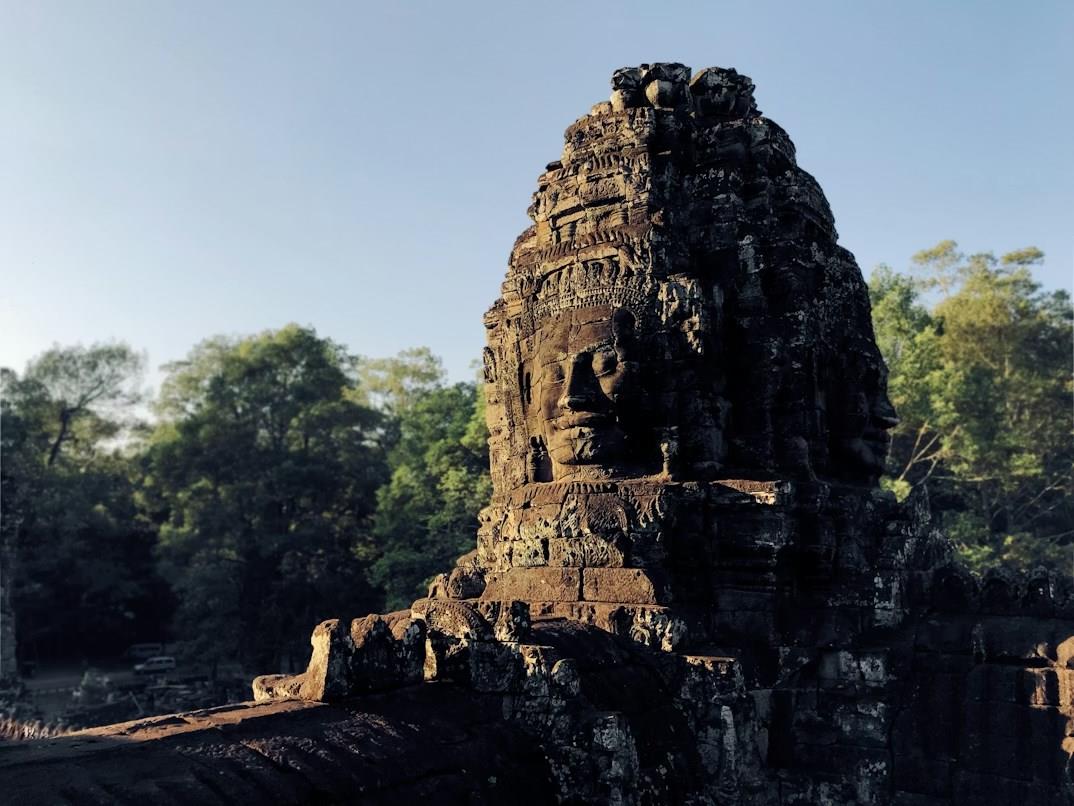
Angkor Thom
Angkor Thom was the last great capital of the Khmer Empire, established in the late 12th century under King Jayavarman VII in what is now northwestern Cambodia. Enclosed by massive stone walls and a wide moat, the city was designed as both a political center and a sacred landscape, symbolizing the cosmic order of the Khmer worldview.
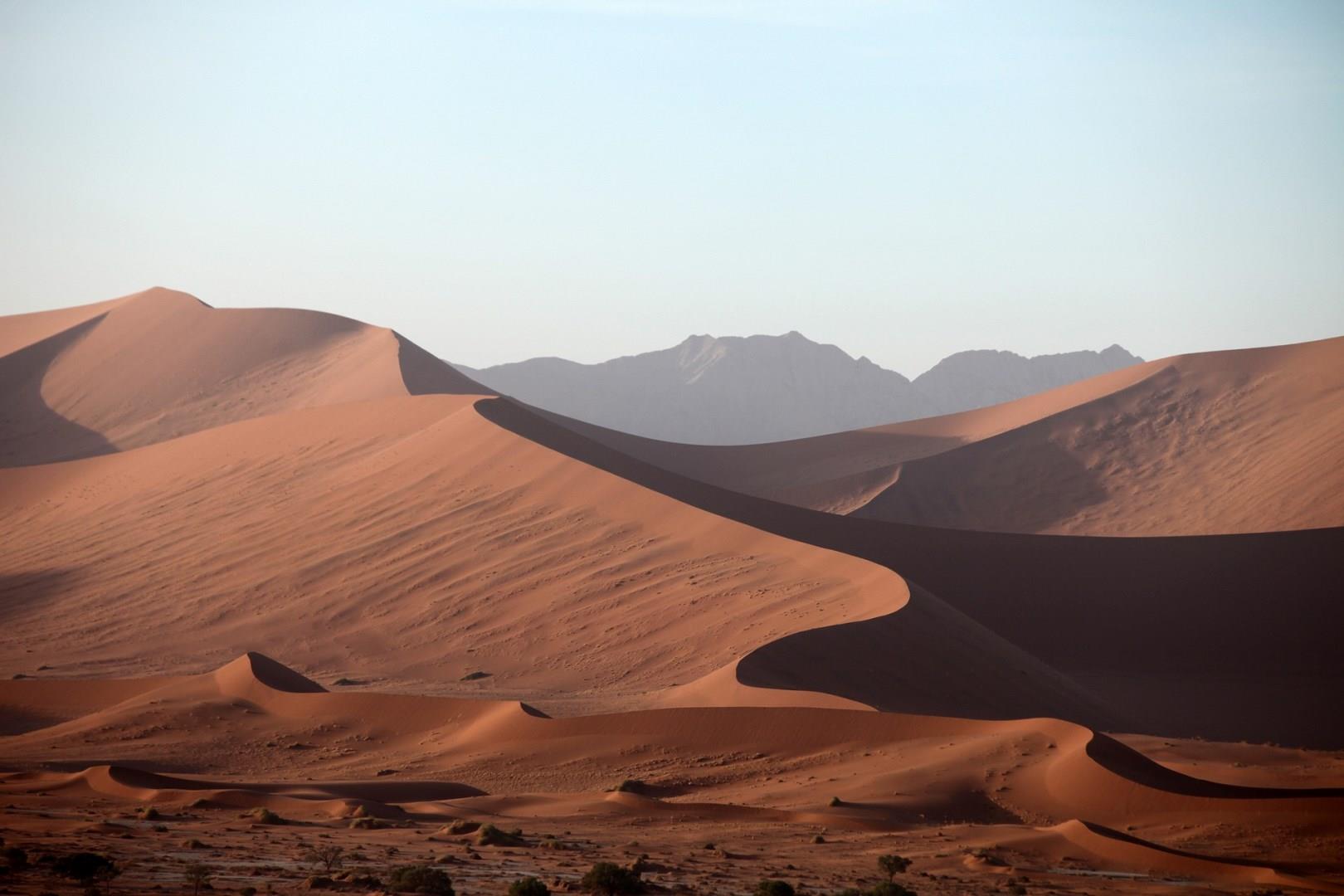
Namibia
Namibia, in southwestern Africa, is a land of dramatic landscapes and striking contrasts. From the towering sand dunes of the Namib Desert to the rugged mountains and deep canyons of Damaraland, the country offers some of the continent’s most unique scenery.