Linköping
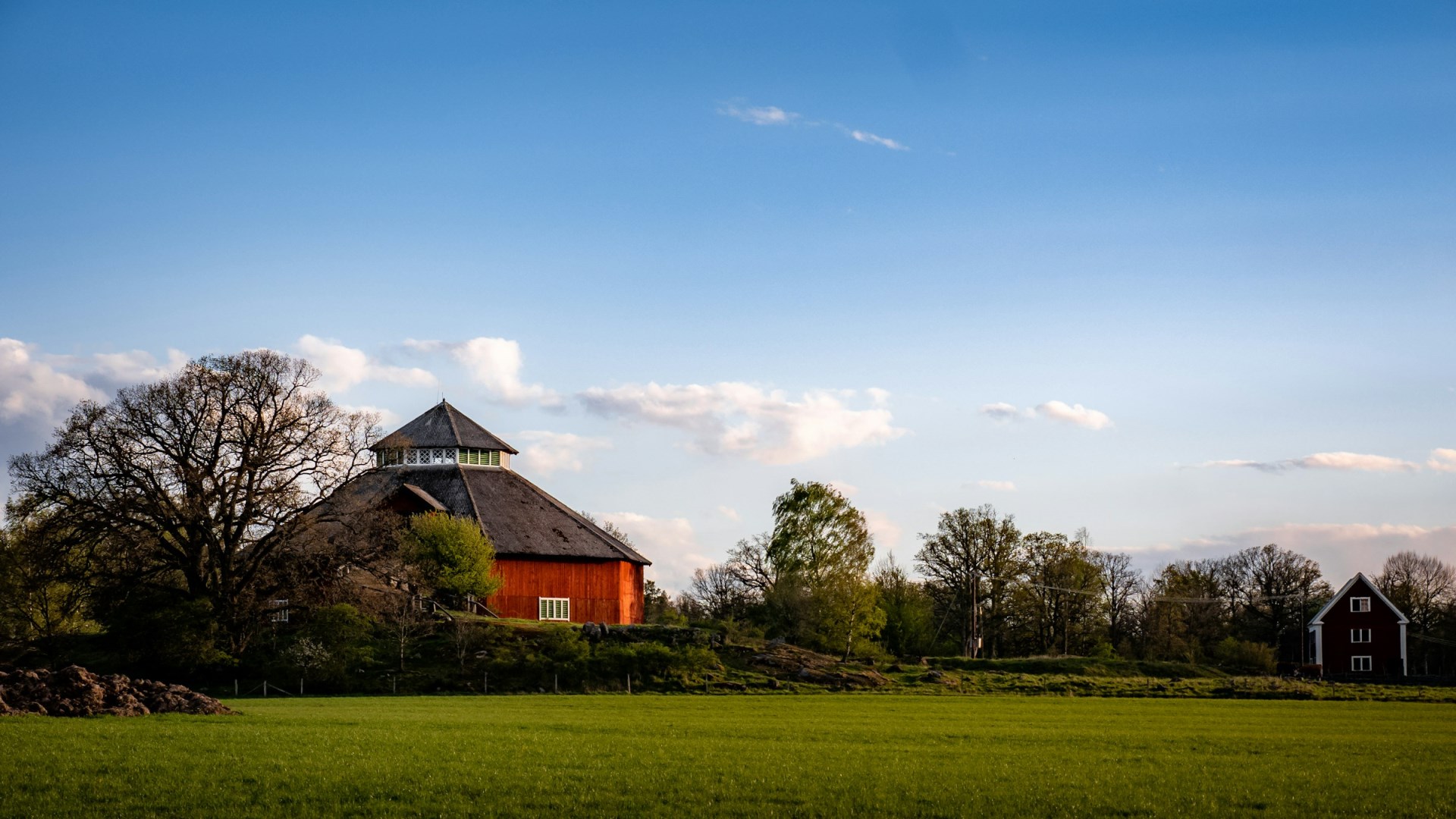
Even though Linköping has developed into an industrial center and is Sweden's fifth-largest city, it maintains a small-town atmosphere. Old Linköping is the restored town center with preserved buildings from the 18th and 19th centuries. The tower of the impressive Linköping Cathedral, which took nearly 300 years to complete, can be seen from a distance of more than 10 kilometers.
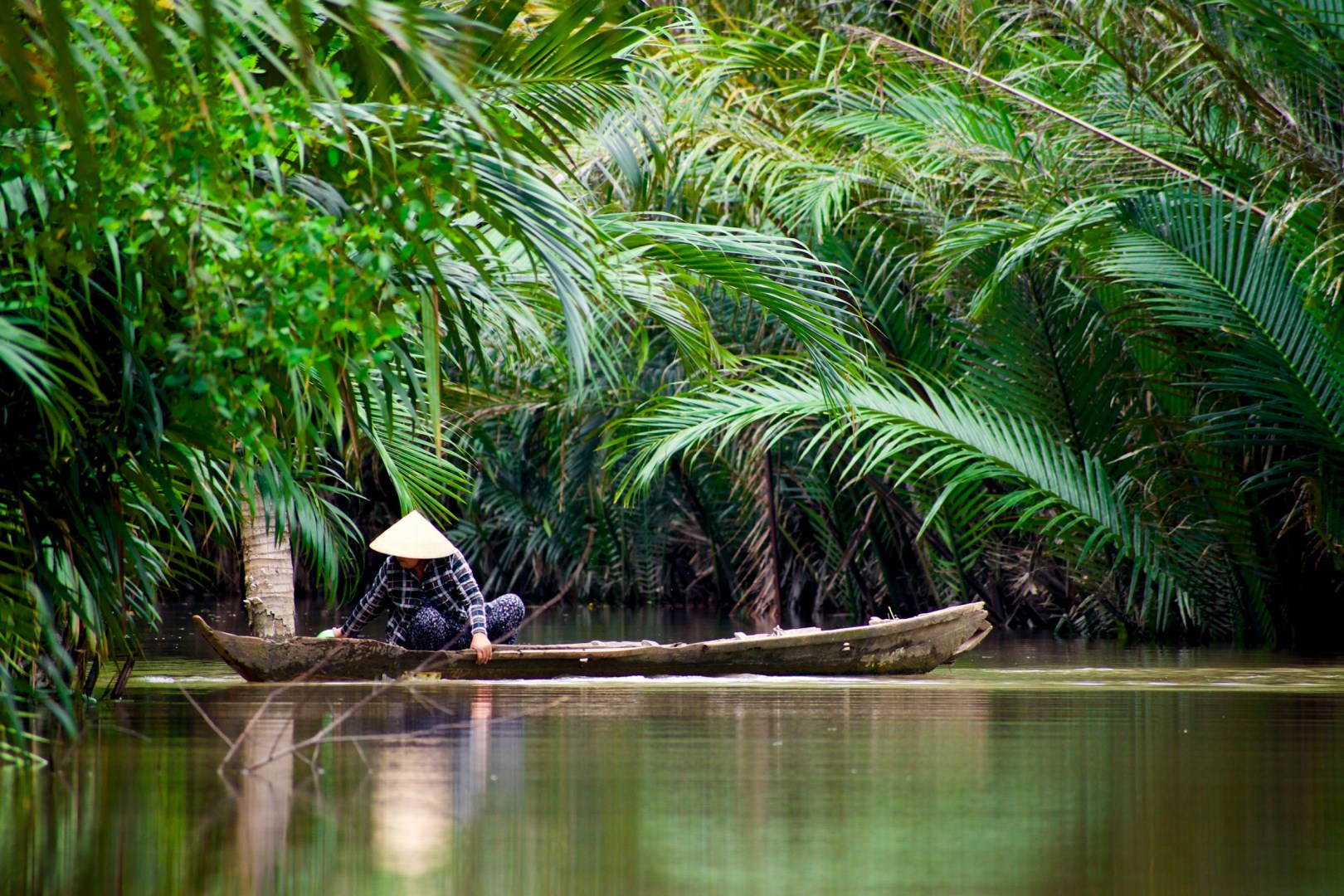
Vietnam
Vietnam is a country where dramatic landscapes and deep-rooted traditions intertwine, creating a mosaic of experiences that stretch from misty northern mountains to the lush waterways of the Mekong Delta. Its history is marked by ancient kingdoms, colonial legacies, and a remarkable story of resilience in the face of conflict.

Kahului, Maui
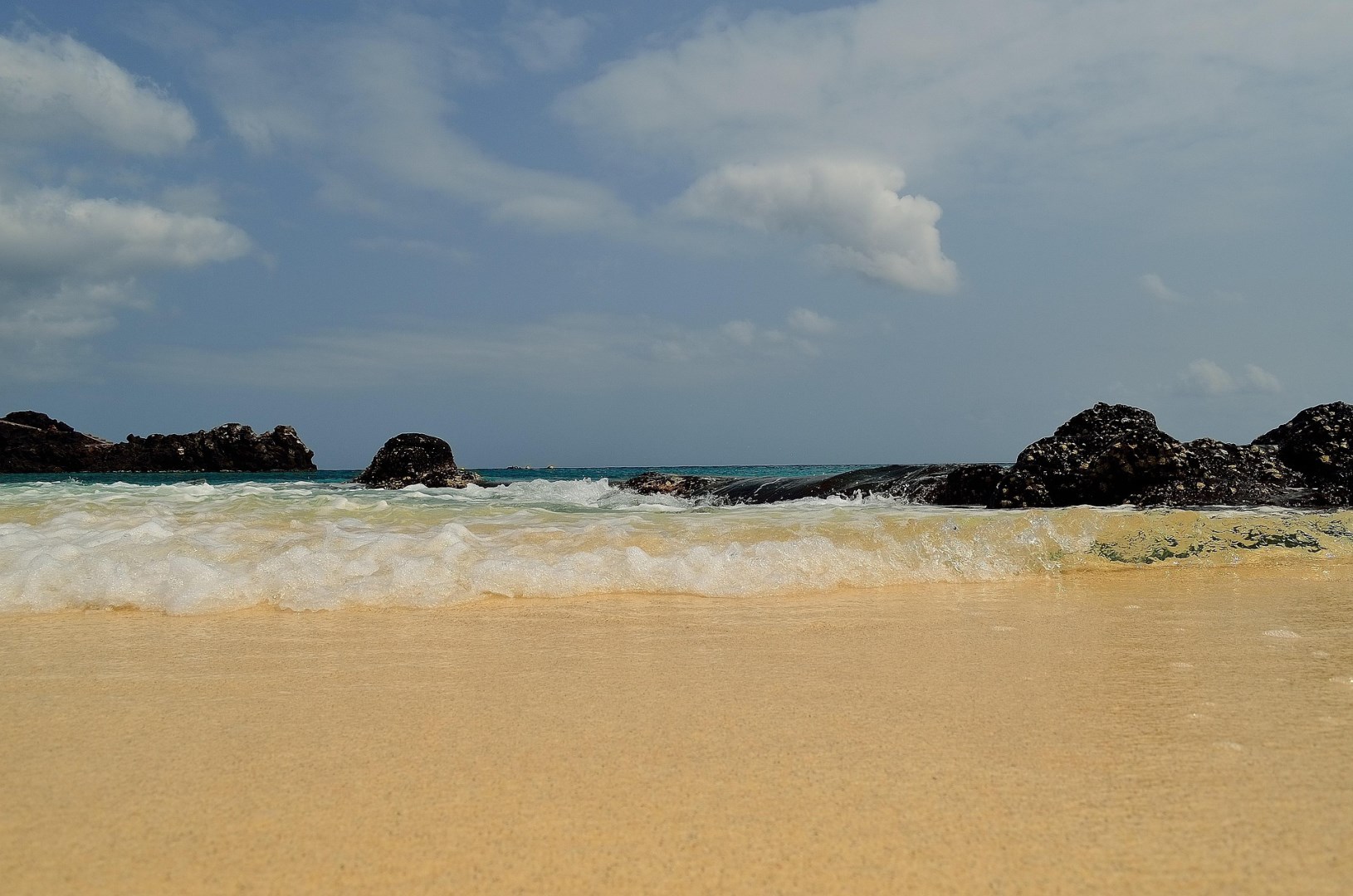
Located on the island of Maui, Kahului serves as the island's vibrant commercial hub and a gateway to many of its top attractions, offering visitors an exciting blend of local culture, historic sites, and easy access to Maui’s stunning landscapes. The town is a short drive from some of the island’s most striking destinations, including the majestic Haleakalā National Park and the nearby Hana Highway, with its lush rainforests and hidden waterfalls.
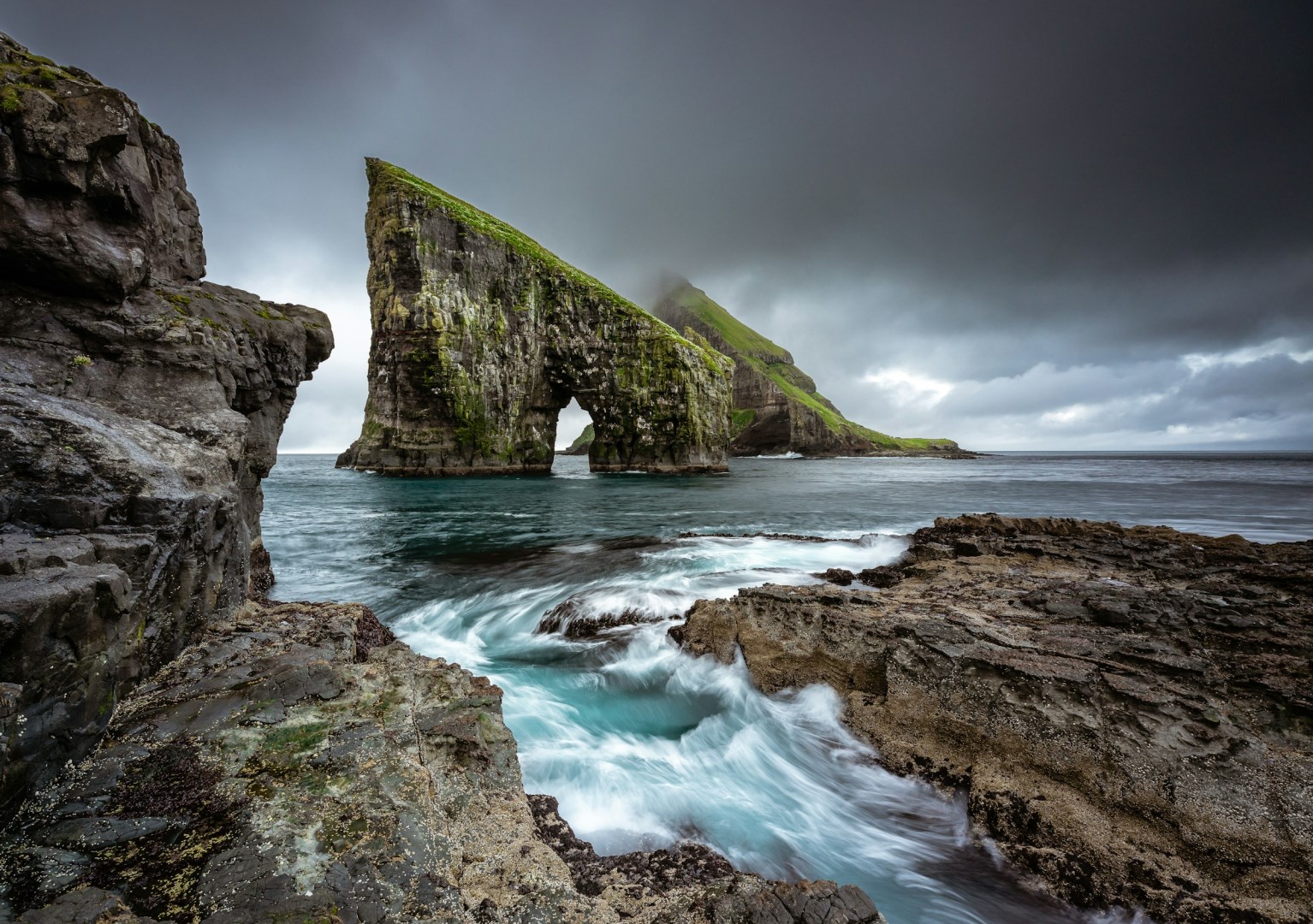
Vágar
Vágar is one of the western islands of the Faroe Islands and the main arrival point for many visitors, with the archipelago’s only airport located near Sørvágur. The island combines high mountains, freshwater lakes, steep sea cliffs, and small villages set along sheltered bays. Its landscape is particularly varied for its size, ranging from the agricultural fields around Miðvágur and Sandavágur to the rugged western coast near Bøur and Gásadalur.
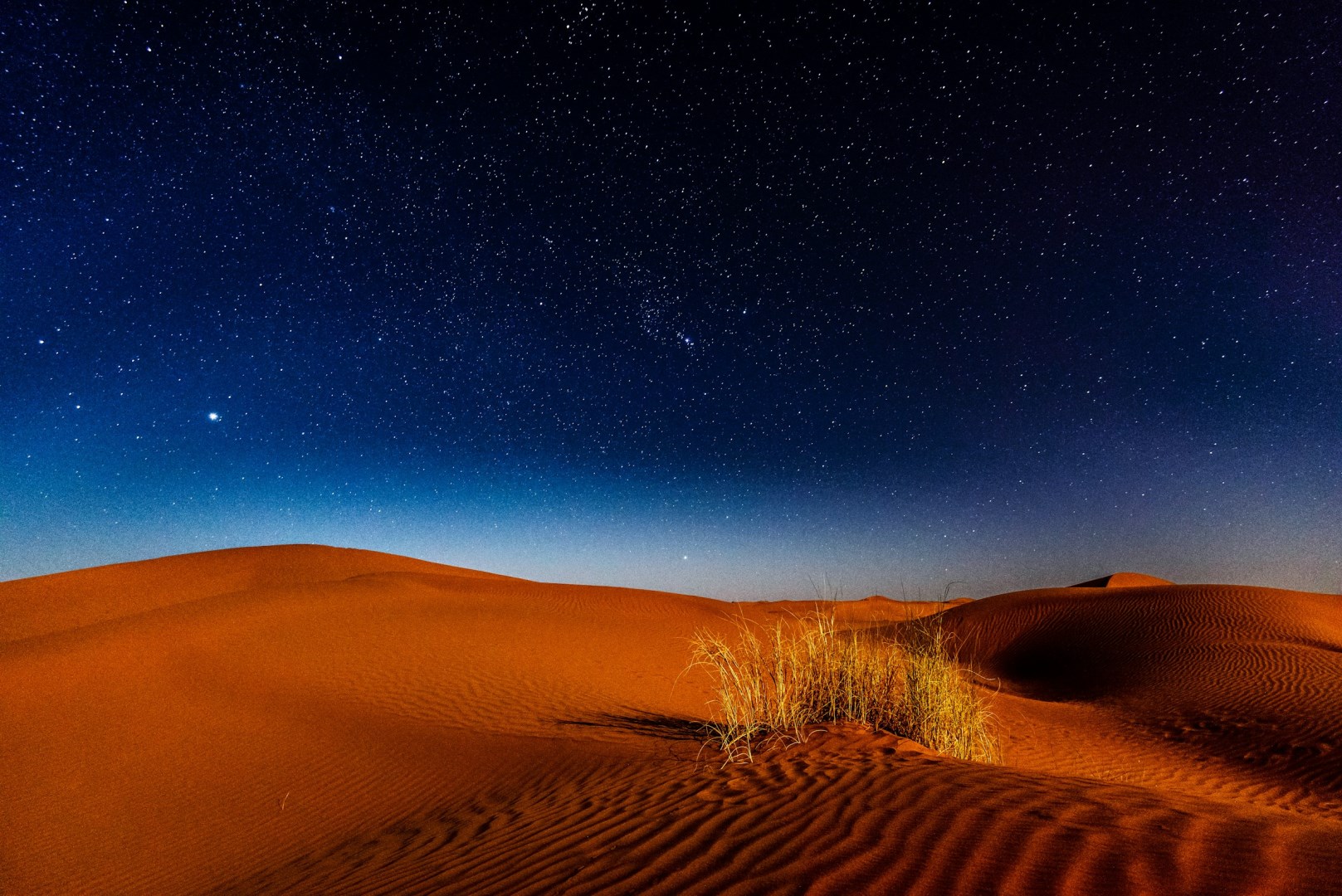
Western Sahara
Western Sahara, (formerly Spanish Sahara), northwestern Africa, former overseas province of Spain partitioned in 1976 between Mauritania and Morocco, and since 1979, occupied entirely by Morocco.