Akita
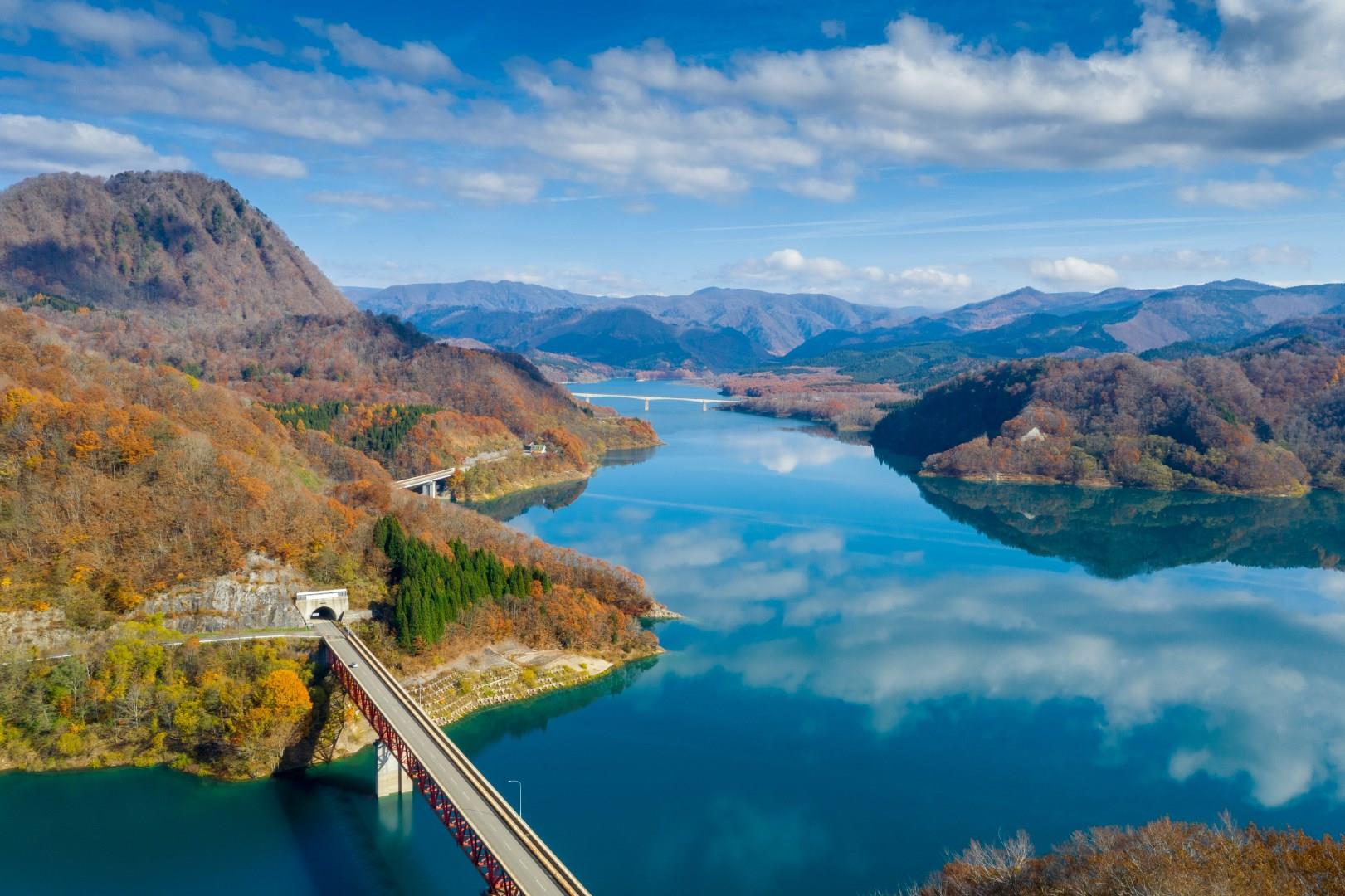
Akita sits in the northern part of Japan’s Tōhoku region and offers travelers experiences rooted in long-held traditions, lively festivals, and scenic valleys. Its capital city blends seasonal appeal with cultural offerings, from Senshu Park, once the site of Kubota Castle, where cherry blossoms and lotuses draw locals and visitors alike, to the Akita Museum of Art, a striking building designed by famed architect Tadao Ando that displays works including pieces by Tsuguharu Foujita.
Sarasota
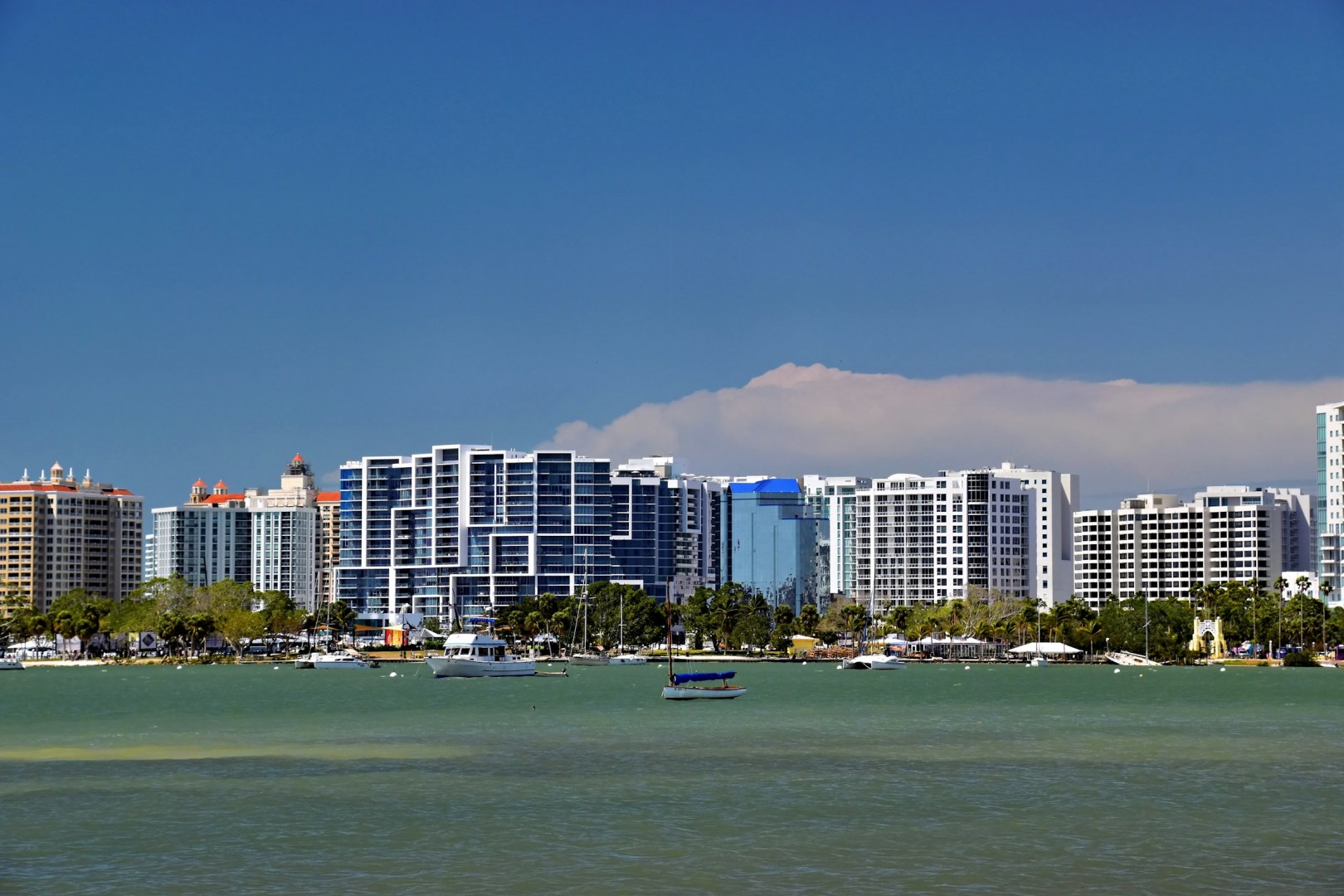
Sarasota and its Gulf Coast Islands have matured into a diverse cosmopolitan community considered by many to be "The Cultural Center of Florida". Daytime offers some of the finest museums, art and antique galleries, as well as numerous shops and boutiques. Be prepared to include a few evenings with our resident ballet, opera house, live theatre, comedy clubs, and jazz bars.
San Antonio
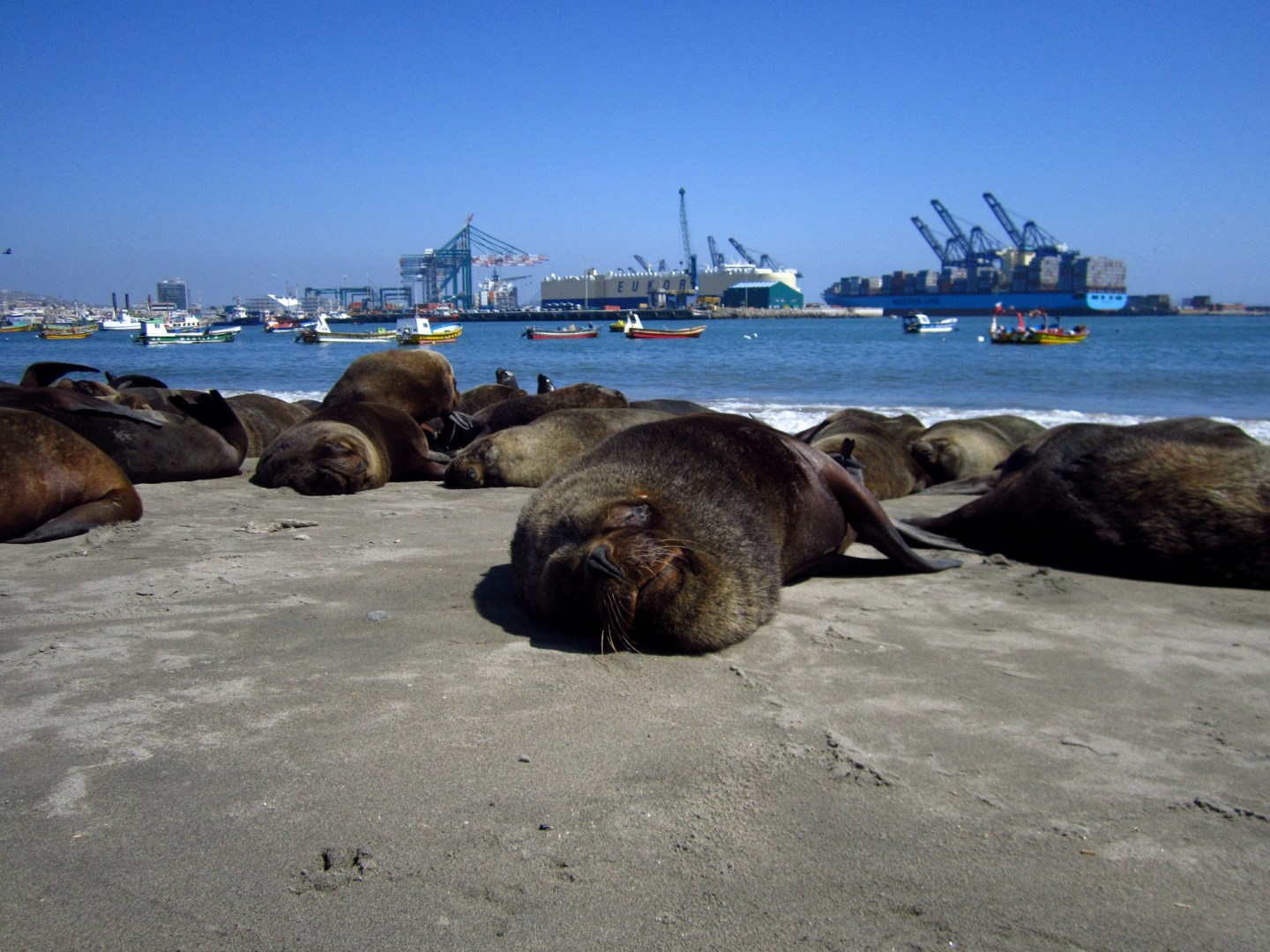
San Antonio, a coastal city in central Chile, offers a delightful blend of maritime charm and cultural vibrancy. Known for its bustling port and picturesque waterfront, San Antonio provides a gateway to the scenic beauty of the Chilean coast. The city's port is one of the most important in the country, making it a hub of activity and a key spot for experiencing Chile's maritime heritage
Nanyuki
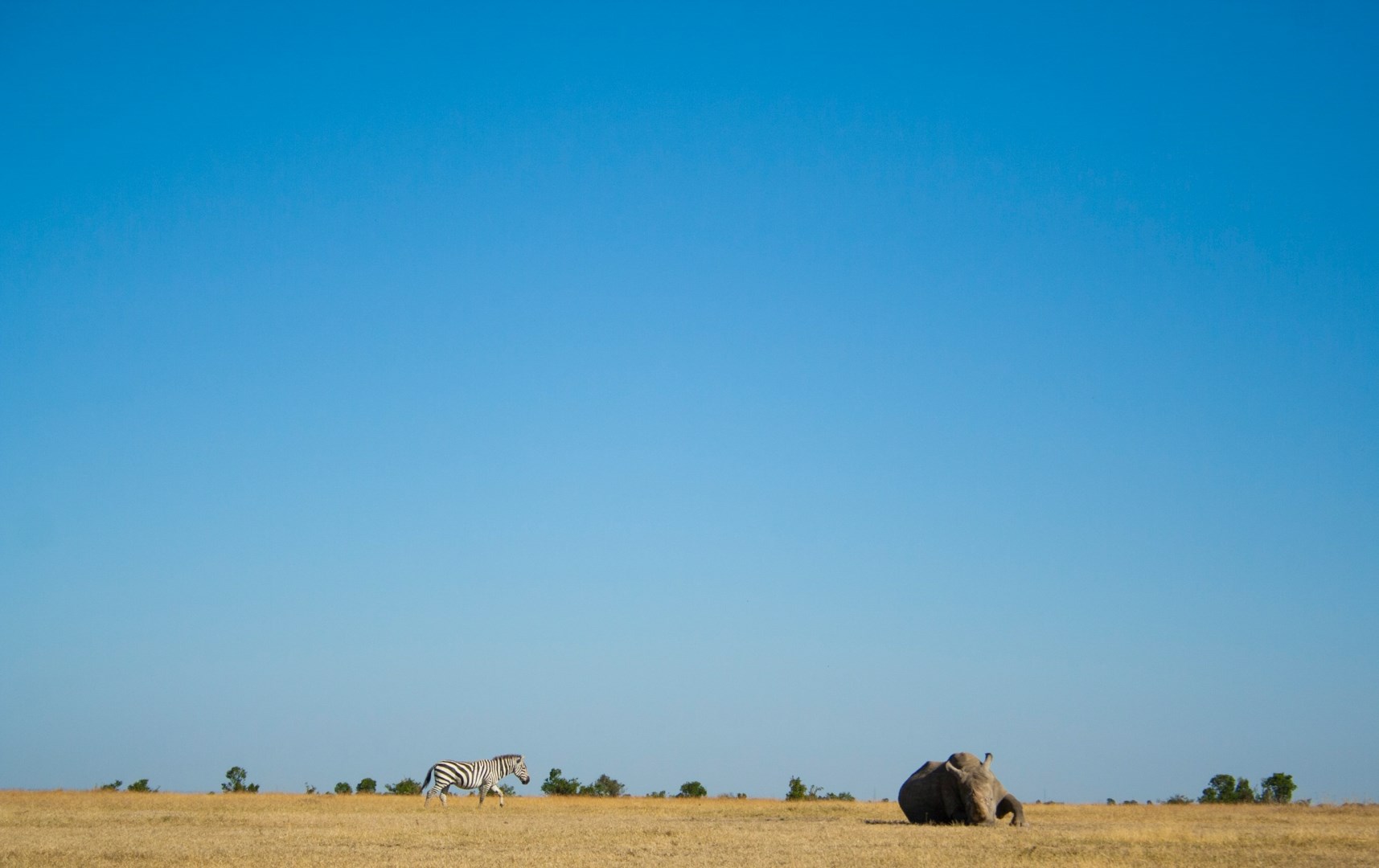
Nanyuki, located on the equator in central Kenya, is a lively town that serves as a gateway to Mount Kenya and the Laikipia Plateau. Founded by British settlers in the early 20th century, it still carries traces of its colonial past while embodying the energy and diversity of modern Kenya.
Linyanti Wildlife Reserve
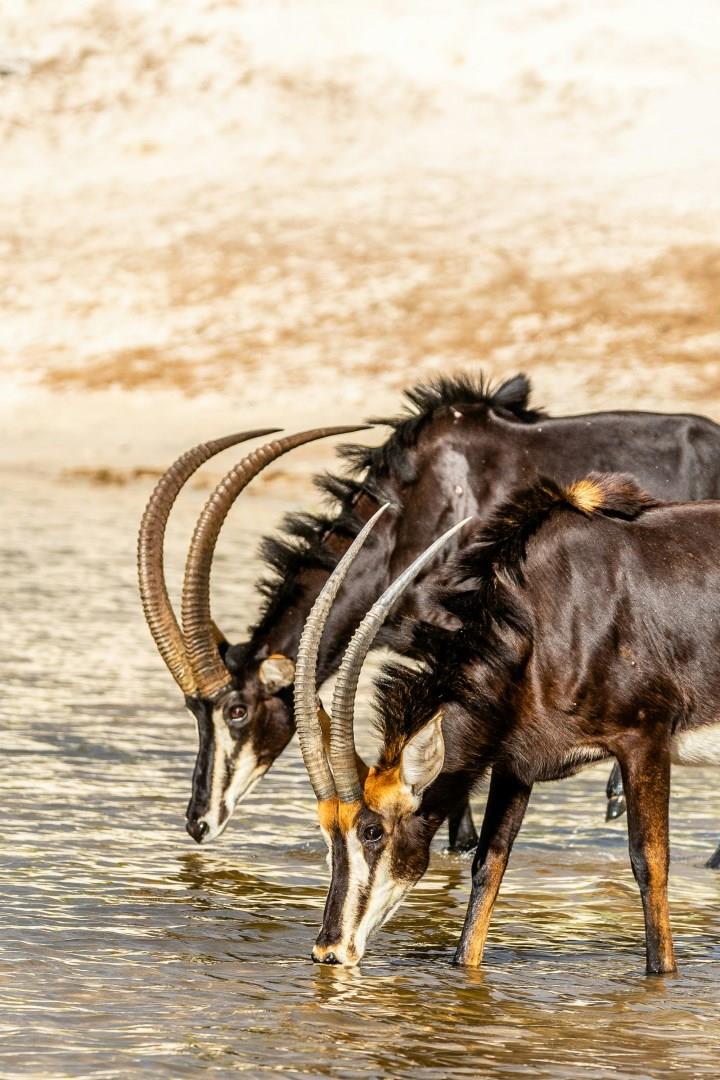
Linyanti Wildlife Reserve, tucked into the northern reaches of Botswana near the Chobe River, is a remote and pristine safari destination known for its rich biodiversity and exclusivity. Covering more than 275,000 acres of wilderness, the reserve is defined by floodplains, lagoons, woodlands, and savannah, creating a mosaic of habitats that sustain an impressive array of wildlife.