Woodstock
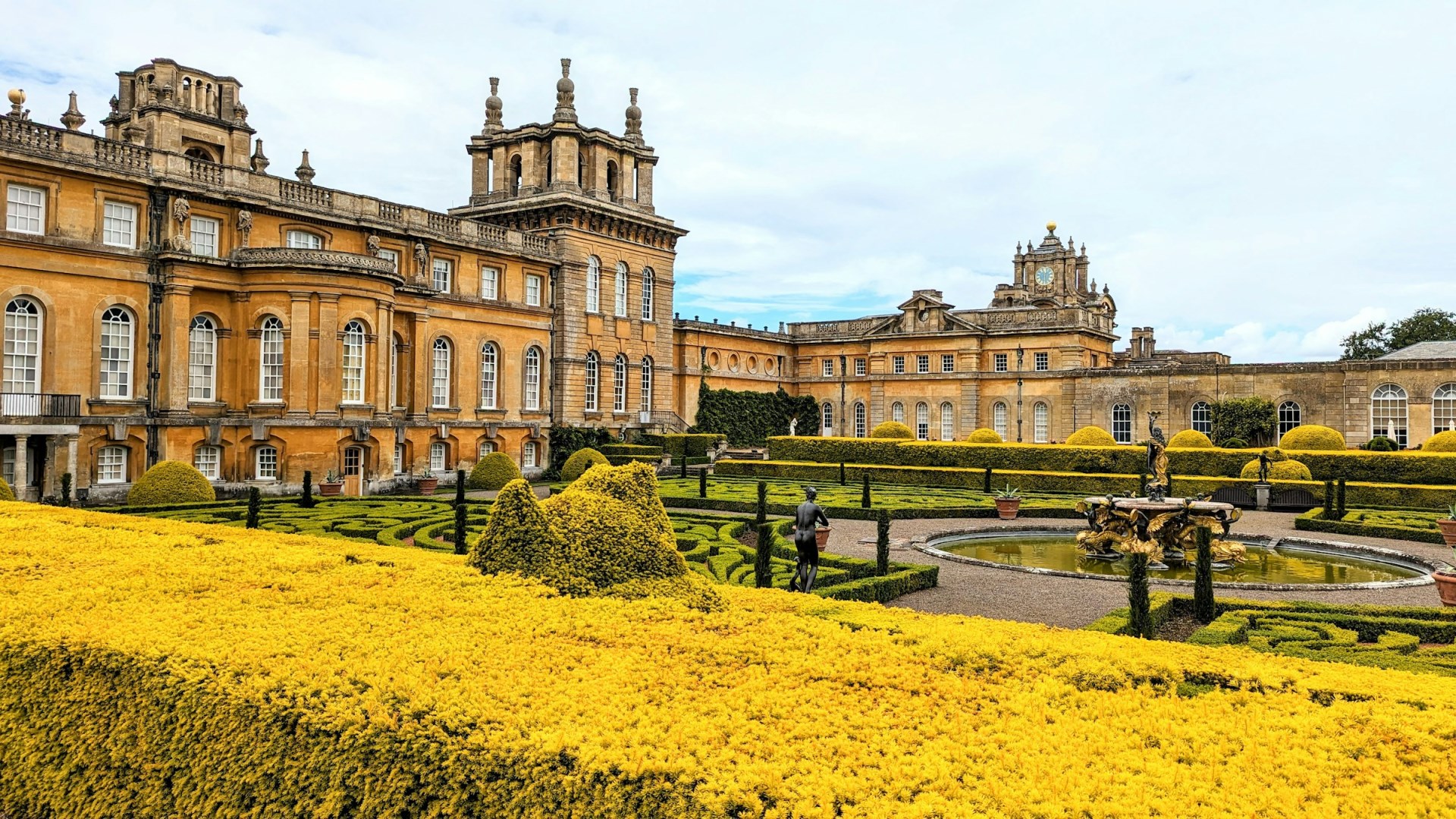
Woodstock is a historic market town in Oxfordshire, located beside the grounds of Blenheim Palace and surrounded by the countryside of the Cotswolds. Its compact centre is lined with honey-coloured stone buildings, independent shops, galleries, cafés, and traditional pubs. The town’s Market Place and Town Hall form a natural focal point, while streets such as Park Street and Oxford Street reveal a mixture of Georgian and older architecture.
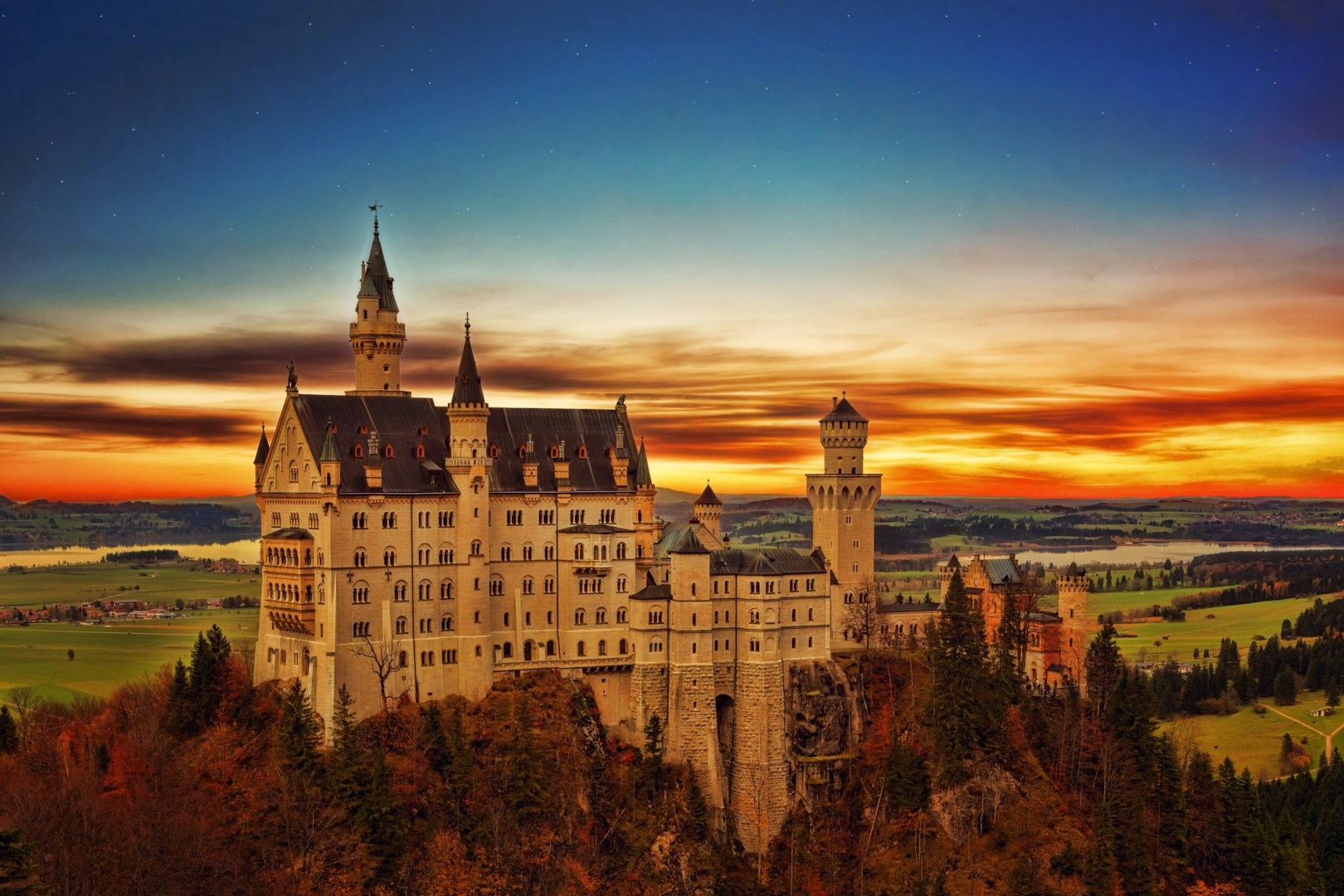
Schwangau
Perched high on a rugged hill, Neuschwanstein offers breathtaking views of the surrounding landscape, including the shimmering Alpsee and the dense forests that cloak the region. A visit to Schwangau isn't complete without exploring this iconic landmark, where the opulence of King Ludwig II's vision comes to life in every ornate detail.
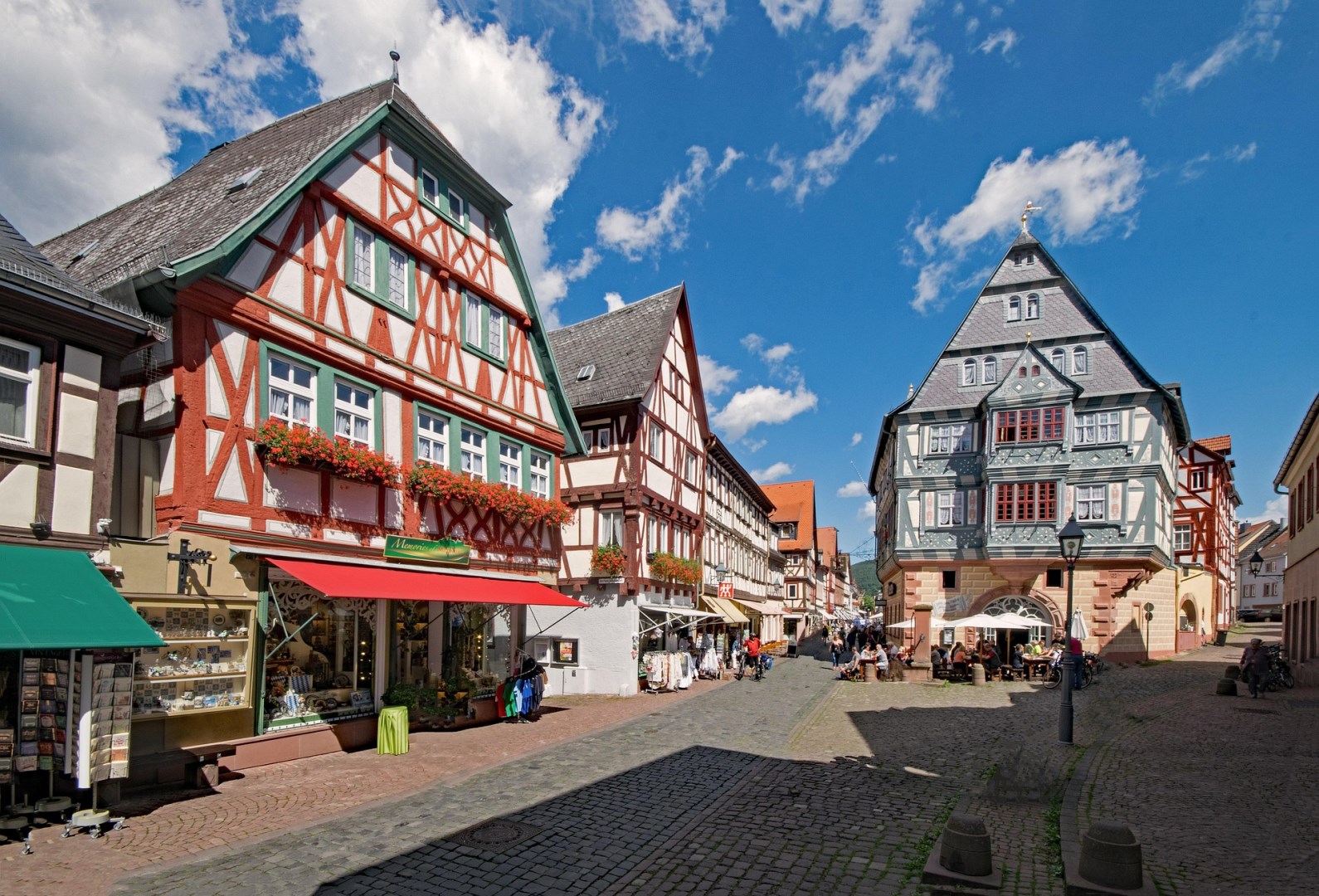
Miltenberg
Set along a gentle curve of the Main River in Bavaria, the town of Miltenberg presents a streetscape that feels carefully preserved rather than rebuilt. Rows of half-timbered houses line a single main street, their wooden beams and painted facades forming one of the most photographed scenes in Germany. The old market square, known as the Schnatterloch, draws attention with its sandstone fountain and tightly packed historic buildings, creating a setting that has remained largely unchanged.
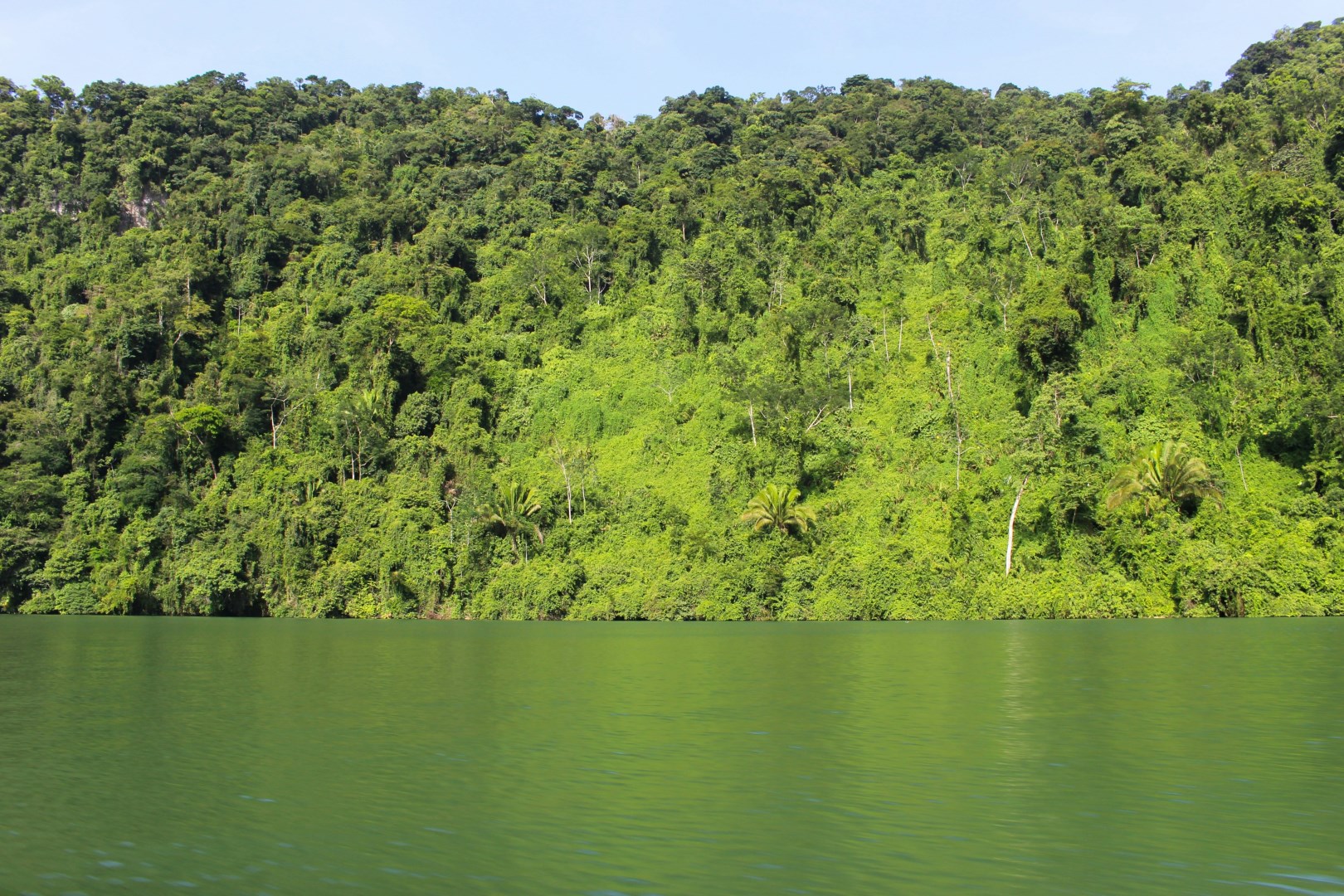
Rio Dulce
Rio Dulce is a river region in eastern Guatemala that connects Lake Izabal to the Caribbean Sea. The area is centered around the town of Fronteras and the long waterway that cuts through tropical forest, limestone cliffs, and wetland habitats.

Blue Bay
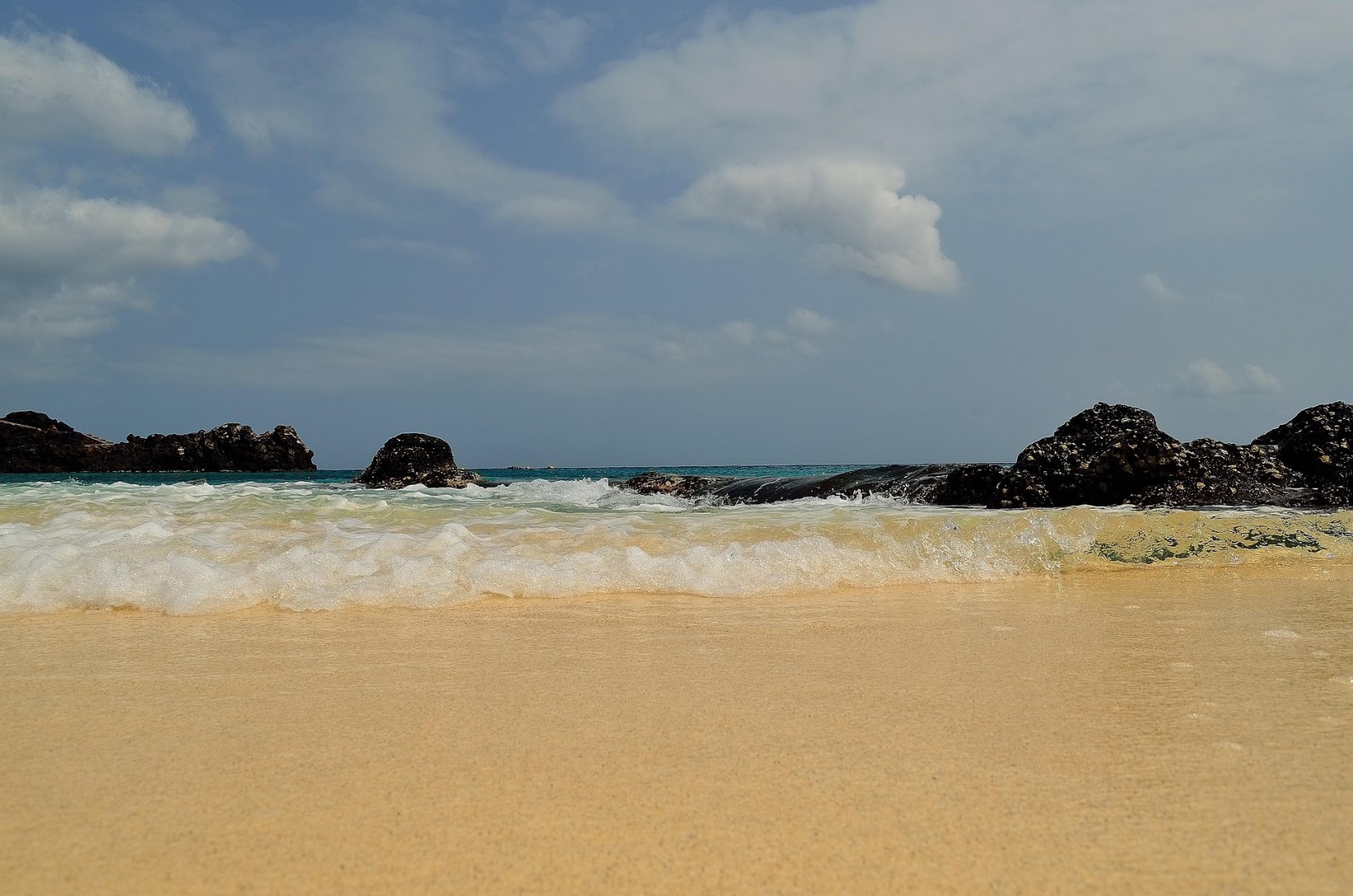
Blue Bay is a coastal village in southeastern Mauritius, within the district of Grand Port and close to Sir Seewoosagur Ramgoolam International Airport. It is best known for Blue Bay Marine Park, a protected lagoon where coral reefs and clear shallow waters support a rich variety of marine life. The village sits beside a curved sandy beach and sheltered bay, with views across the lagoon toward small offshore islets.