Libourne
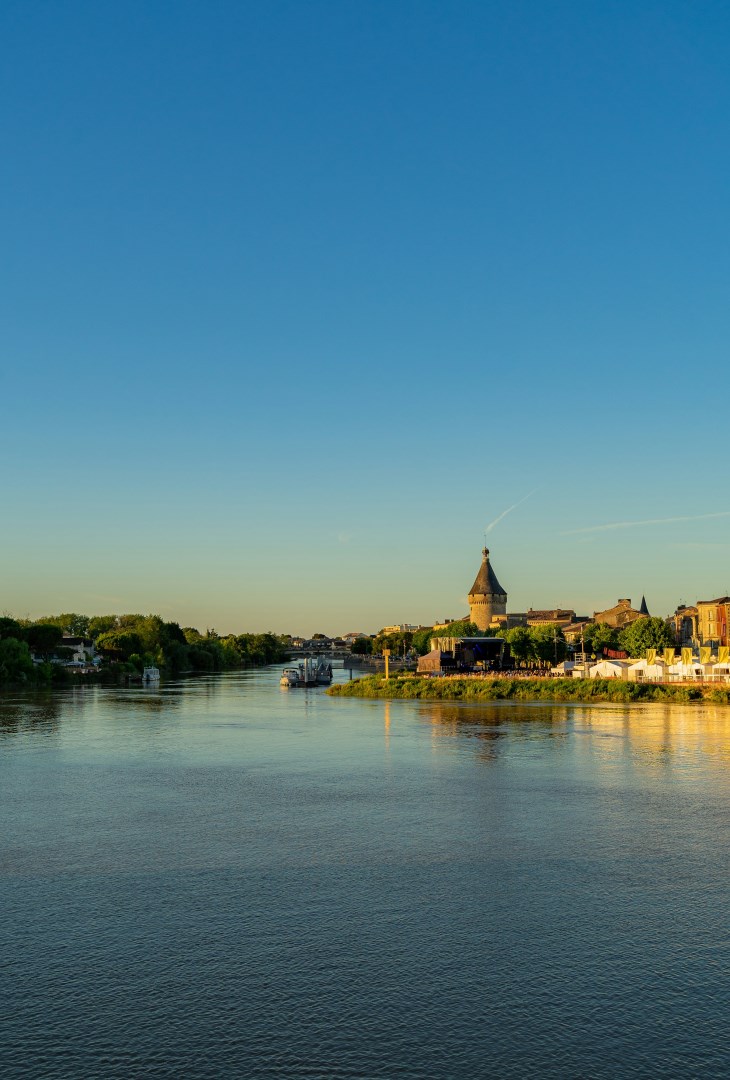
Libourne, located in northern Gironde, is a picturesque town known for its rich history and vibrant wine culture. Founded in 1270 as a bastide by Roger de Leybourne, Libourne has long been a key port for the wine trade, particularly for the renowned vineyards of Saint-Émilion and Pomerol. Visitors can explore the charming town center, which features the beautiful Place Abel-Surchamp, surrounded by traditional arcades and lively farmers markets. The town hall, with its grand interior and historic
Beirut
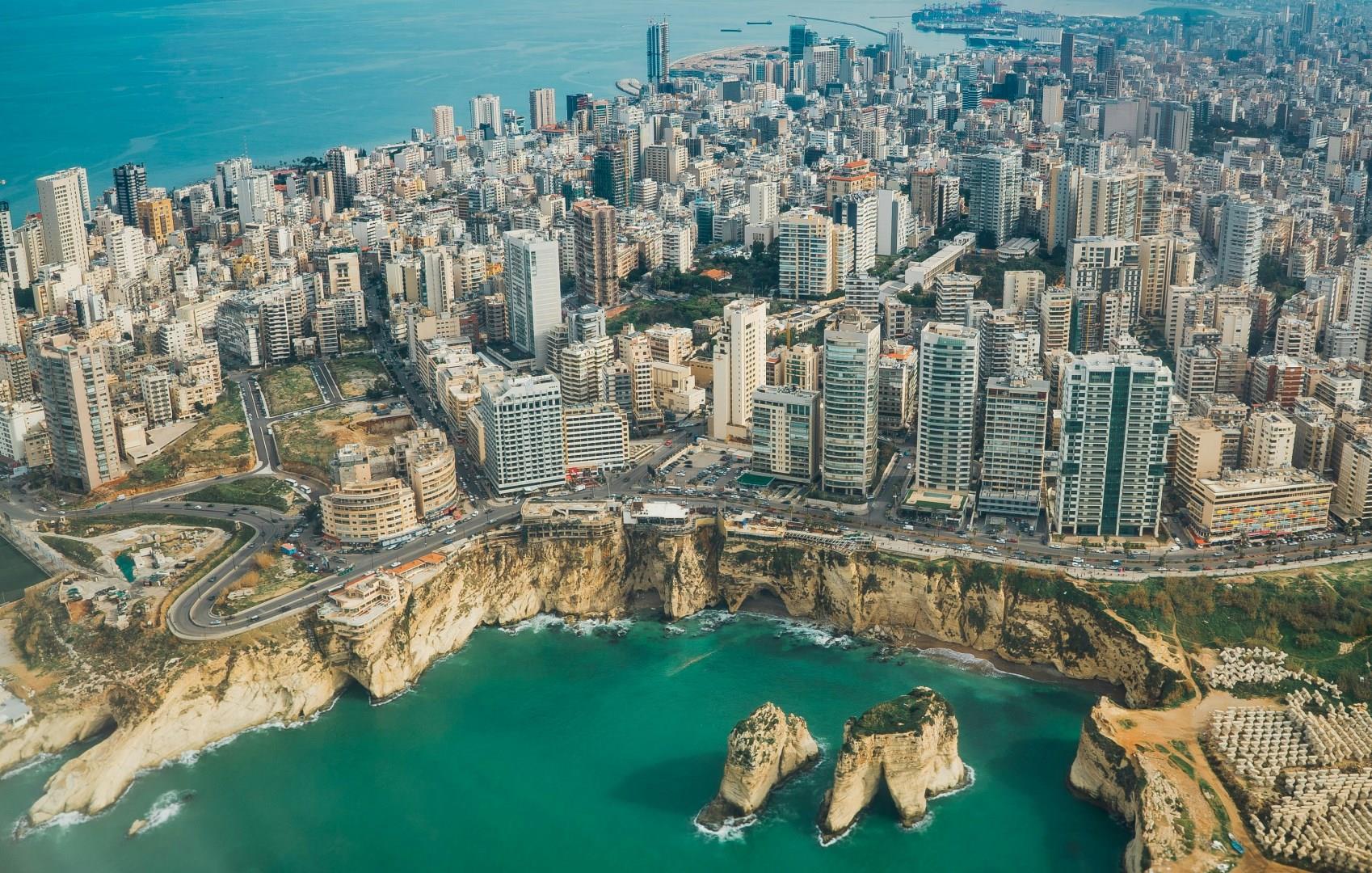
Beirut traces its roots back over 5,000 years. Once called Berytus during the Roman era, it grew into a key port of the Mediterranean. Today’s visitors can follow the Beirut Heritage Trail, a 2.5 km walking route marked with bronze medallions, that links archaeological sites, historic courtyards, and restored Ottoman buildings. The path unveils layers of the city's past one block at a time.
Njalo Island
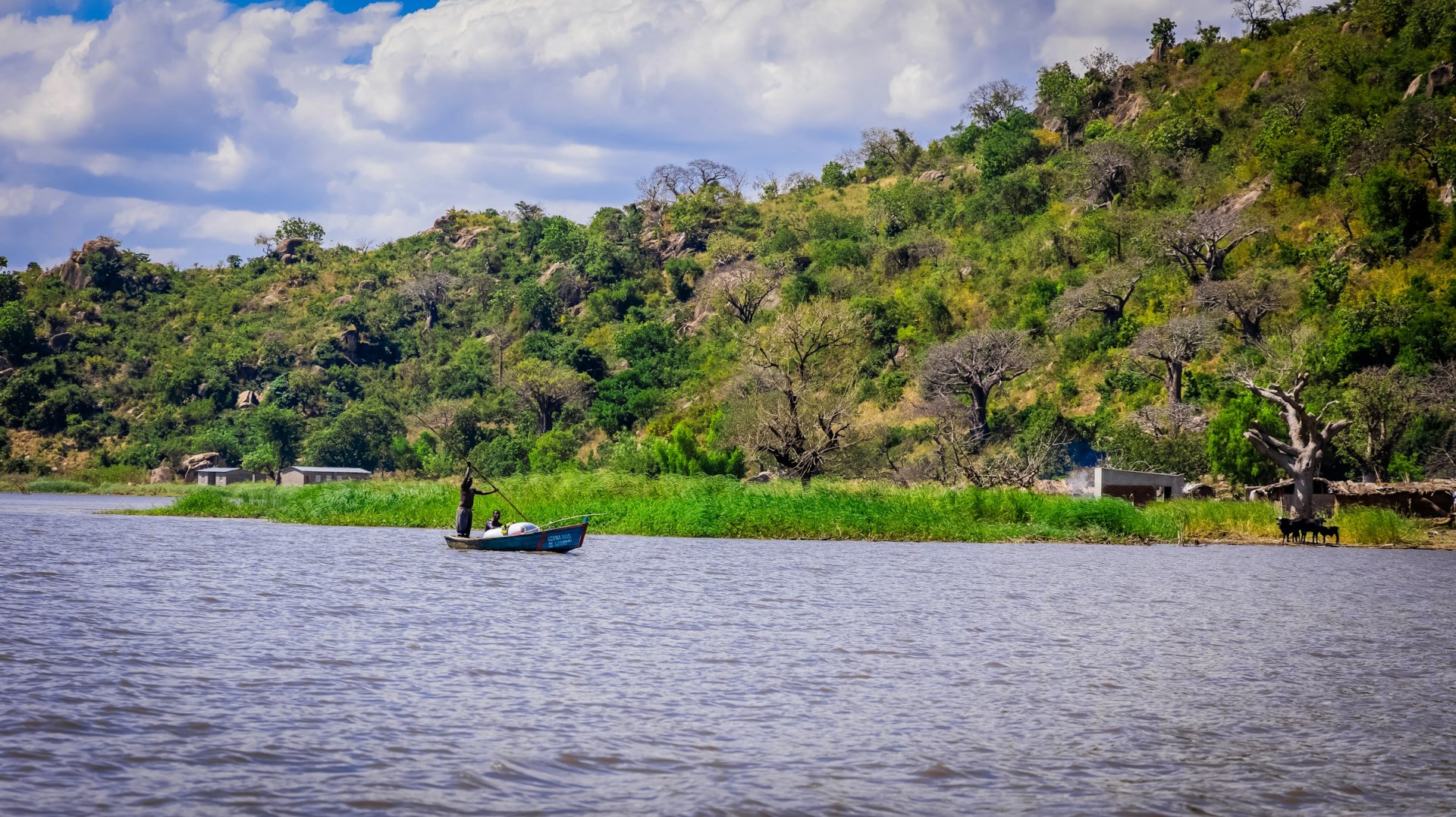
Njalo Island is a small inhabited island in Lake Chilwa, in southern Malawi’s Phalombe District. Situated in the lake’s open waters, it is part of a wetland landscape shaped by changing water levels, shallow channels, marshes, and seasonal fishing activity. The island is home to a close-knit community whose daily life is closely connected to the lake. Fishing provides an important source of food and income, while boats are essential for transport between the island and mainland communities.

Cape Town
Cape Town, located at the southern tip of South Africa, is one of the world’s most striking coastal cities. Towering over it is Table Mountain, a flat-topped landmark that can be reached by cable car or on foot, offering sweeping views of the city, ocean, and beyond.
Izmir
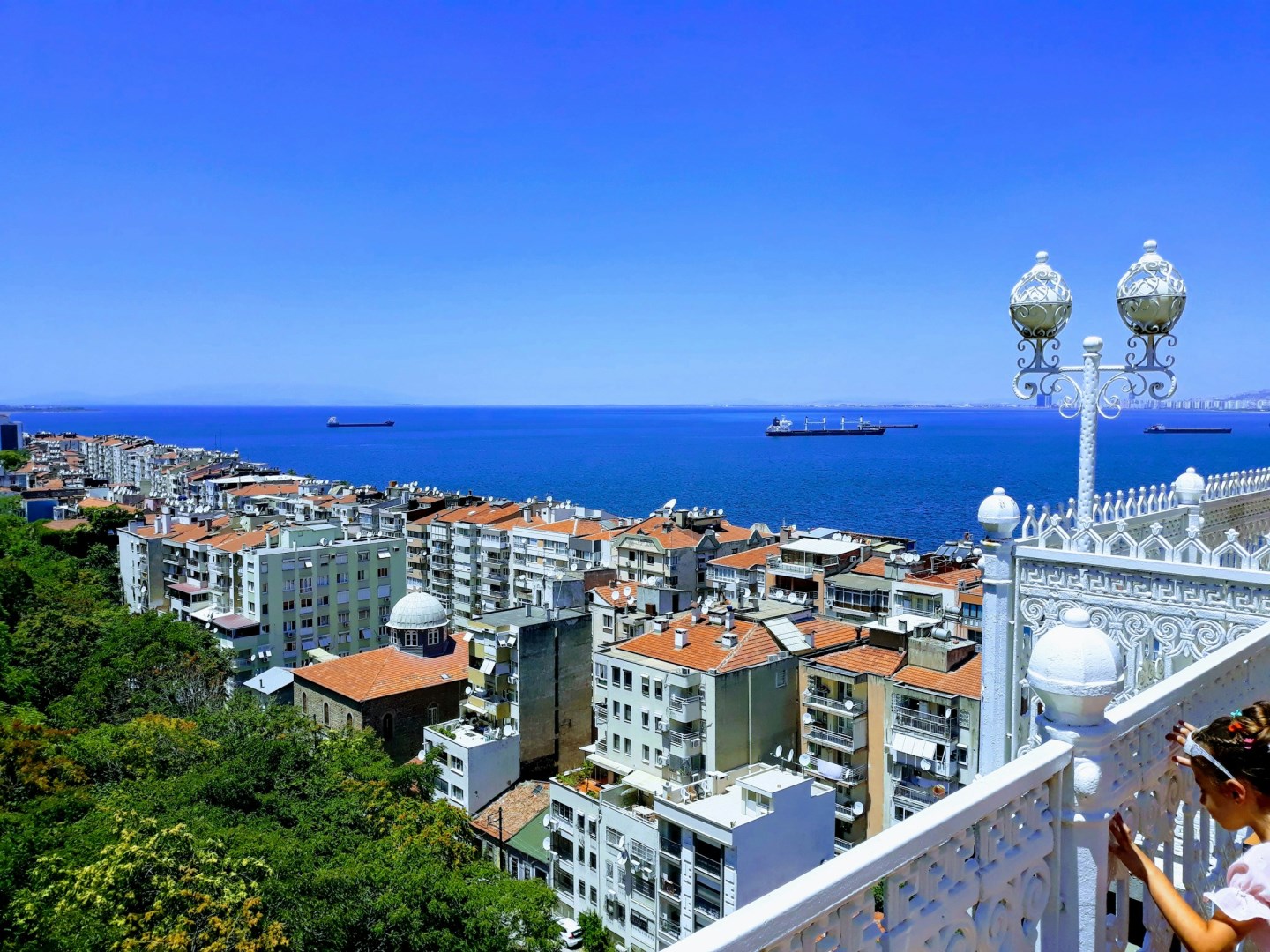
The third largest city in Turkey, a cosmopolitan and lively city all year round, during the International Arts Festival (June/July) and the international Fair (August/September), Izmir bursts with an added vibrancy.