Sintra
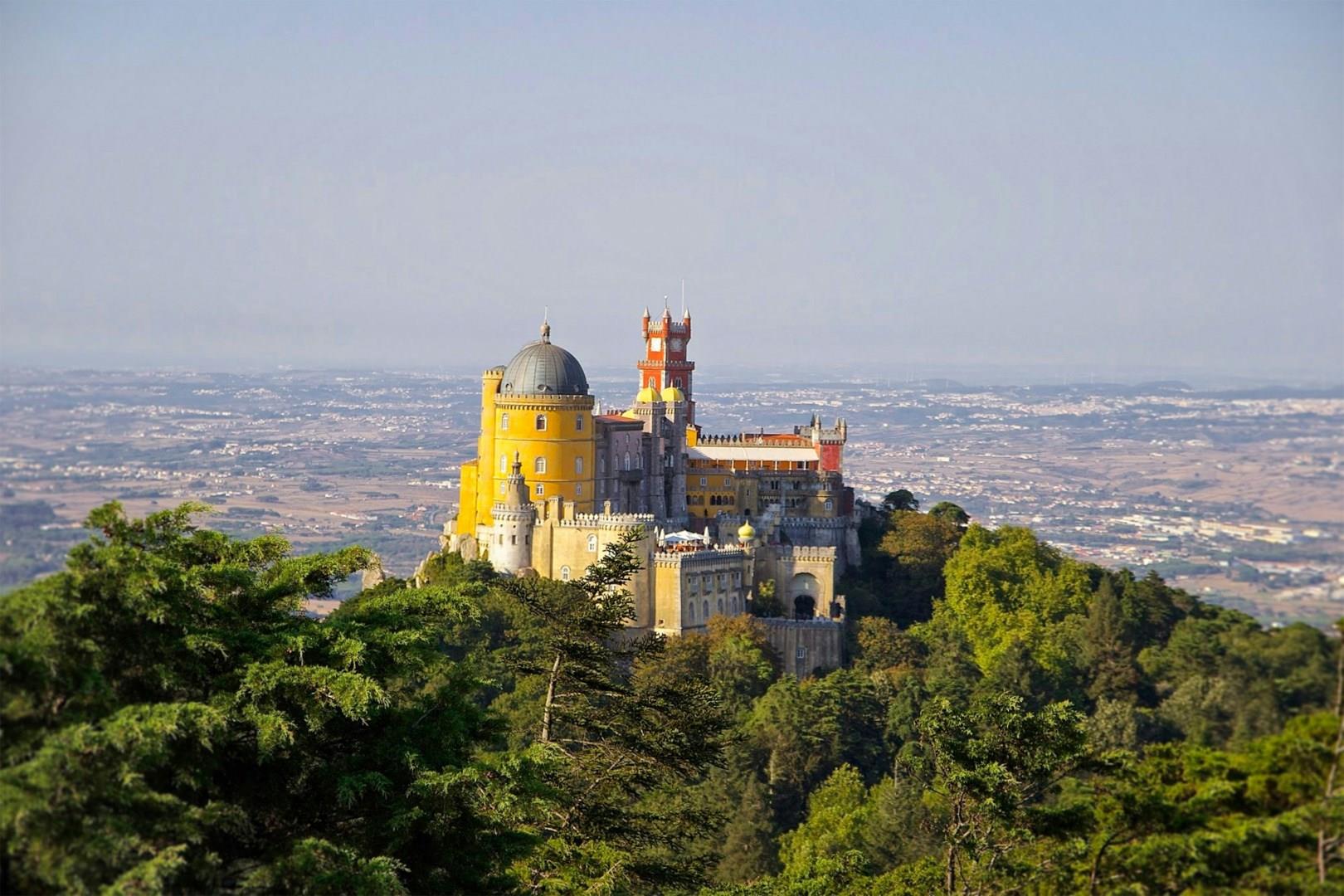
Sintra, located just 40 minutes from Lisbon, feels like a world apart. Tucked into the hills of the Serra de Sintra, this town has drawn kings, poets, and explorers for centuries. It was once the summer retreat of Portuguese royalty, who left behind palaces and gardens that seem pulled from a storybook. The most famous, Palácio da Pena, is perched high above the town with bold red and yellow towers that blend Romanticism with Moorish and Gothic styles.
Saint Paul De Vence
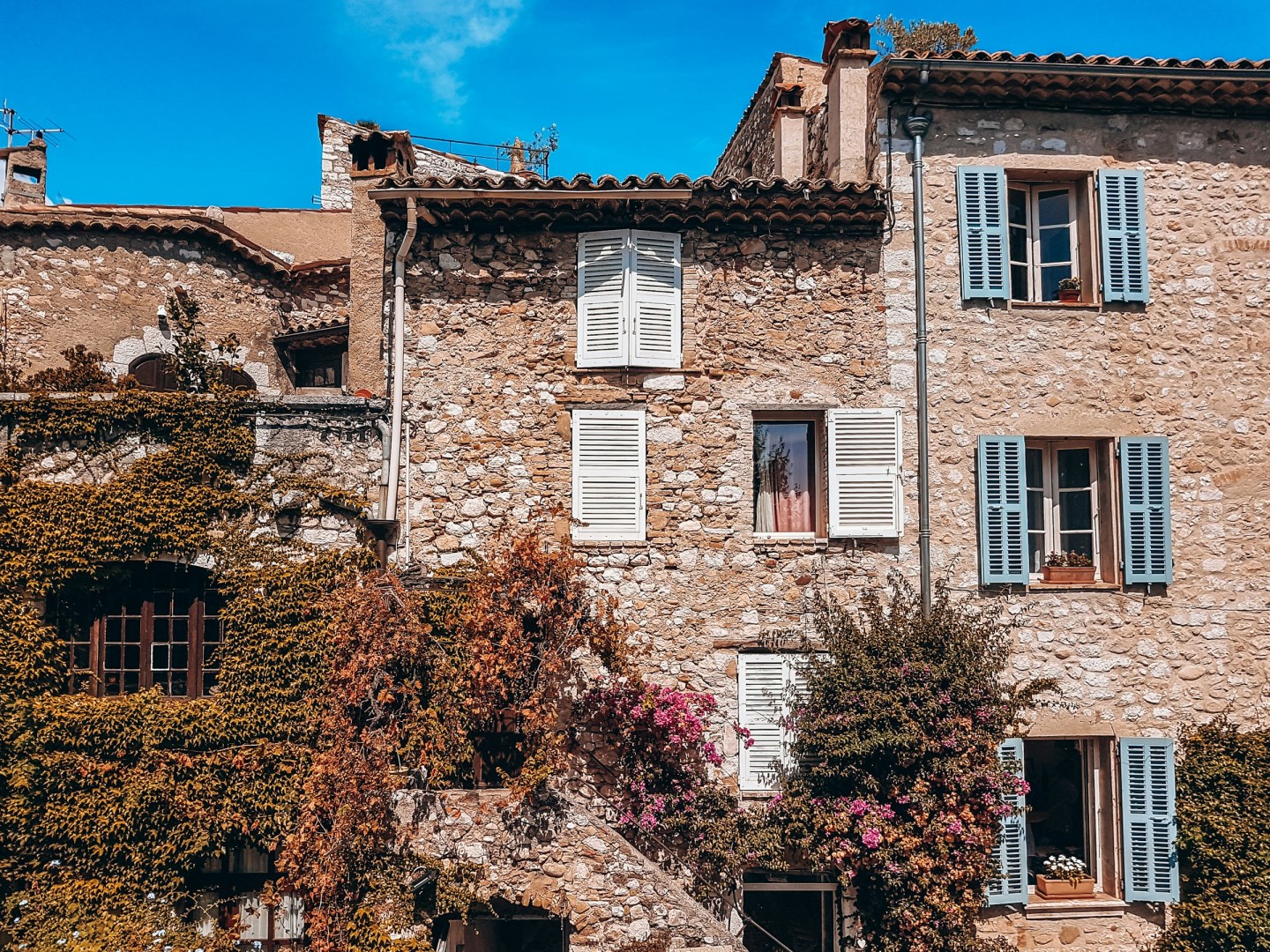
The quaint village of St. Paul De Vence is situated on top of a hill overlooking the beautiful countryside. This medieval, walled town offers historic buildings, hidden alleyways, museums and many specialty shops.
Reynosa
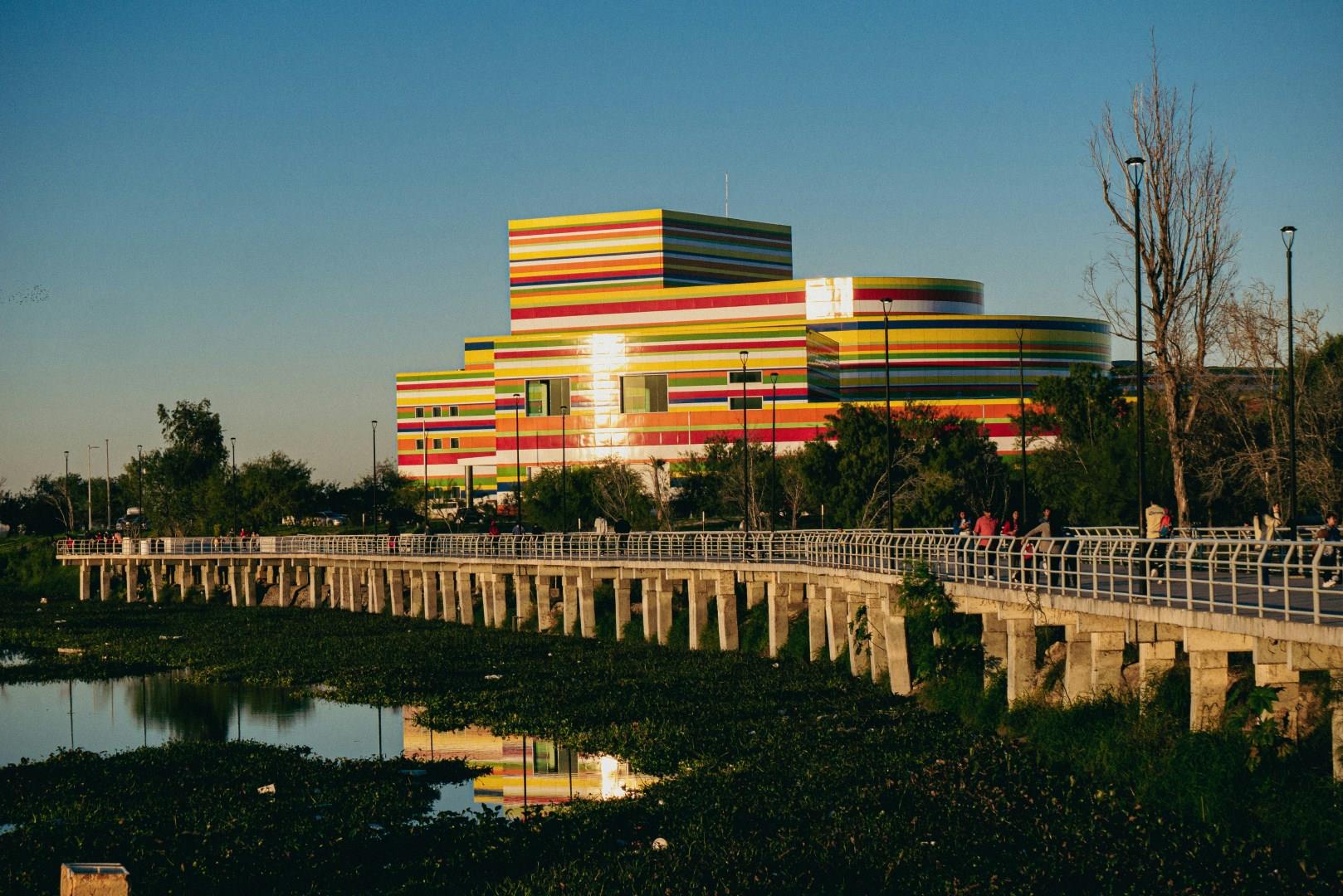
Reynosa, located along the northern border of Tamaulipas, is a city shaped by its position as a cultural and economic bridge between Mexico and the United States. Founded in 1749, Reynosa has grown into a vital manufacturing and trade center, but it also holds onto traditions that reflect both its regional roots and binational influences. The Plaza Principal is a popular gathering spot, often hosting live music and seasonal festivals.
Croatia
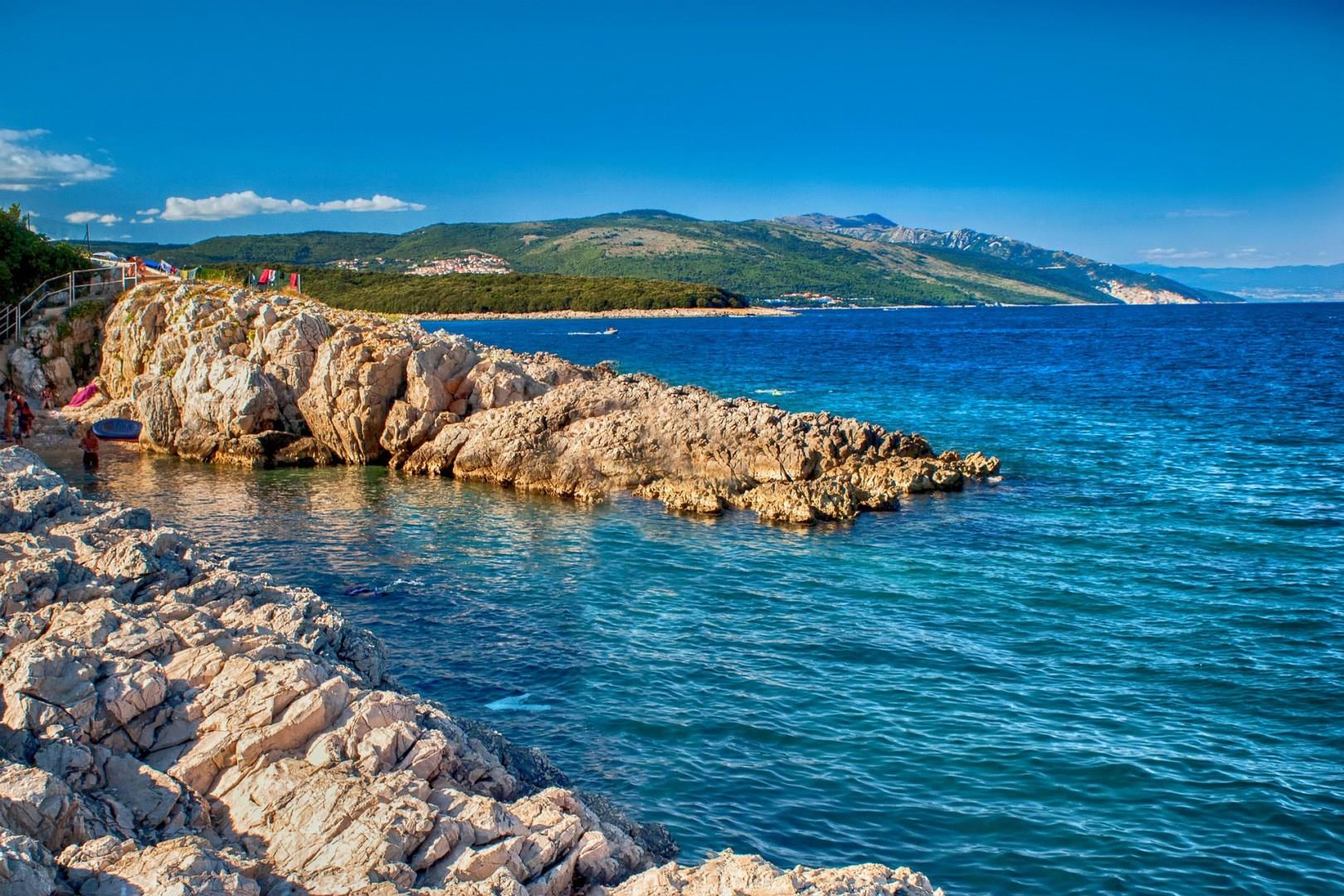
Croatia, a gem of the Adriatic coast, invites travelers to explore its stunning landscapes and rich history. The capital city, Zagreb, is a vibrant blend of medieval charm and modern sophistication. Wander through the Upper Town (Gornji Grad), where cobblestone streets lead you to the historic Stone Gate and the majestic Zagreb Cathedral. For a taste of local culture, visit Dolac Market, where fresh produce and traditional Croatian delicacies create a lively atmosphere source.

Copenhagen
Charming Copenhagen is the jewel of Denmark and a delightful stop for any traveler. Well-known as an eco-friendly haven for sustainable and green living, Copenhagen has embraced its status as the best “bike city” on earth and promoted the use of bicycles by locals and tourists.