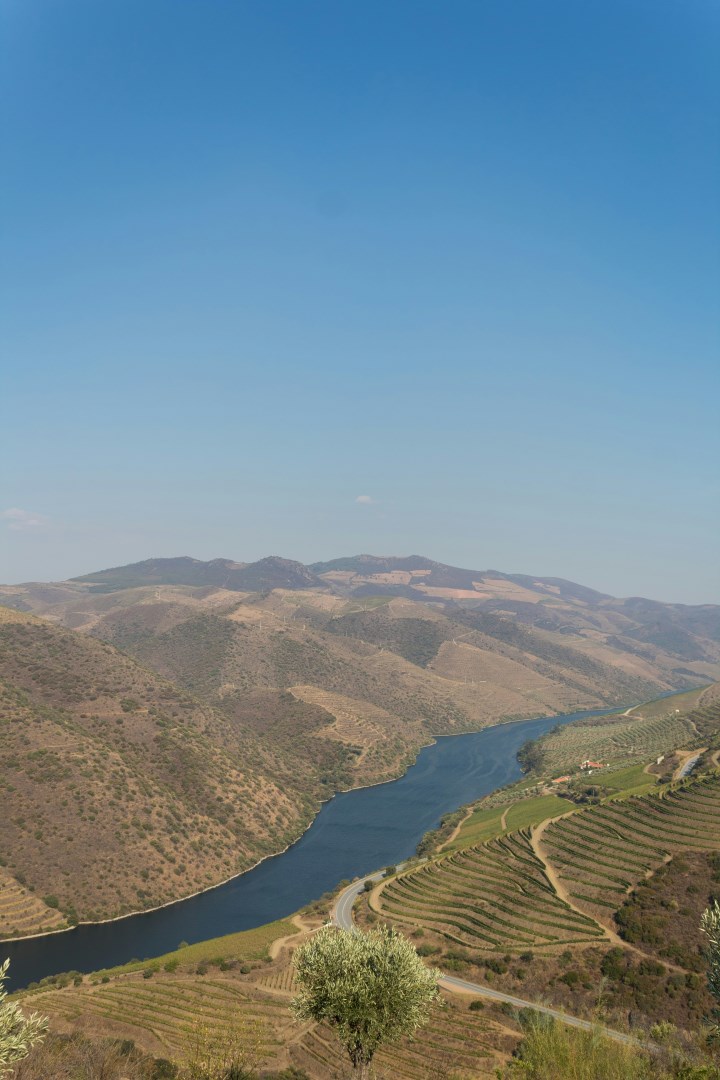
Côa Valley
Coa Valley lies in northeastern Portugal near the Douro River, in a landscape shaped by steep hills, schist cliffs, vineyards, olive groves, and almond trees. The area is best known for its open-air prehistoric rock engravings, spread across the banks of the Coa River and protected as a UNESCO World Heritage Site.
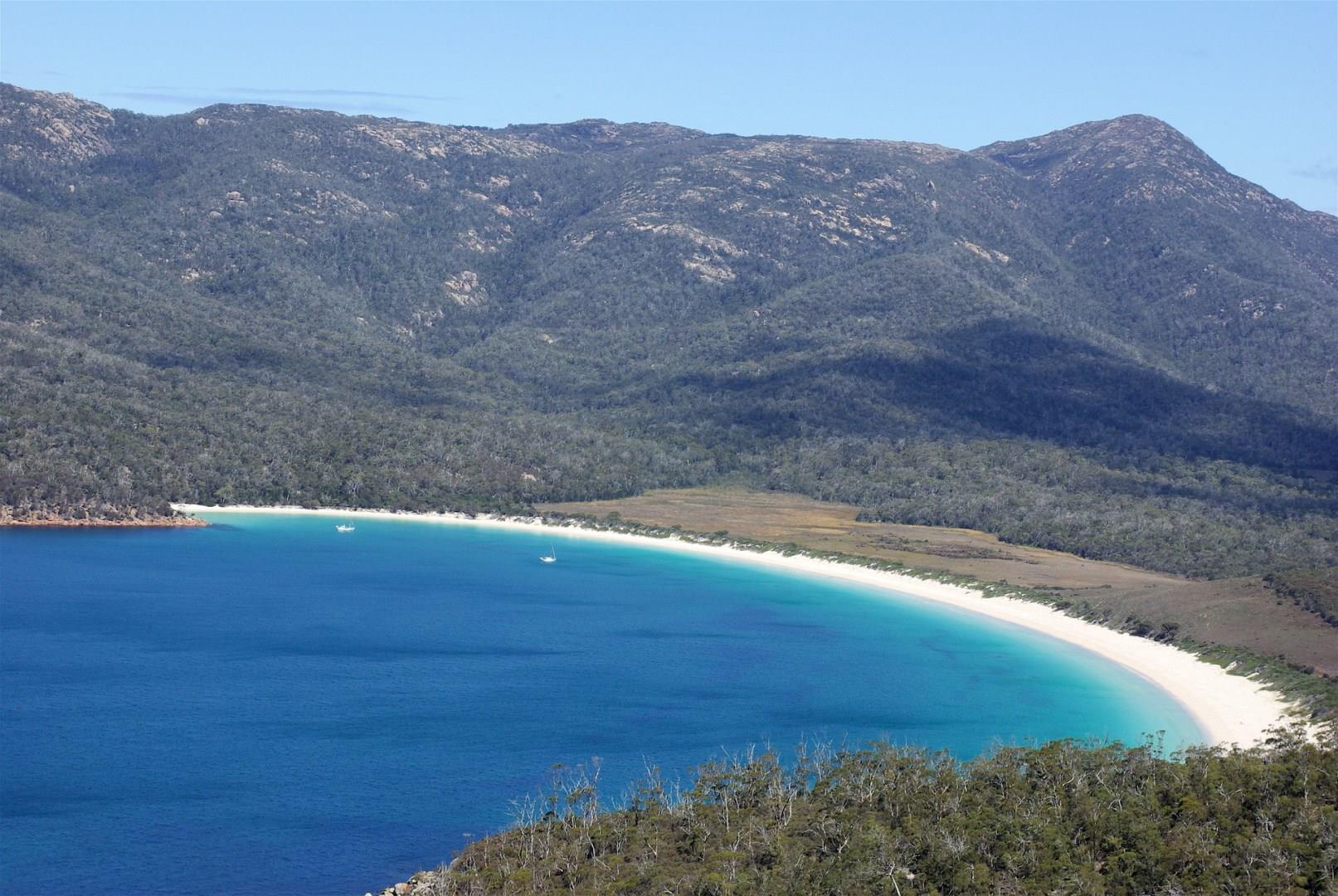
Wineglass Bay
Nestled within Freycinet National Park on Tasmania's stunning east coast, Wineglass Bay is a destination that calls out to nature lovers and adventure seekers alike.
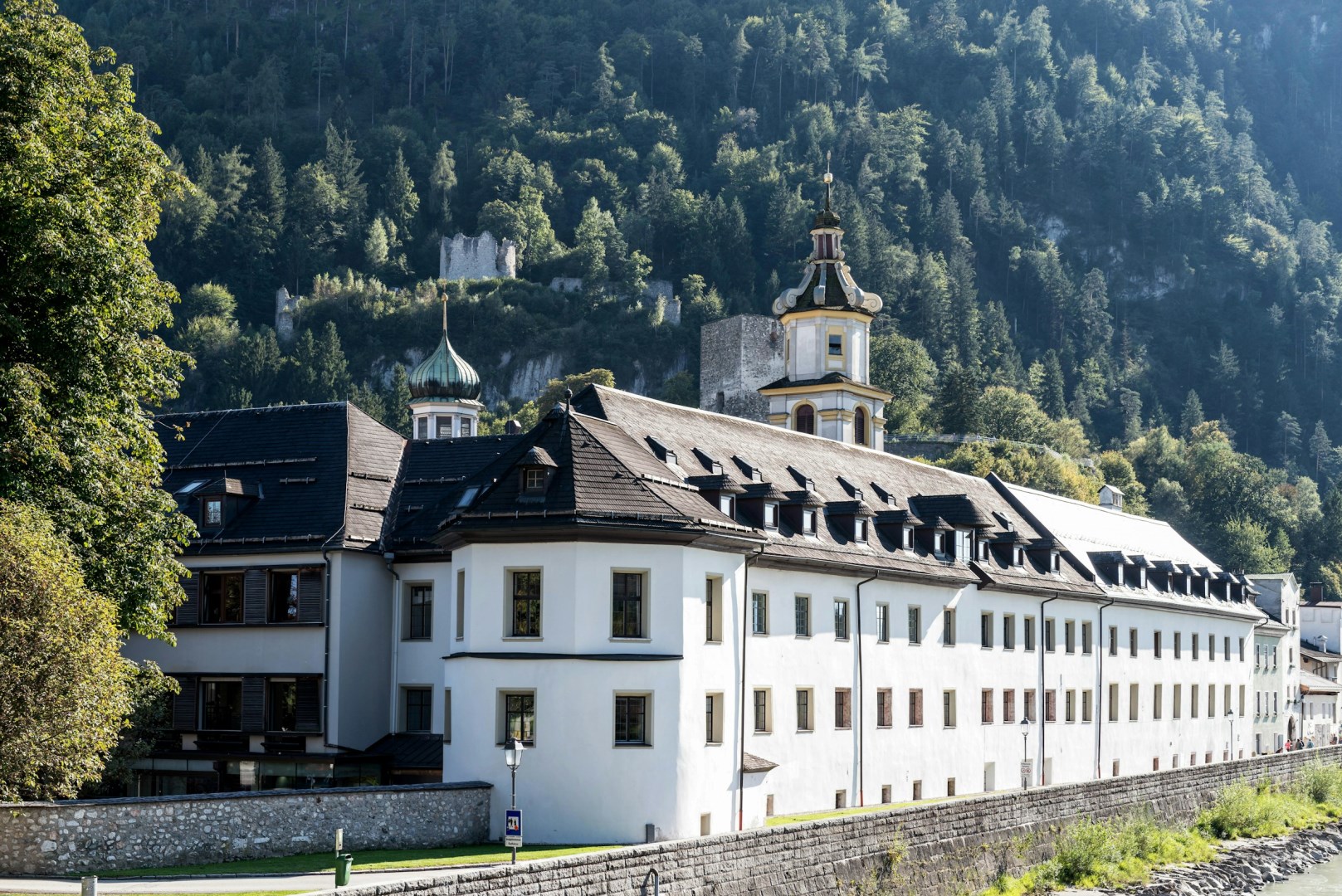
Rattenberg
One of the smallest towns in Austria, known for its quality glass, refined by craftmen who demonstrate their artistic abilities.

Honningsvag
Honningsvag is a town on the north coast of Norway and the gateway to Nordkapp, or North Cape, which marks the northernmost point in Europe. This remote Norwegian destination is a popular stop for cruises to Northern Europe and the Arctic.
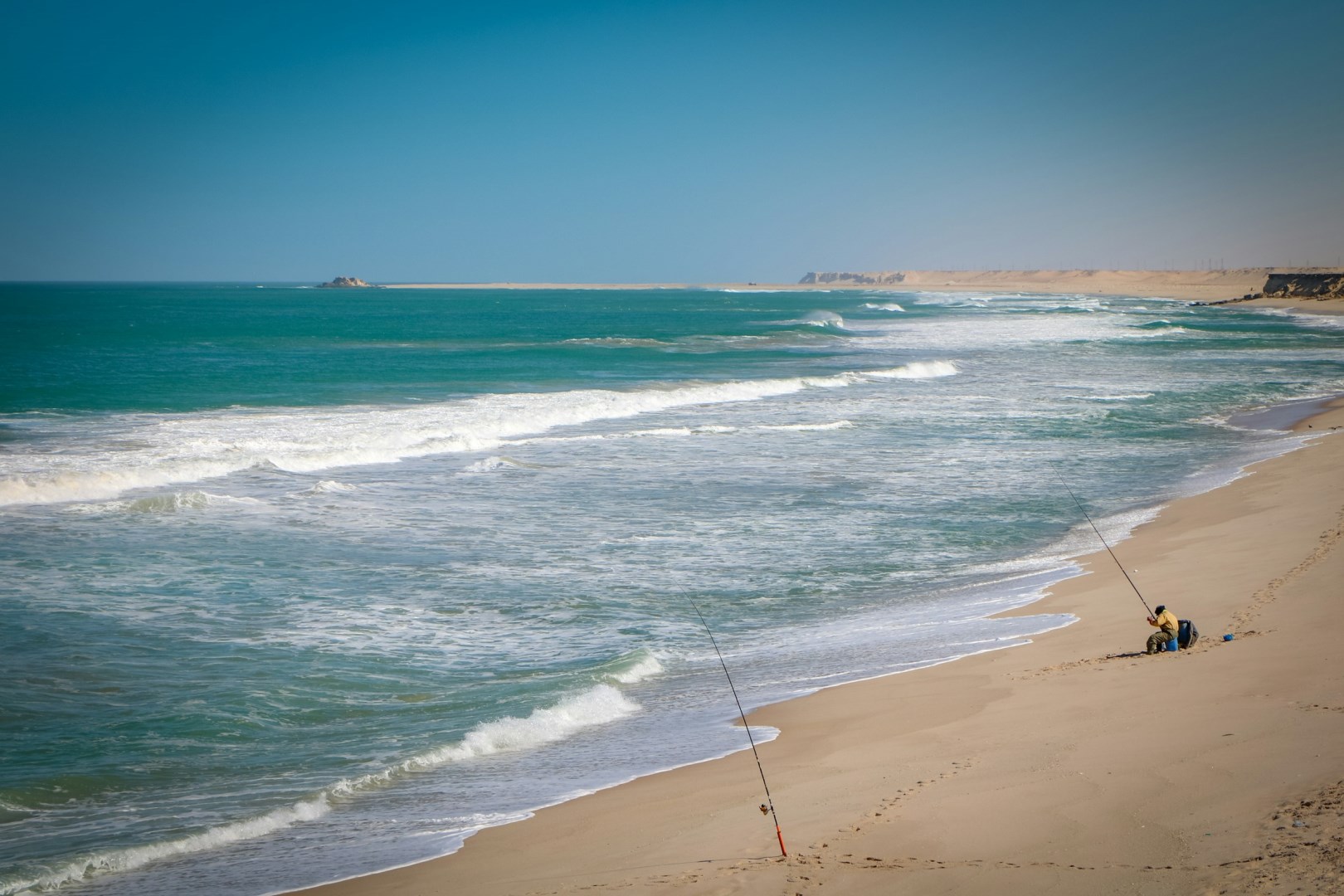
Dakhla
Dakhla is a coastal city in Morocco’s far southwest, situated on a narrow peninsula that extends into a large Atlantic lagoon. Its setting creates a striking contrast between the dry desert landscape inland and the sheltered blue waters along the coast. Dakhla is an important regional centre for fishing, commerce, and transport, while its lagoon has made the city increasingly known for water sports.