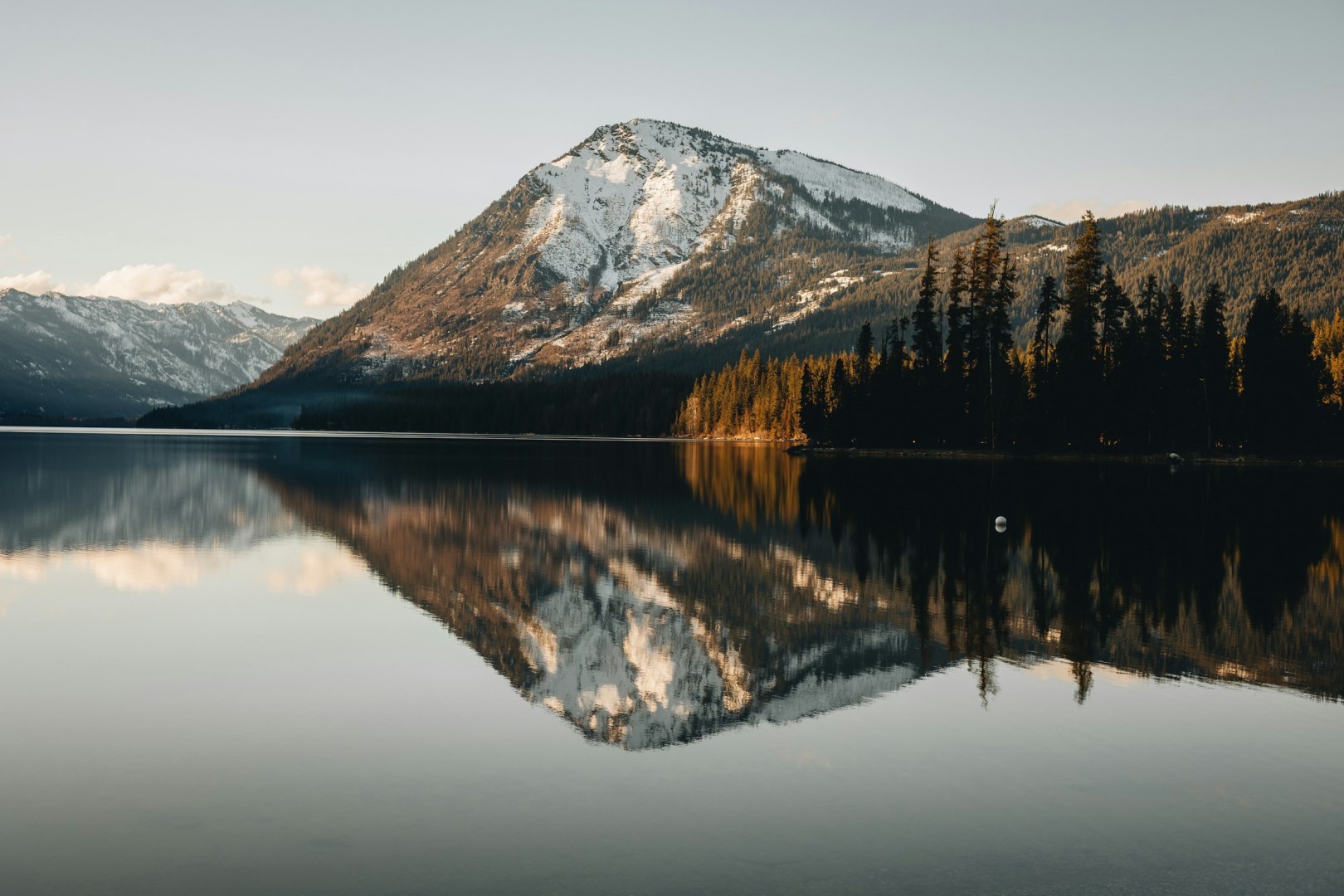
Wenatchee
Our mountains are high with lush forest and pristine alpine lakes hidden from the too casual viewer. Wildlife abound along the rippling streams that feed the wild waters of the Wenatchee River, finally merging with the mighty Columbia. King salmon fighting to return to their birthplace can be viewed from the Rocky Reach Dam. Nature is at its unspoiled best
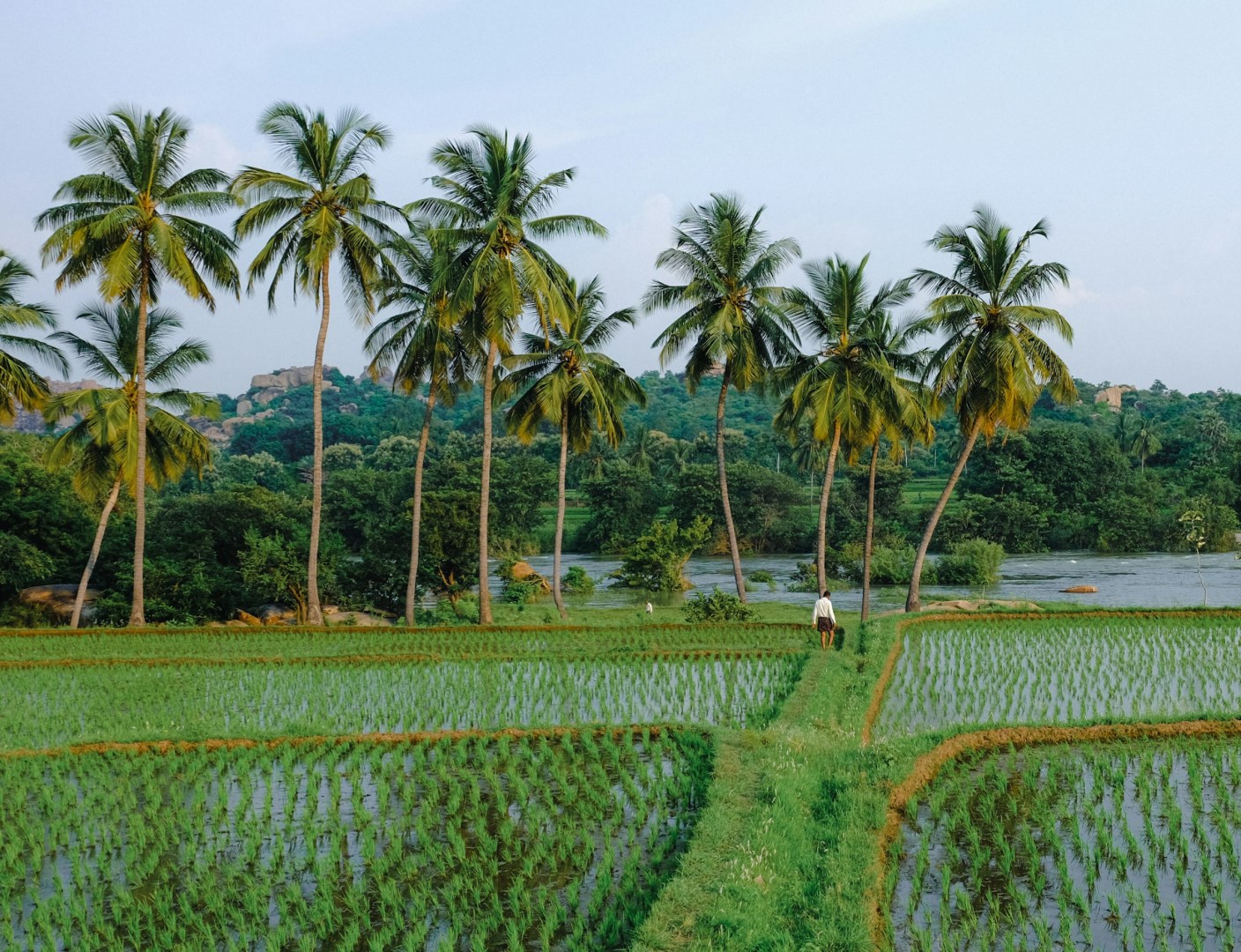
Hampi
Hampi is a historic village and archaeological landscape in Karnataka, set among dramatic granite boulders, rocky hills, banana plantations, and the Tungabhadra River. The ruins belong to the former capital of the Vijayanagara Empire and cover a wide area of temples, gateways, markets, palaces, shrines, and water structures. The landscape is notable for the way monumental architecture sits among natural rock formations and agricultural fields. Hampi is recognized as a UNESCO World Heritage Site
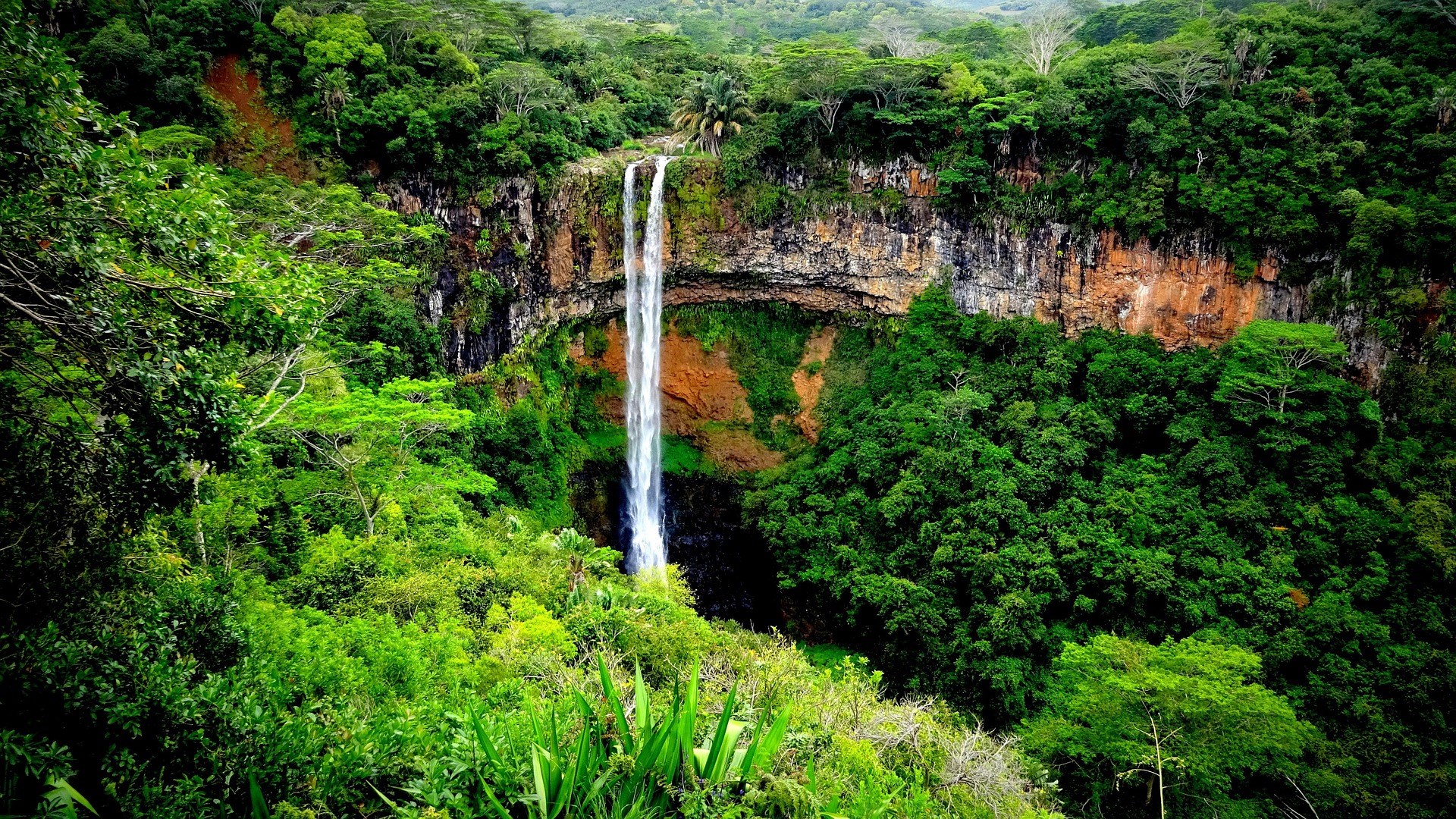
Chamarel
Chamarel is a mountain village in southwestern Mauritius, surrounded by forested slopes, volcanic terrain, and agricultural land. Its elevated position gives the area a cooler, wetter setting than much of the coast, while its location near Black River Gorges National Park places it within one of the island’s main protected landscapes.

Egypt
Egypt is a land of timeless wonders, where ancient history meets modern vibrancy. The Great Pyramids of Giza, the Sphinx, and the Temple of Karnak are just a few of the awe-inspiring monuments that attract millions of tourists each year.
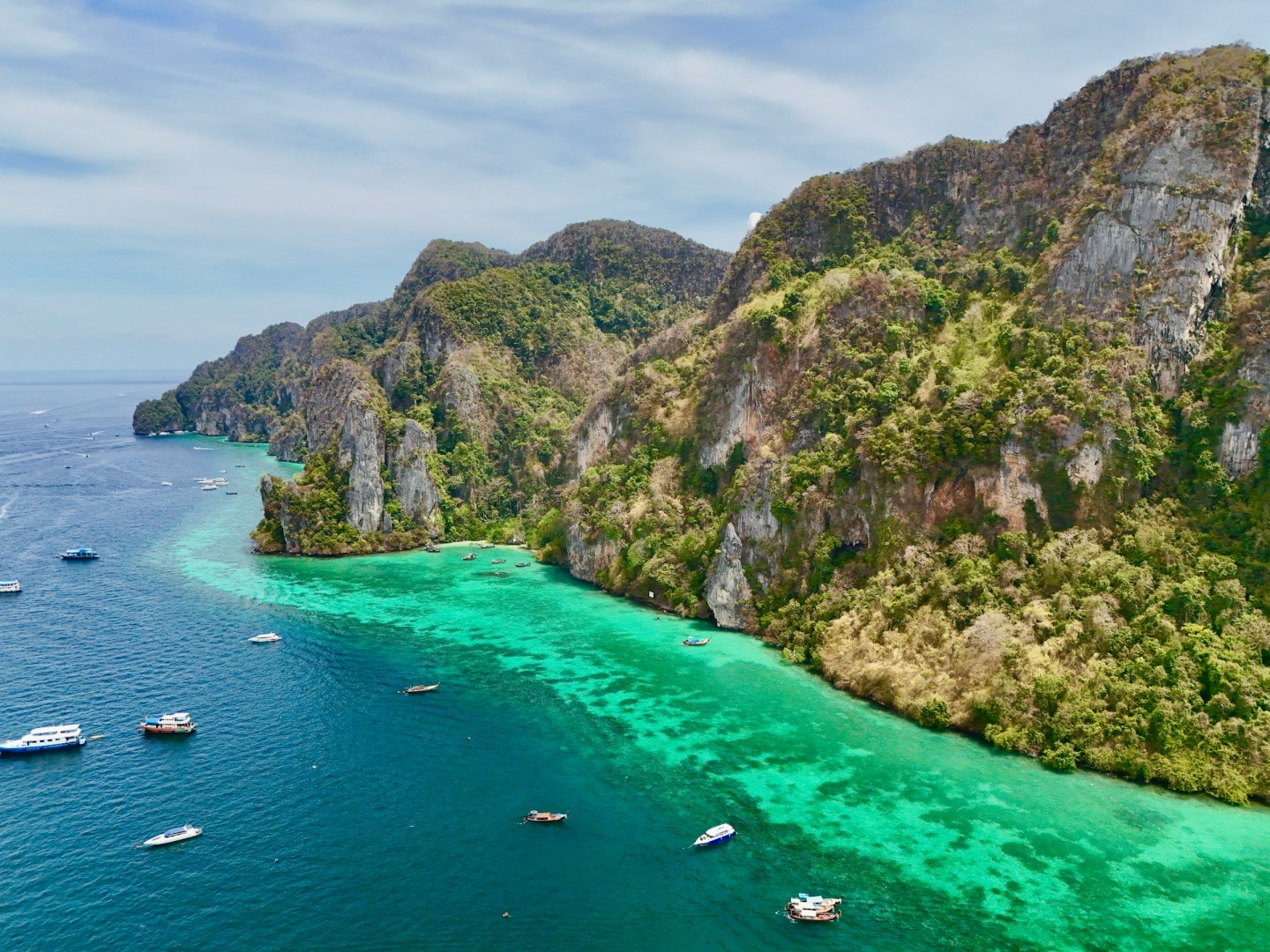
Koh Phi Phi
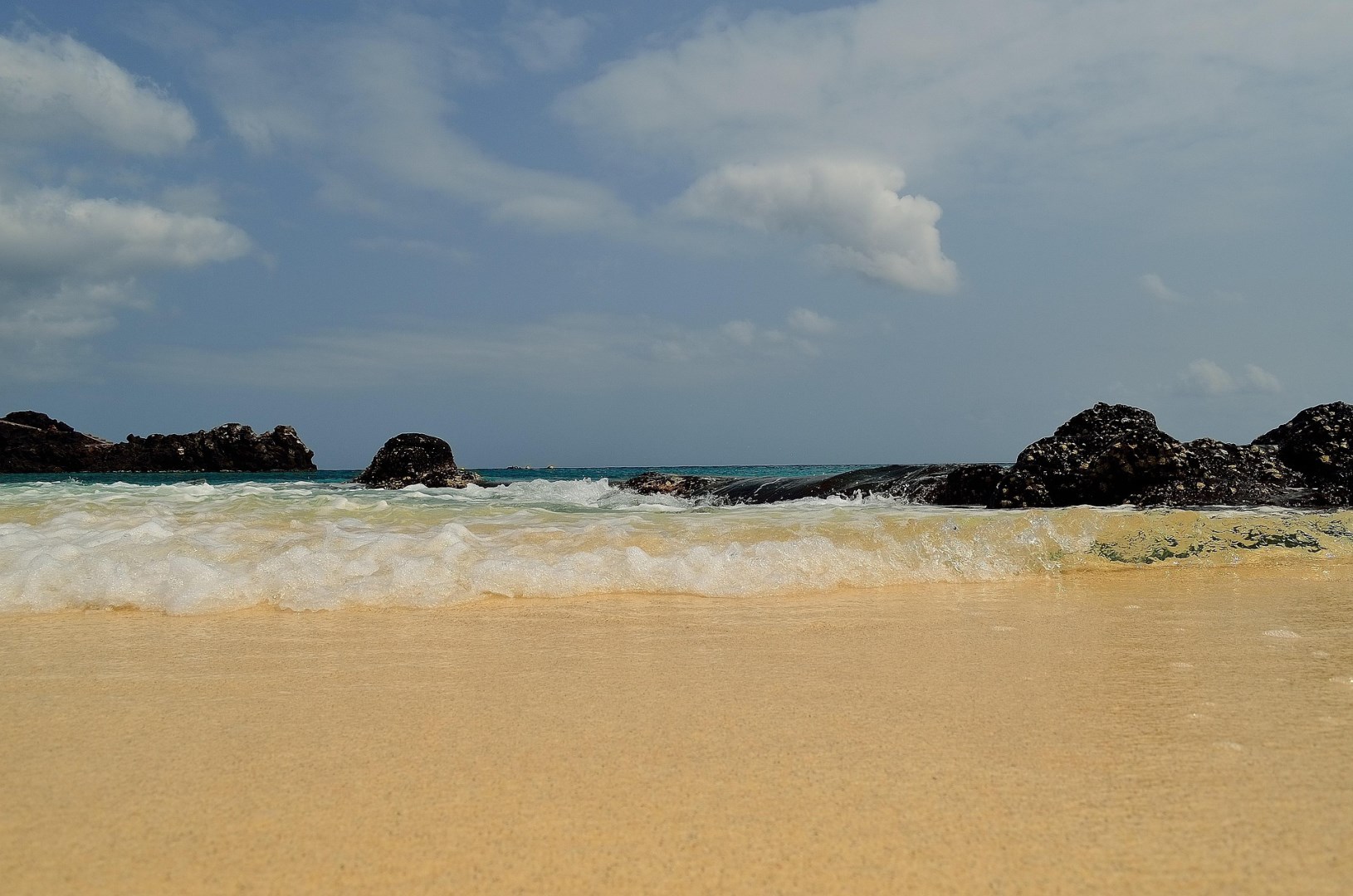
Koh Phi Phi, a stunning archipelago in the Andaman Sea, is a jewel in Thailand’s tourism crown. Famous for its crystal-clear waters, lush tropical landscapes, and dramatic limestone cliffs, this destination is a haven for both adventure seekers and those looking for a serene escape.