
Kuwait City
Kuwait City began as a modest fishing village and has evolved into a modern metropolis. The city's history is deeply rooted in its maritime heritage. The Dhow Harbour in Kuwait City offers a captivating glimpse into the nation's rich maritime past. Historically, dhows were essential for trade, fishing, and pearl diving, shaping Kuwait's economic and cultural identity. Today, the harbor remains a vibrant testament to this legacy, housing a variety of traditional wooden ships.

Bornholm
Bornholm, a picturesque Danish island in the Baltic Sea, offers a unique blend of natural beauty and cultural charm. Renowned for its rugged coastline and charming villages, Bornholm is a haven for outdoor enthusiasts. The island's northern coast is particularly famous for its dramatic cliffs and clear waters, perfect for hiking and cycling.
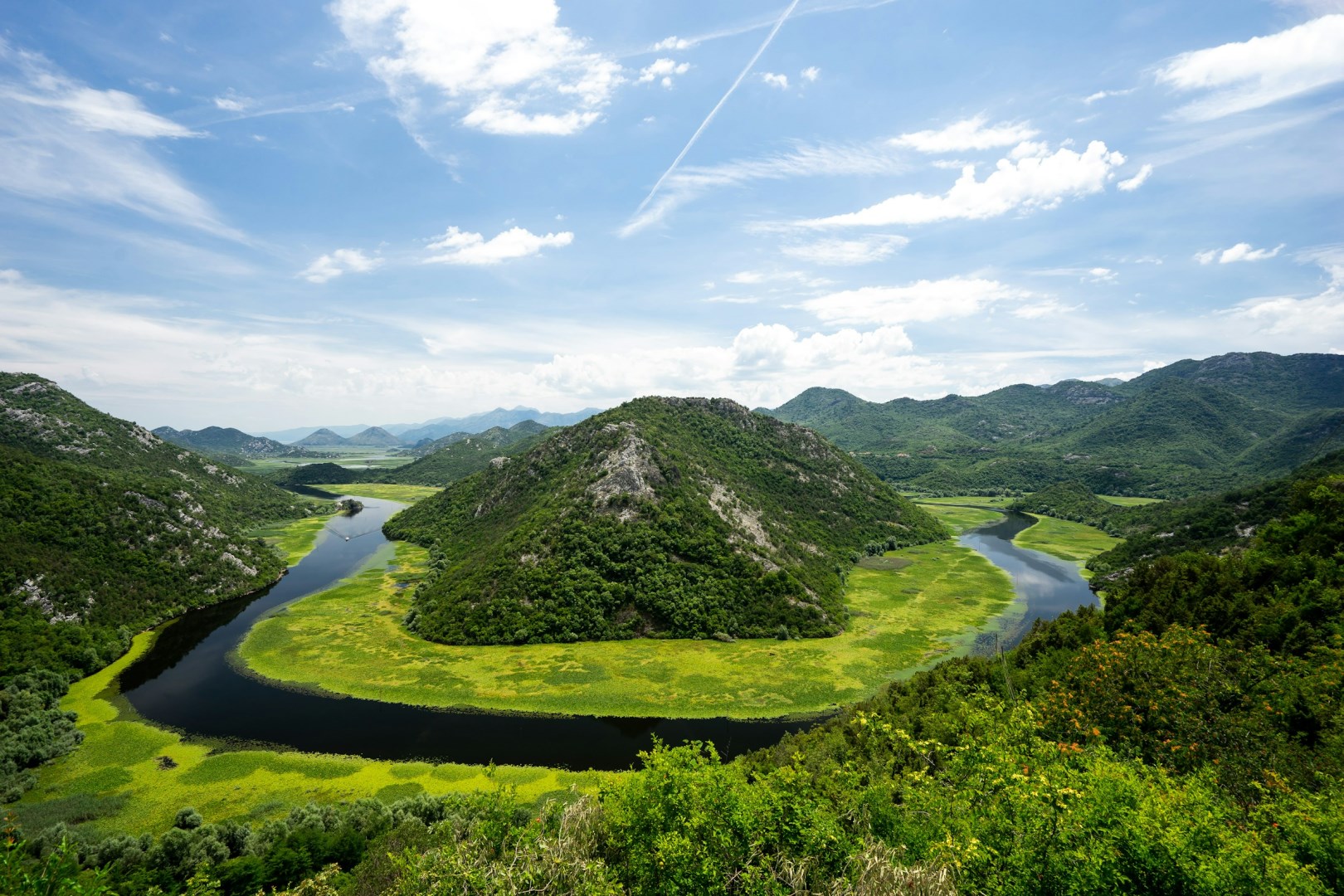
Skadar Lake National Park
Skadar Lake National Park protects the Montenegrin side of Lake Skadar, the largest lake in the Balkans, near the country's southern border with Albania. The lake expands and contracts with seasonal water levels, creating a landscape of marshes, reed beds, open water, rocky shores, and low hills. The park is especially important for wetland wildlife and contains a rich variety of fish, plants, and birds.
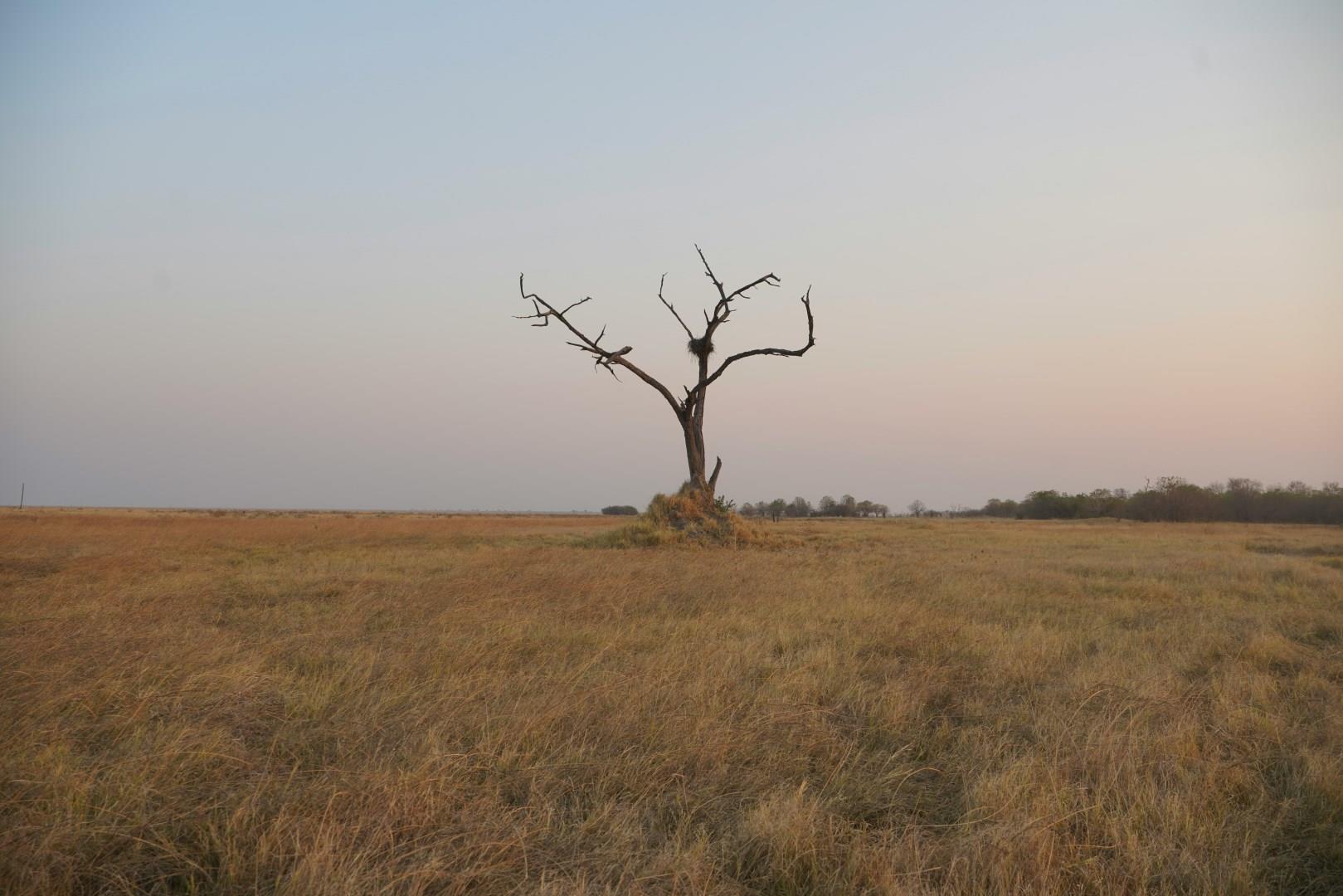
Maun
Maun, often referred to as the "tourism capital" of Botswana, is a vibrant gateway to the Okavango Delta, one of the world's largest inland deltas. Visitors can explore the nearby Moremi Game Reserve, known for its diverse wildlife and stunning landscapes, or take a scenic flight over the delta for a bird's-eye view of this spectacular UNESCO World Heritage Site.

Paro
Paro, Bhutan, is a serene valley town that offers a gateway to the mystical charm of the Land of the Thunder Dragon. Nestled amidst verdant hills and bisected by the glistening Paro Chhu river, Paro is home to some of Bhutan’s most iconic landmarks and cultural treasures. At the heart of this picturesque valley stands the majestic Paro Dzong, or Rinpung Dzong, a fortress-monastery with a history dating back to the 17th century.