Reading
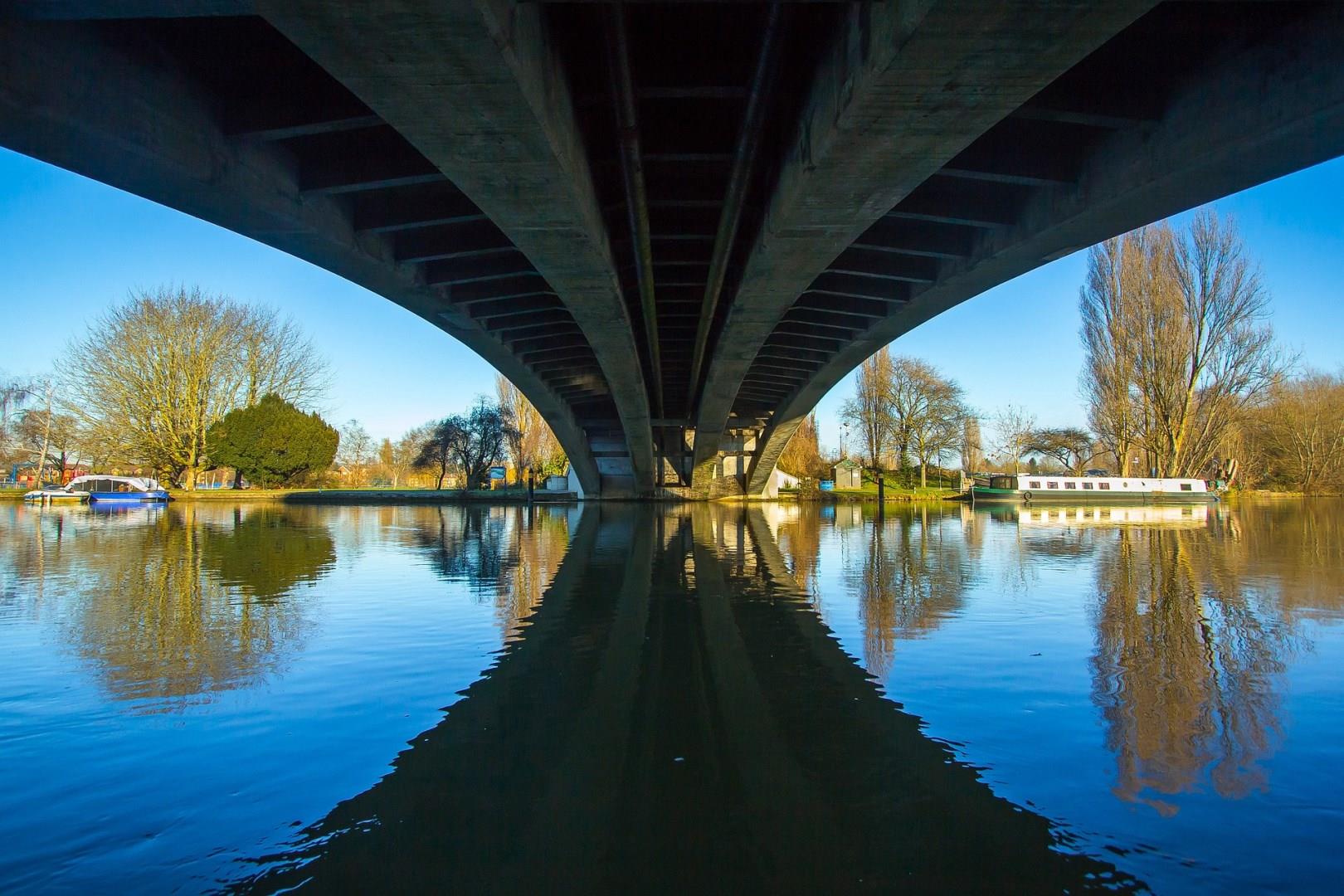
Reading, a historic town in Berkshire, England, offers a blend of cultural heritage and modern attractions. Known for its rich history, Reading boasts landmarks such as the Reading Abbey, founded in 1121 and once one of the most important monastic sites in England. The Abbey’s ruins are a fascinating site for history enthusiasts, providing a glimpse into medieval architecture and the town’s monastic past.
Providence
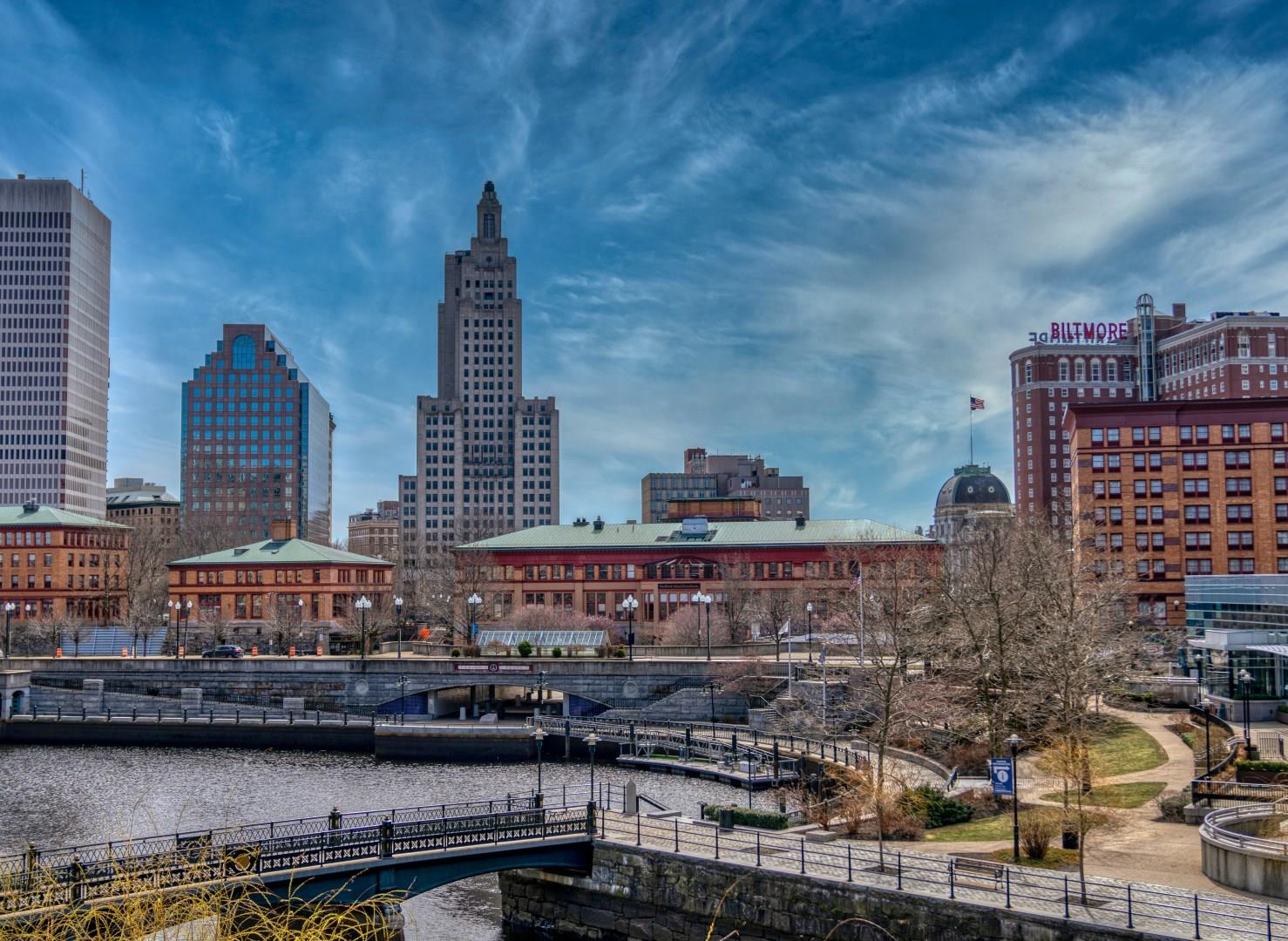
Providence, Rhode Island blends deep colonial roots with a strong creative pulse. Founded in 1636 by Roger Williams, the city became known for its dedication to religious freedom and independent thought. Walking along Benefit Street, visitors pass rows of 18th- and 19th-century homes, many of which are impeccably preserved and marked with historical plaques. The Rhode Island State House, with one of the world’s largest self-supported marble domes, towers over the downtown area and offers public

Bayonne
Bayonne, nestled in the heart of France's Basque Country, offers a delightful blend of history, culture, and gastronomy. This charming city, with its half-timbered houses and narrow cobbled streets, sits at the confluence of the Nive and Adour rivers, creating a picturesque setting that invites leisurely exploration. The Gothic Bayonne Cathedral, a UNESCO World Heritage Site offers stunning views and an opportunity to admire its breathtaking 13th-century architecture.
Grand Haven
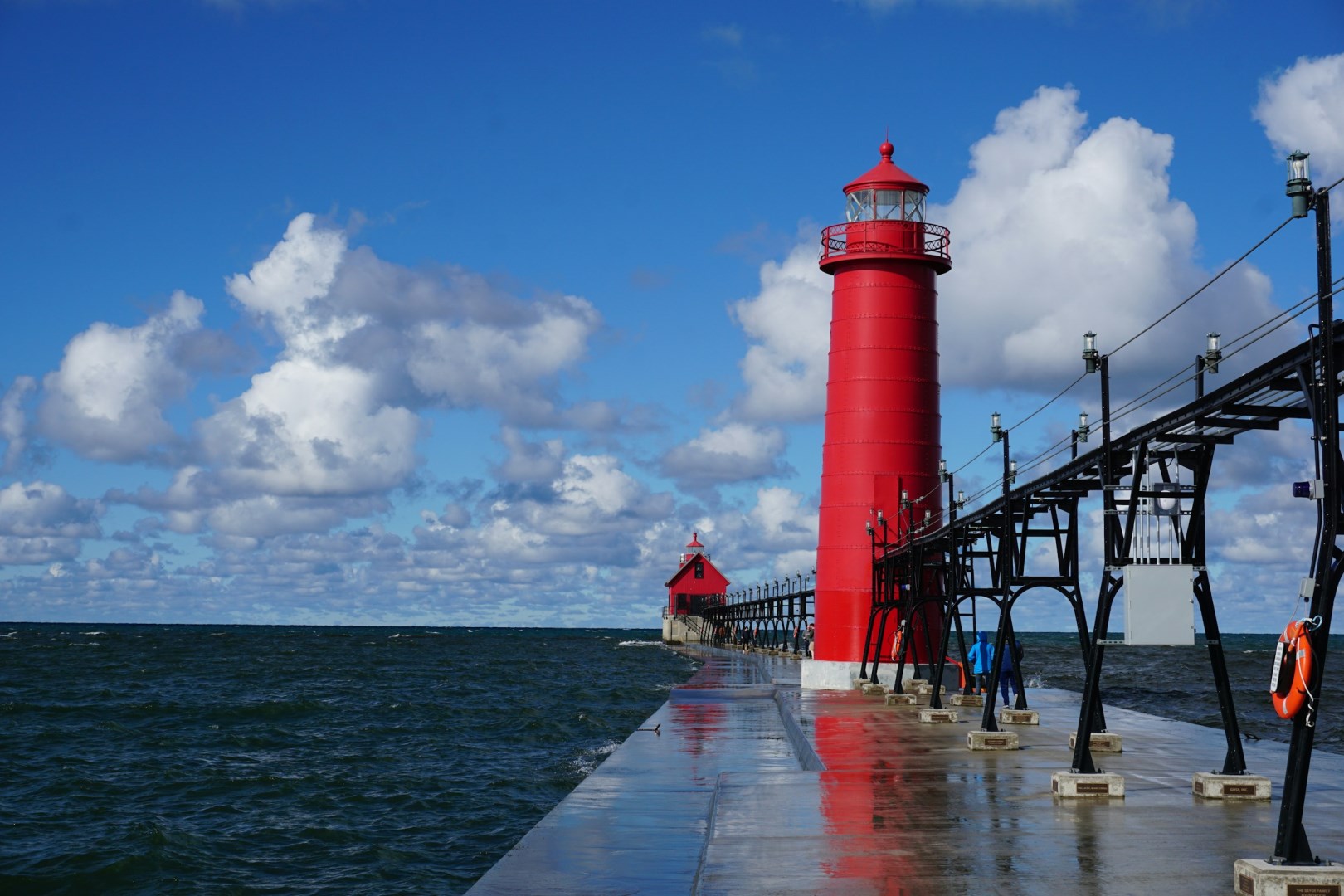
Glen Haven is a small historic lakeside settlement on the western side of Michigan’s Leelanau Peninsula, within Sleeping Bear Dunes National Lakeshore. It sits along Lake Michigan beside a sheltered natural harbor, with forested hills and steep dunes rising behind the shoreline. Unlike nearby towns, Glen Haven is primarily a preserved historic site rather than a conventional residential community.

Ho Chi Minh City
Ho Chi Minh City, Vietnam’s largest metropolis, is a dynamic hub where history, culture, and commerce intersect. Formerly known as Saigon, the city reflects layers of its past, from French colonial architecture to markets and historic districts that capture the energy of daily life.