Congaree National Park
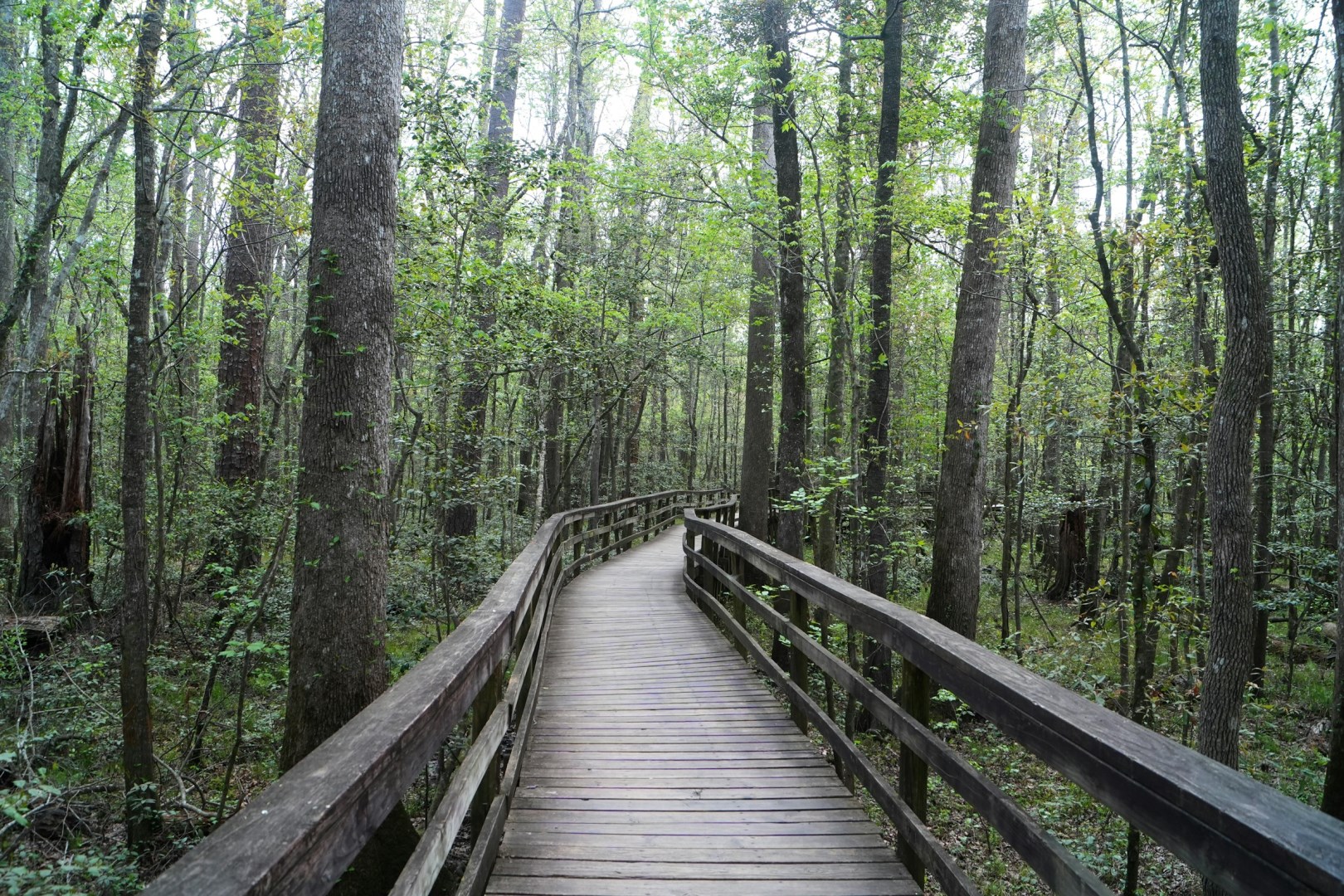
Imagine standing in complete stillness as thousands of tiny lights blink in perfect harmony around you. Every spring in Congaree National Park, this bioluminescent ballet plays out under the forest canopy. This is nature’s very own light show, and it lasts only two magical weeks. Time your visit right, and you’ll be part of a glowing experience few ever witness.
Tsavo East National Park
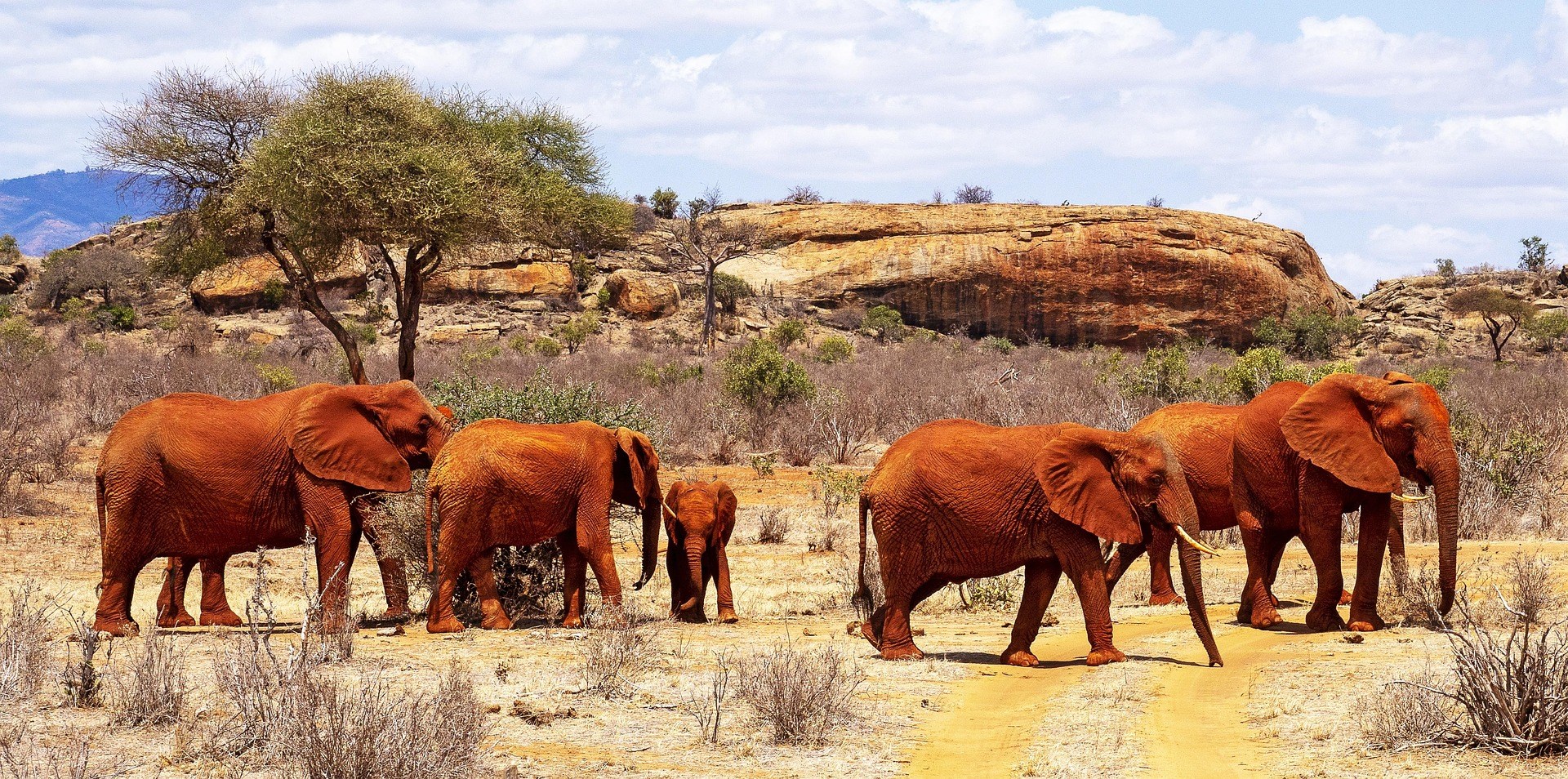
Tsavo East National Park is one of Kenya’s largest protected areas, covering about 13,747 square kilometres in the country’s southeast. Its landscape is largely semi-arid, with open plains, scrub, rocky outcrops, and river corridors shaped by the Tsavo, Athi, Galana, and Voi rivers. The park is particularly associated with its dust-red elephants, whose appearance comes from the animals coating themselves in the park’s distinctive red soil.
Gallipoli
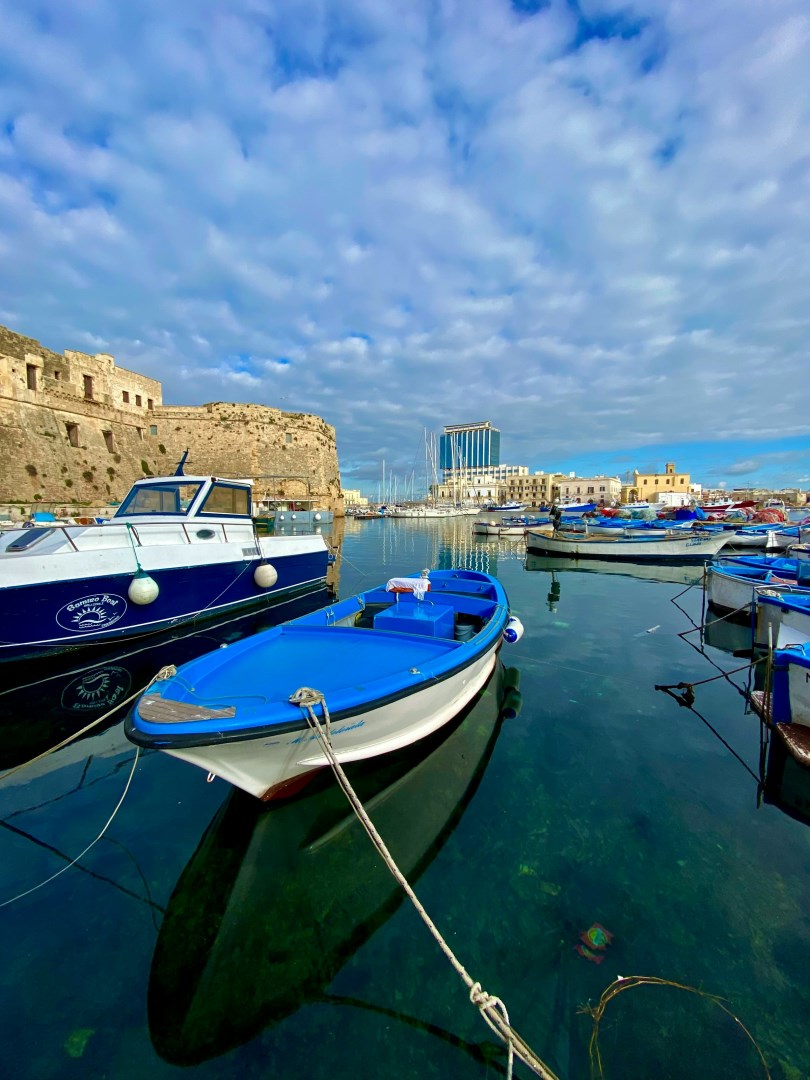
Gallipoli is a coastal town in Puglia’s Salento peninsula, built around an old city that occupies a limestone island just offshore from the modern mainland. A bridge connects the historic island with the newer part of town, creating a distinctive layout shaped by the sea. The old center contains narrow streets, whitewashed buildings, small squares, churches, and remnants of defensive walls, while the waterfront opens toward the Ionian Sea.

York
York, England, is a city where over 2,000 years of history comes to life. Originally founded by the Romans in 71 AD as Eboracum, York has witnessed the rise and fall of empires, from the Vikings to the Normans. Today, the city retains its medieval charm, with its historic York Minster, one of the largest Gothic cathedrals in Northern Europe, standing proudly as its centerpiece.
Hossa National Park
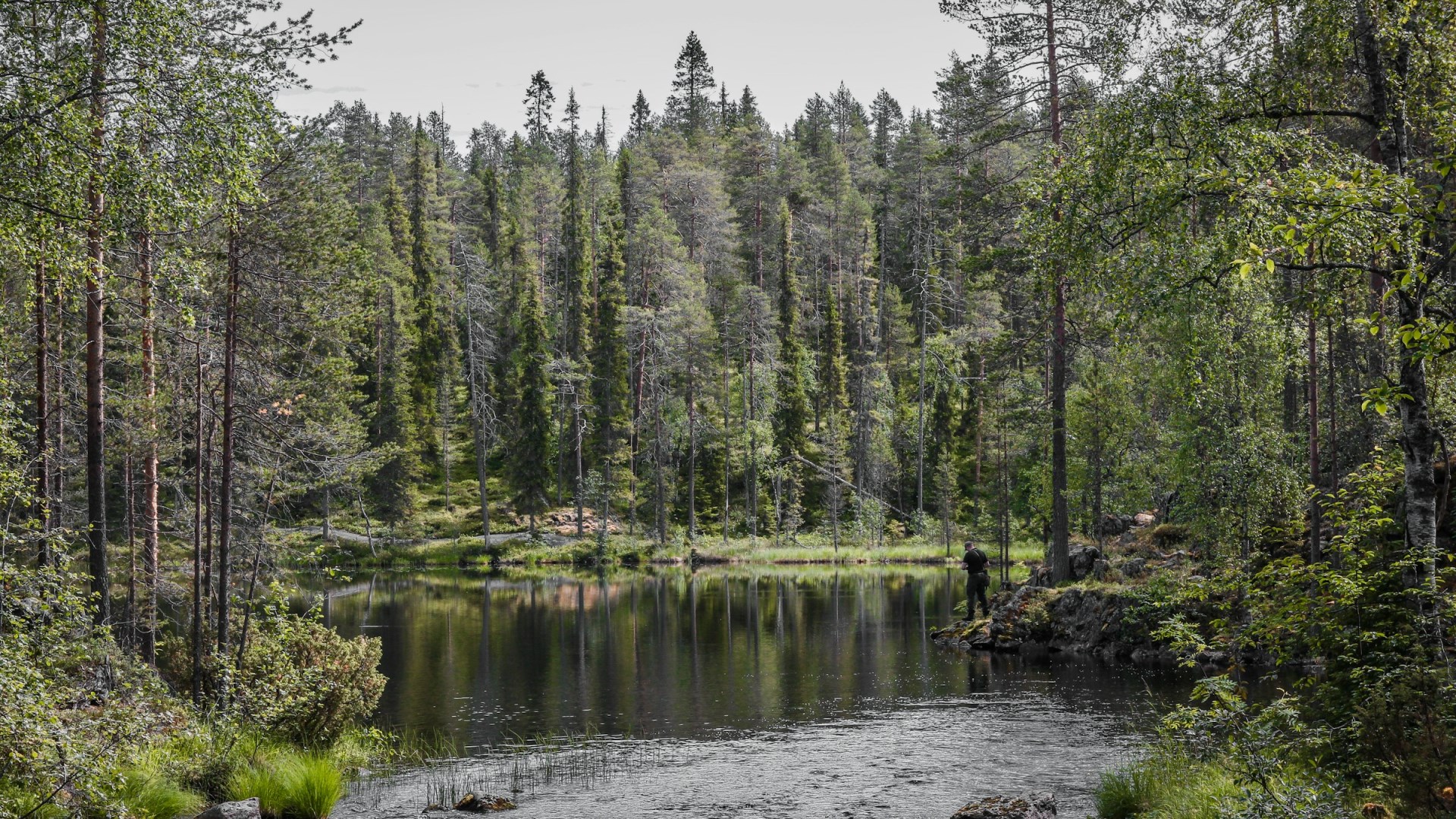
The name "Hossa" originates from the old Sami word Huossa meaning "a place far away," and this gorgeous location is definitely away from it all! This national park is one of seven hiking areas created under Finland's Outdoor Recreation Act and contains over 55 miles of trails for hiking enthusiasts to explore.