Noumea
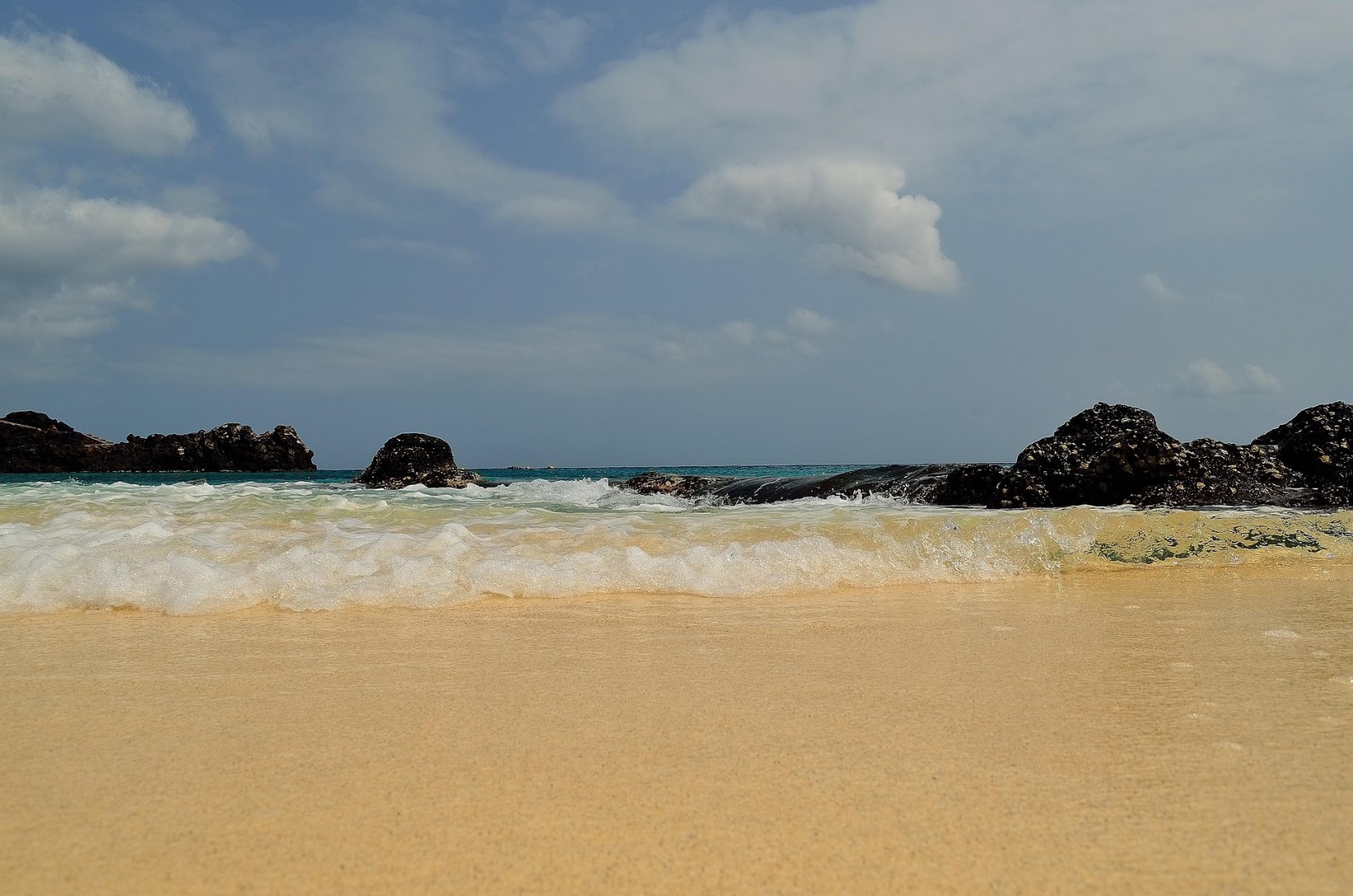
Nouméa, the vibrant capital of New Caledonia, offers a captivating mix of French sophistication and Pacific charm. This bustling city is renowned for its beautiful beaches, such as Anse Vata, where turquoise waters and white sand invite relaxation and water sports.

Veere
Once a big, bustling sea port for the Scottish wool trade and known as Kampvere, Veere is now a small village whose economy mainly relies on tourism. A major point of interest for visitors is the Campveerse Toren (Campvere Tower), built as part of the city defenses around 1500 and now serving as one of the oldest inns in the Netherlands
Szentendre
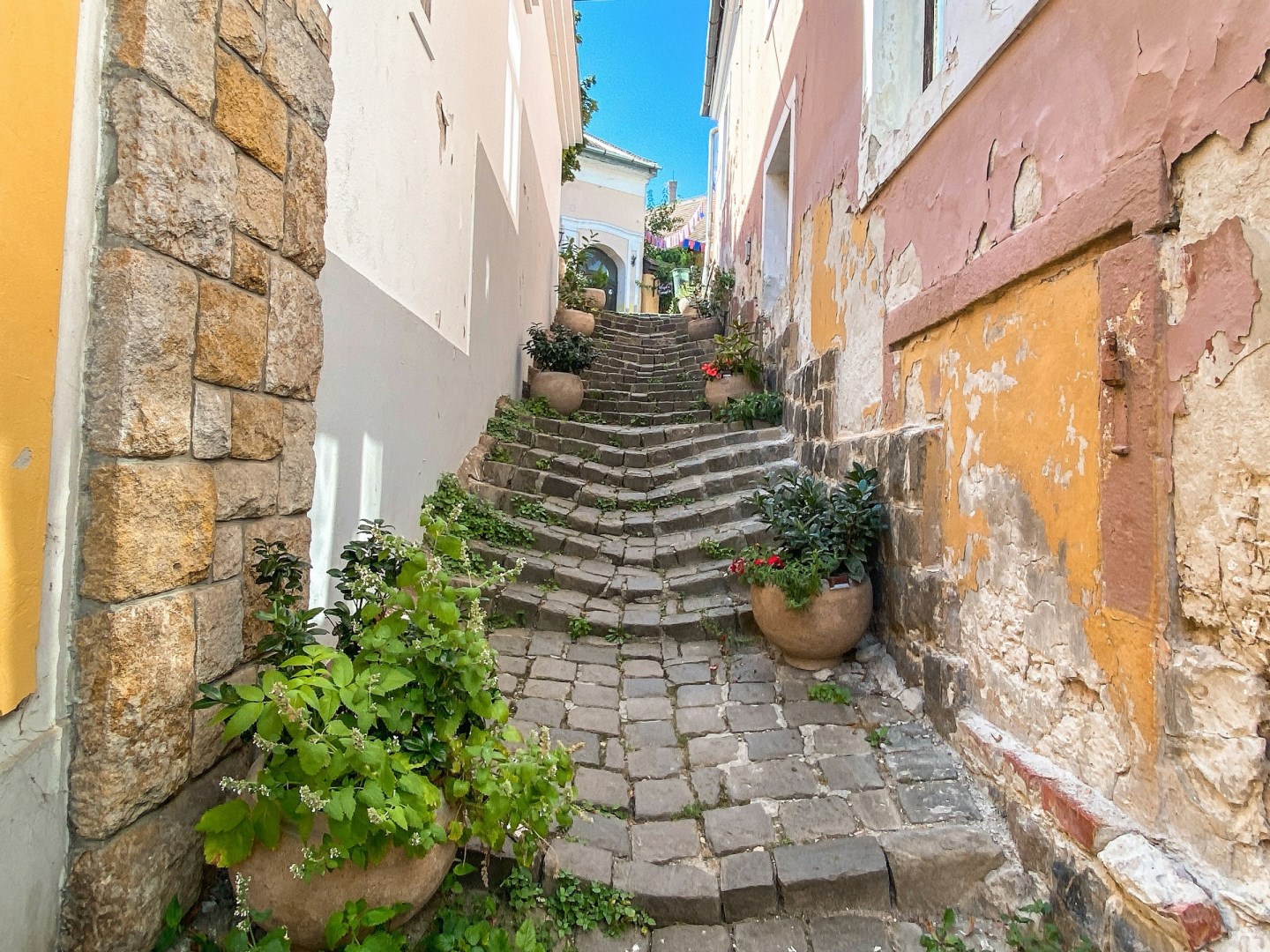
A beautiful baroque town with richly decorated baroque churches and a charming Main Square with a decorative wrought-iron cross.
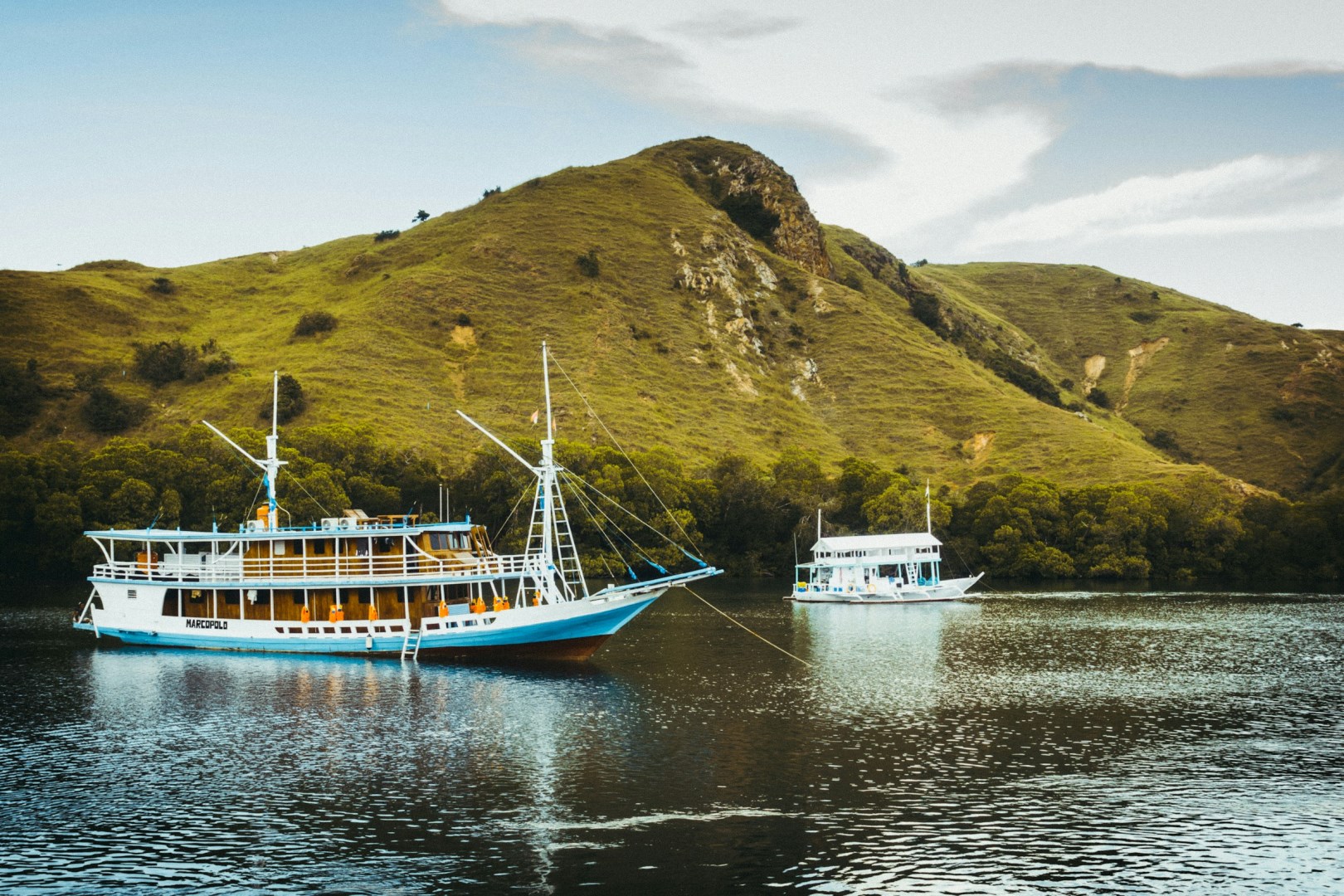
Komodo National Park
Komodo National Park is a natural wonder, home to the world’s largest lizards, breathtaking pink sand beaches, and colorful coral reefs. Trek through rugged landscapes to spot Komodo dragons in the wild or dive alongside graceful manta rays and colorful fish. With jagged hills rising from turquoise waters, the park offers an unforgettable adventure that feels truly otherworldly.
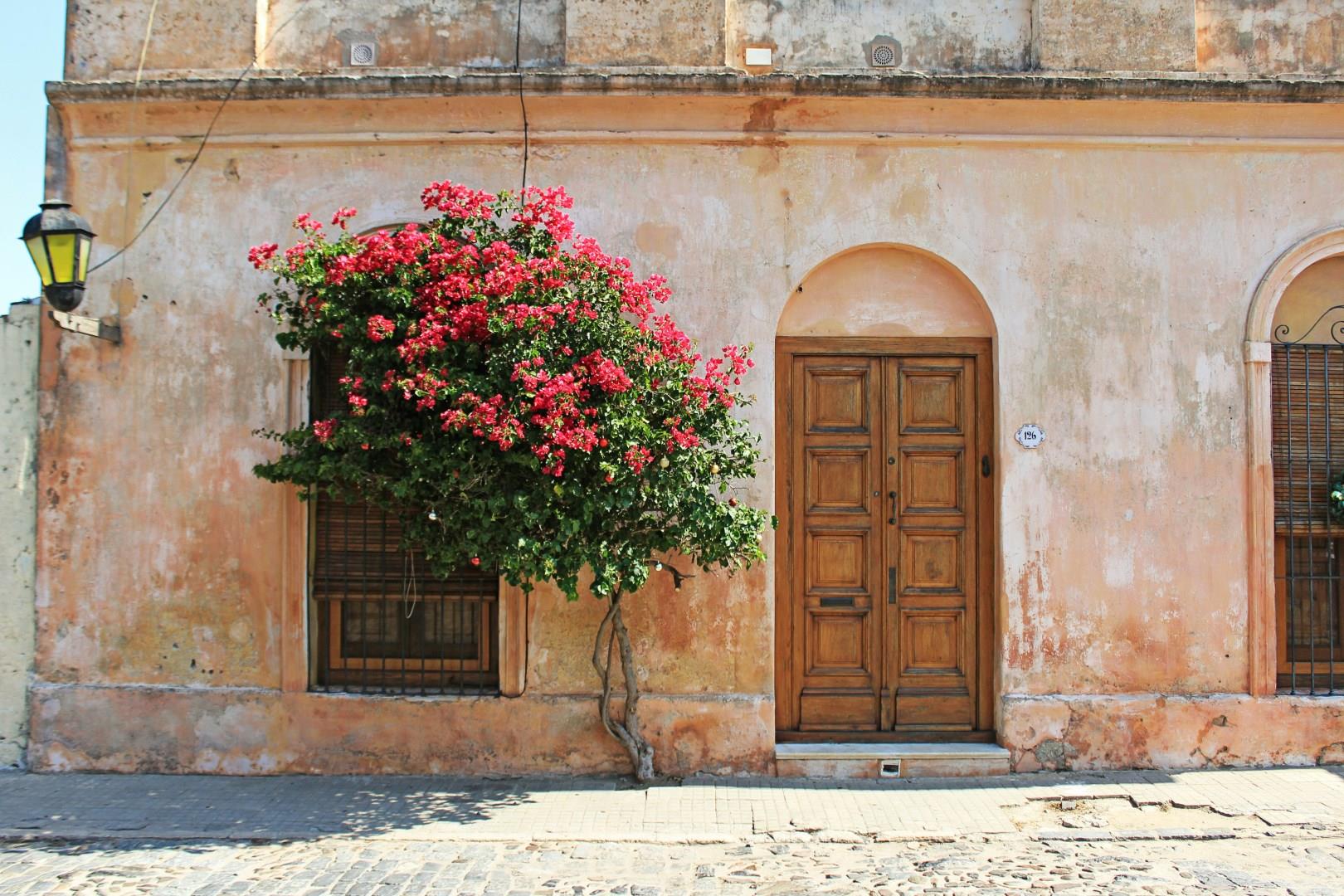
Colonia del Sacramento
Colonia del Sacramento is where time lingers. Founded in 1680 by the Portuguese and later contested by the Spanish, the town’s past is etched into its cobblestone streets and weathered facades. The Barrio Histórico, a UNESCO World Heritage Site, is compact enough to walk in an afternoon yet layered with centuries of stories. Visitors can explore remnants of the original city walls and climb the iconic lighthouse for sweeping views of the Río de la Plata.