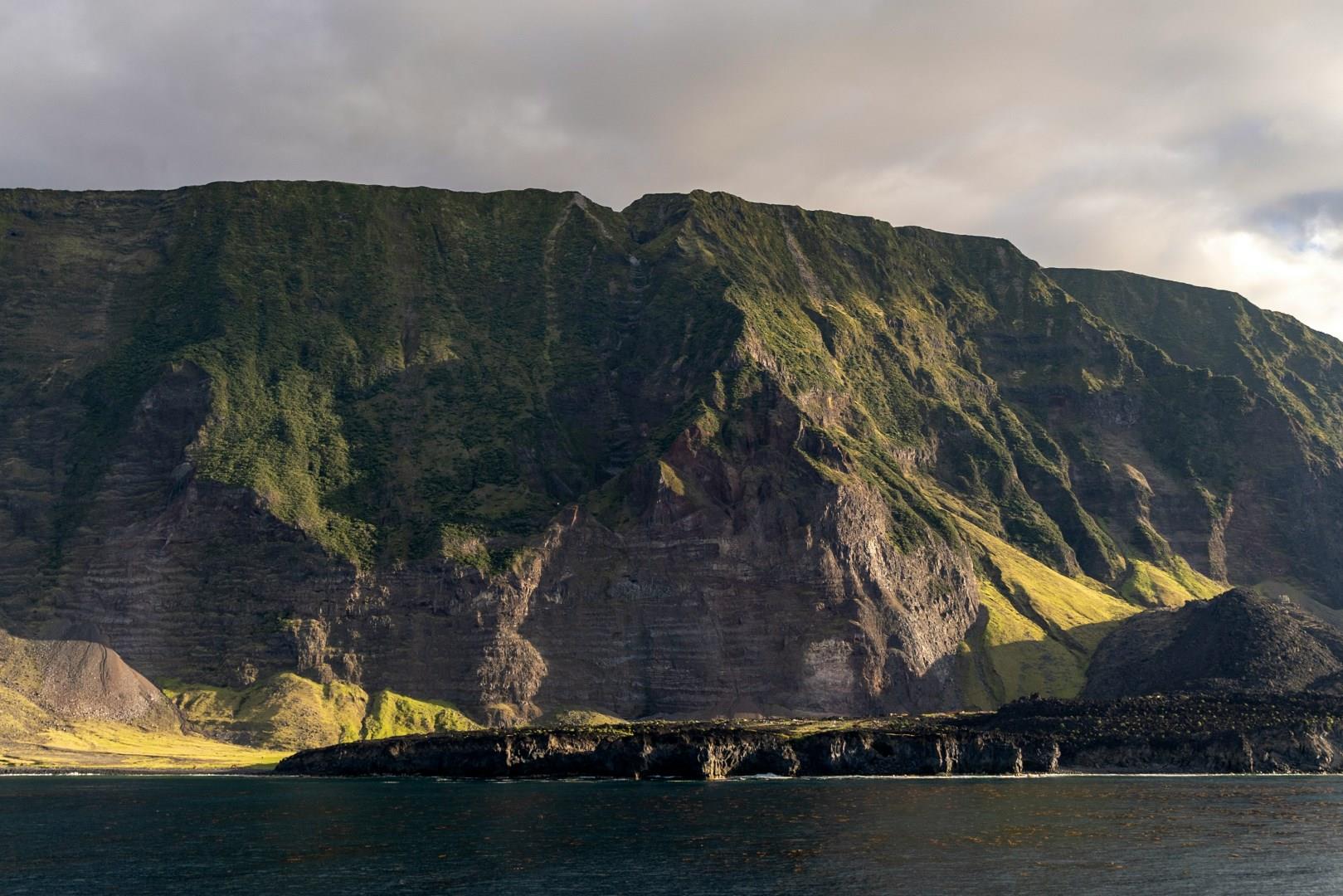
Tristan da Cunha
Tristan da Cunha is a remote volcanic island in the South Atlantic Ocean, forming part of a small archipelago along with Inaccessible Island and Nightingale Island. Known as the most isolated inhabited island in the world, it is accessible only by a week-long boat journey from South Africa.

Dominica
Dominica, known as the “Nature Island of the Caribbean,” is a haven for eco-tourists and adventure seekers. Nestled between the French islands of Guadeloupe and Martinique, this lush island boasts a remarkable landscape of volcanic mountains, dense rainforests, and stunning waterfalls. Dominica’s most iconic natural wonder is the Boiling Lake, the second-largest hot spring in the world.
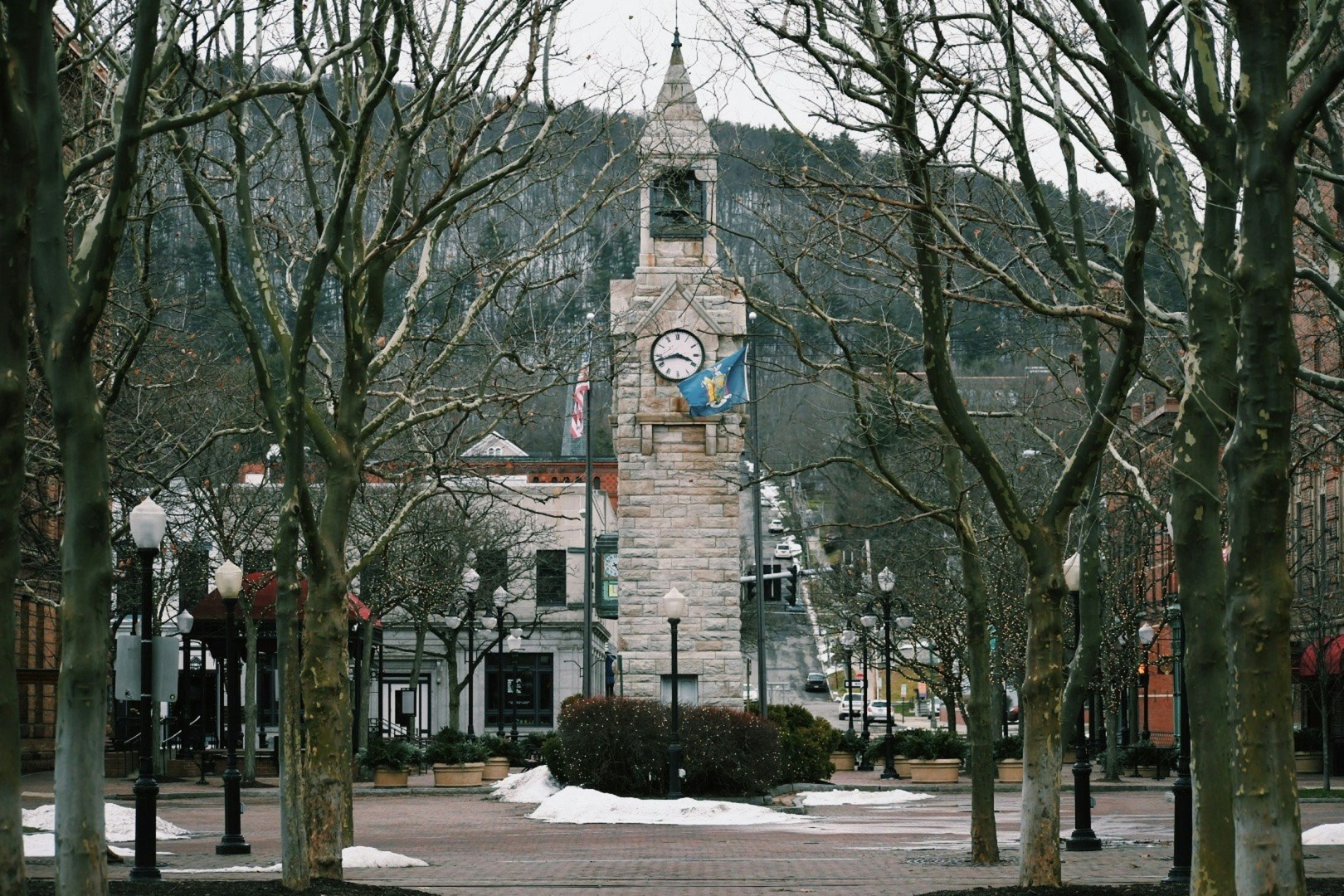
Corning
Corning is a small city in New York’s southern Finger Lakes region, set along the Chemung River and known internationally for its connection to glassmaking. The city combines a compact downtown with historic buildings, museums, galleries, and access to the surrounding hills and waterways. Market Street forms the center of the Gaffer District, where shops, restaurants, cafés, and local businesses occupy restored storefronts.
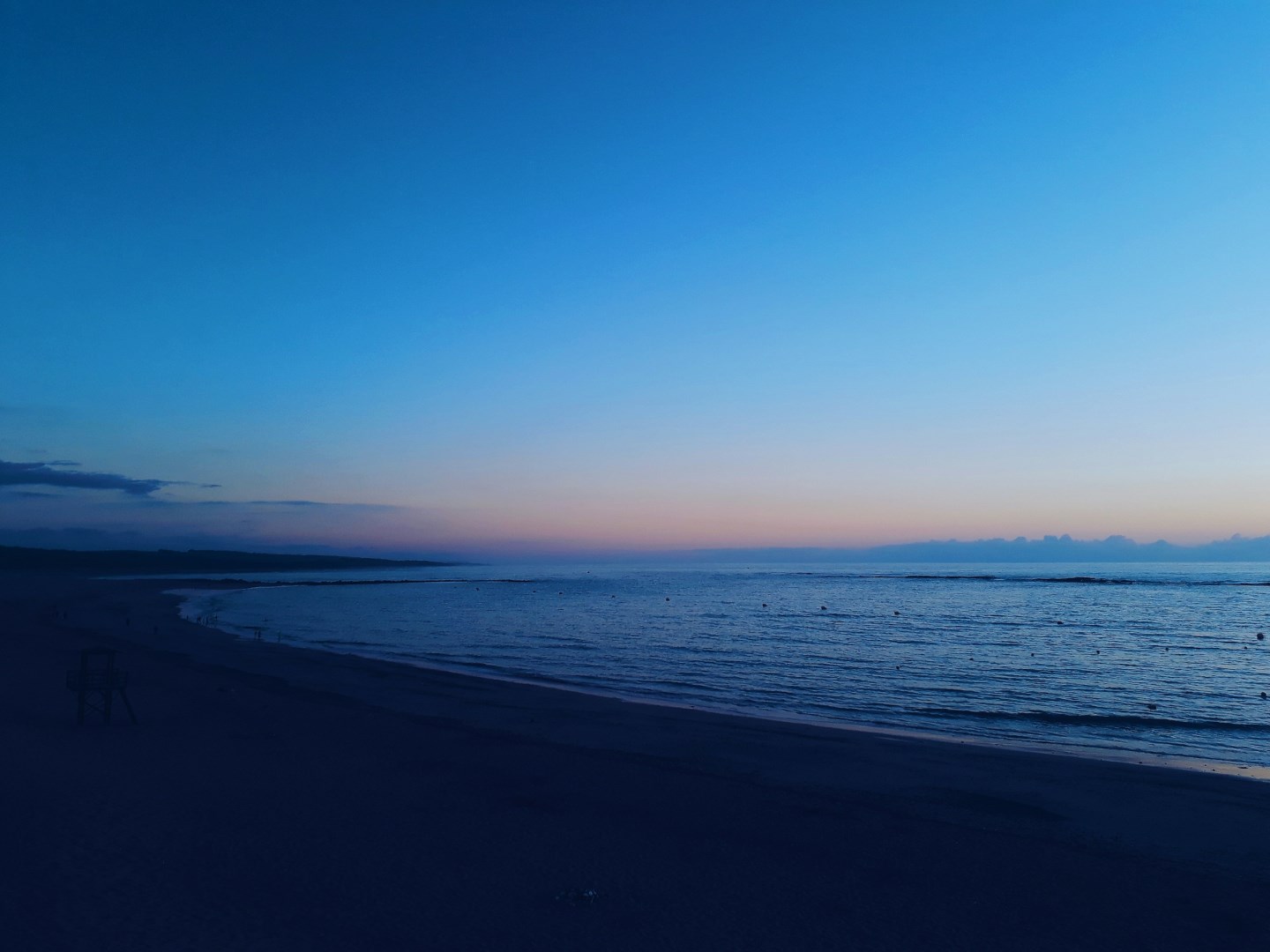
M'diq
M’diq is a coastal town on Morocco’s Mediterranean shore, situated between Tetouan and Fnideq along the sheltered waters of Tamuda Bay. The town combines a working fishing port with a long sandy beach, a seafront promenade, and access to nearby marinas. Its position at the foot of the Rif Mountains gives the coastline a backdrop of wooded hills, while the Mediterranean provides calm waters for swimming and boating.
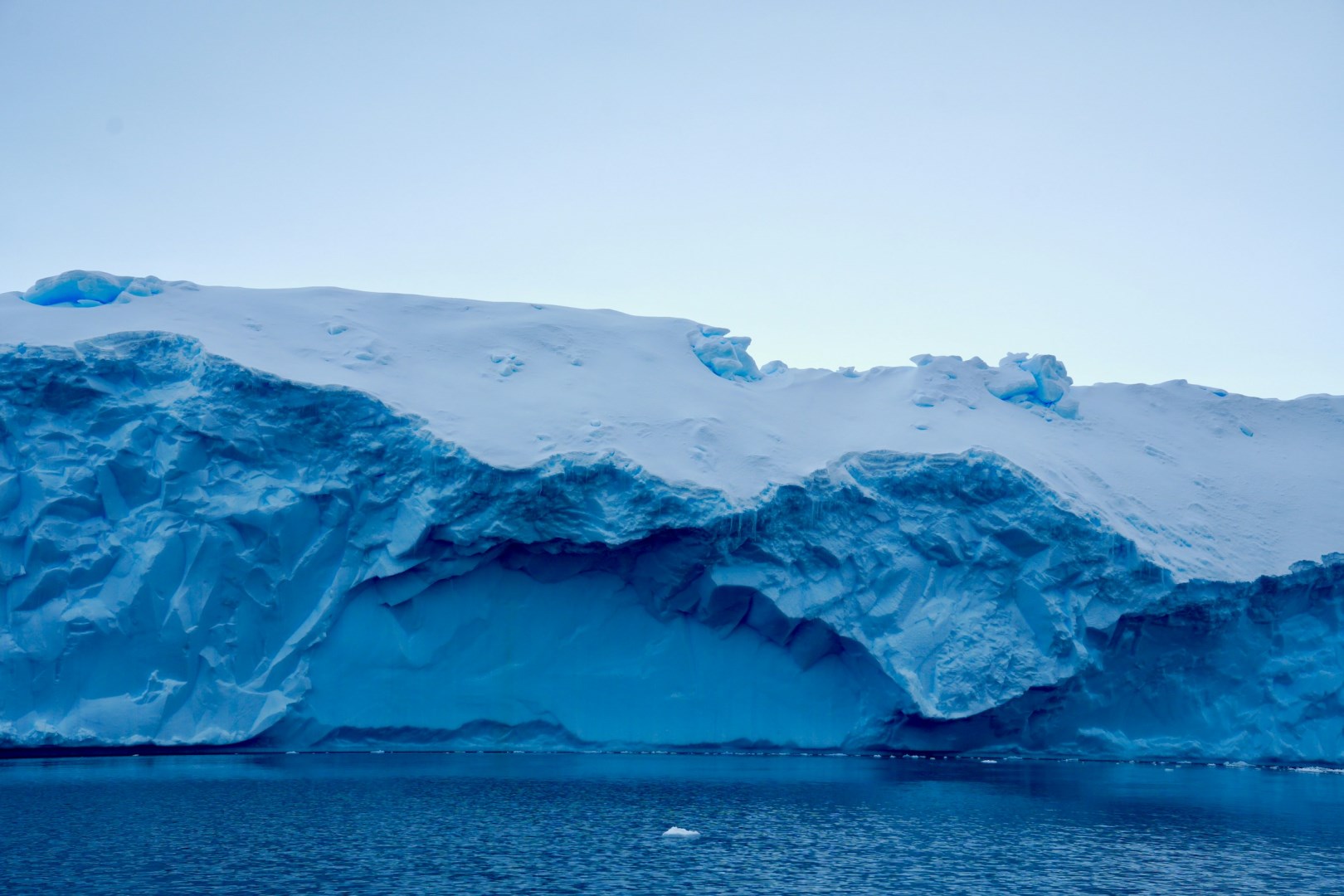
Neko Harbour
Neko Harbour is a small coastal landing site on the Antarctic Peninsula, set within Andvord Bay and framed by steep mountains and advancing glaciers. Its defining feature is the close relationship between land, sea ice, and moving glacier fronts. Visitors typically reach the shore by expedition boat, making a continental landing on a cobble beach before exploring the surrounding slopes under guidance. The harbor offers a direct view of Antarctica’s active glacial landscape, where conditions can