Plymouth
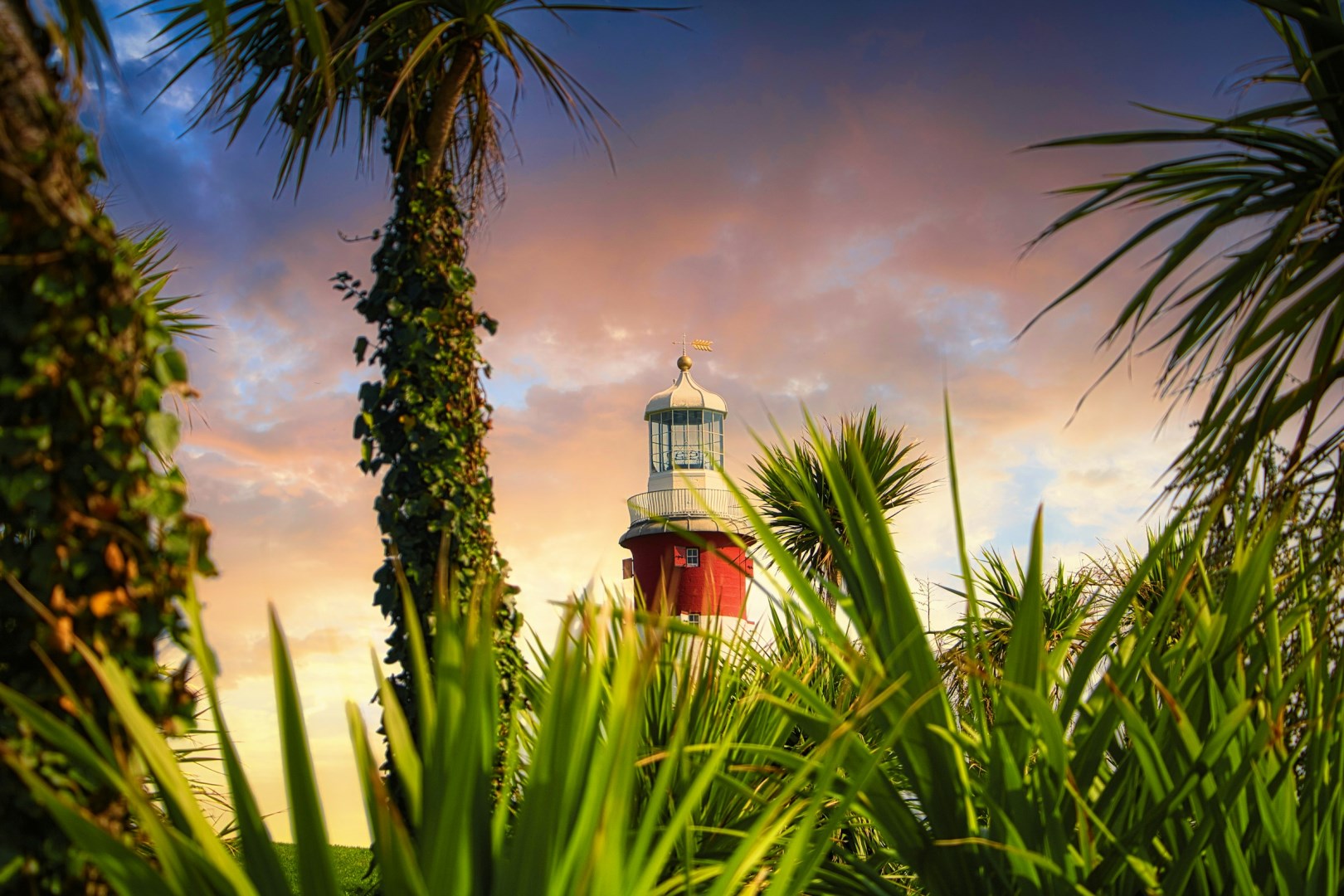
Plymouth sits on England’s southwest coast, where the River Plym meets the sea, forming a wide natural harbor that has shaped the city’s identity for generations. The waterfront remains central to daily life, with views stretching across Plymouth Sound and boats moving in and out of the marina. Visitors often begin along the historic Barbican, an area of narrow streets and old buildings that survived past conflicts and now house independent shops, galleries, and small cafés.
Devil's Bridge National Park
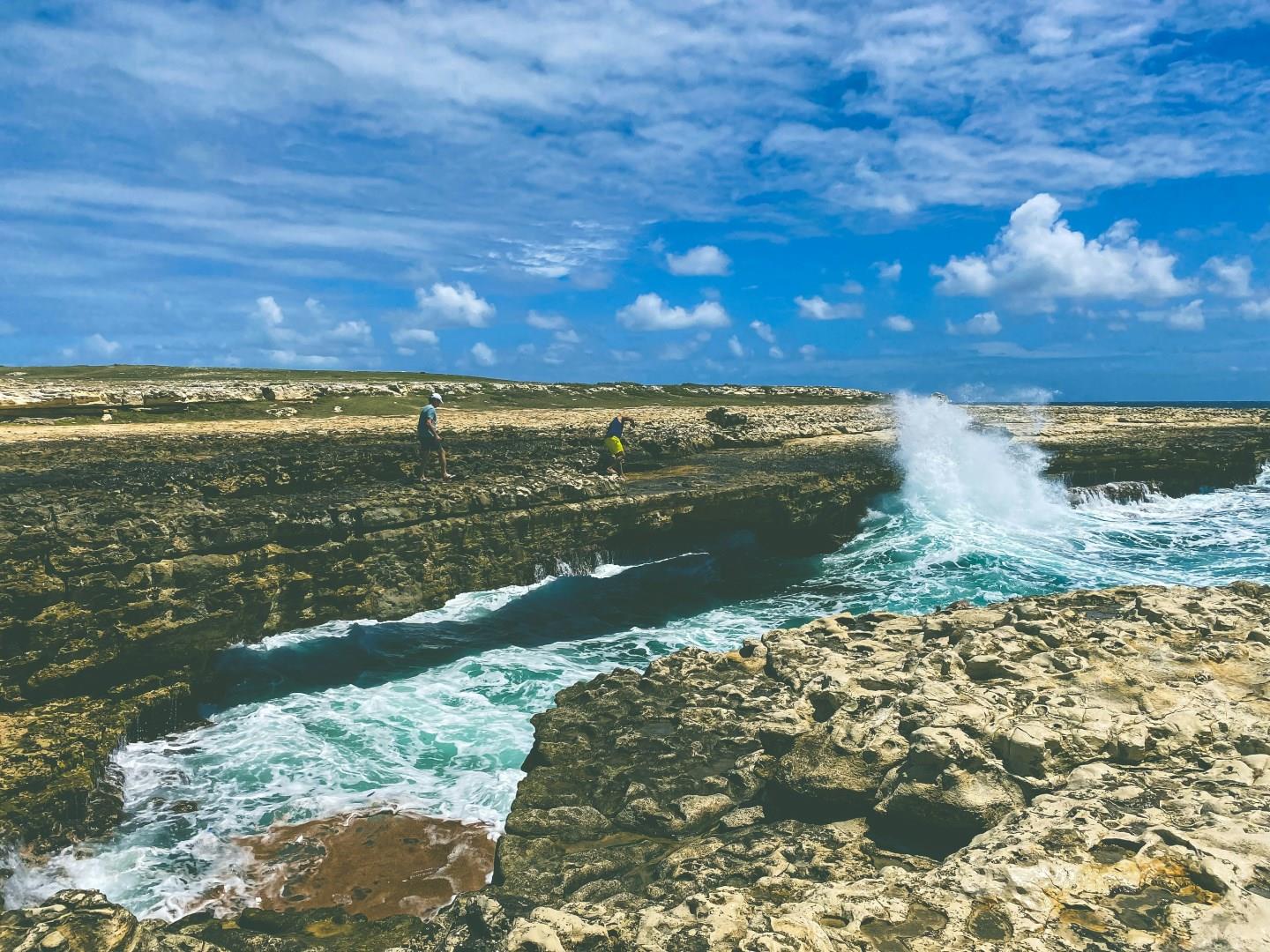
Devil’s Bridge National Park, located on the rugged Atlantic coast of Antigua, is one of the island’s most dramatic natural landmarks. The park is named after its striking limestone arch, carved over centuries by relentless waves and wind.
Madinah
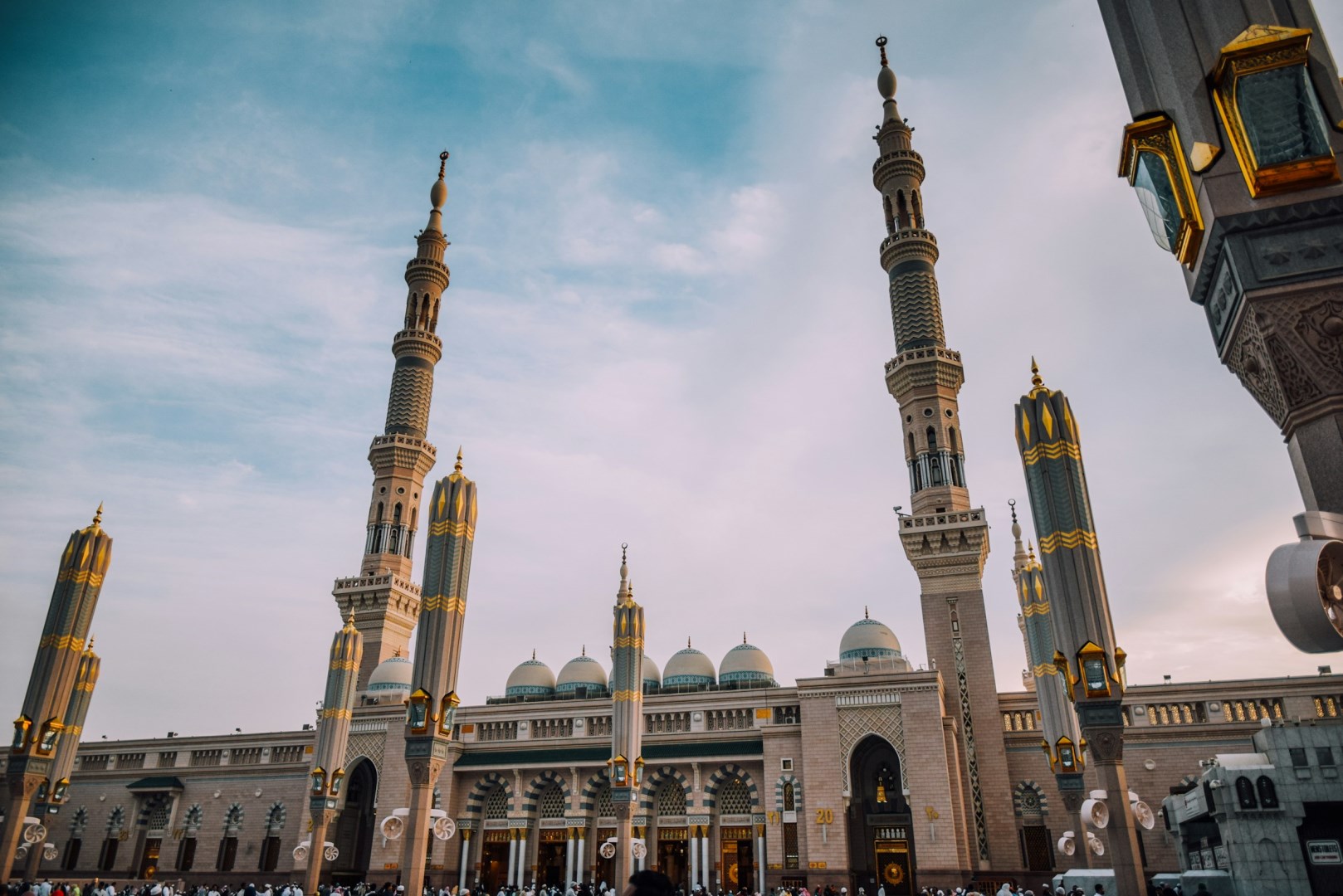
Madinah, officially Al Madinah Al Munawwarah, is a city in western Saudi Arabia with a central place in Islamic history and religious life. The city developed around an oasis and is surrounded by volcanic hills and rocky terrain, giving its urban landscape a distinct setting. At its heart stands Al Masjid an Nabawi, the Mosque of the Prophet Muhammad, which is one of the most important religious sites in Islam.

Russia
Russia attracts thousands of tourists each year who have a taste for cathedrals and monasteries, fine art, theater, museums, and the Russian culture in general.
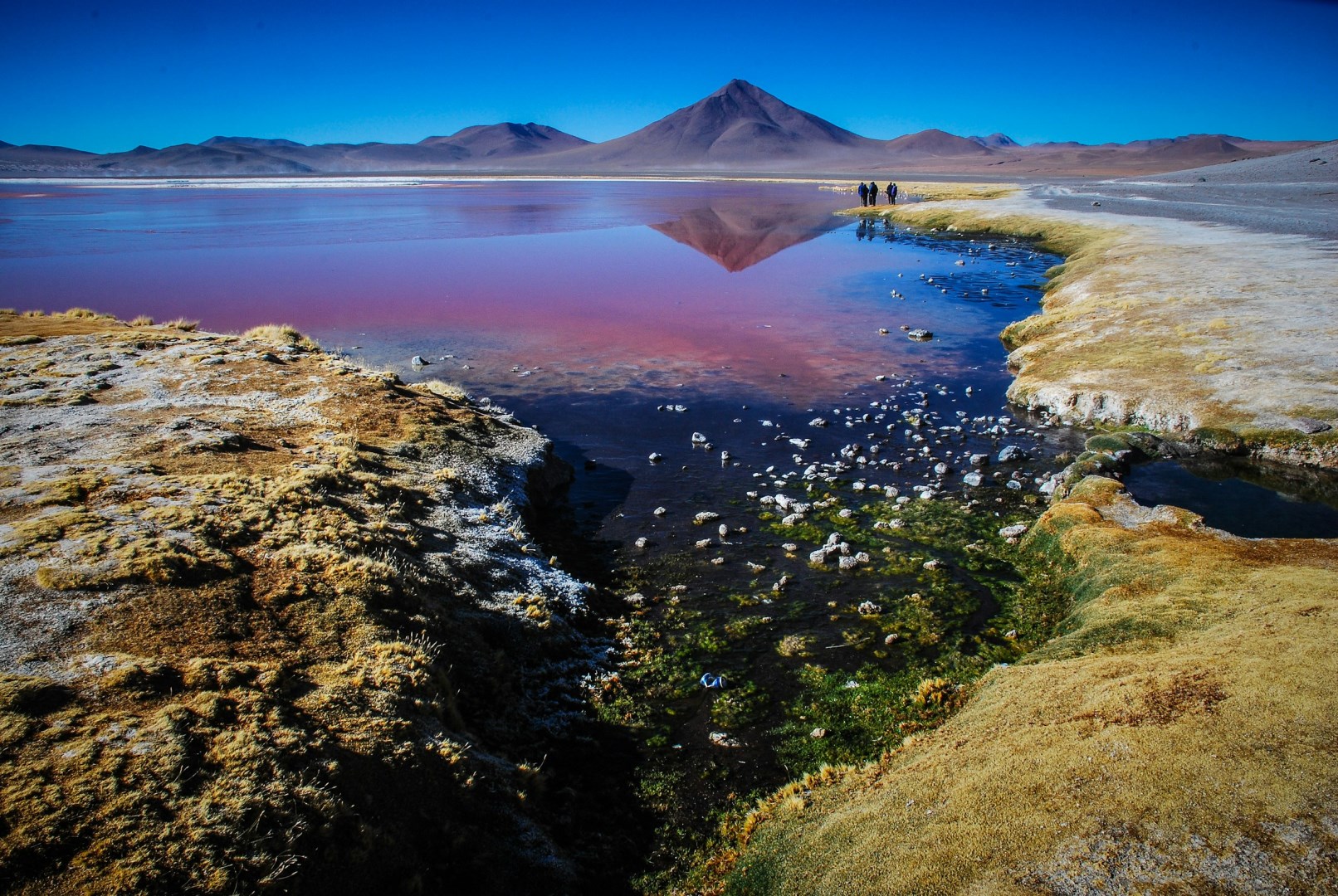
Altiplano
The Bolivian Altiplano is a vast high plateau in the Andes, stretching across much of western Bolivia between the country’s major mountain ranges. Its high elevation creates a cool, dry environment with broad open plains, rugged peaks, volcanoes, and sparse grasslands. La Paz and El Alto occupy the northern part of the plateau, while Oruro, Uyuni, and Potosí are among its other important settlements.