Alberobello
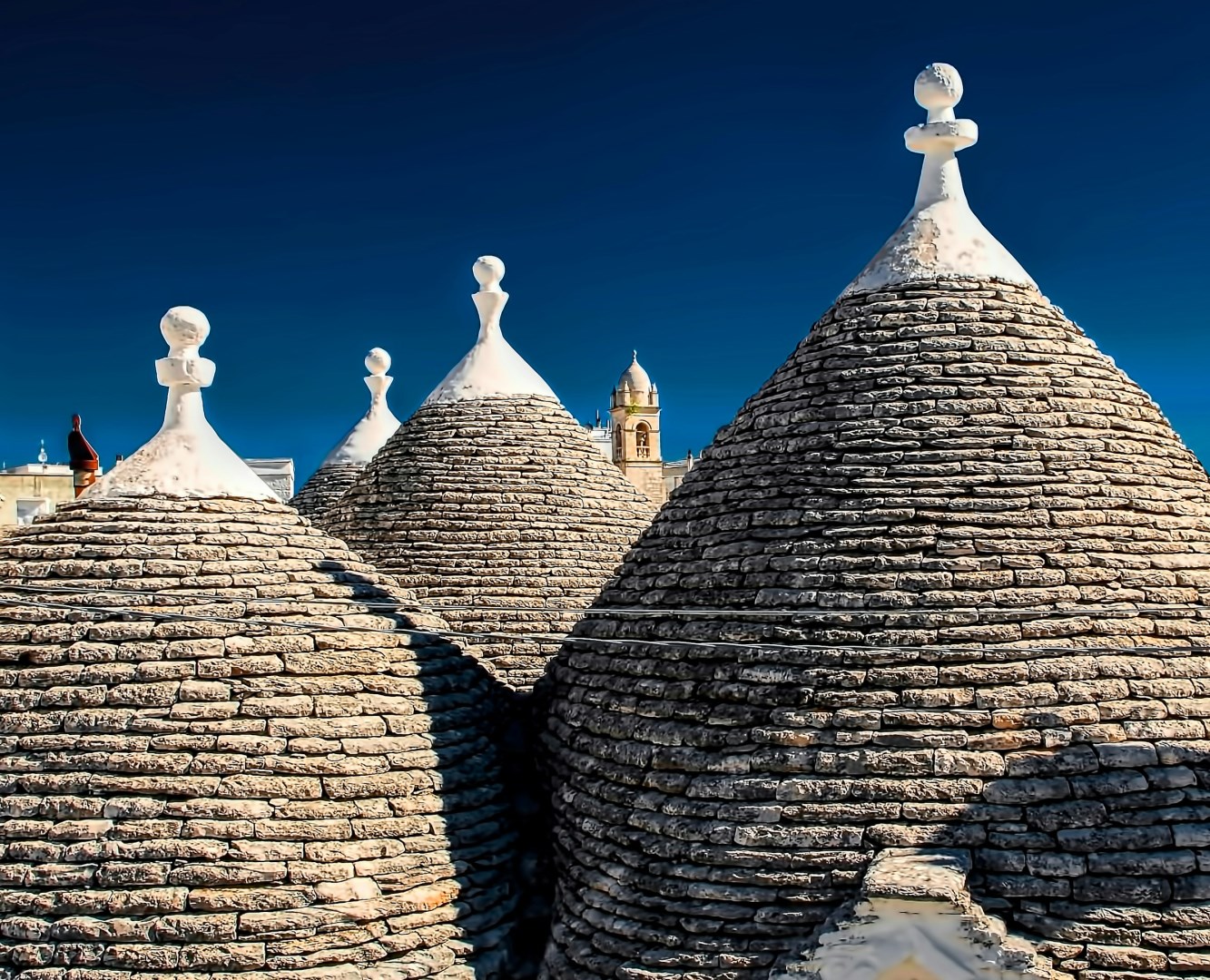
Alberobello in southern Italy’s Puglia region captures the imagination with its distinctive trulli houses. These structures were built using a dry-stone technique passed down over centuries, without mortar or cement, and their unique form comes from layer upon layer of limestone nestled from nearby fields. Alberobello’s trulli are so remarkable that in 1996 the historic center was inscribed as a UNESCO World Heritage Site, where more than 1,600 of these buildings still stand.
Tel Aviv
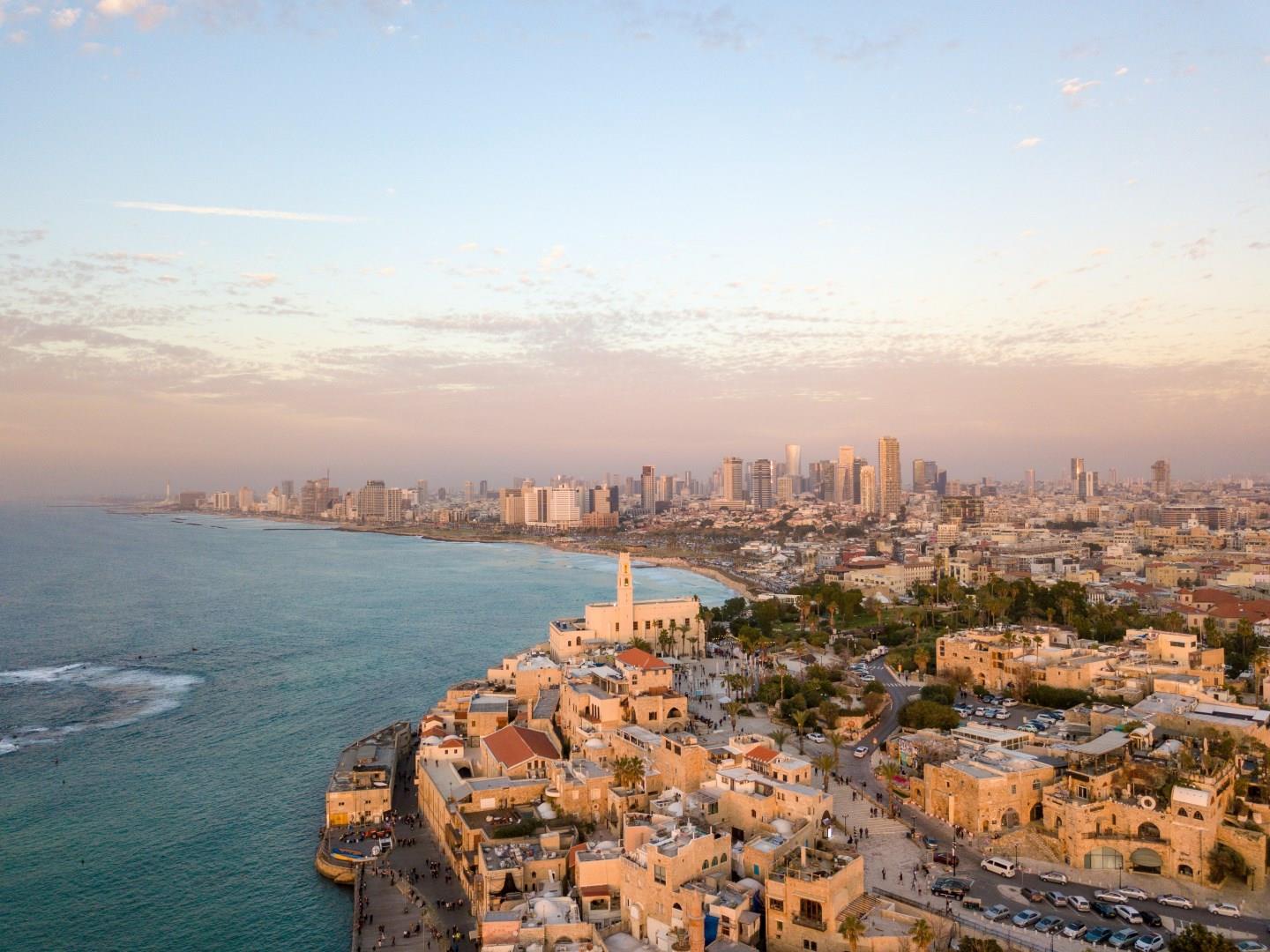
Tel Aviv began in 1909 as a new neighborhood beside the ancient port of Jaffa. The city is now home to the largest cluster of Bauhaus-style buildings in the world which earned UNESCO recognition for its early 20th-century urban planning. Visitors can explore those structures on guided architectural walks through streets like Rothschild or Dizengoff.

Nuku Hiva Island
Nuku Hiva is the largest of the Marquesas Islands in French Polynesia, a place where scale and isolation shape both history and daily life. Long before European contact, the island supported complex Marquesan societies known for stone architecture, tattoo traditions, and ceremonial sites, many of which remain scattered across its valleys.
Roses
Roses is a coastal town in Catalonia’s Alt Empordà, positioned at the eastern edge of the Iberian Peninsula where the Pyrenees meet the Mediterranean. Its broad bay opens toward the Cap de Creus peninsula, giving the town a landscape of beaches, rocky headlands, and low coastal hills. Roses has a strong maritime identity, with a fishing port operating alongside a marina and a long seafront promenade.
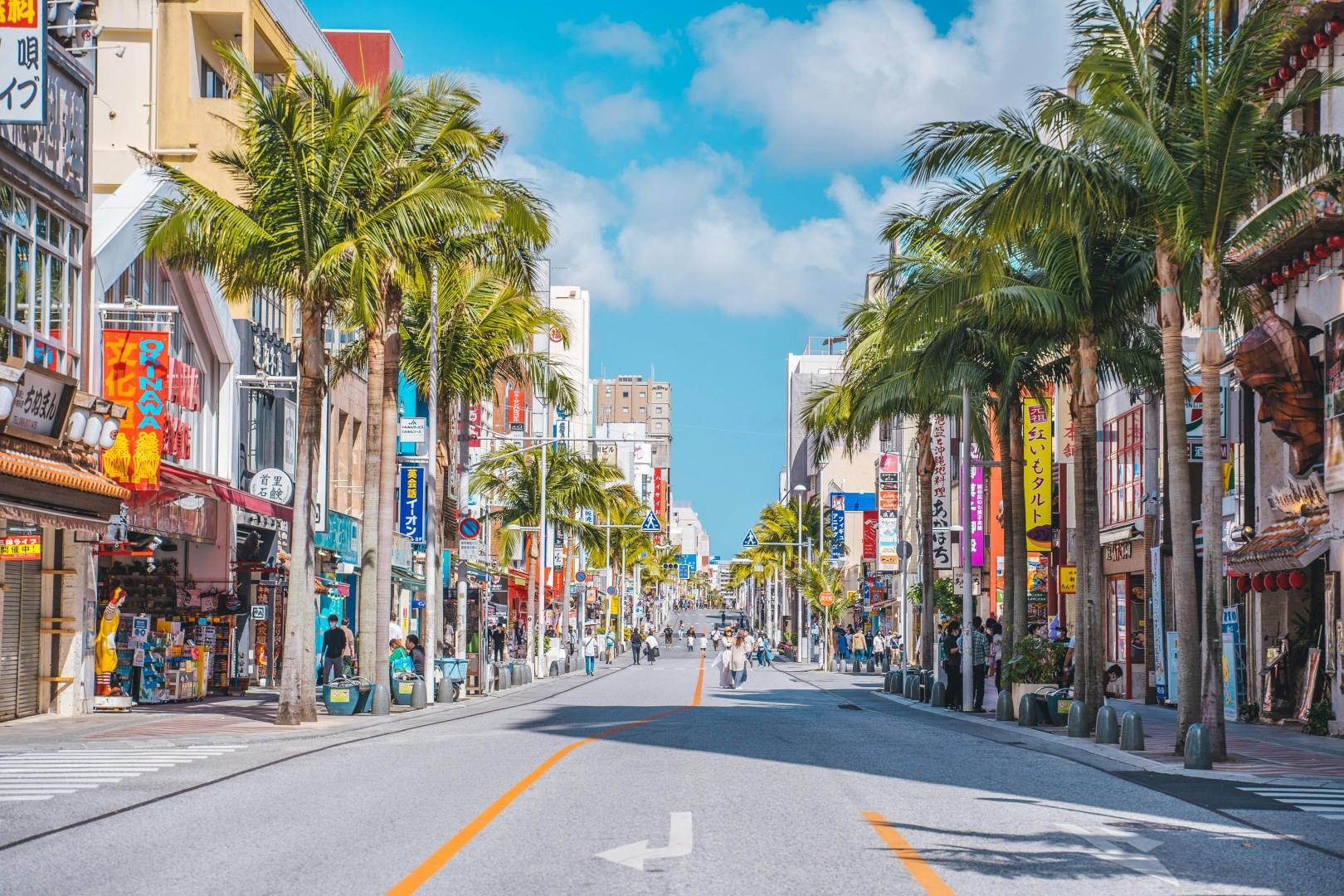
Naha
Naha is the cultural and administrative heart of Okinawa Island, shaped by its past as the capital of the Ryukyu Kingdom.