Tel Aviv
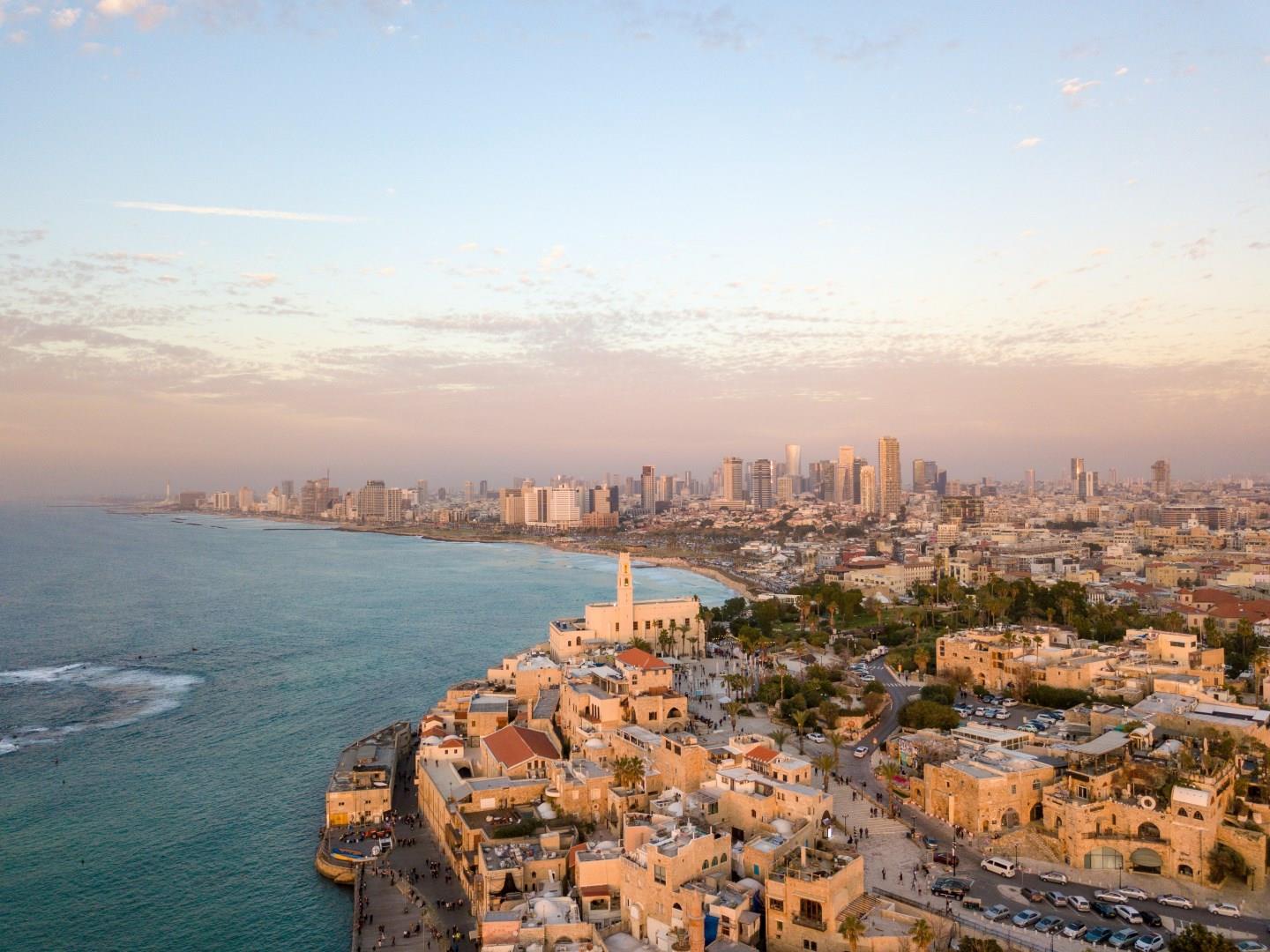
Tel Aviv began in 1909 as a new neighborhood beside the ancient port of Jaffa. The city is now home to the largest cluster of Bauhaus-style buildings in the world which earned UNESCO recognition for its early 20th-century urban planning. Visitors can explore those structures on guided architectural walks through streets like Rothschild or Dizengoff.
Orpheus Island
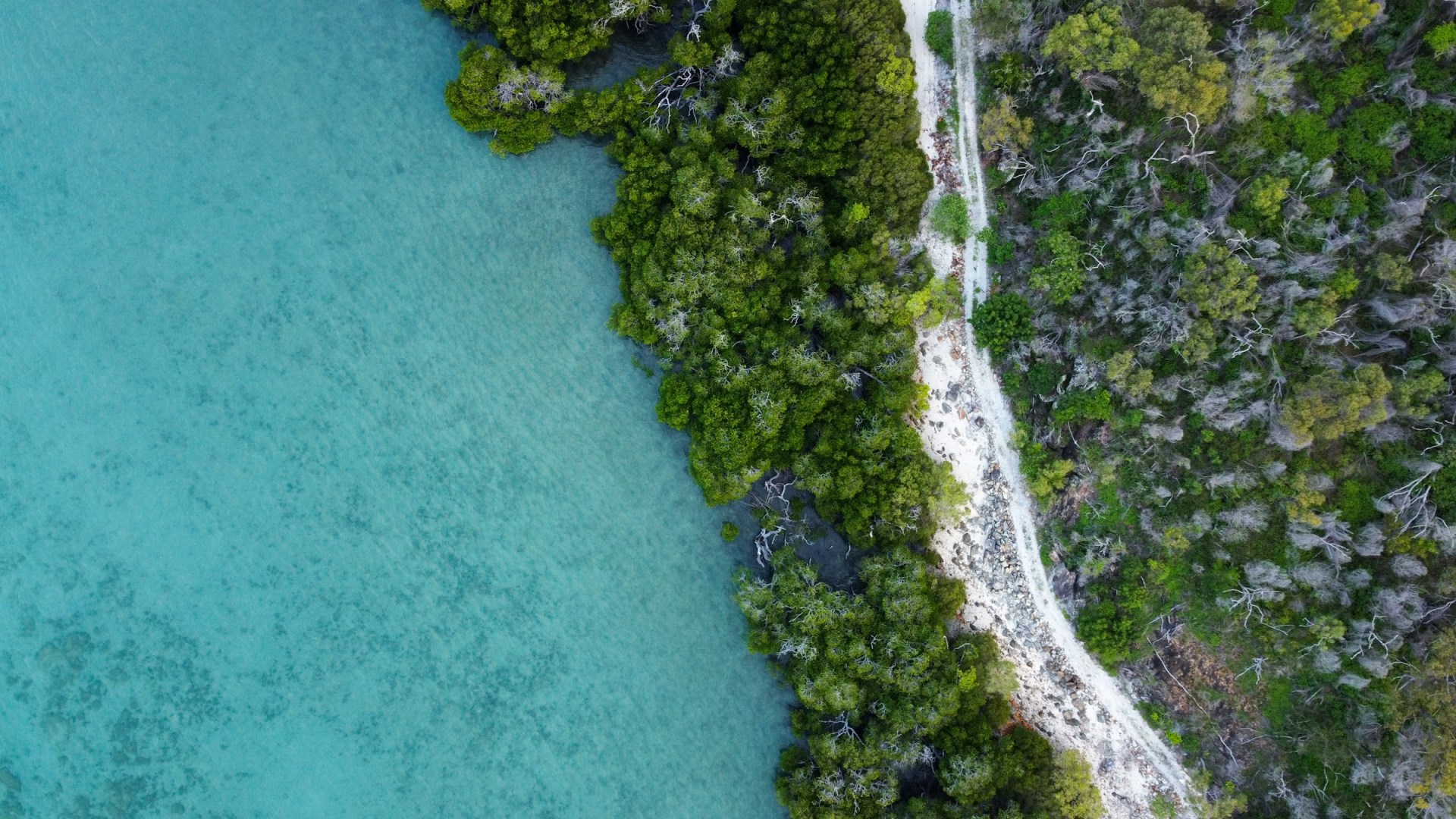
Orpheus Island is totally unspoilt and has its own National Park. Beautiful sunny beaches offer you total seclusion. You can also enjoy sailing, windsurfing, snorkeling and coral viewing. A choice of beach-front bures or studios, along with some of the fines food and wine selections in Australia, make Orpheus a great choice for your island stop over.
Socotra
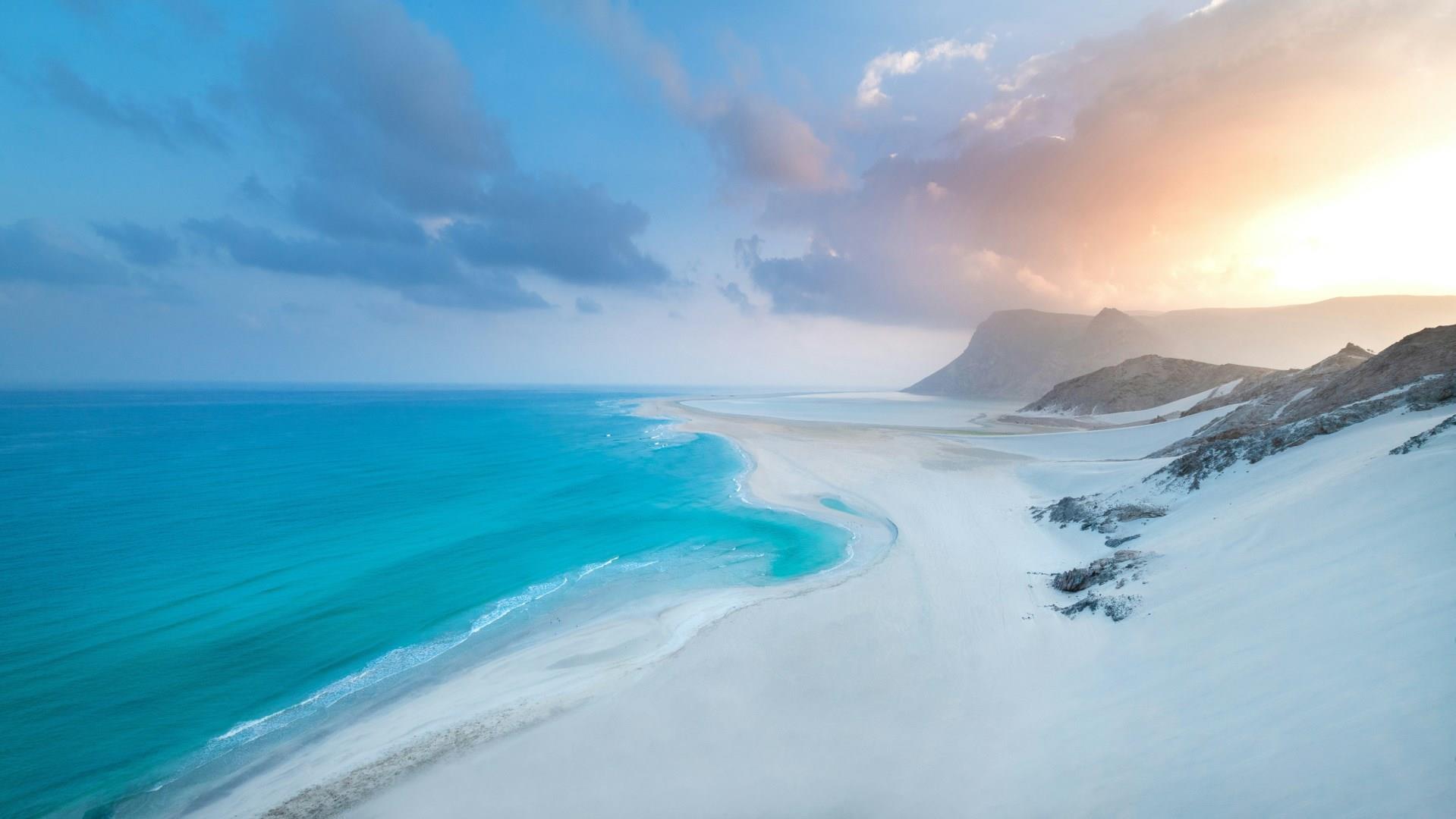
Socotra rises from the Arabian Sea like a world apart, its landscapes shaped over millennia. The Dragon’s Blood Trees, with their umbrella-shaped crowns and deep red sap, stand among the most iconic sights here. In places like Dixam Plateau and Homhil Forest, these trees gather in sparse formations, creating scenes that feel both ancient and alien. The resin remains valued for traditional dyes and remedies.
Sokcho-si
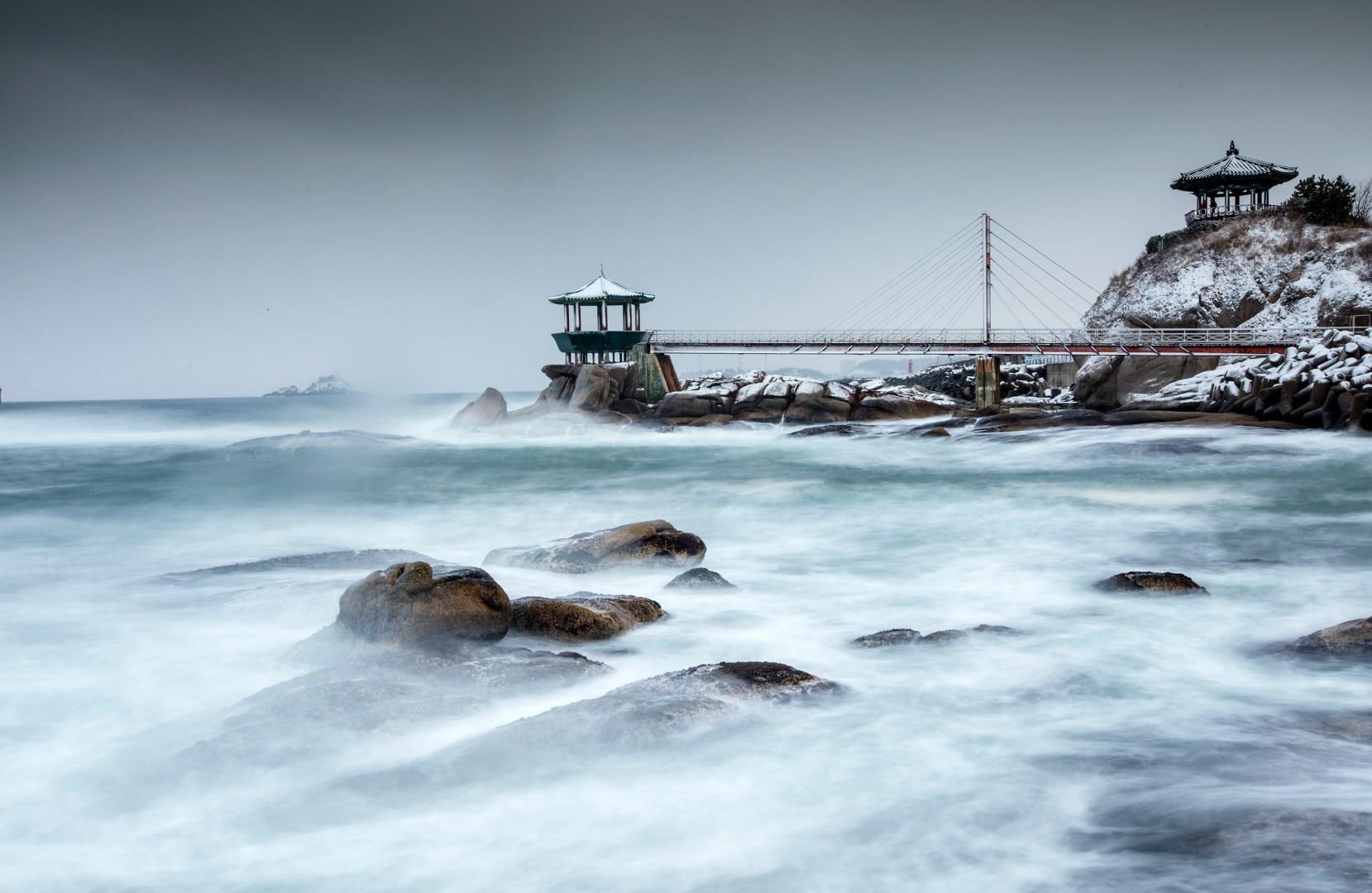
Sokcho-si is a coastal city in northeastern South Korea where the East Sea meets rugged mountains, giving it a maritime and outdoor character.
Torremolinos
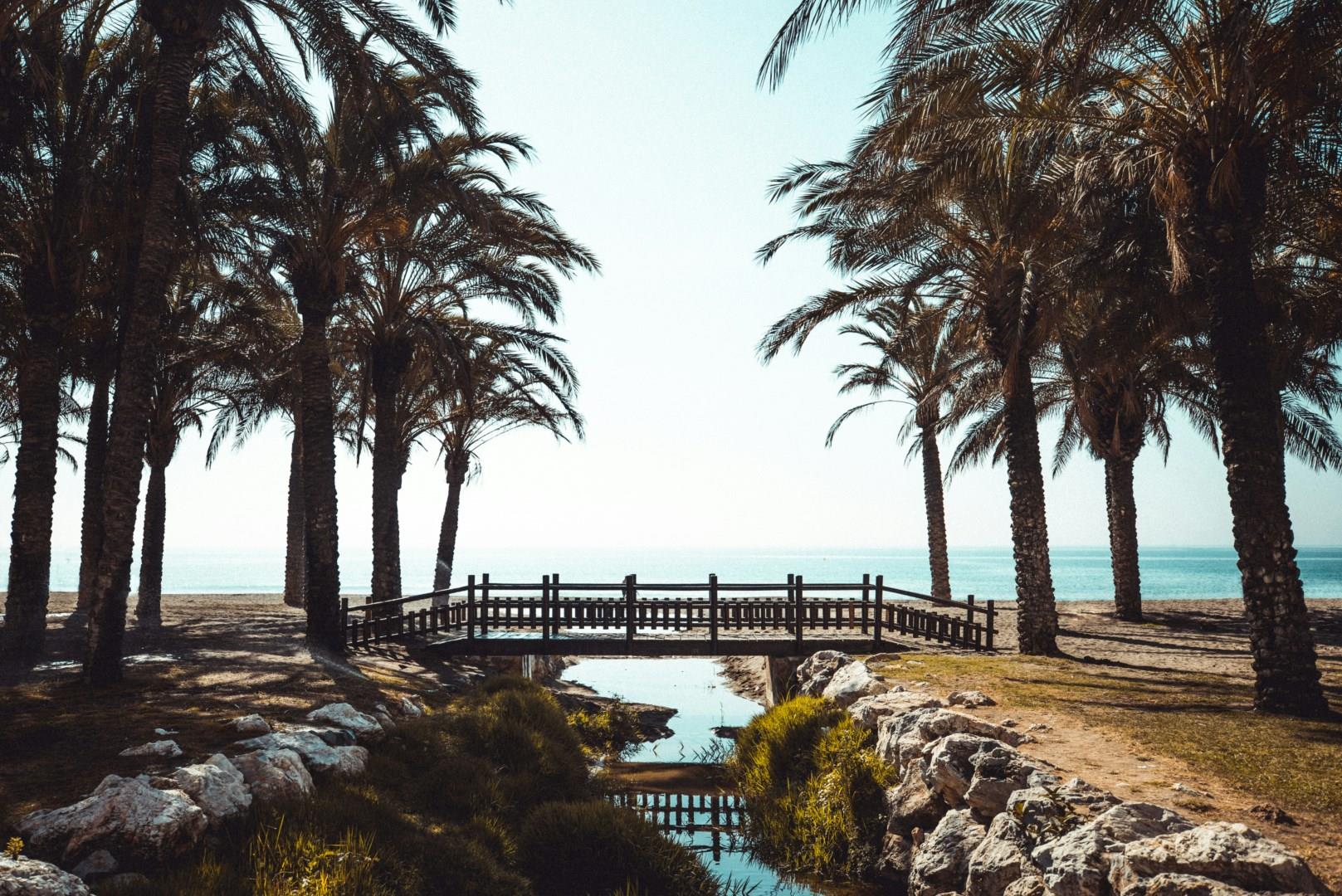
Torremolinos, on Spain’s Costa del Sol, has transformed from a small fishing village into one of the region’s most vibrant seaside towns. Just a short drive from Málaga, it became famous in the mid-20th century as one of the first international beach destinations in Spain, attracting artists, celebrities, and travelers in search of sun and sea.