Arikok National Park
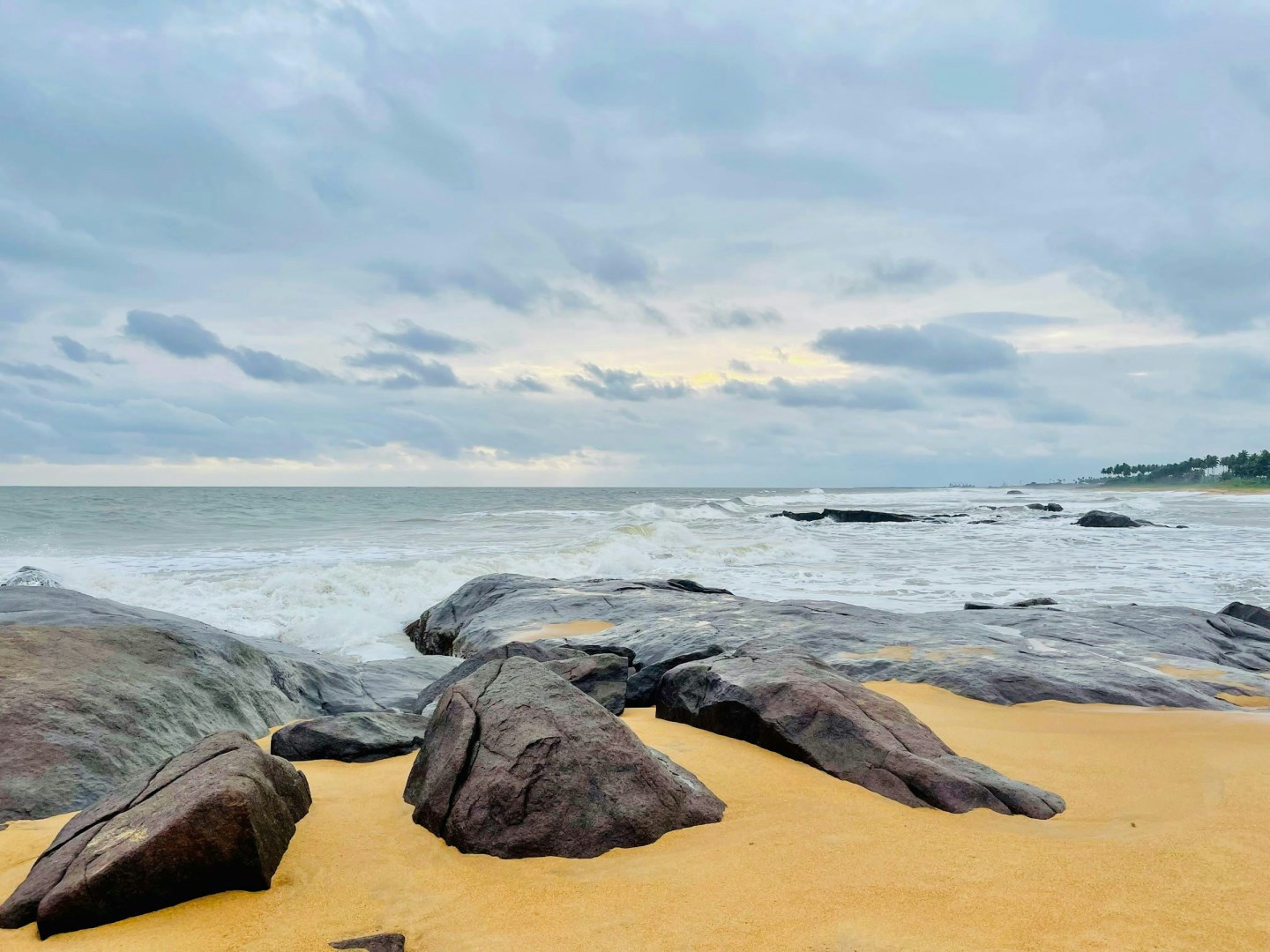
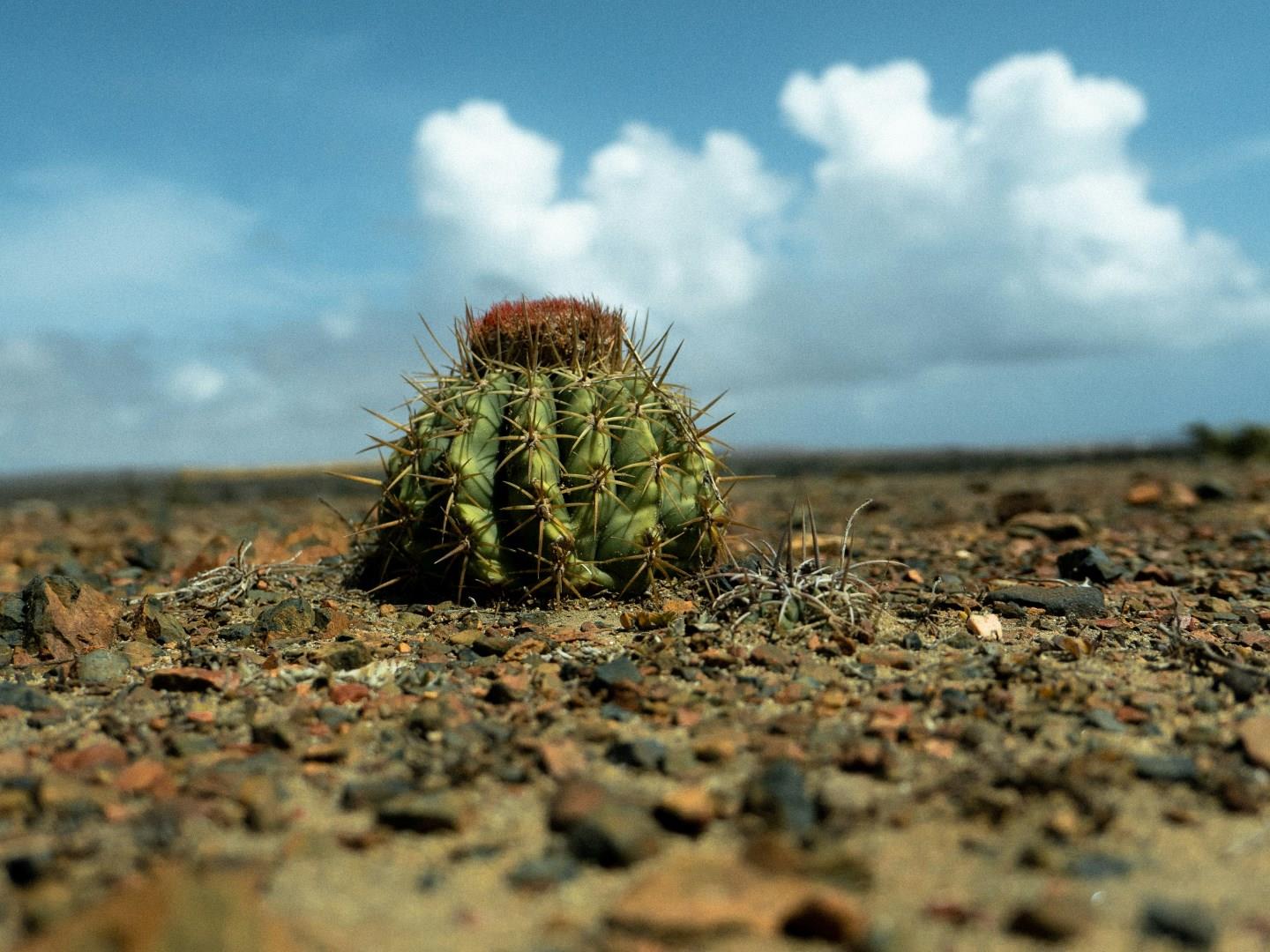
Arikok National Park, covering nearly 20% of Aruba, is a striking showcase of the island’s rugged landscapes, cultural history, and biodiversity. Unlike the postcard image of Aruba’s white-sand beaches, Arikok reveals a wilder side, with windswept hills, desert-like terrain, and dramatic limestone cliffs meeting the sea.
Luganville
Luganville is Vanuatu’s second-largest town and the main urban center of Espiritu Santo, the country’s largest island. It stretches along the south coast of the Segond Channel, with roads, shops, markets, small businesses, and waterfront communities forming the center of daily life. The town developed around its harbor and remains closely connected with fishing, agriculture, and tourism.

Dominica
Dominica, known as the “Nature Island of the Caribbean,” is a haven for eco-tourists and adventure seekers. Nestled between the French islands of Guadeloupe and Martinique, this lush island boasts a remarkable landscape of volcanic mountains, dense rainforests, and stunning waterfalls. Dominica’s most iconic natural wonder is the Boiling Lake, the second-largest hot spring in the world.

Madeira
Madeira, an archipelago off the coast of Portugal, is often referred to as the “Island of Eternal Spring” due to its mild climate and lush landscapes. Funchal, its vibrant capital, is a perfect blend of natural beauty and rich history. Visitors can explore the cobblestone streets of the old town, marvel at the Gothic-style Sé Cathedral, and stroll through the colorful Mercado dos Lavradores, where local farmers sell fresh produce, exotic flowers, and the island’s famous wine.
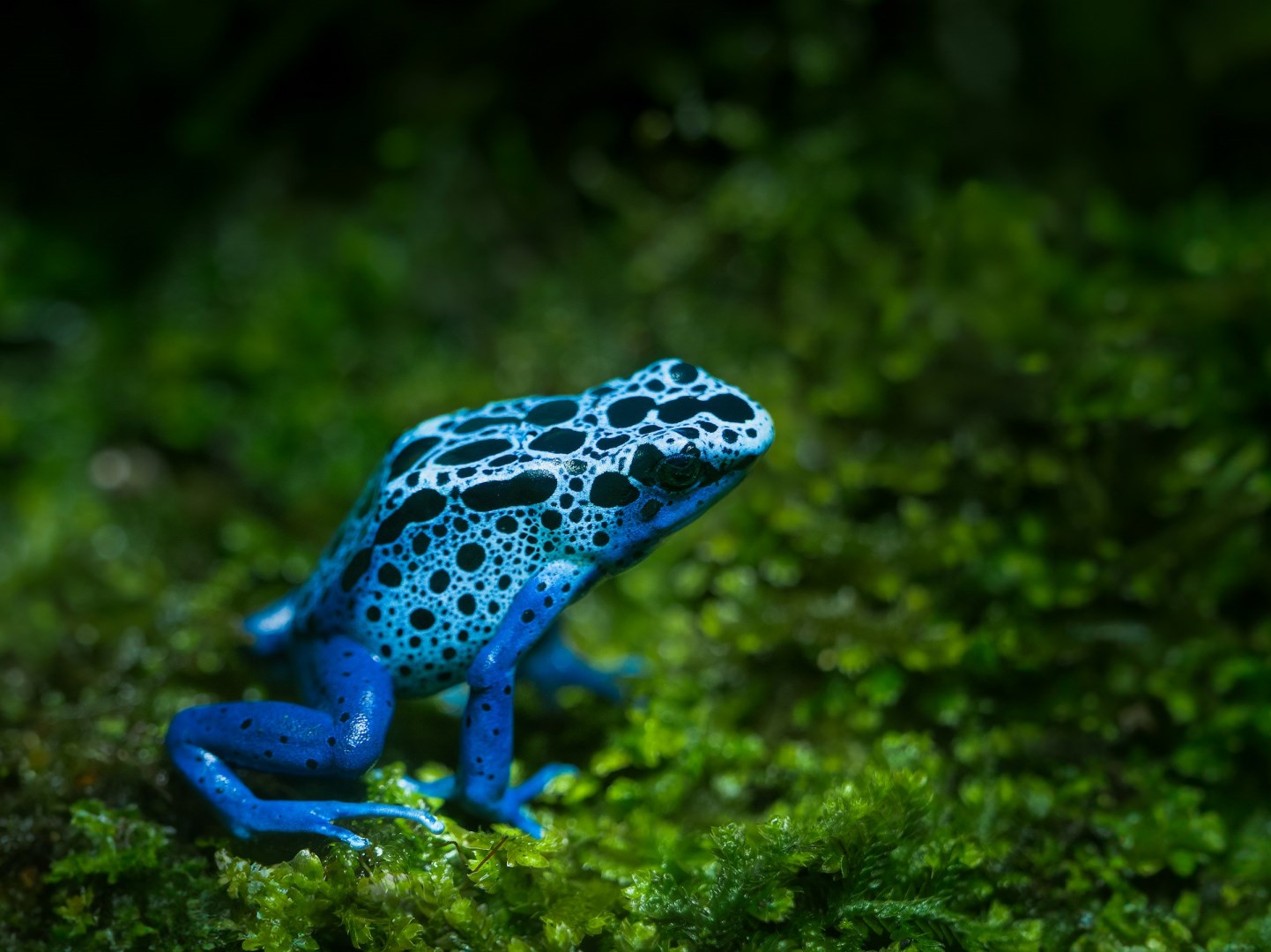
Suriname
Suriname’s forests cover more than nine‑tenths of the country and house an astounding array of wildlife. The Central Suriname Nature Reserve, one of the largest rainforest sanctuaries on Earth, shelters jaguars, giant river otters, and hundreds of bird species. Nearer the capital, Brownsberg Nature Park offers forest trails and waterfalls amid 1,450 plant and 350 bird species, just a short drive from Paramaribo.