Kirkenes
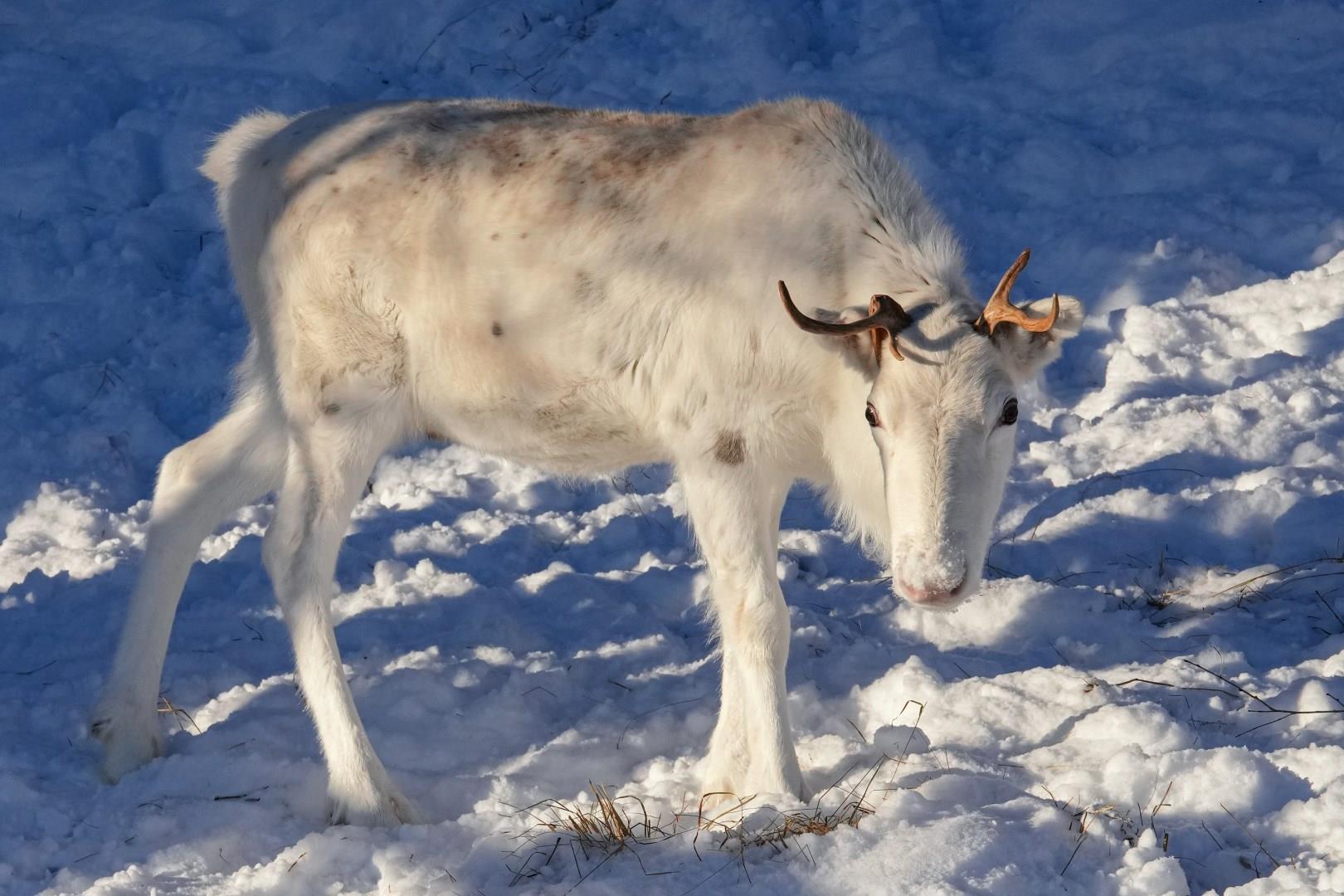
Kirkenes sits at the far northeastern edge of Norway, just a few kilometers from the Russian border and not far from Finland. This Arctic town offers travelers a perspective they won’t find anywhere else in the country. With street signs in both Norwegian and Russian, and a local history shaped by war, trade, and shifting borders, Kirkenes has long stood at the crossroads of cultures.
Guadalcanal Island
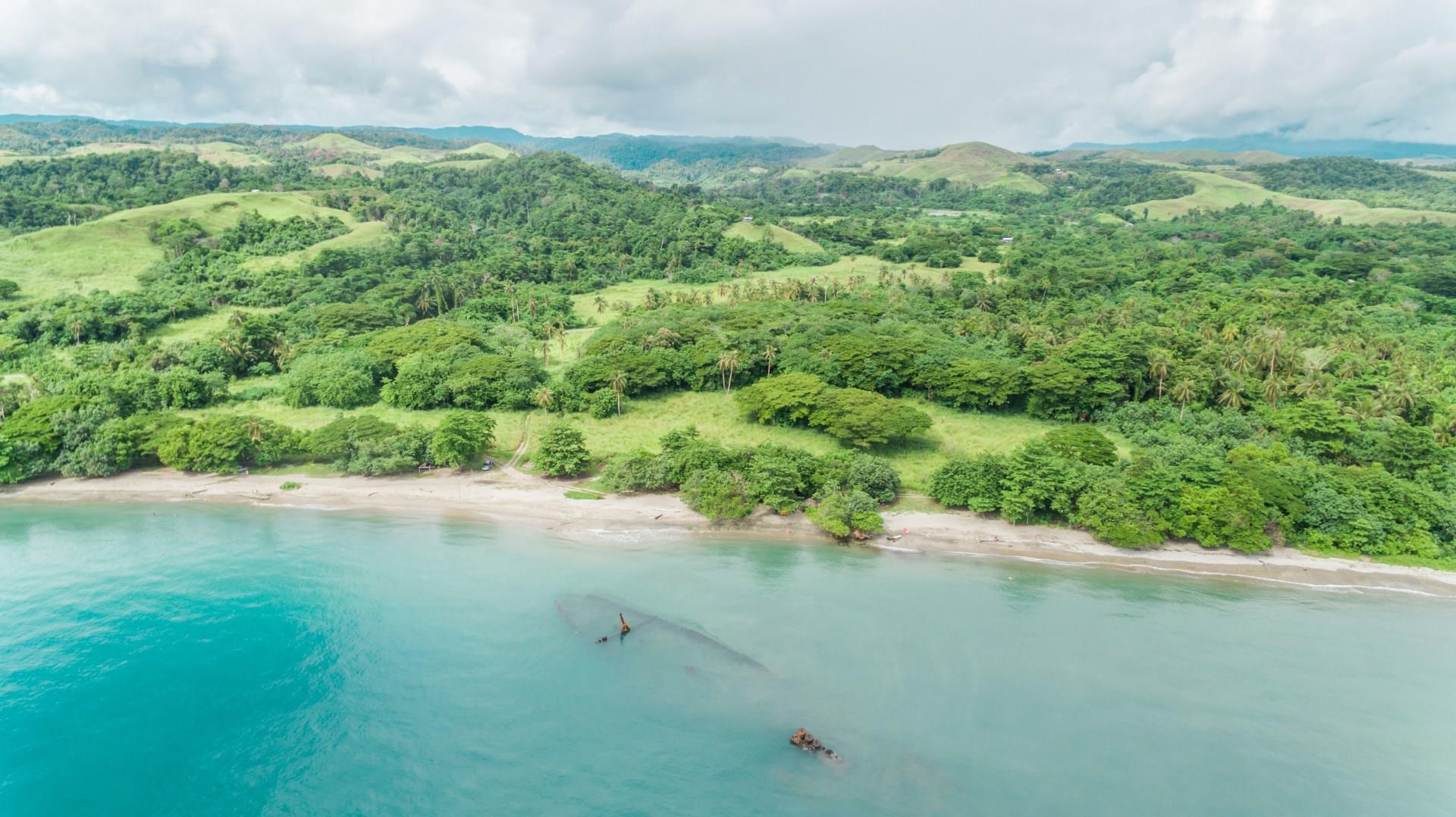
Guadalcanal, the largest island in the Solomon Islands, offers a captivating blend of history, natural beauty, and vibrant culture. This Pacific paradise is most famously known as the site of a pivotal World War II battle, where Allied forces fought fiercely against Japanese troops. Visitors can explore this rich history at the Vilu War Museum, which houses relics, artifacts, and memorials that bring the island's past to life.
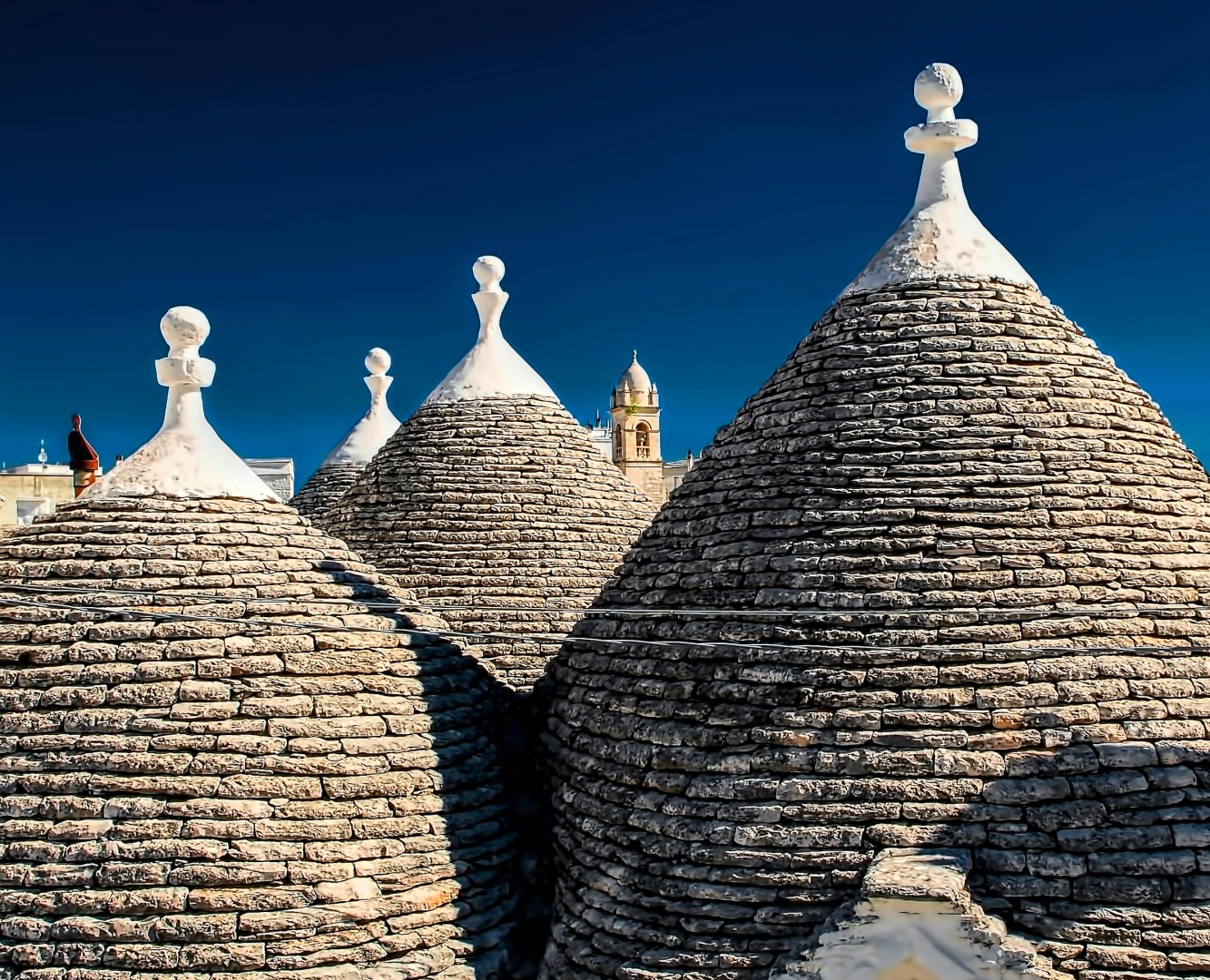
Alberobello
Alberobello in southern Italy’s Puglia region captures the imagination with its distinctive trulli houses. These structures were built using a dry-stone technique passed down over centuries, without mortar or cement, and their unique form comes from layer upon layer of limestone nestled from nearby fields. Alberobello’s trulli are so remarkable that in 1996 the historic center was inscribed as a UNESCO World Heritage Site, where more than 1,600 of these buildings still stand.
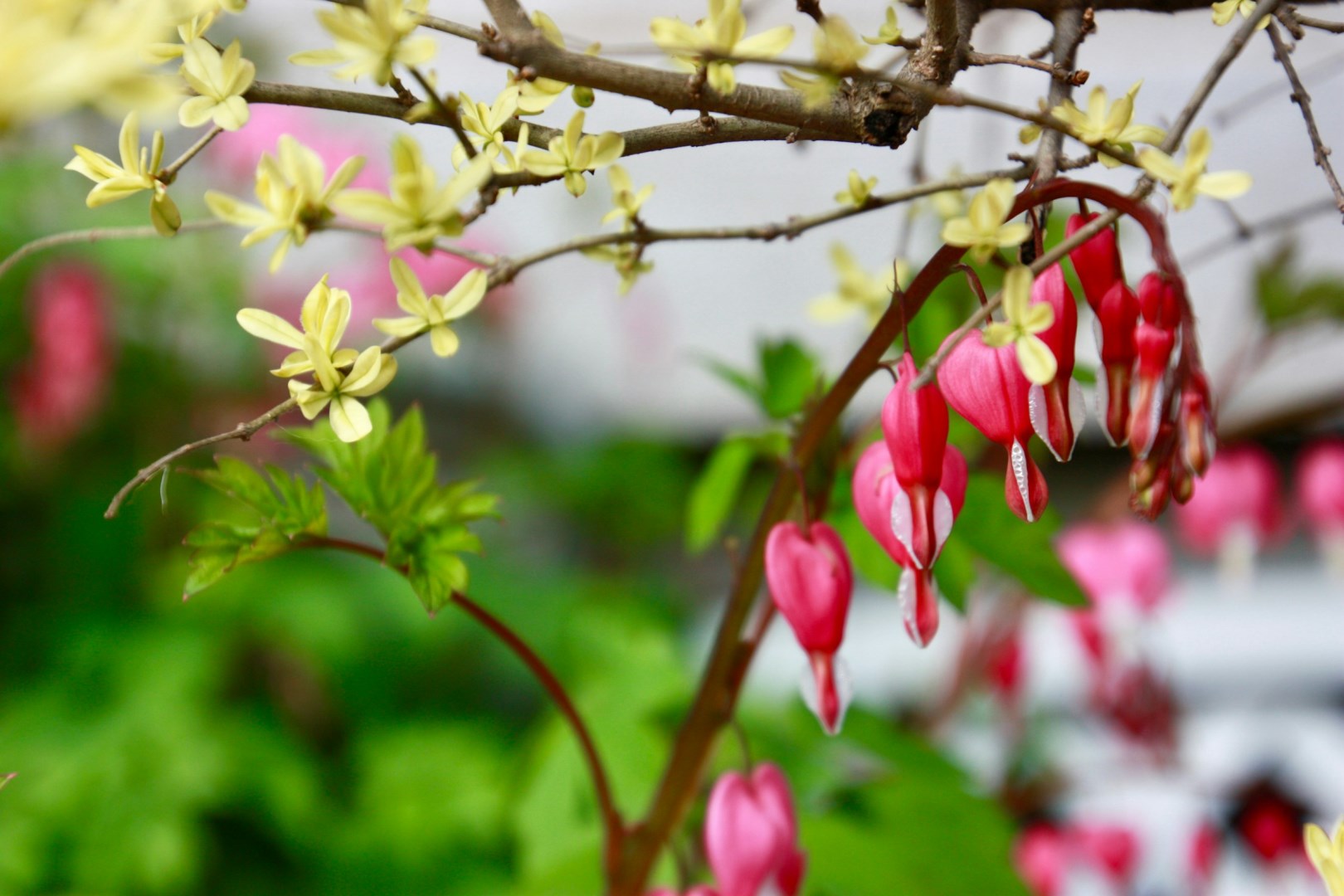
Kingston
Kingston is a waterfront city in eastern Ontario where Lake Ontario, the St. Lawrence River, and the Rideau Canal meet. Its location at the entrance to the Great Lakes and the Thousand Islands has shaped its role in transportation, trade, defence, and settlement. The city is known for its limestone buildings, historic downtown, waterfront parks, and connection to Queen's University and the Royal Military College of Canada.
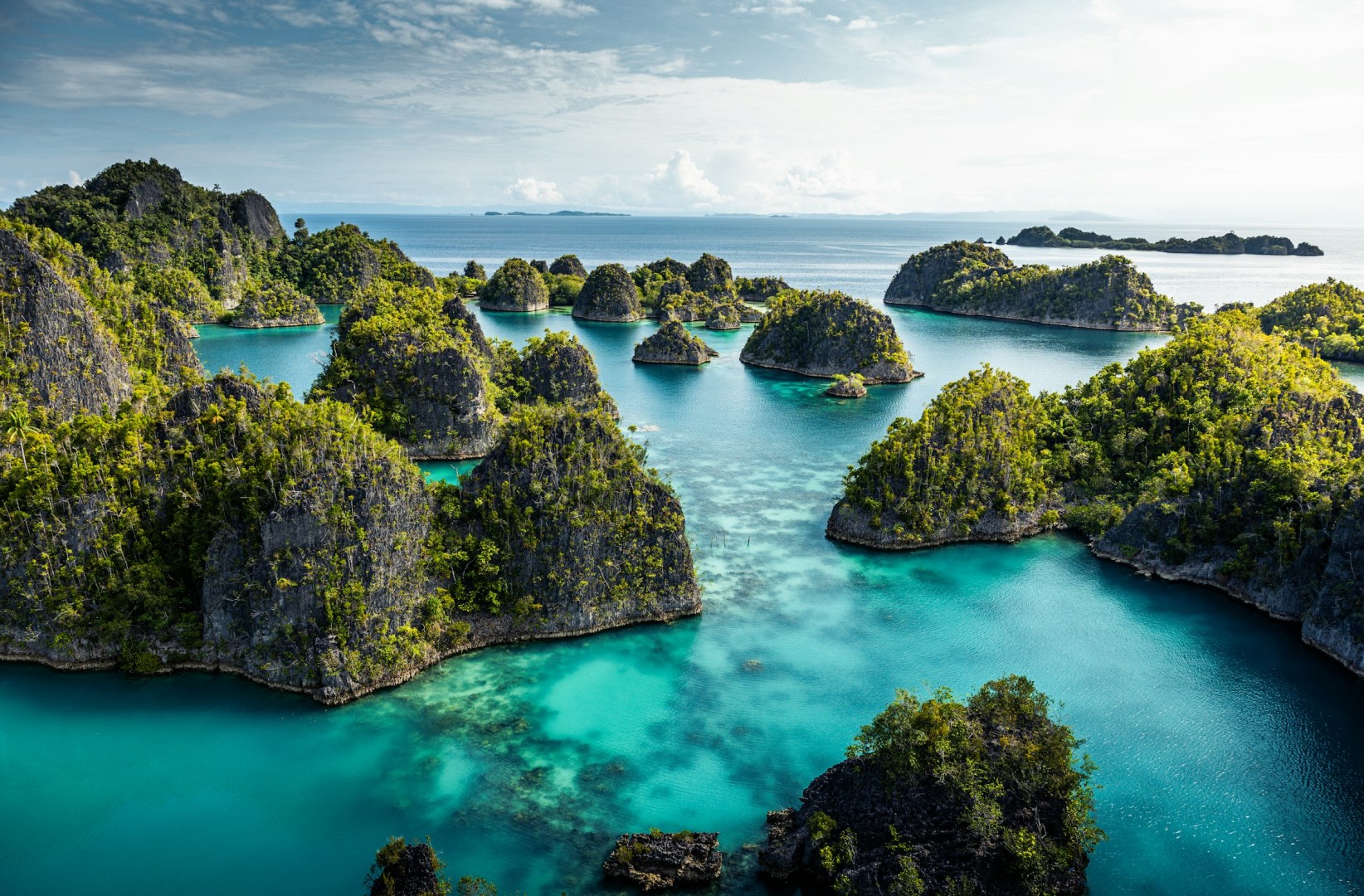
Raja Ampat
Raja Ampat is an archipelago in Southwest Papua, Indonesia, centered around the four major islands of Waigeo, Batanta, Salawati, and Misool. More than 1,500 smaller islands, cays, and reefs surround these larger islands, creating a landscape of forested hills, limestone formations, sheltered bays, and clear tropical waters.