Khiva
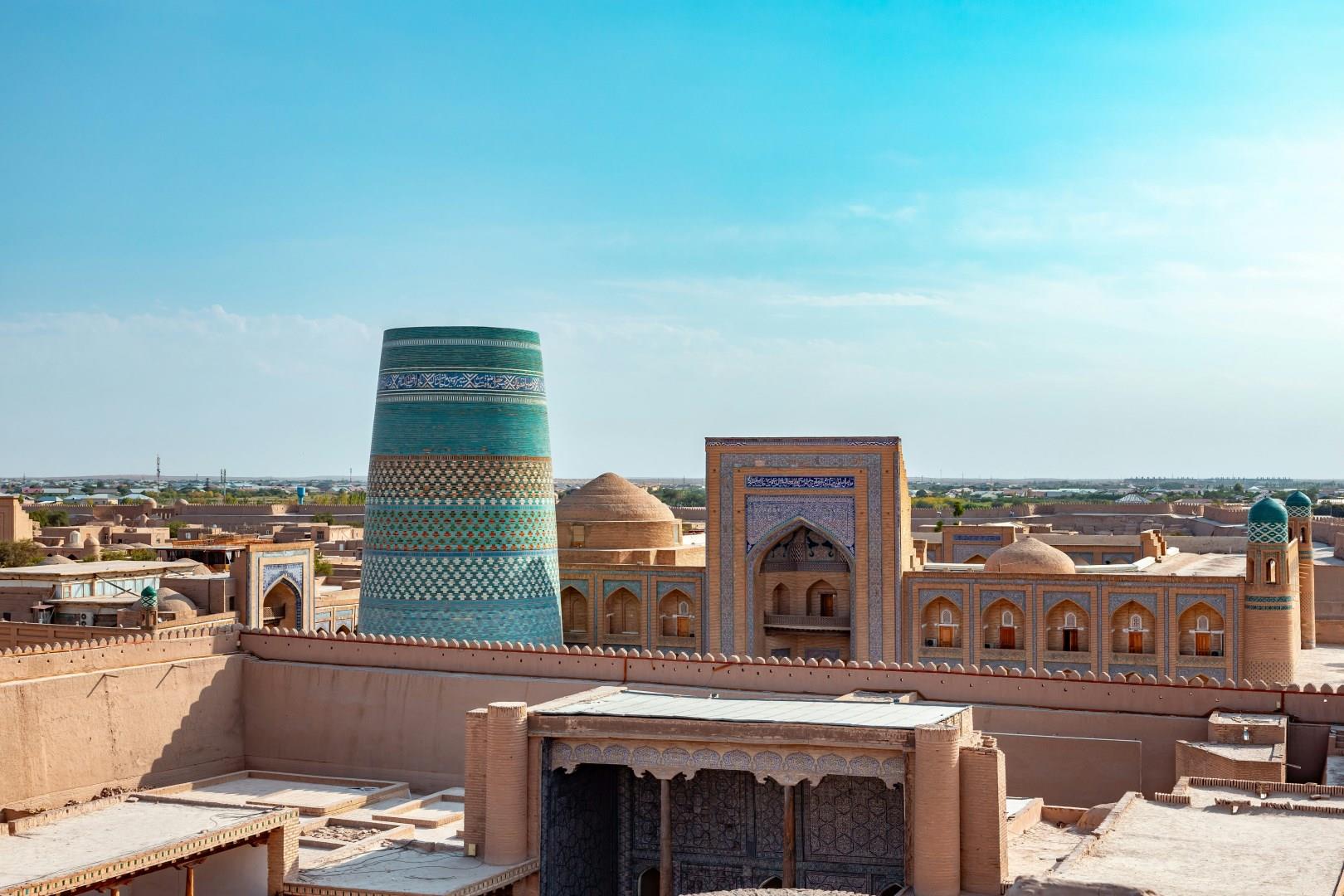
Khiva, located in western Uzbekistan’s Khorezm region, is one of Central Asia’s most evocative Silk Road cities. Its walled inner city, known as the Itchan Kala, has preserved a remarkable collection of mud-brick architecture, minarets, mosques, and madrasahs that reflect centuries of Islamic culture and trade. Khiva served as a thriving trading hub and political center, linking merchants and scholars across the desert routes of the region.
Gili Trawangan
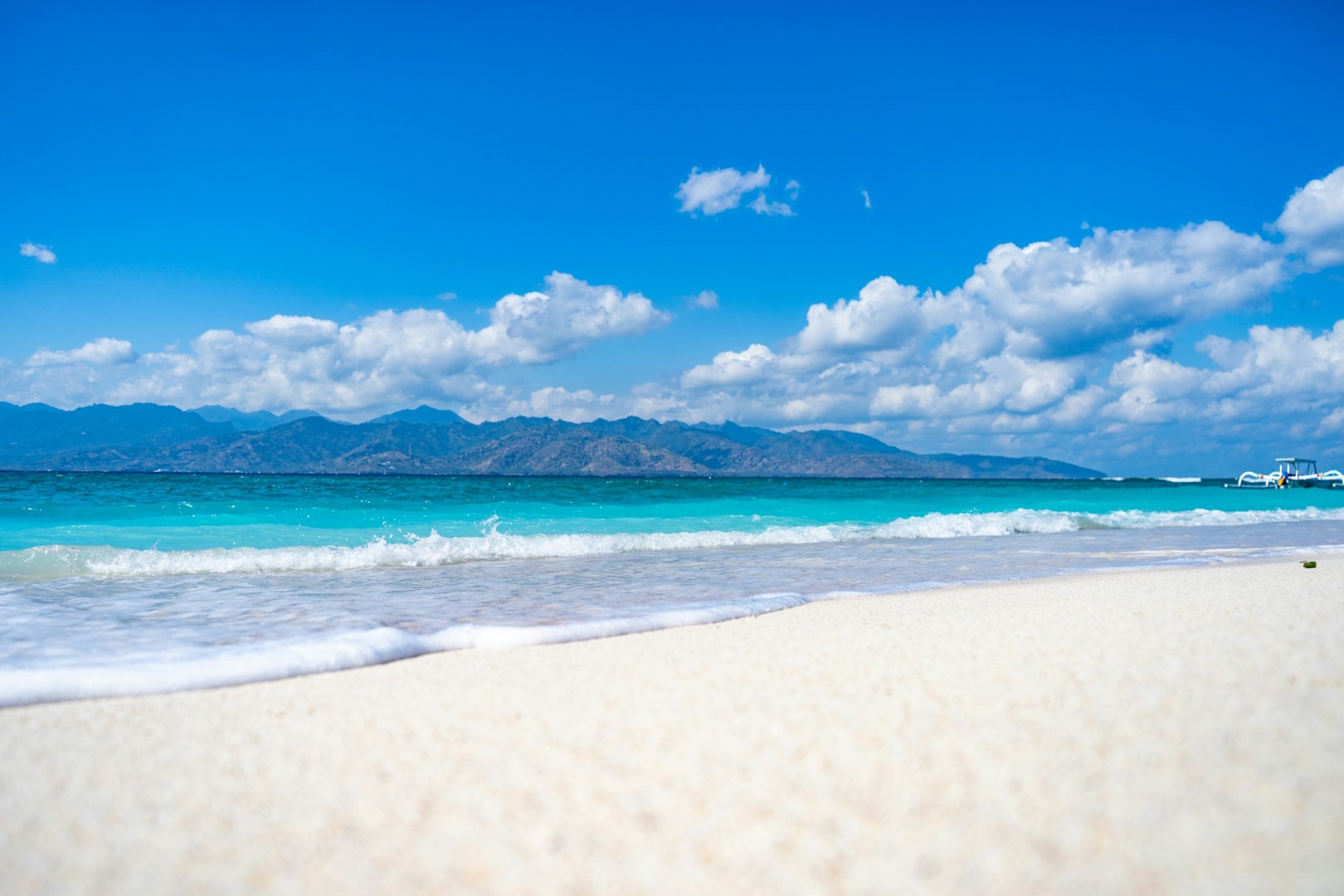
Gili Trawangan is the largest of the three Gili Islands, located off the northwest coast of Lombok in West Nusa Tenggara. The island is surrounded by coral reefs and clear coastal waters, with a sandy shoreline extending around much of its perimeter. Its compact size makes it easy to explore by bicycle or on foot, while horse-drawn cidomo carts provide traditional local transport.
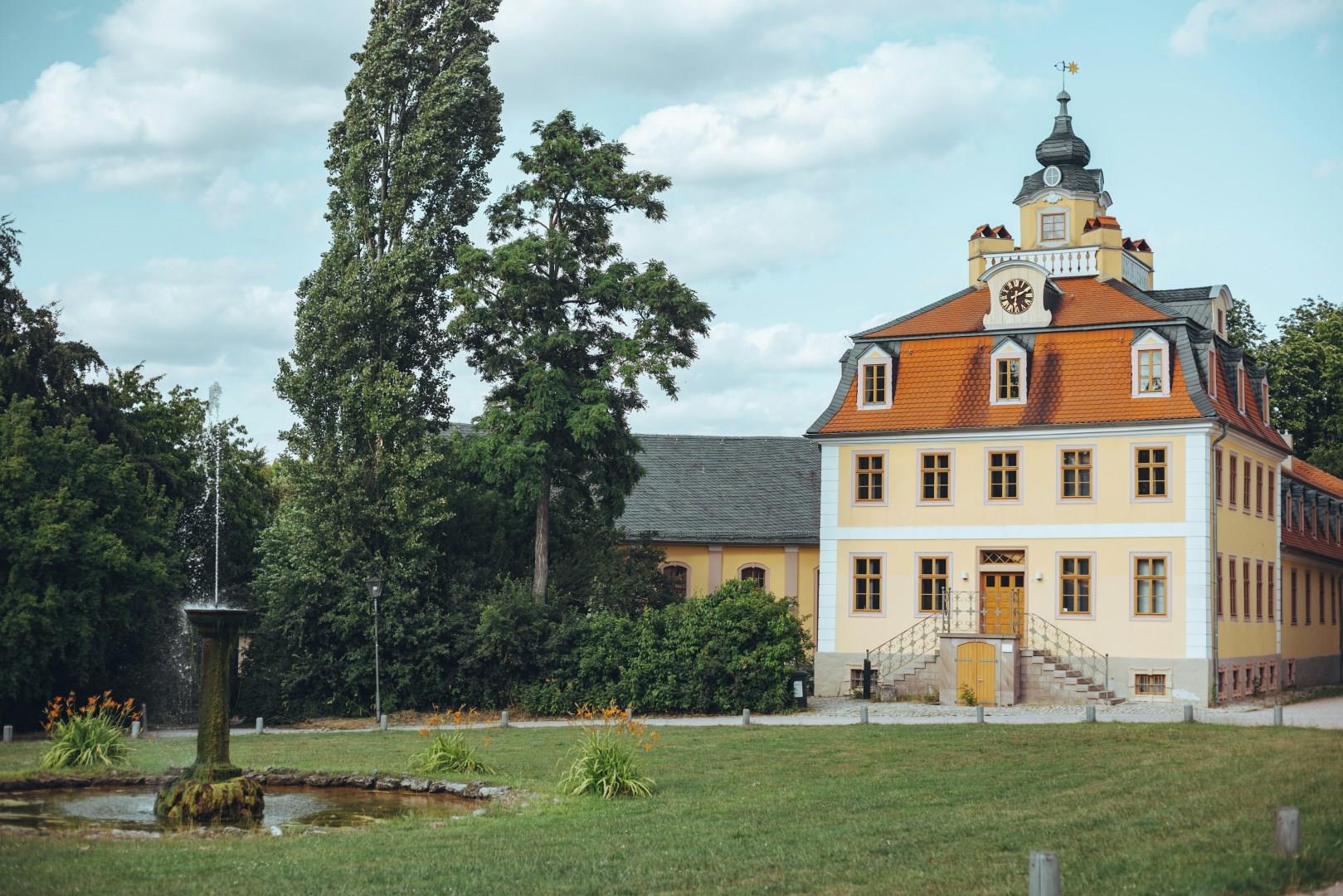
Weimar
Weimar, located in the heart of Germany’s Thuringia region, is a city renowned for its cultural heritage, classical architecture, and pivotal role in European history.
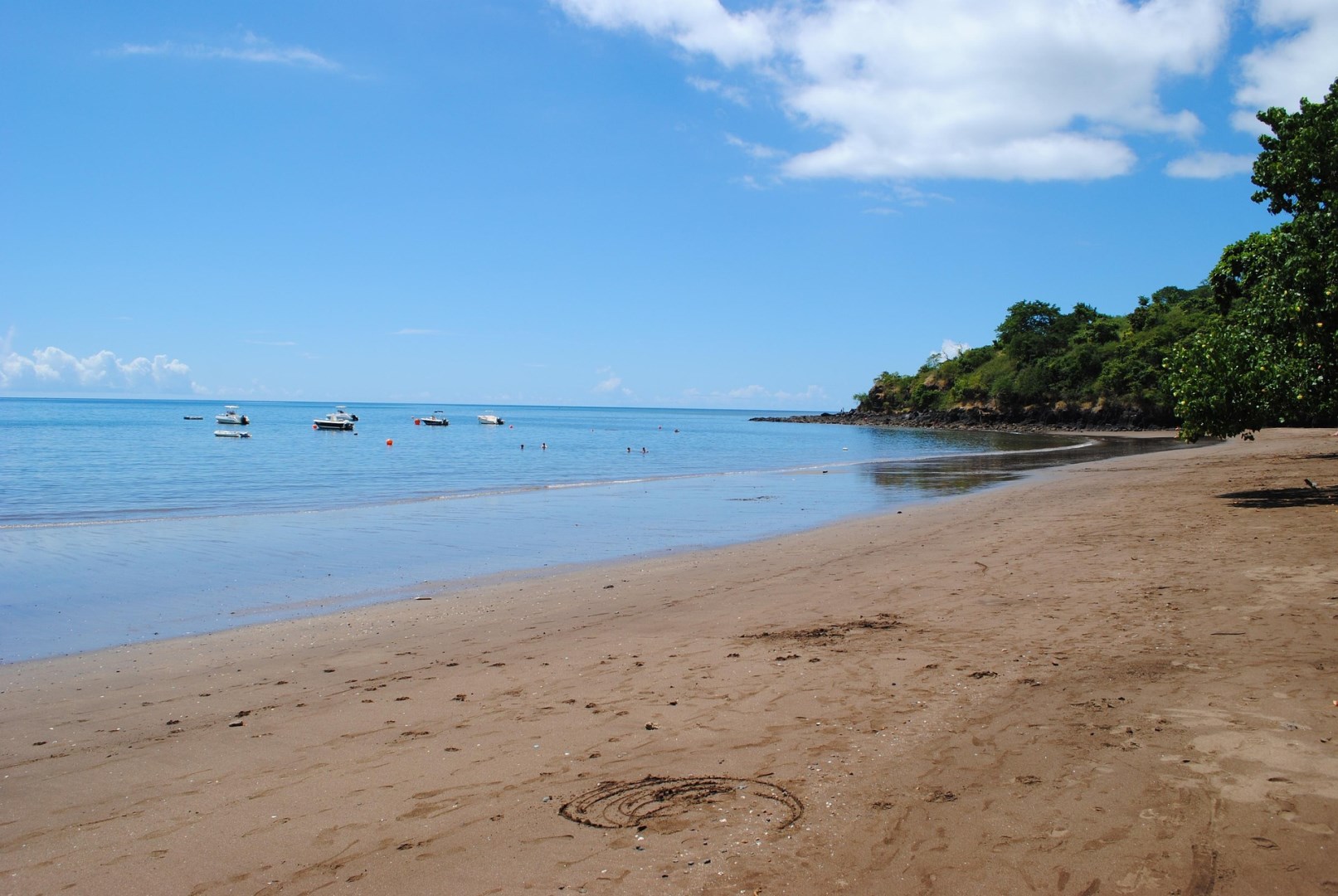
Trévani
Trévani is a coastal village on the northern side of Mayotte’s Grande-Terre, facing the island’s large lagoon. It is part of the commune of Koungou and is known for its waterfront setting, tropical vegetation, and access to the sea. The village sits near a sheltered bay where the coast curves around shallow lagoon waters, creating a landscape closely connected to fishing and marine activities.
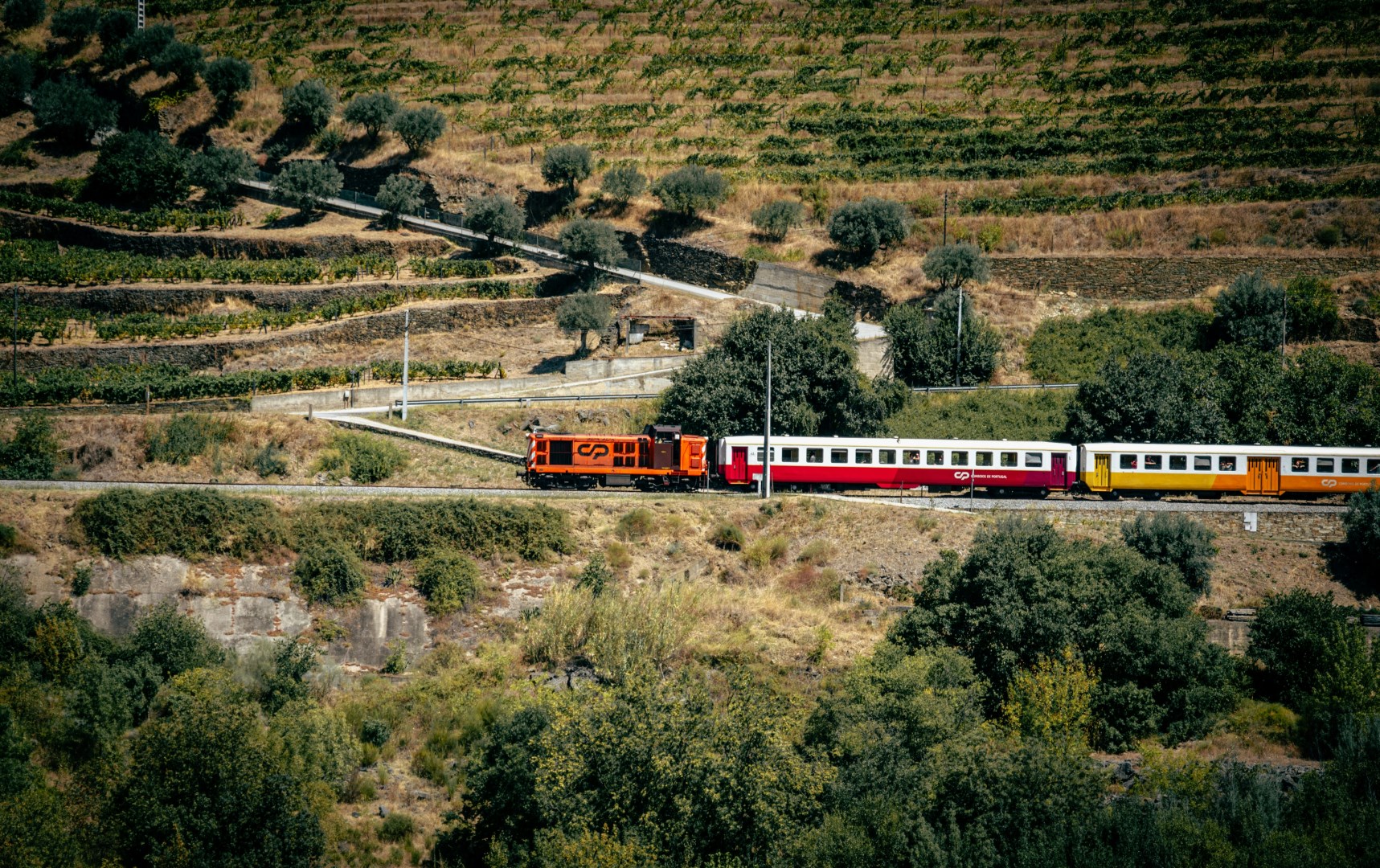
Peso da Régua
Peso da Régua, often called the gateway to Portugal's Douro Valley, sits along the banks of the Douro River and is surrounded by steep, terraced vineyards. The town has long been central to the production of the world-famous Port wine, and visitors can explore the rolling hills covered with neatly arranged grapevines that climb dramatically from the river’s edge. The town itself offers a quiet riverside charm, with narrow streets, historic buildings, and scenic viewpoints.