Boppard
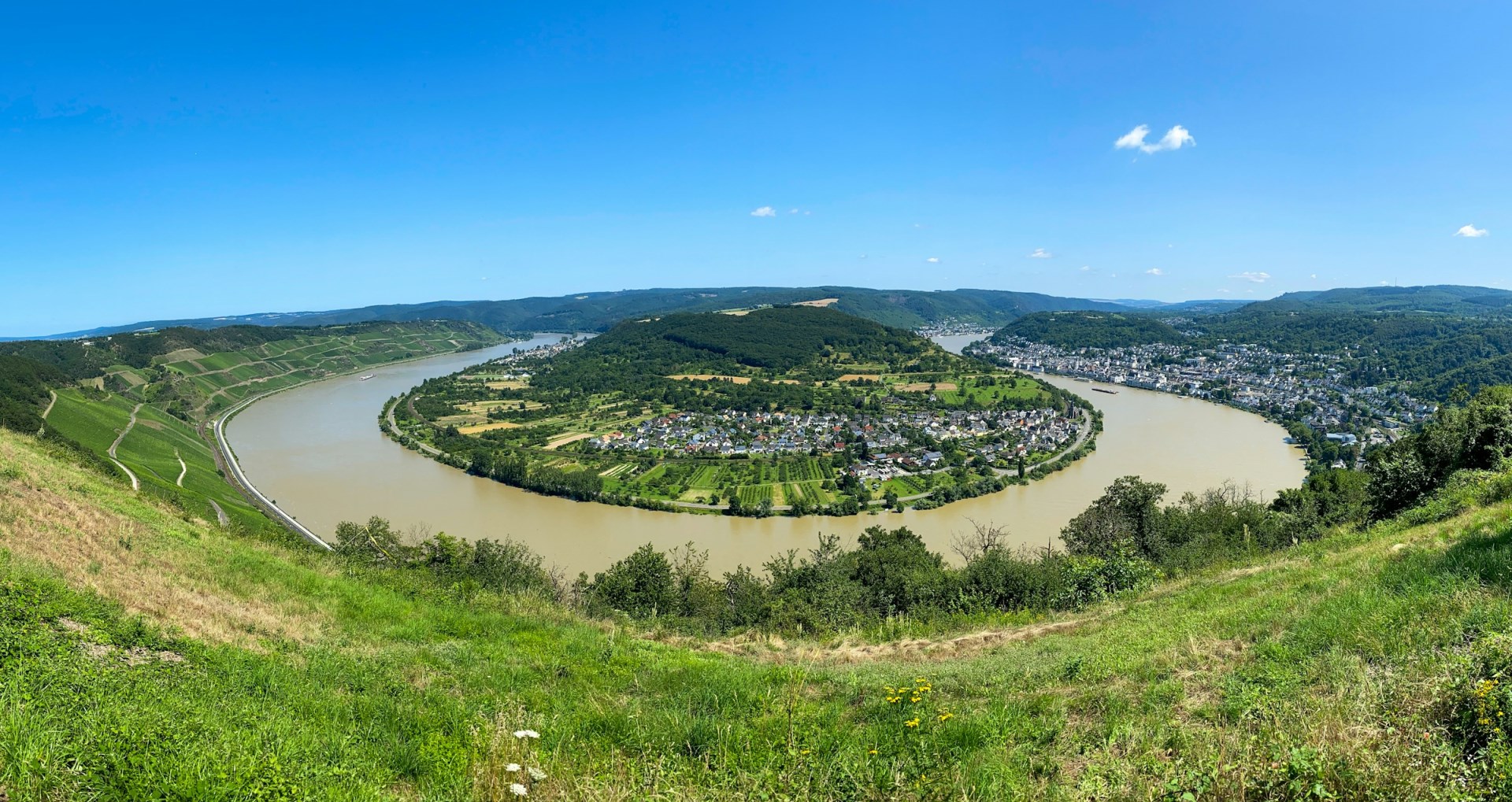
Boppard, the pearl of the Rhein, gets its nickname from the fact that it is situated on part of a horse-shoe ben in the Rhein, resembling a pearl in an oyster shell. This bend is one of the most severe anywhere on the Rhein, so much so that the town frontage faces due north while the vineyards, one the same band face due south. The bend is also known as the "bendiest bend on the Rhein."
Saty
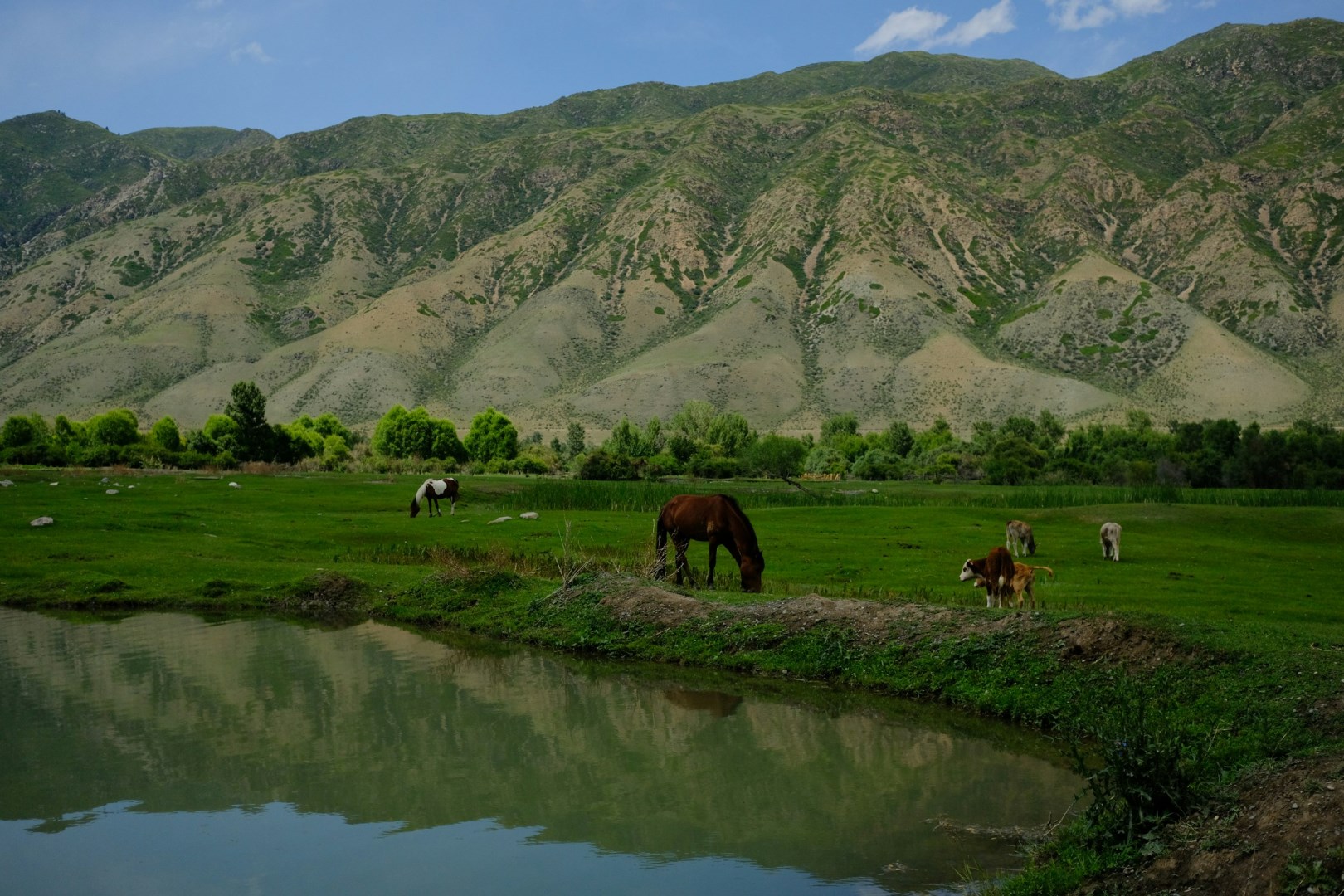
Saty is a small mountain village in the Almaty Region of southeastern Kazakhstan, set at the foot of the Tian Shan ranges. It serves as the main gateway to Kolsai Lakes National Park and is the usual base for visits to the Kolsai Lakes and nearby Kaindy Lake. The village is surrounded by open valleys, mountain slopes, and coniferous forests, giving it a rural setting closely connected with the surrounding landscape.

Asheville
Nestled in the heart of North Carolina’s Blue Ridge Mountains, Asheville is a haven for nature lovers, art enthusiasts, and history buffs alike. This vibrant city boasts stunning scenery with the Blue Ridge Parkway, often dubbed “America’s Favorite Drive,” providing unparalleled views of the Appalachian wilderness. In autumn, the mountains burst with fiery reds and golds, creating one of the most picturesque fall displays in the U.S. Beyond its natural beauty,
Yaoundé
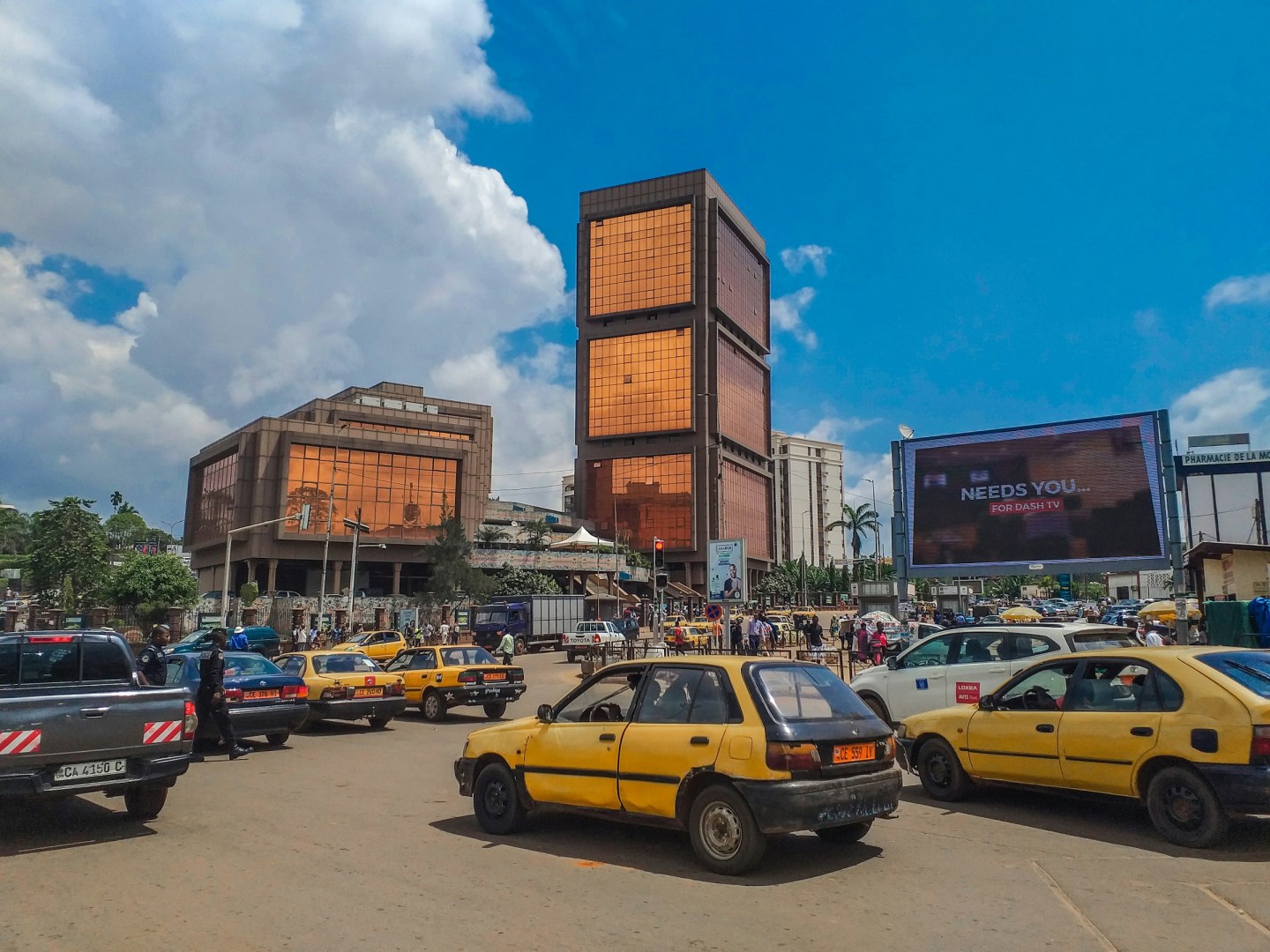
Yaounde is located 18 kilometers from Yaounde Nsimalen Airport, near Central Market.
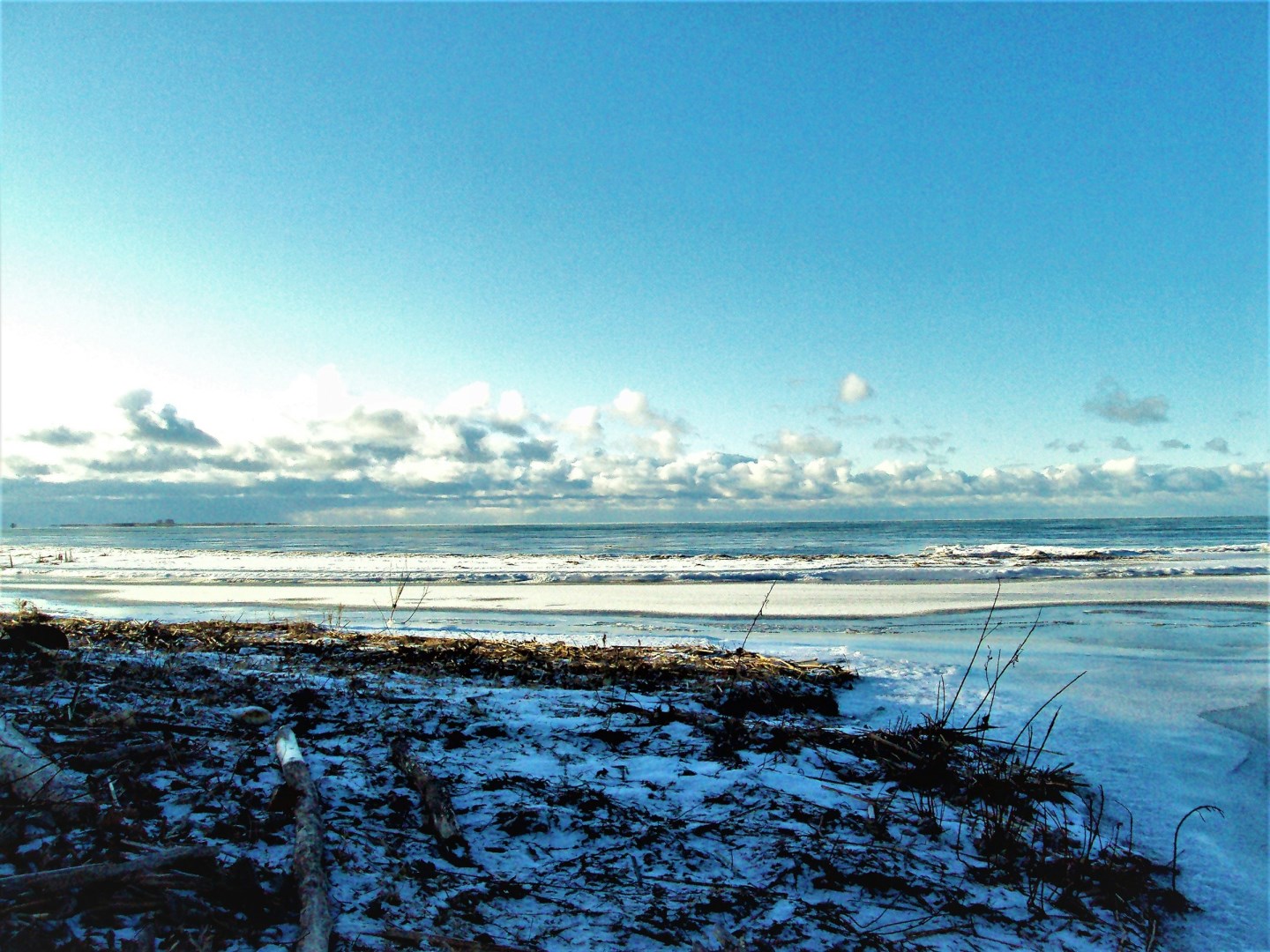
Bay City
Bay City is a waterfront city in eastern Michigan, situated along the Saginaw River near its outlet into Saginaw Bay, one of the large bays of Lake Huron. Its location on the river helped establish the city as a center for lumber, shipbuilding, manufacturing, and commercial shipping.