Perugia
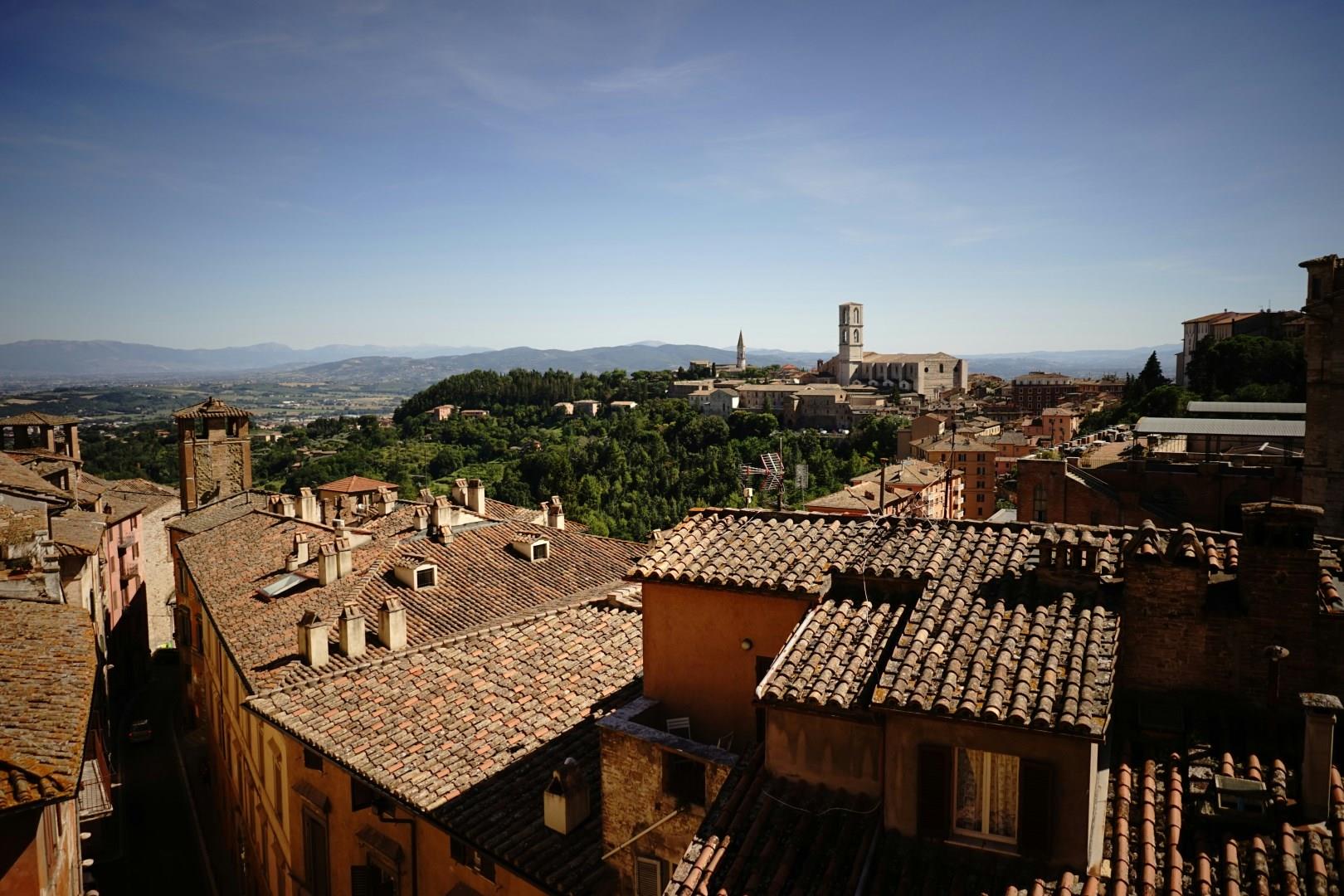
Perugia, the capital of Italy’s Umbria region, is a city built across hills and centuries. Originally settled by the Etruscans more than 2,500 years ago, it still holds remnants of their civilization, including one of the largest surviving Etruscan arches in Italy named Arco Etrusco, which greets visitors at the city’s entrance. Walking through the narrow streets of the historic center reveals layers of Roman, medieval, and Renaissance architecture, all woven together within ancient stone walls.
Mesa
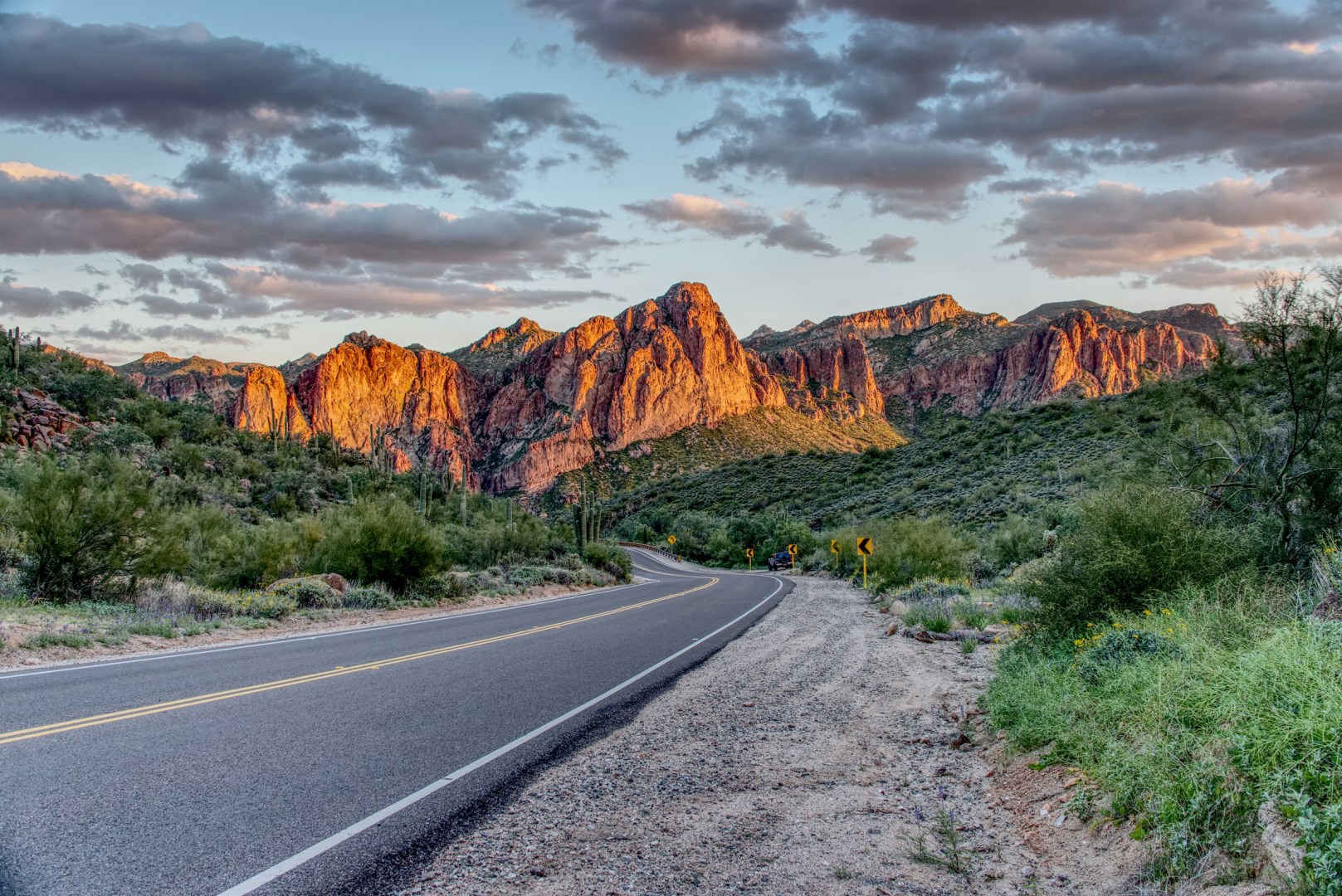
Mesa is a city in Maricopa County in the East Valley of the Phoenix metropolitan area, set against the Sonoran Desert and the lower slopes of the Superstition Mountains. Its landscape combines developed neighborhoods with desert parks, citrus groves, canals, and broad mountain views. Mesa has grown into one of Arizona’s larger cities while retaining connections to agriculture and the Salt River Valley.
Njalo Island
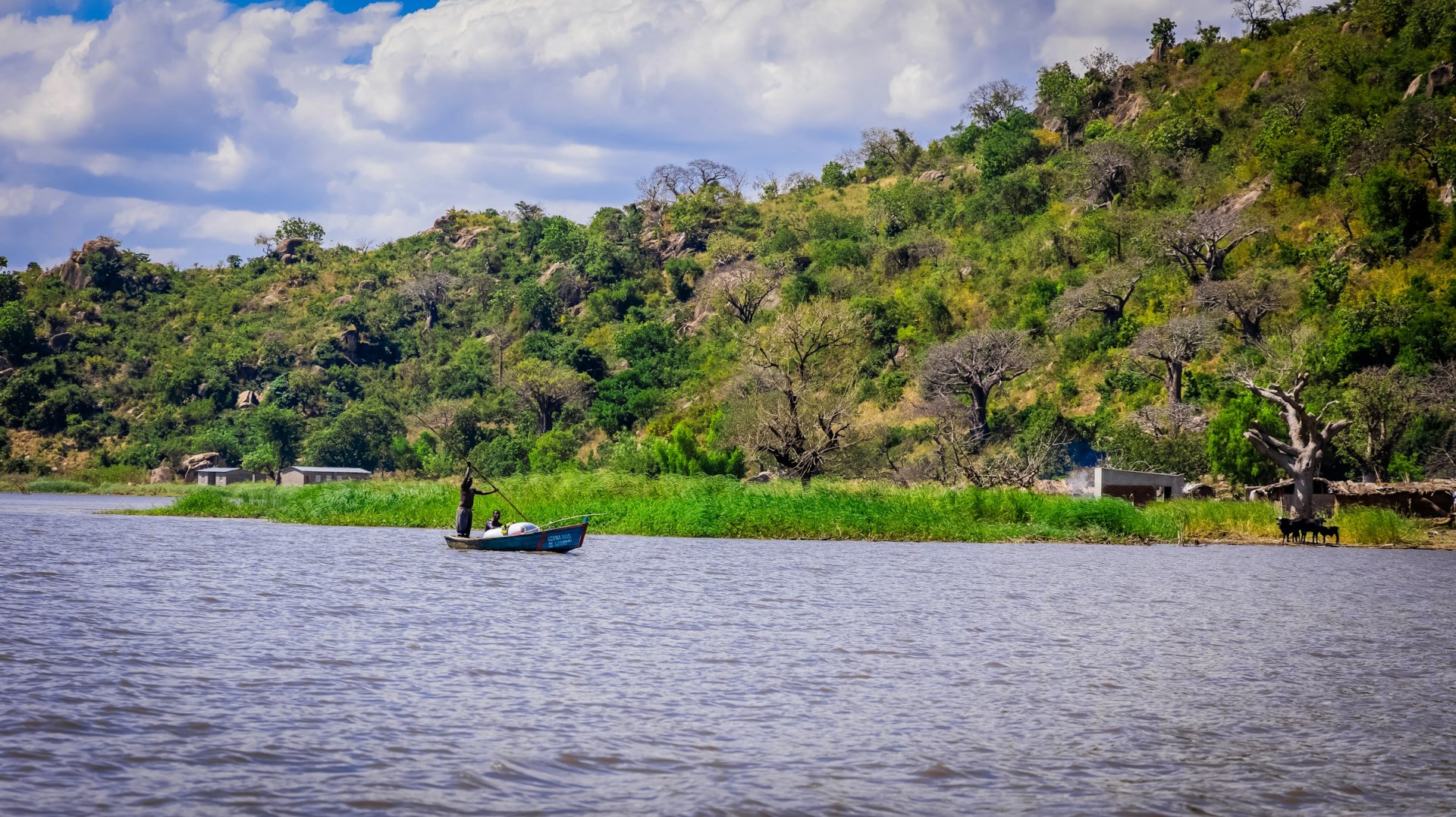
Njalo Island is a small inhabited island in Lake Chilwa, in southern Malawi’s Phalombe District. Situated in the lake’s open waters, it is part of a wetland landscape shaped by changing water levels, shallow channels, marshes, and seasonal fishing activity. The island is home to a close-knit community whose daily life is closely connected to the lake. Fishing provides an important source of food and income, while boats are essential for transport between the island and mainland communities.

Inyeug
Inyeug, more commonly known as Mystery Island, is a tiny, uninhabited islet off the coast of Aneityum in Vanuatu’s southernmost province. Measuring just 1.5 kilometers long, the island is completely free of roads, shops, and electricity. What it offers instead is pure seclusion and untouched beauty. Cruise ships often anchor offshore, bringing day visitors to its white-sand beaches and shallow coral lagoons, but once they depart, the island returns to stillness.
Hakataku Fukuoka
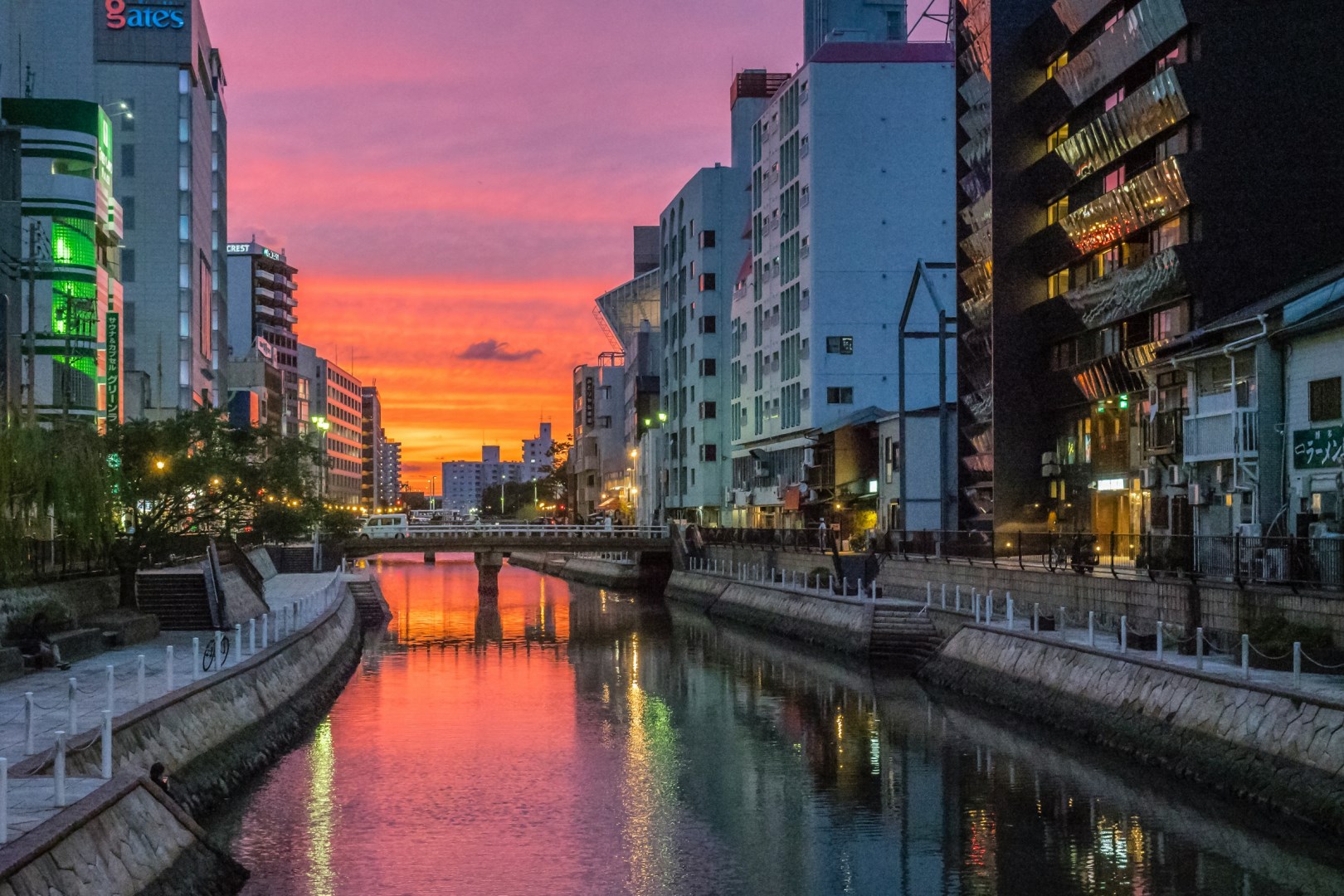
Hakata-ku, a central ward of Fukuoka City in Japan’s Kyushu region, is a lively blend of history, commerce, and culture. Once an independent merchant town, Hakata played a major role in Japan’s early international trade with China and Korea, shaping its cosmopolitan identity.