Marshall Islands
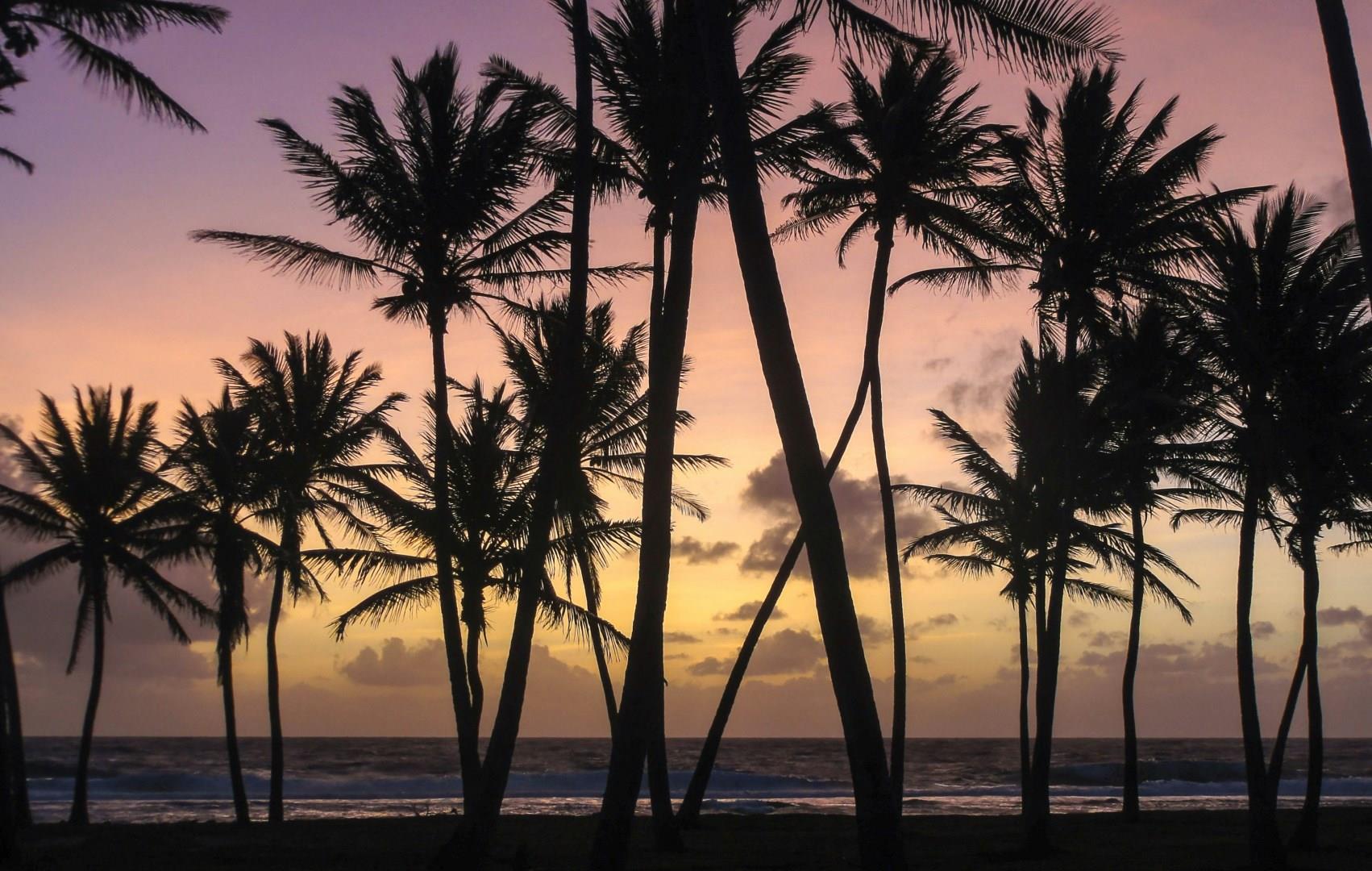
The Marshall Islands, a remote chain of atolls and islands in the central Pacific, invites travelers into a world where tradition, ocean life, and recent history all leave a lasting impression. Spread across nearly a million square miles of ocean, this independent nation offers rare access to some of the world’s most pristine marine environments.
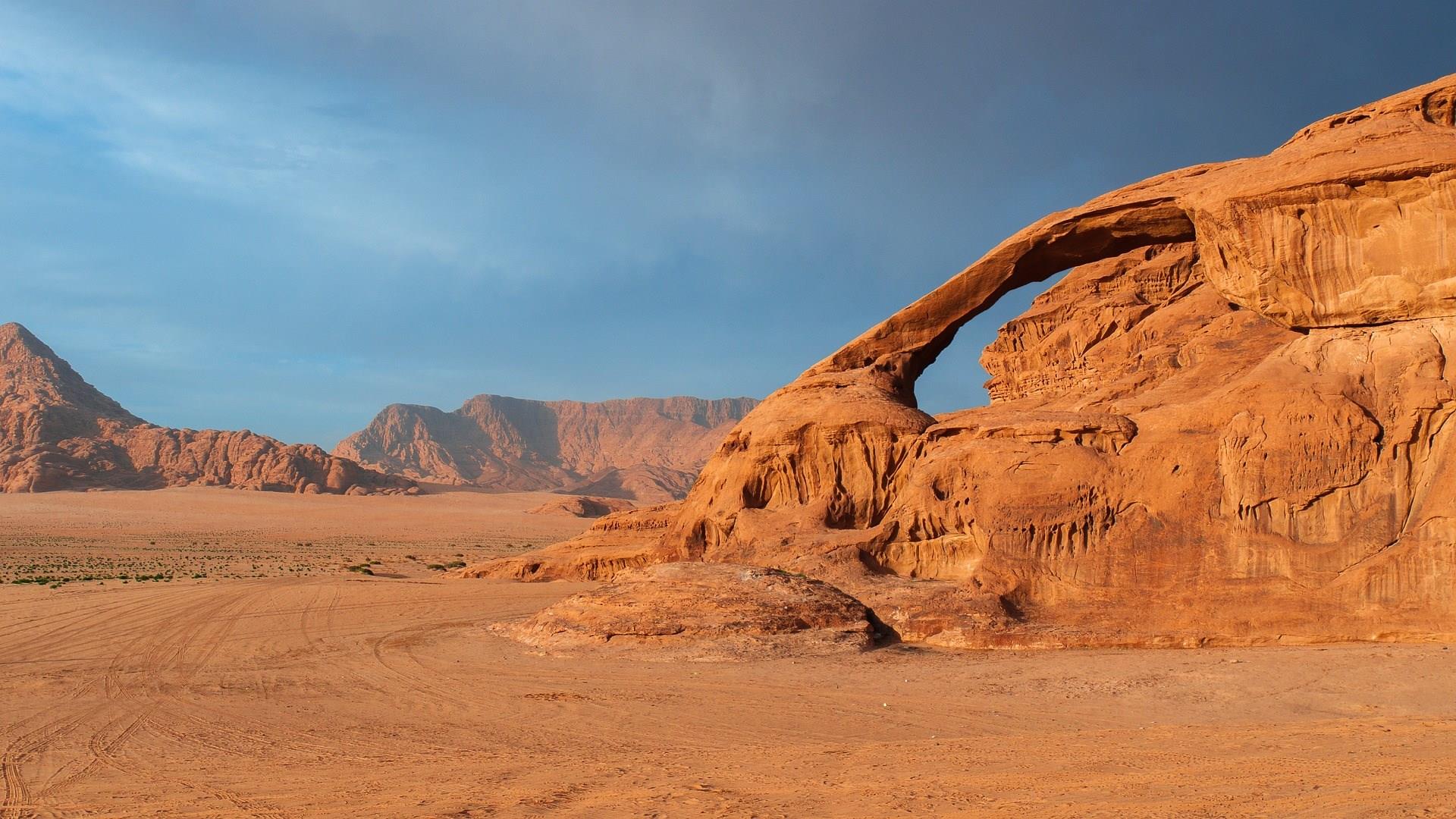
Wadi Rum
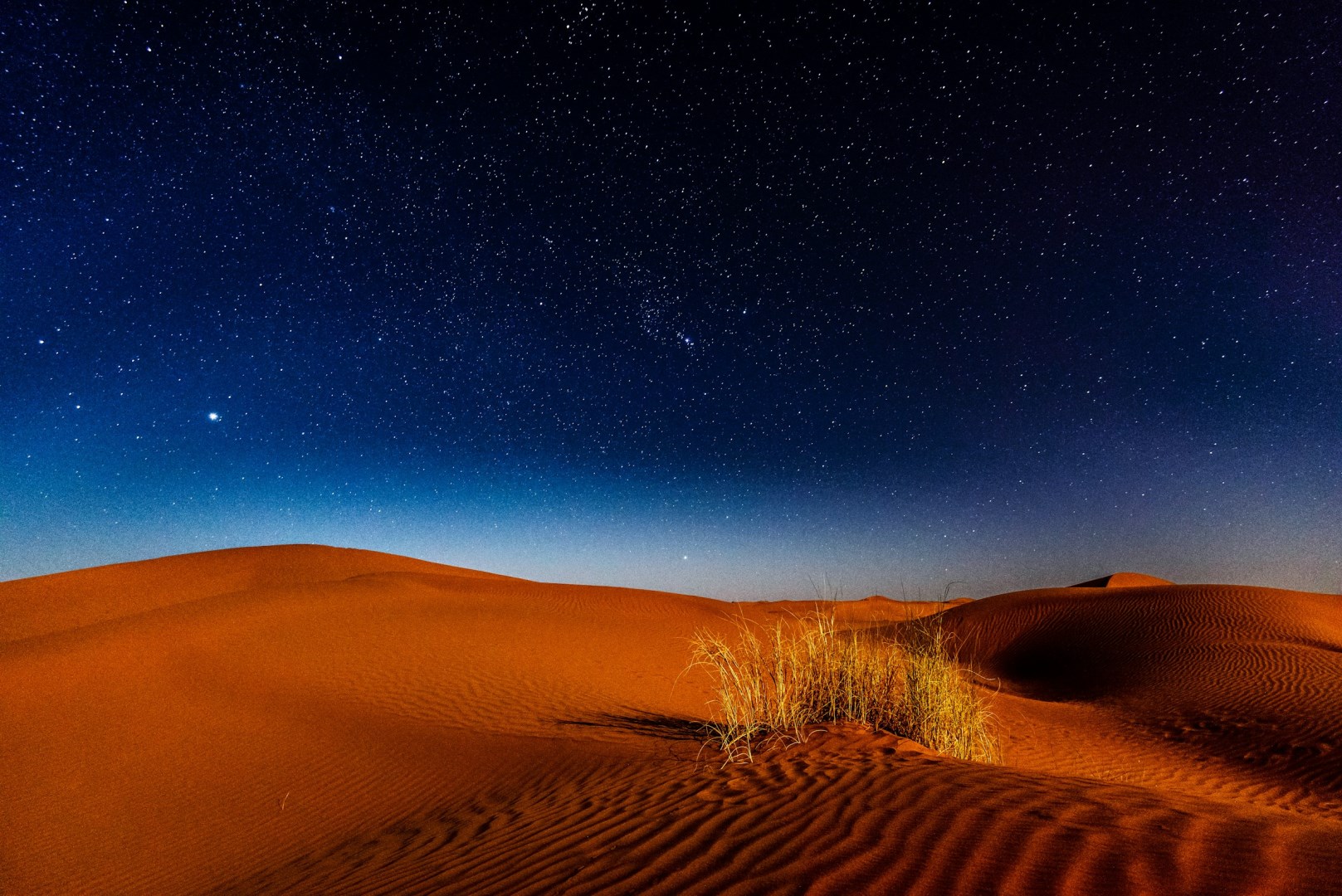
Wadi Rum, often called the “Valley of the Moon,” is a desert landscape in southern Jordan renowned for its dramatic sandstone mountains, sweeping red sand dunes, and ancient history carved into the rock. Its vast, otherworldly scenery has made it both a UNESCO World Heritage Site and a backdrop for films set on distant planets.
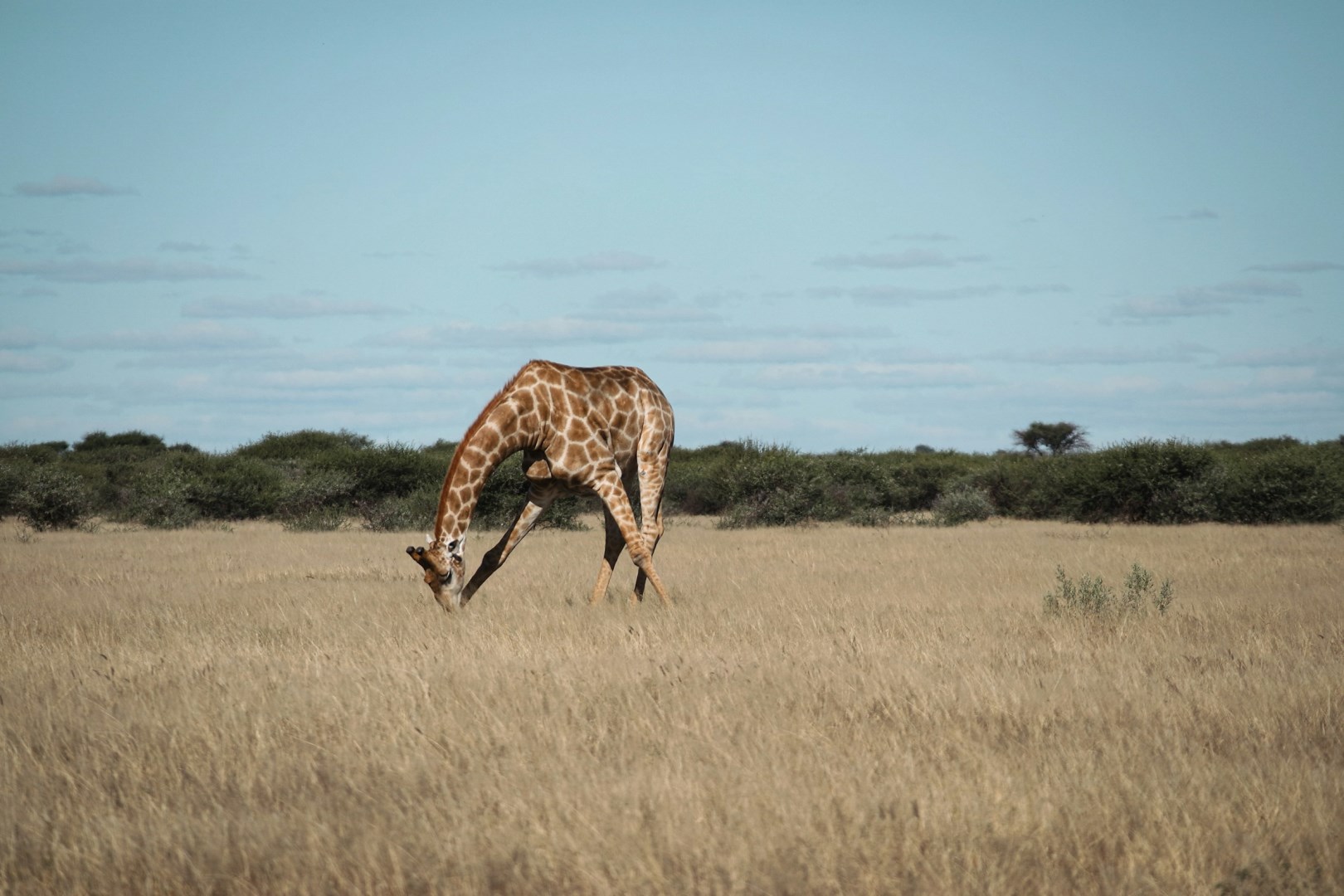
Central Kalahari Game Reserve
The Central Kalahari Game Reserve is a vast protected wilderness in Botswana’s Kalahari Desert, rather than South Africa. It covers a large area of semi-arid grassland, scrub, dry river valleys, and sandy plains, with Deception Valley and the northern section around Passarge Valley among its best-known areas. The reserve is remote and sparsely developed, with wildlife viewing focused on natural water sources and seasonal changes in vegetation

Hiroshima
Hiroshima, a city on Japan’s Honshu Island, is a place where history and resilience intertwine to create a destination that is both deeply moving and inspiring. Beyond its historical significance, Hiroshima offers visitors a vibrant cultural scene.

Milan
Milan, Italy’s fashion capital, offers an exquisite blend of historical grandeur and contemporary chic. As you wander through this vibrant city, you’re greeted by architectural masterpieces like the Milan Cathedral, a stunning example of Gothic design and the largest church in Italy. Its intricate façade and the panoramic views from the rooftop provide a breathtaking experience.