Durrës
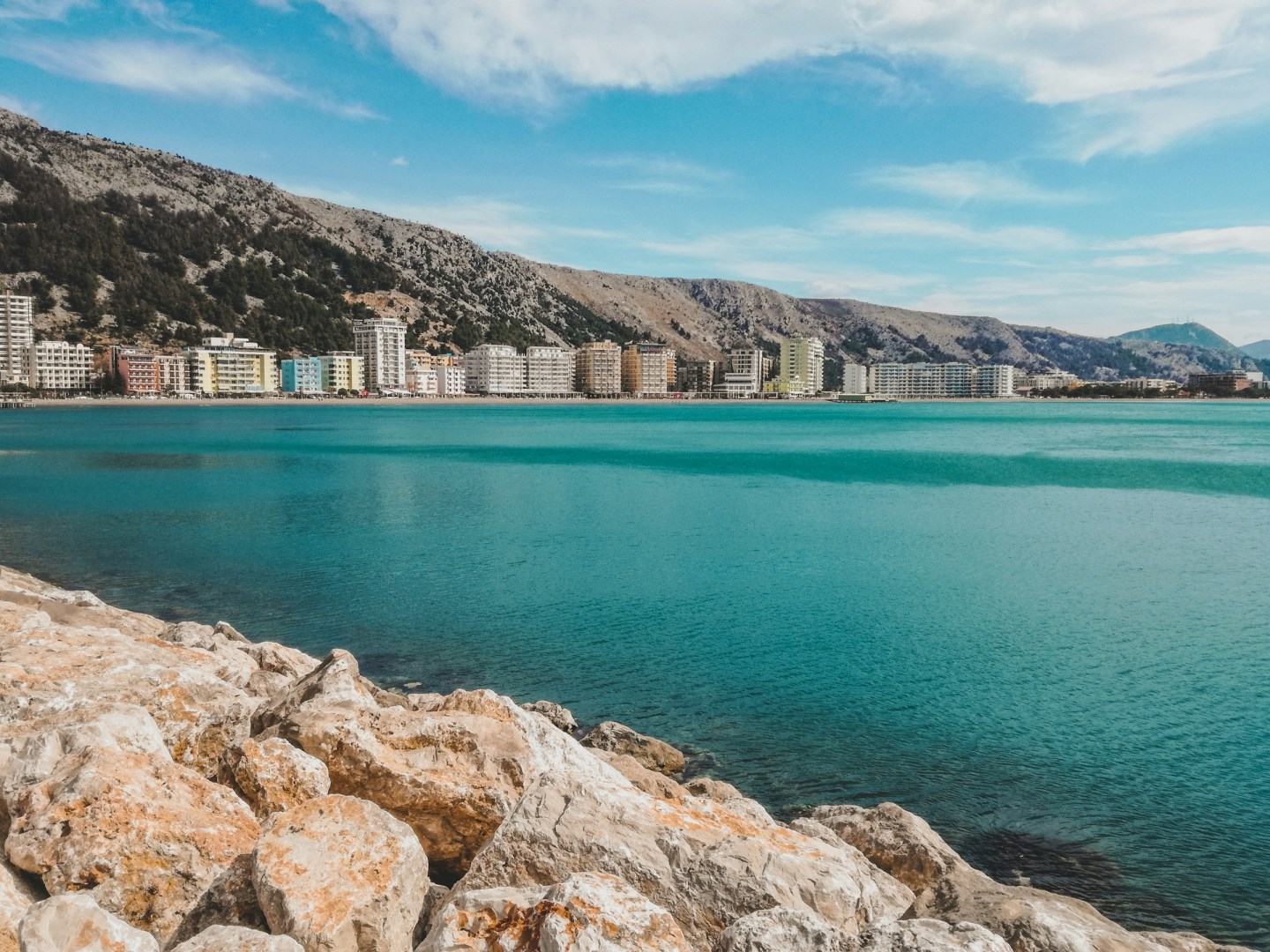
Founded in the 7th century BC, the city of Durres has been conquered by many invading armies. Although most of these left a few traces in the old town of Durres, the main attraction is the excellent beach near the town. Perhaps the most famous of Albanian beaches, it offers shallow waters close to the shore, which makes it very suitable for families and children.
Narok
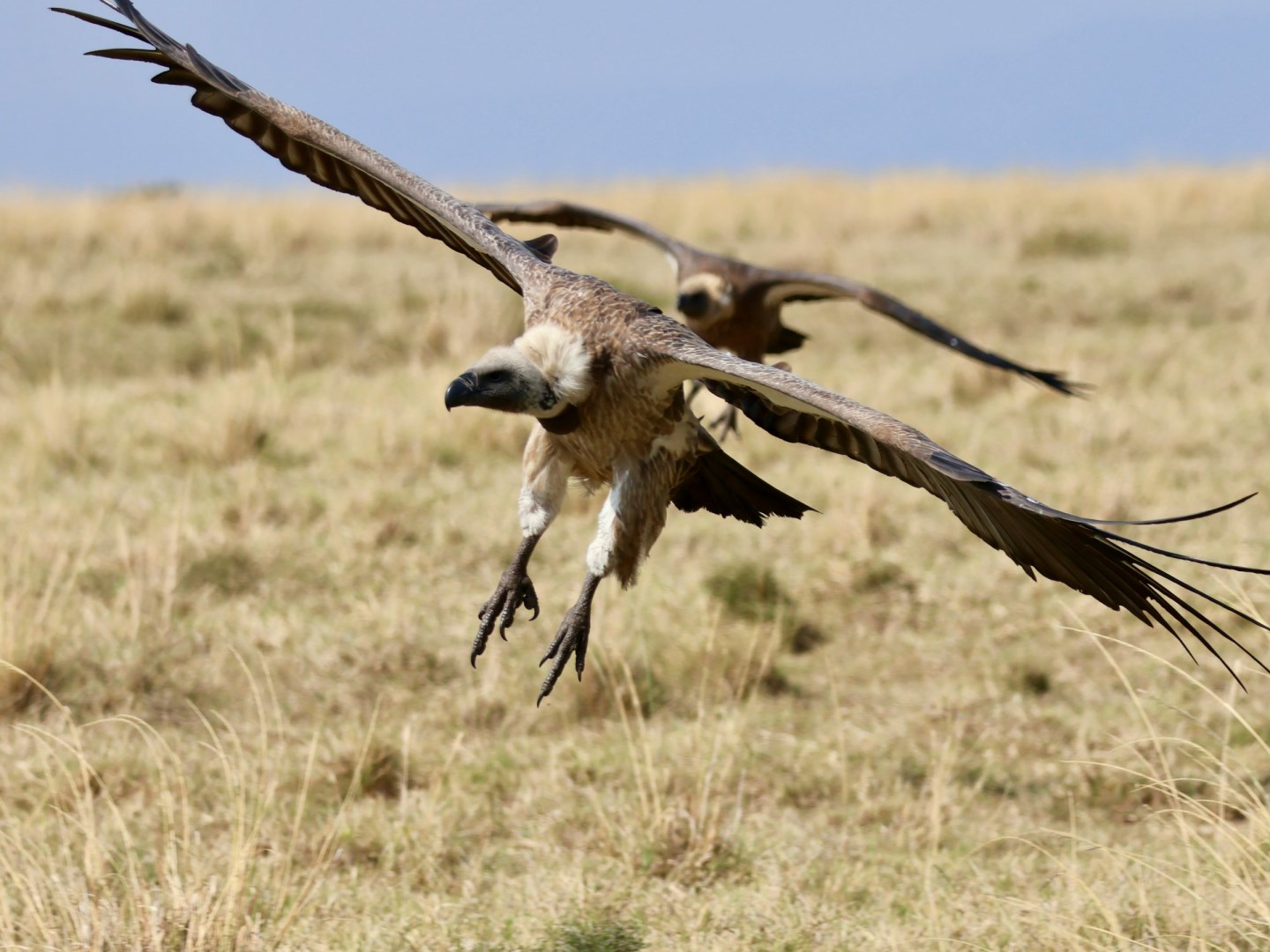
Narok is a town in southwestern Kenya and the administrative centre of Narok County, positioned on the route between Nairobi and the Maasai Mara. The town sits in a highland landscape of open grassland, cultivated fields, and rolling hills, with the surrounding county extending from the Great Rift Valley toward the Maasai Mara plains.

Busan
Busan is located on the southeastern coast of South Korea and is an exciting port city famous for its beaches, including Haeundae Beach, Gwangalli Beach, and Dadaepo Beach. From bustling marketplaces, to Buddhist temples, to Korean War memorials, Busan is brimming with culture and history and offers plenty to explore on your next visit to South Korea.
Braga
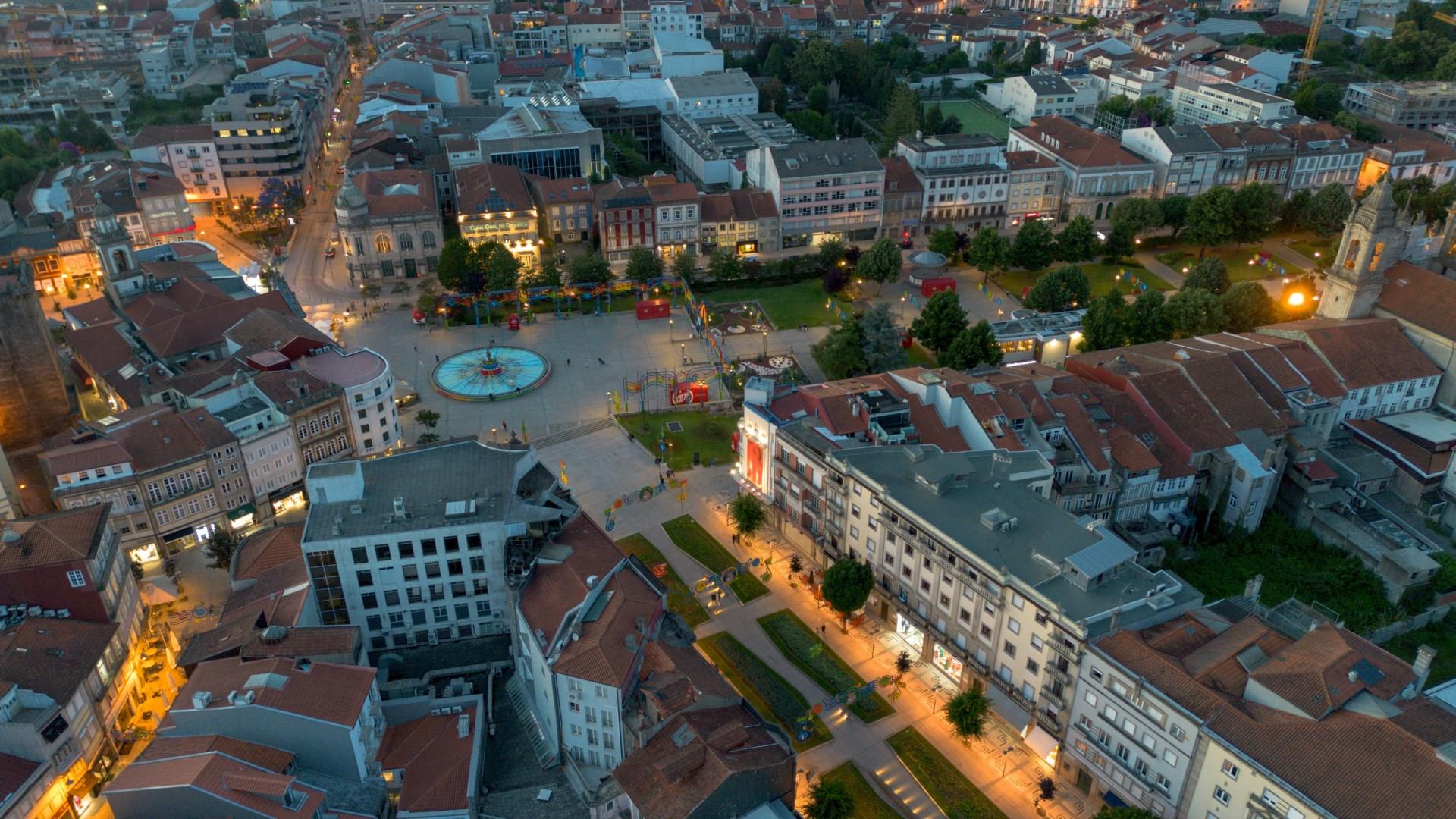
Braga, one of Portugal’s oldest and most vibrant cities, blends deep religious heritage with a youthful, energetic spirit. Founded over two millennia ago by the Romans as Bracara Augusta, the city has long been a center of faith and culture, earning it the nickname “the Rome of Portugal.”

Montego Bay
Montego Bay, Jamaica’s lively resort city, offers an intoxicating mix of sun, sea, and vibrant culture. Situated on the island’s north coast, Montego Bay is renowned for its stunning beaches and crystal-clear waters. The popular Doctor’s Cave Beach, named after the nearby cave believed to have therapeutic properties, provides pristine sands and warm, inviting waters. Visitors can relax under palm trees or partake in water activities such as snorkeling and jet skiing.