Canterbury
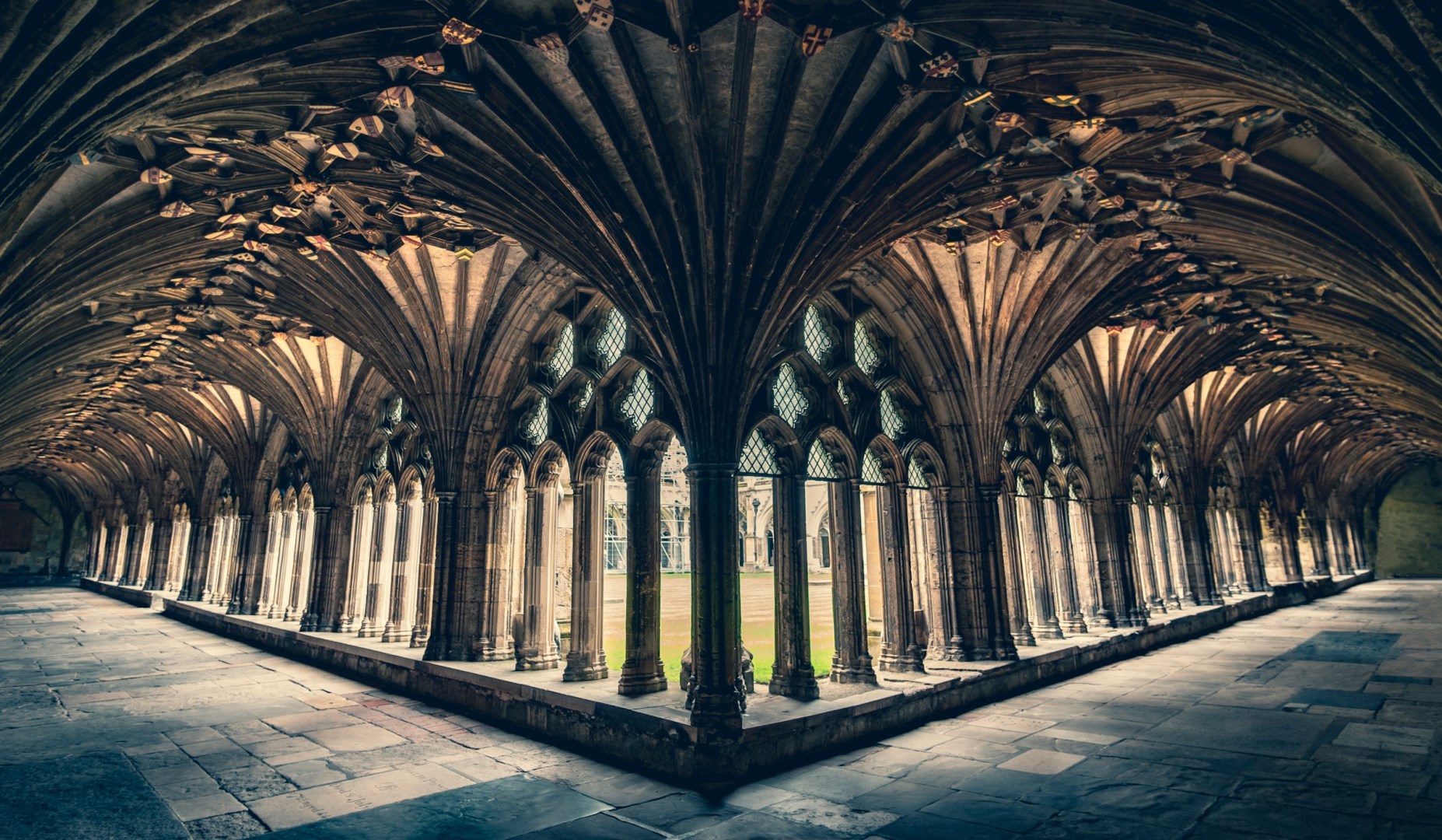
Steeped in history, Canterbury, England is a must-visit destination for lovers of medieval charm and religious significance. The centerpiece of this historic city is Canterbury Cathedral, a UNESCO World Heritage Site that has been a place of Christian worship since the 6th century. As the seat of the Archbishop of Canterbury, it is one of the most important religious buildings in England.
Kakheti
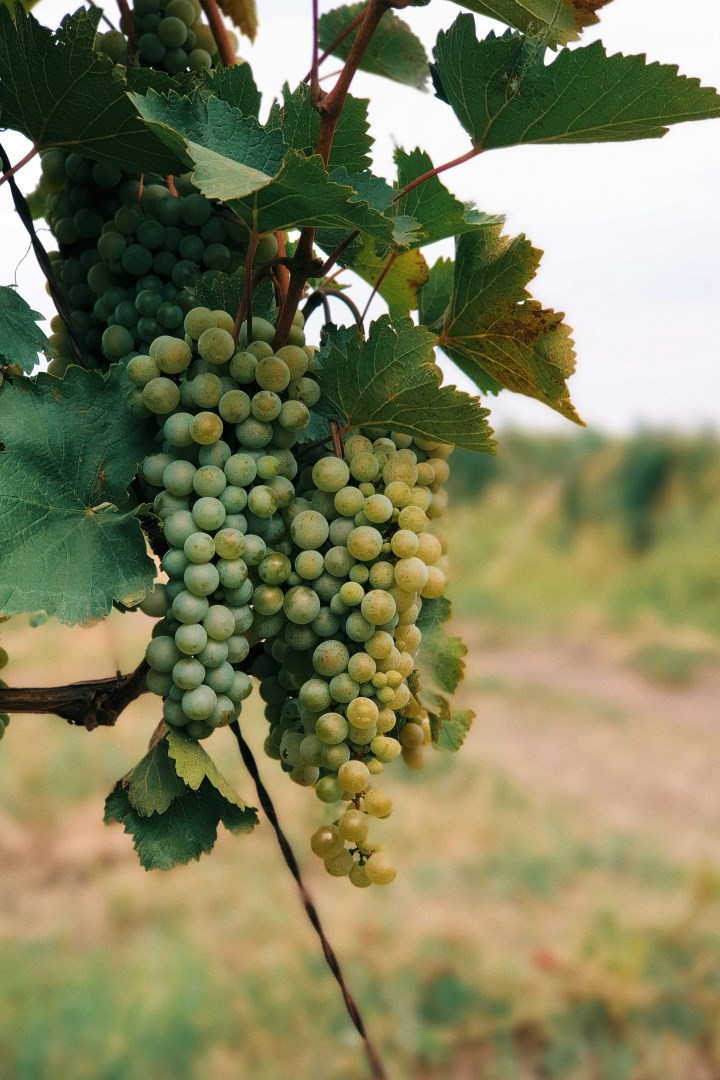
Kakheti is Georgia's easternmost major wine region, stretching across the Alazani and Iori valleys beneath the Greater Caucasus. The region is known for vineyards, fertile plains, dry hills, and mountain landscapes that change considerably between its eastern and western areas. Telavi serves as the main regional center, while towns and villages such as Sighnaghi, Kvareli, Gurjaani, and Tsinandali provide access to vineyards, monasteries, historic estates, and local markets.
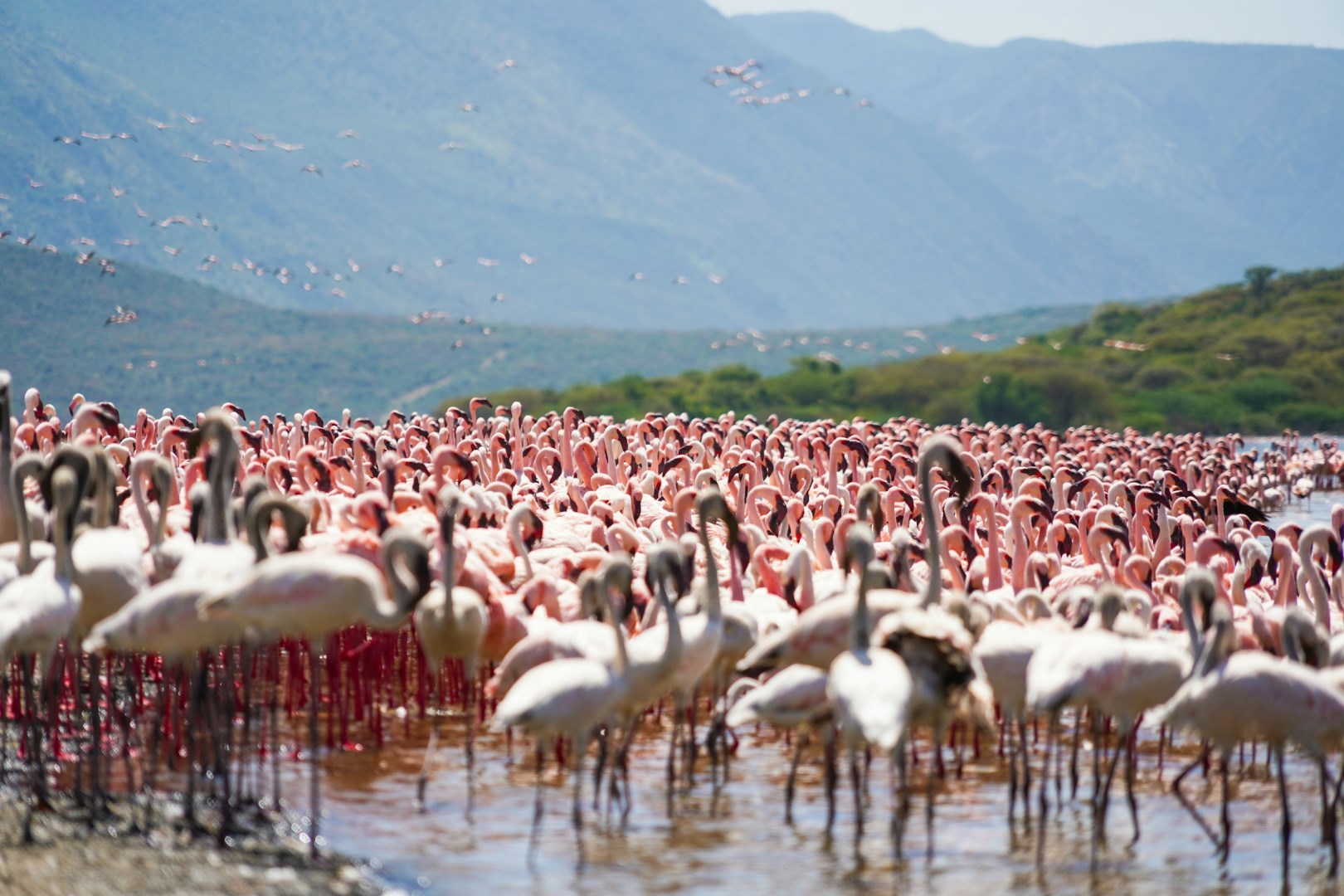
Lake Bogoria
Lake Bogoria is a saline lake in Kenya’s Great Rift Valley, lying south of Lake Baringo and surrounded by volcanic hills and escarpments. The lake occupies a long, narrow basin with no permanent surface outlet, allowing minerals to accumulate in its waters. Its shoreline contains hot springs, geysers, mud pools, and other geothermal features created by the region’s volcanic activity. The combination of a shallow alkaline lake and an active geothermal landscape makes Lake Bogoria one of the most
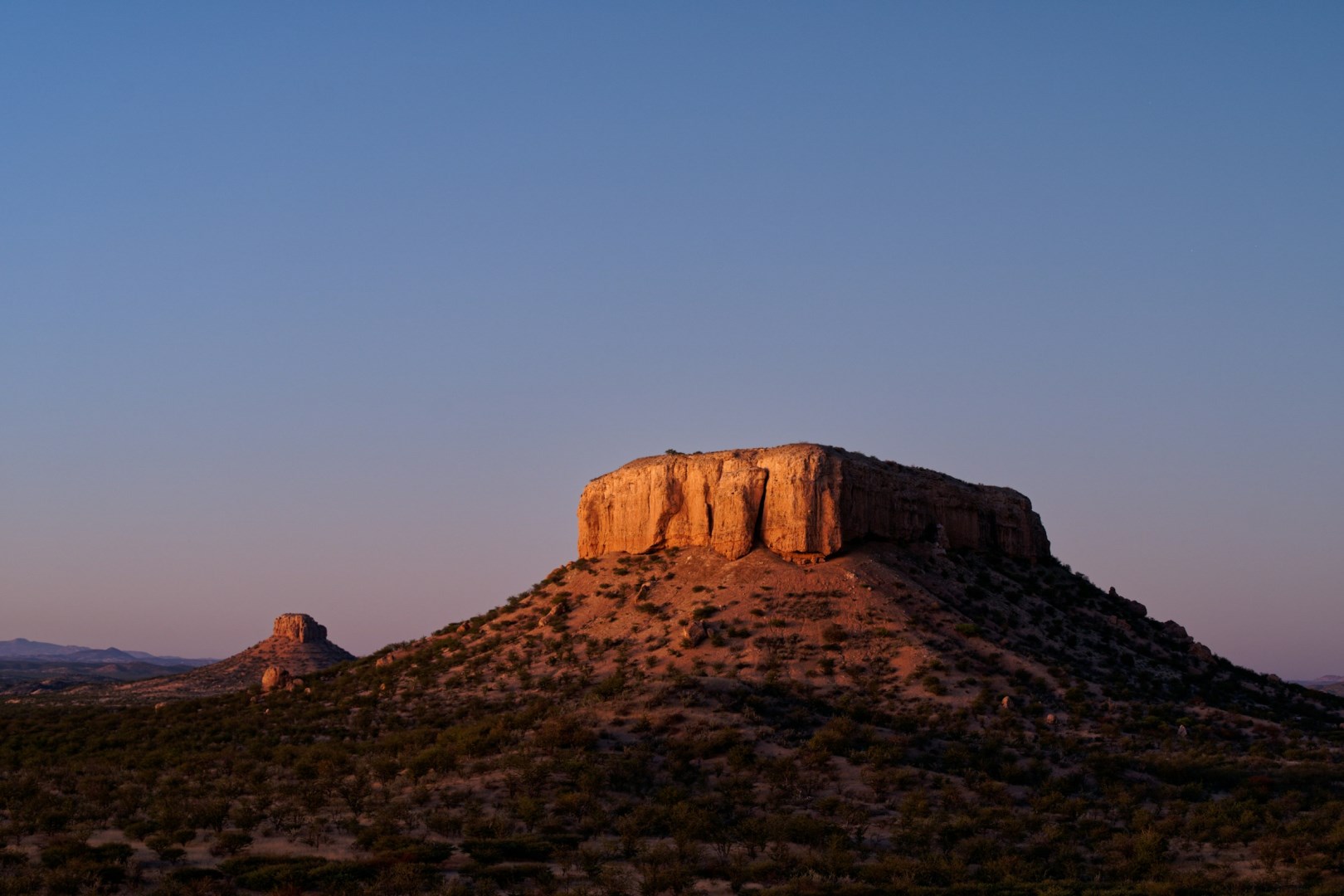
Outjo
Outjo is a small town in Namibia’s Kunene Region and an important stop on the route toward Etosha National Park and the dry landscapes of Damaraland. It sits among low hills and open bushveld, with the town serving as a practical center for travelers, local residents, and nearby farming communities. Its location makes it a useful base for exploring the southern part of Etosha, while roads from Outjo also lead toward Khorixas and Kamanjab.

Liechtenstein
Liechtenstein is located in central Europe and is one of the smallest independent states in the world.