Ningbo
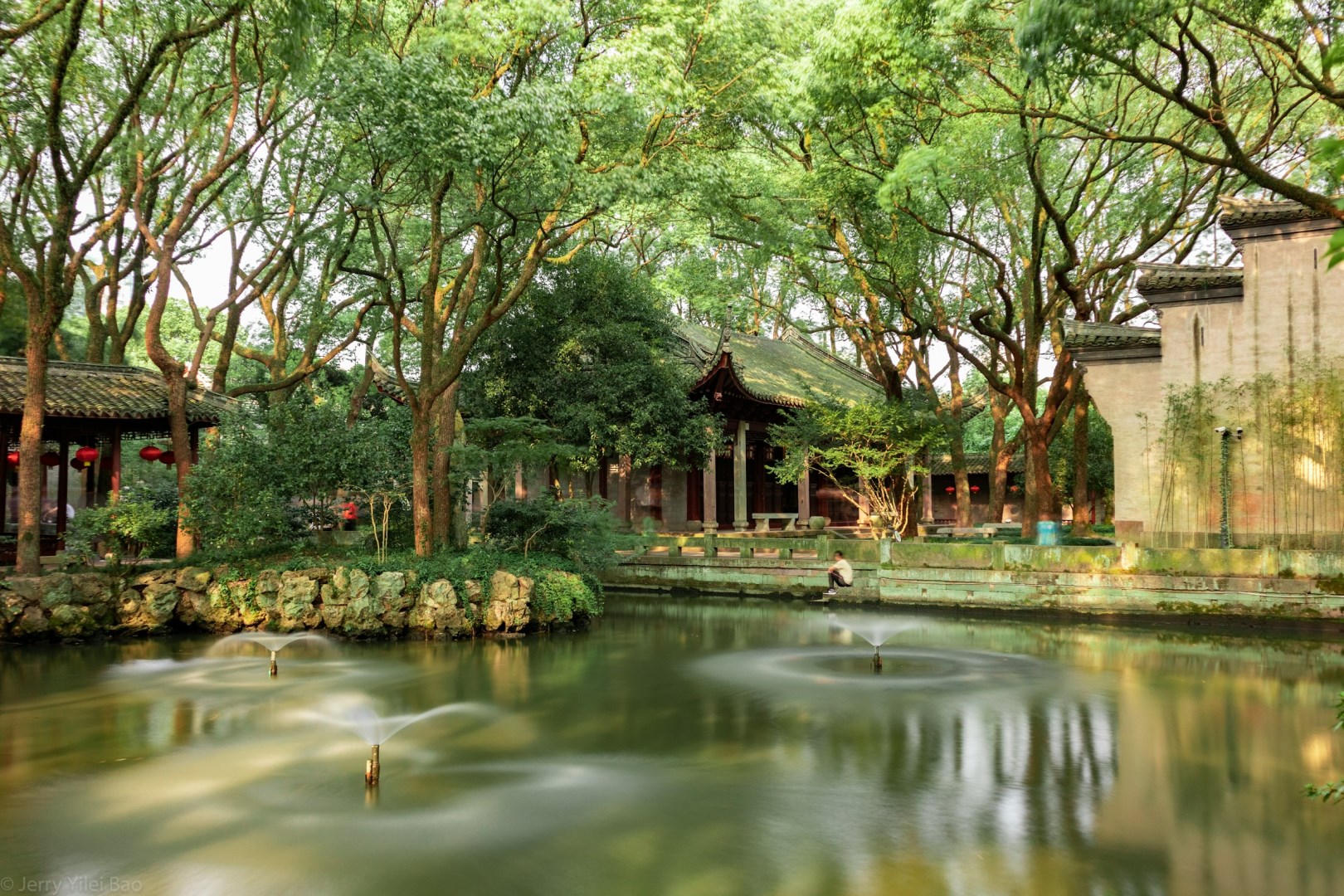
Ningbo is right on the East China Sea, south of Shanghai. Many scholars believe this was the cradle of Chinese civilization. Study the stone tablets and thousands of rare Ming Dynasty books in China's oldest and most renowned library. See the Asoka Temple believed to be one of the most important Buddhist temples in China or visit Tian Tong Temple, one of the largest and most scenic. For shopping, try the colorful and busy Gao Tang Free Market, the largest in the city.

Haiti
Haiti offers visitors a unique glimpse into a proud and resilient heritage. Its vibrant art, music, and traditions make it a destination unlike any other in the Caribbean.
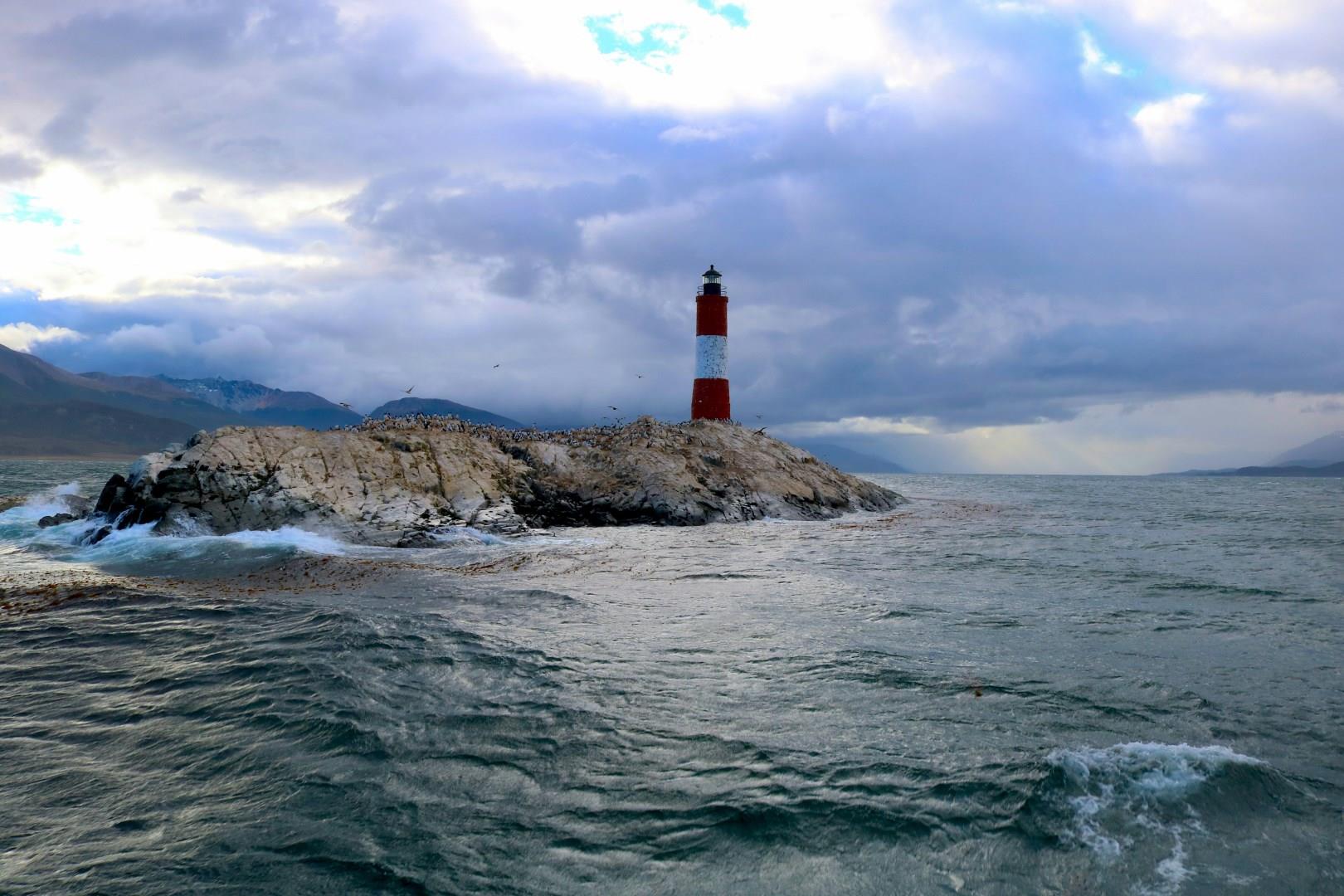
The Beagle Channel
The Beagle Channel, at the southern tip of South America, stretches between Chile and Argentina and offers one of the most striking maritime landscapes in the world. This narrow passage, framed by snow-covered peaks and rocky islands, connects the Atlantic and Pacific Oceans. Its waters are calm compared to the open sea, which has made it a historic navigation route for explorers and sailors for centuries.
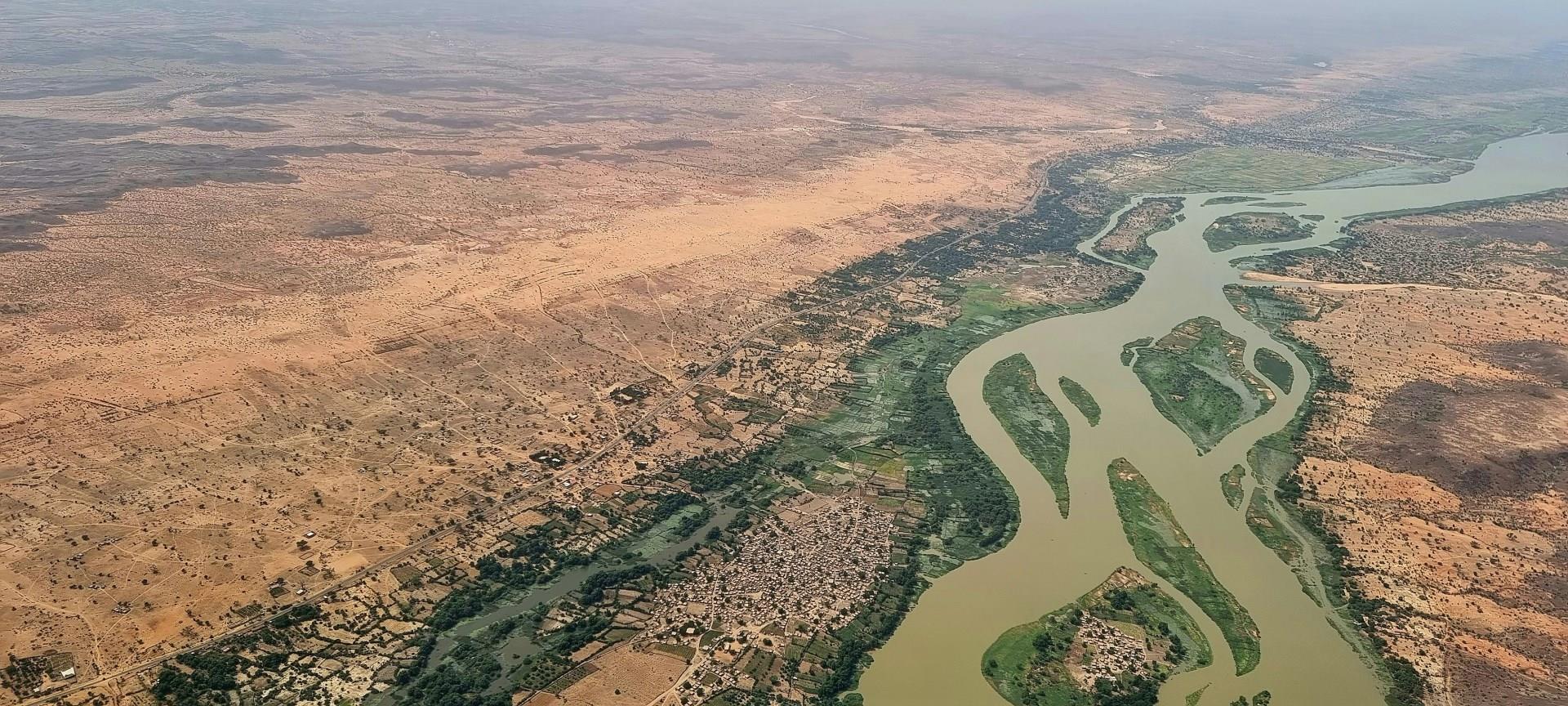
Niamey
Niamey, the capital of Niger, sits along the banks of the Niger River and serves as the country’s political, economic, and cultural center. Its riverside setting provides both scenic views and a hub for local activities, from fishing to small boat transport.
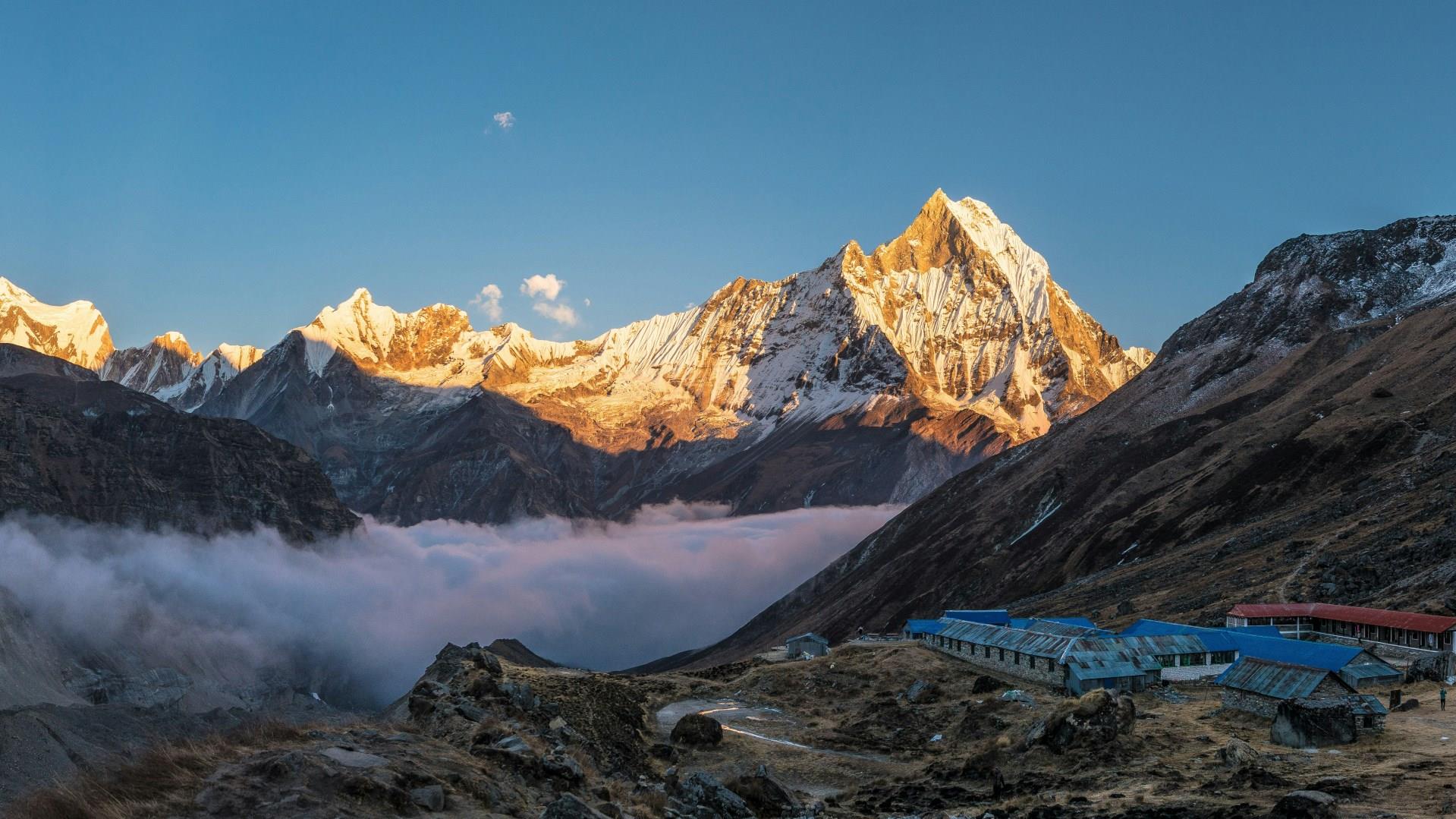
Annapurna
The Annapurna region of central Nepal is defined by both cultural depth and extreme topography. Home to a wide range of ethnic communities, including Gurung, Thakali, and Manangi peoples, the area has long been shaped by trans-Himalayan trade routes and mountain agriculture.