
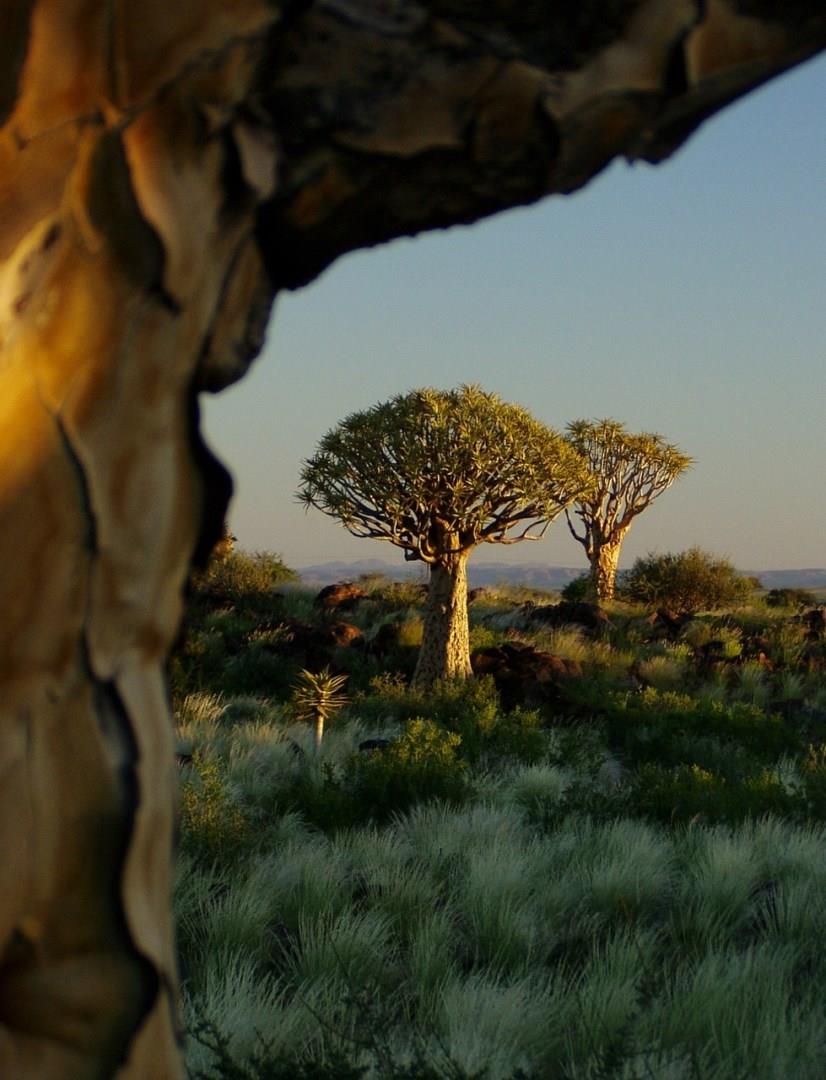
Quiver Tree Forest
The Quiver Tree Forest, located just outside the town of Keetmanshoop in southern Namibia, is one of the country's most captivating natural wonders. This unique forest is home to hundreds of towering quiver trees (Aloe dichotoma), some of which are estimated to be over 200 years old. These trees, named after the San people who used their hollowed-out branches as quivers for arrows, are an iconic symbol of Namibia's arid landscape.

Nagasaki
This beautiful port city and capital of the Nagasaki Prefecture is located on the island of Kyushu.
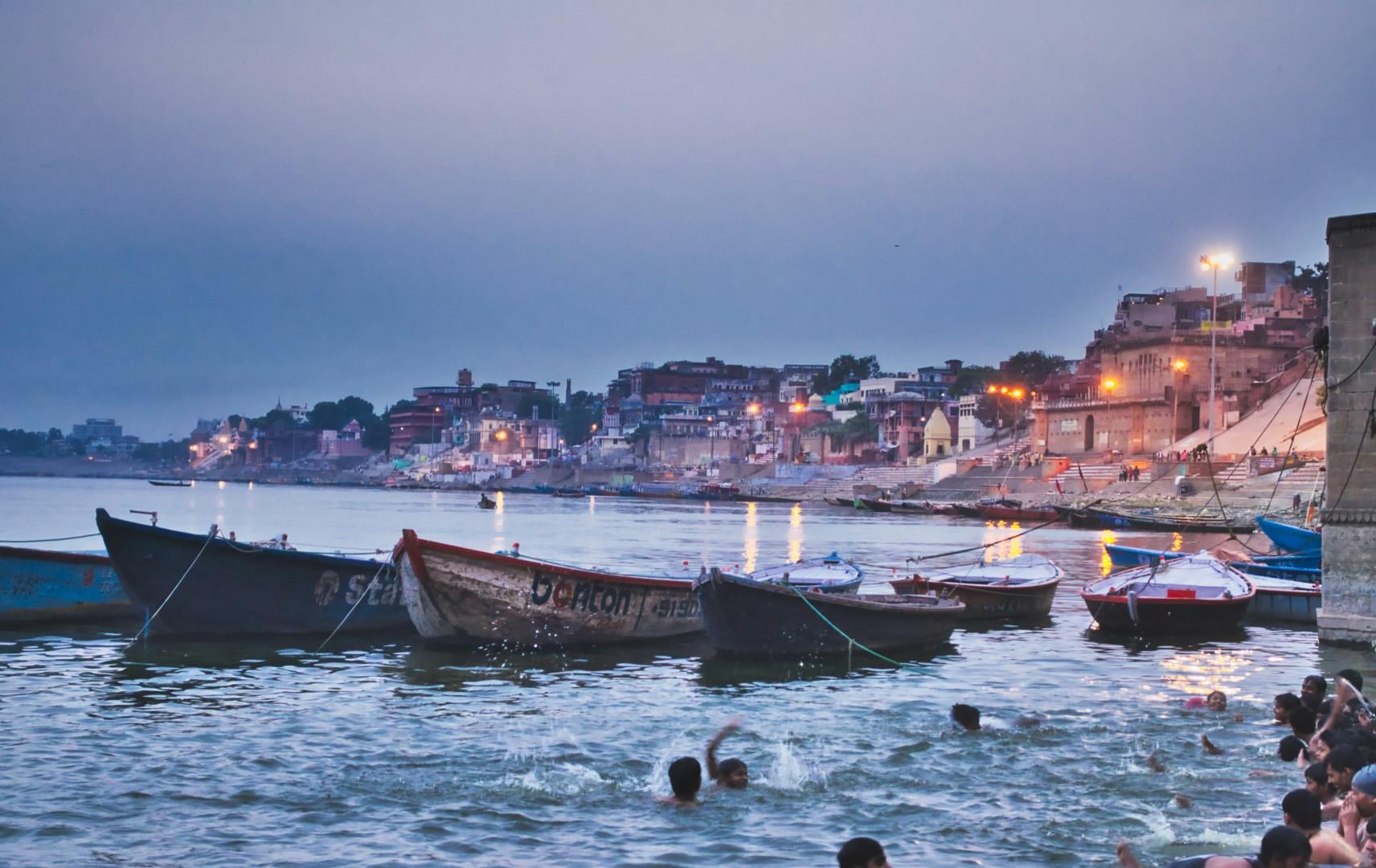
Varanasi
Varanasi sits along the sacred Ganges River in northern India as one of the oldest continuously inhabited cities in the world. It is a place where daily life and rituals flow together on the long stone steps called ghats that reach down to the water. Visitors often rise early for a sunrise boat ride, watching as light spreads across the river and pilgrims make gentle offerings to the water.

USA
Spanning from the Atlantic to the Pacific, its geography encompasses everything from mountain ranges and fertile plains to vibrant cities and quiet coastal towns. Each region tells its own story.

Oslo
Oslo, Norway’s capital, stands at the crossroads of Nordic history and forward-thinking design. Originally founded over a thousand years ago by Viking King Harald Hardrada, the city has evolved from a medieval trading hub into one of Europe’s most modern capitals. Visitors can explore its layered past at the Akershus Fortress, a 13th-century stronghold still standing guard over Oslofjord, or walk through the preserved wooden homes of Damstredet.


