Kotka
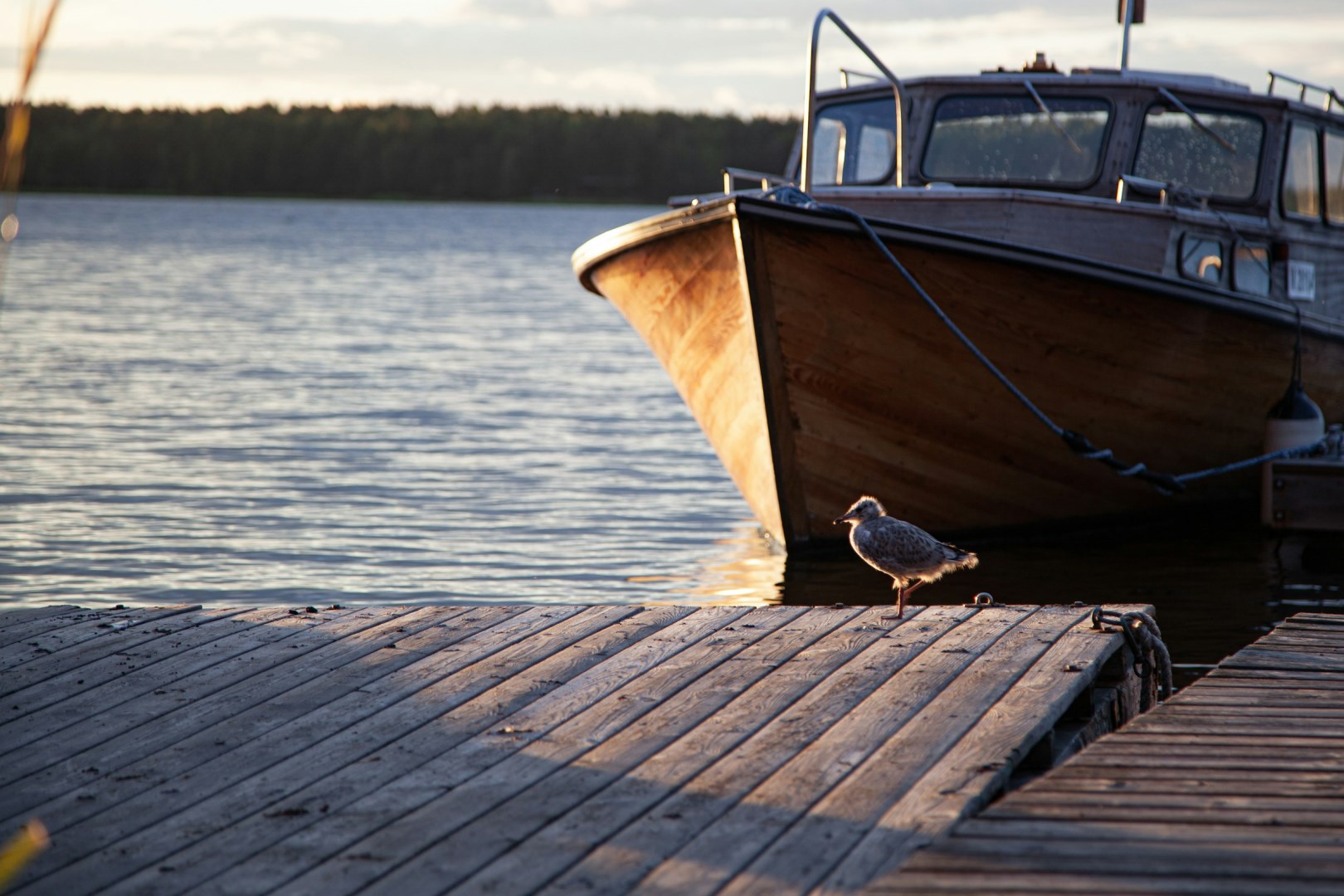
Located on the southern coast of Finland at the delta of the Kymi river, the city of Kotka is a major Finnish sea port. Perhaps the best-known attraction of this multicultural and creative city is the country's largest urban maritime festival, an annual celebration that includes boating events, dance and music performances, and Finland's largest parade which marks the beginning of the city-wide event.
Nacala
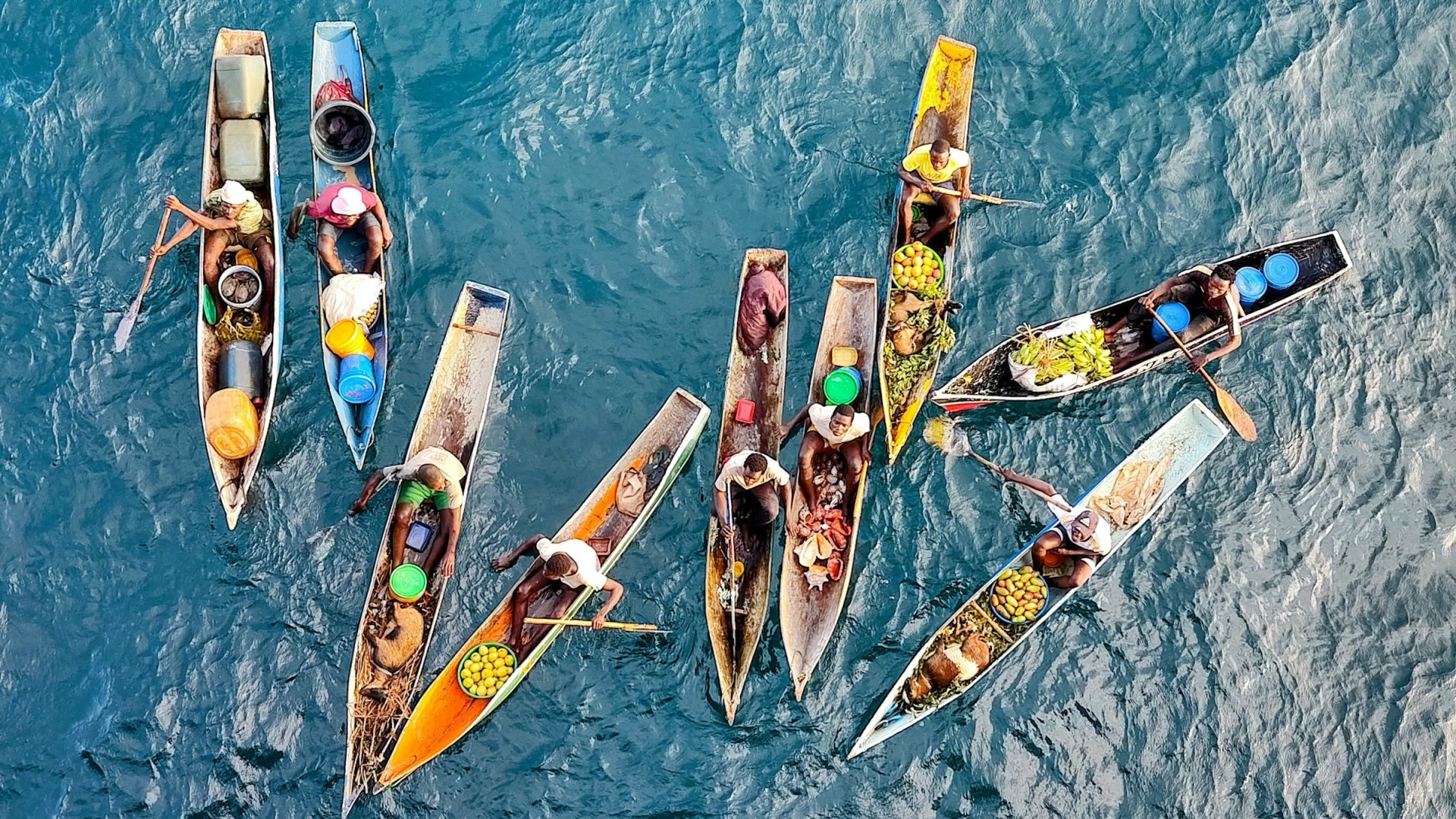
Nacala is a port city on the northern coast of Mozambique, in Nampula Province, overlooking the Indian Ocean.
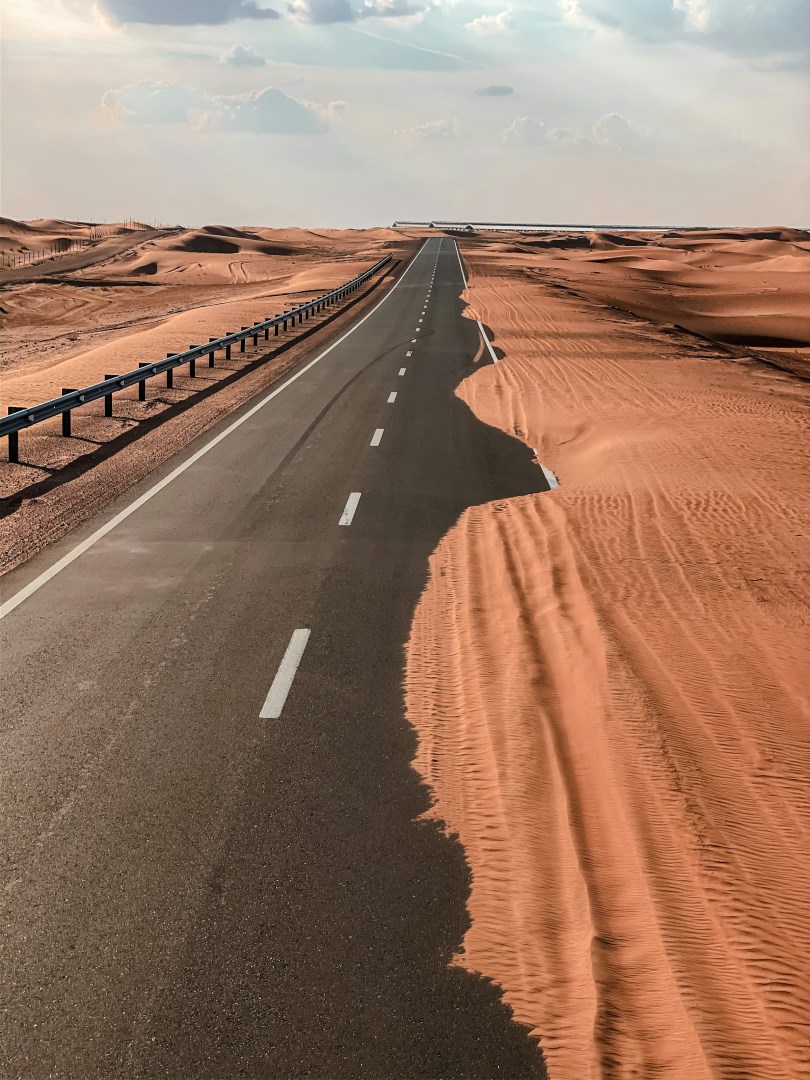
Al Ain
Al Ain is located about 160 km east of Abu Dhabi, and has its own international airport, which opened in 1994. Its many attractions include camel races, ancient forts, a zoo, museums, and the Jabal Hafit Mountain.
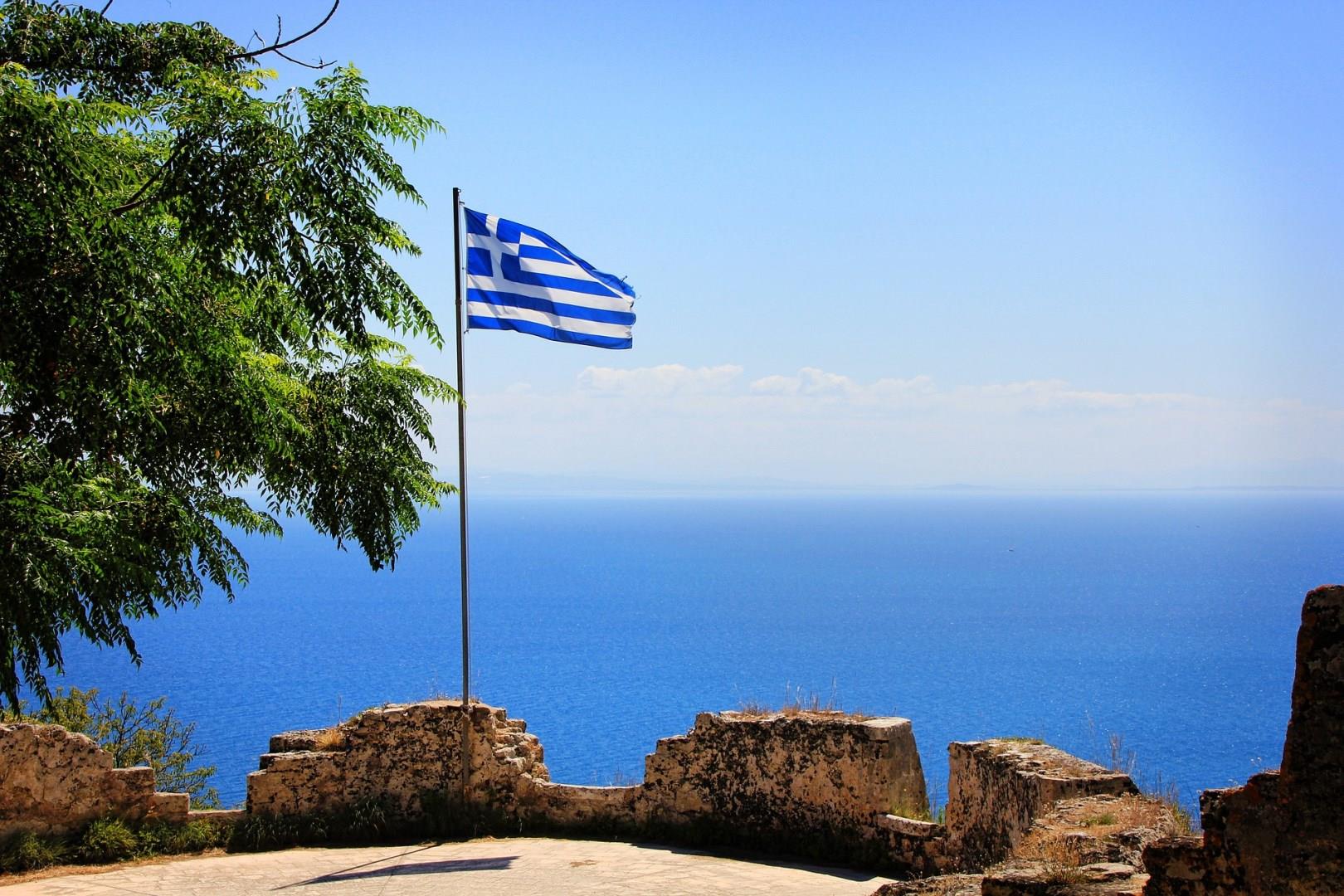
Greece
Greece is a country where layers of history sit side by side with everyday life. In Athens, visitors can stand at the foot of the Acropolis and look up at the Parthenon, built more than 2,400 years ago, then walk a few blocks to modern cafes buzzing with conversation and music. The city’s neighborhoods, like Plaka and Monastiraki, offer both ancient ruins and small family-run shops selling handmade sandals and olive oil soap.
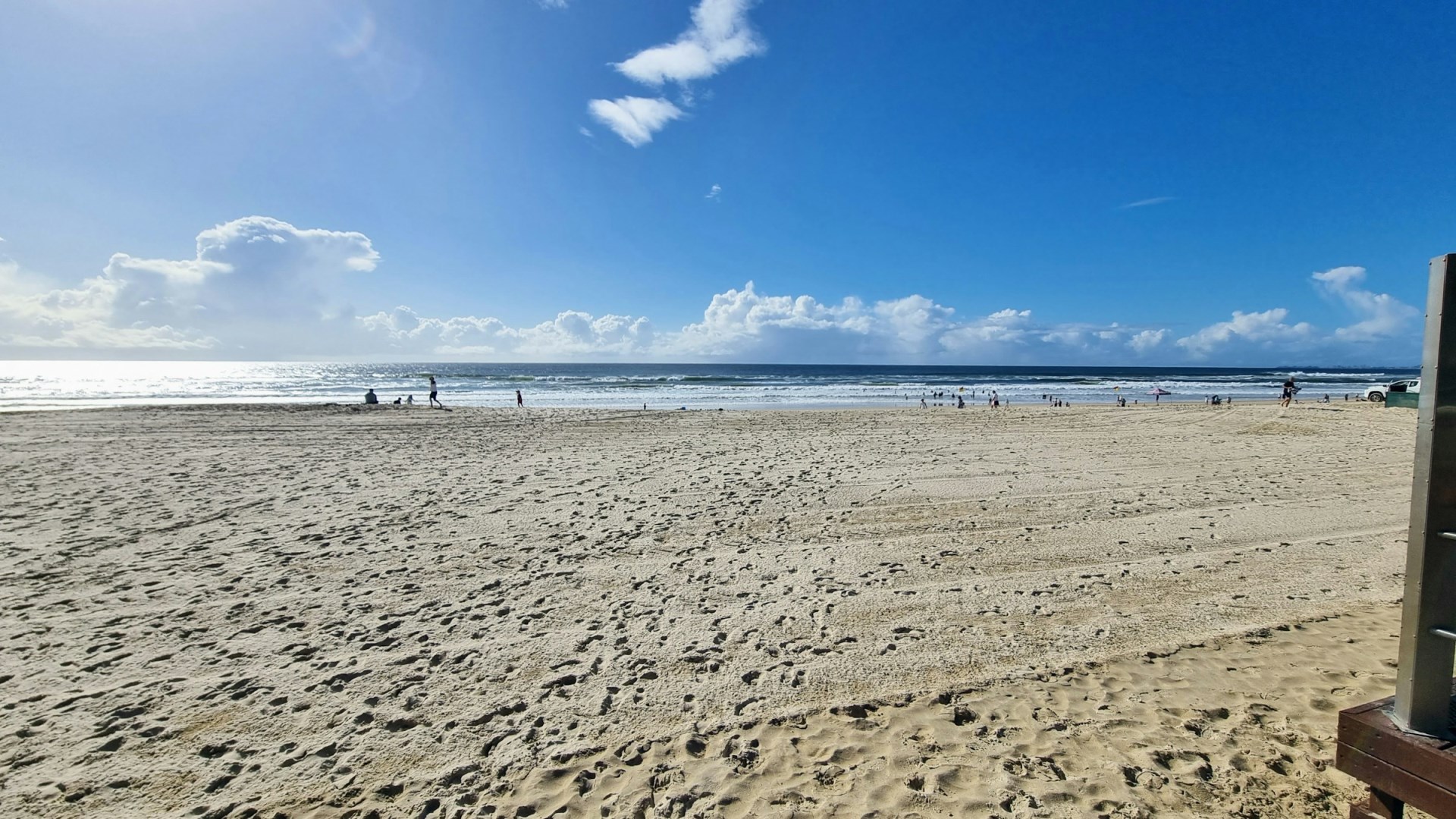
Broadbeach
Broadbeach is one of the fastest growing resort style shopping areas on the Gold Coast and has three major shopping areas; Pacific Fair, Oasis on Broadbeach, and the Pan Pacific and Conrad International Hotels - which are linked across the Gold Coast highway by monorail. The Cascade Water Gardens offer visitors an ideal picnic spot with free electric barbecues, children's playground, canal fishing and band rotunda - which offers free entertainment on the first Sunday of every month.