Cambodia
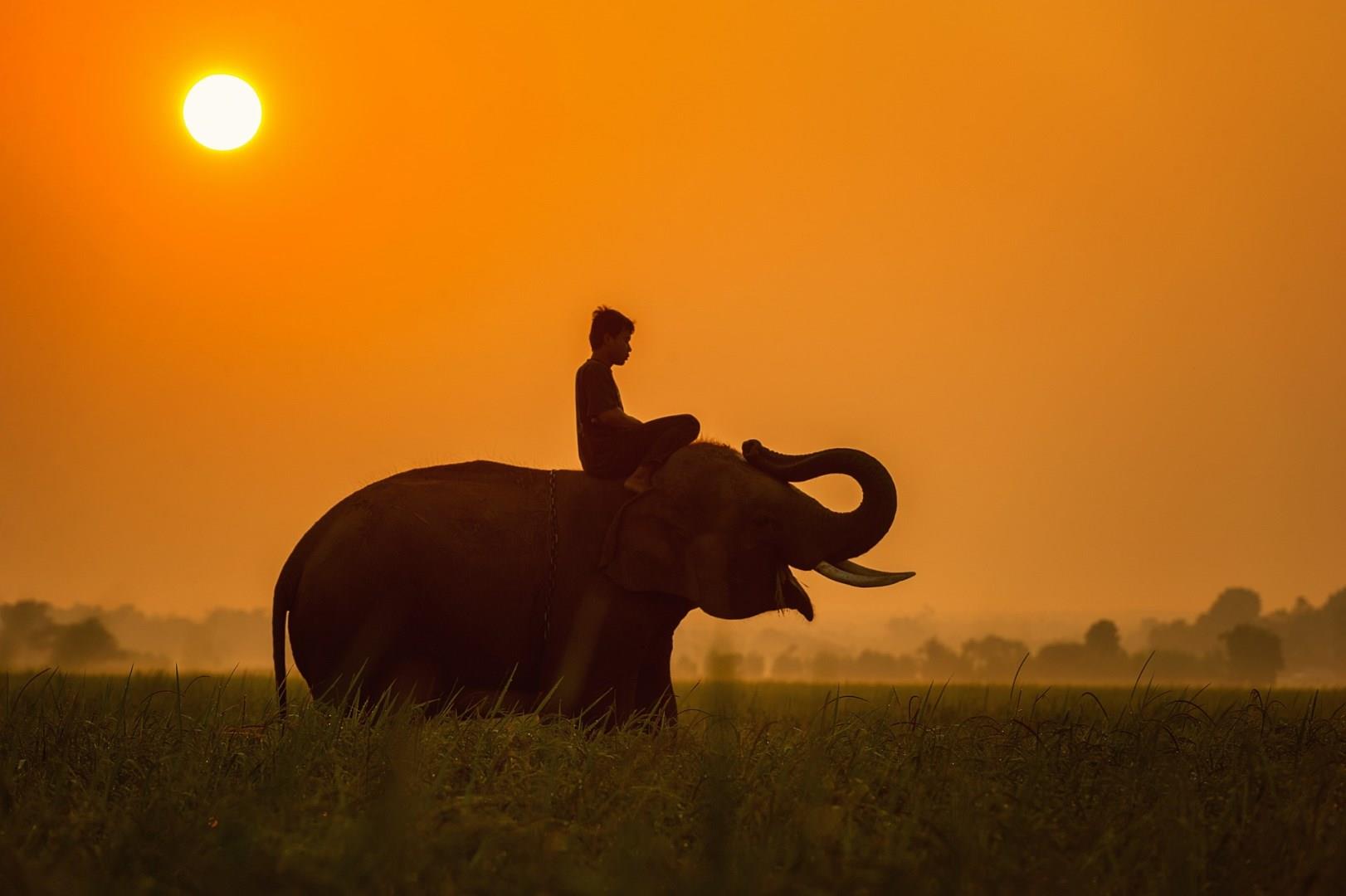
Cambodia, located in Southeast Asia, is a country known for its rich history, ancient temples, and vibrant culture. The landscape is diverse, with the Mekong River flowing through fertile plains, lush forests, and scenic highlands.
Lihue, Kauai
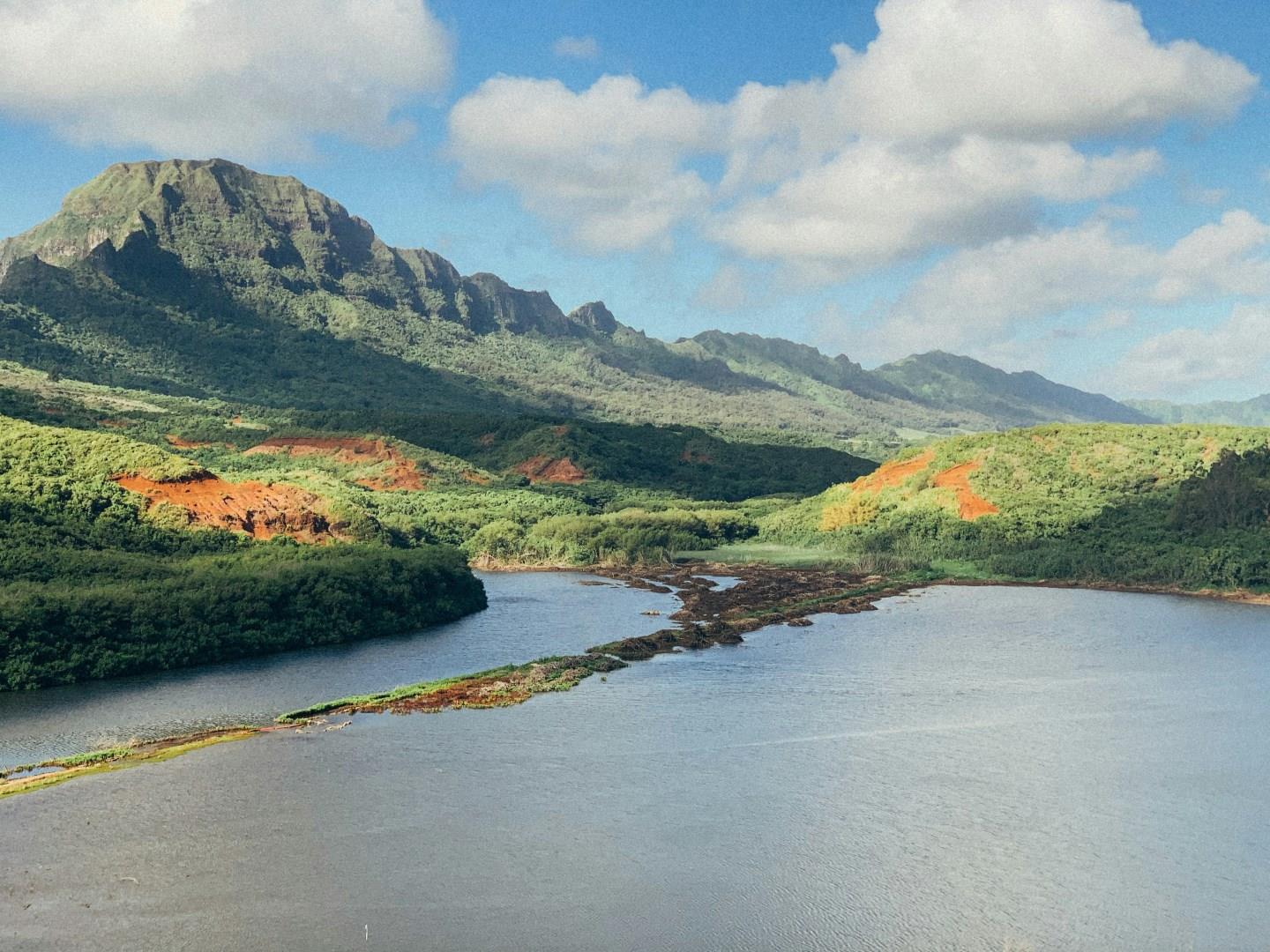
Lihue, the main town on the Hawaiian island of Kauai, blends administrative importance with island charm. As the county seat, it’s the hub of government and commerce, but it also serves as the welcoming gateway for travelers arriving at Lihue Airport or through its nearby harbor.

France
France offers far more than its capital city. While Paris draws millions each year, the country’s true richness lies in its variety, from Alpine villages to Atlantic coastlines, medieval towns to Mediterranean markets. In Normandy, visitors can walk along the D-Day beaches or explore the towering abbey of Mont-Saint-Michel, which becomes an island at high tide. Further inland, the Loire Valley is dotted with over 300 castles, many of which are open for tours and even overnight stays.
Nazca
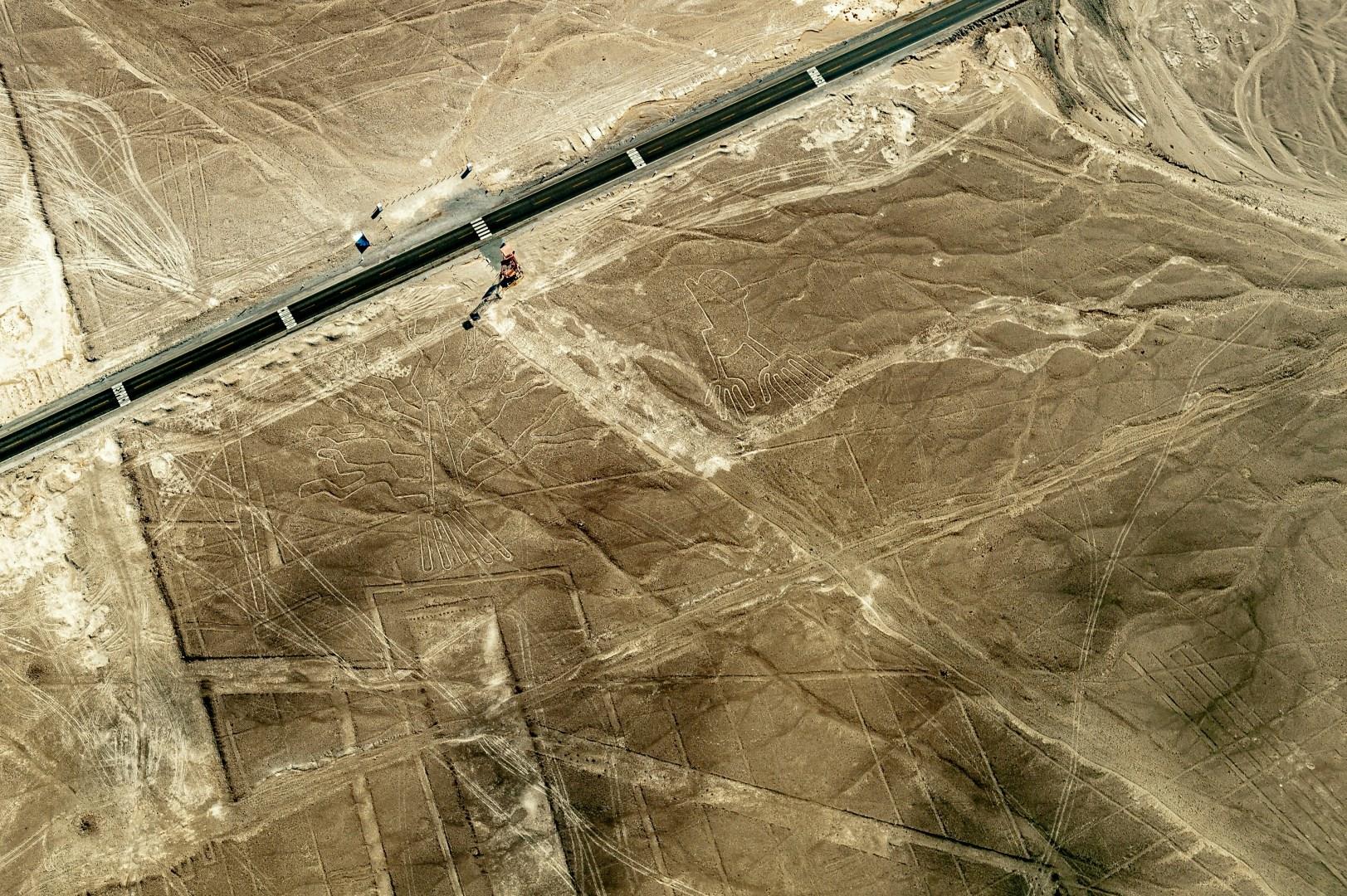
In the southern deserts of Peru, Nazca invites visitors to look beyond the horizon. This small city is world-famous for the mysterious Nazca Lines, enormous geoglyphs etched into the desert floor more than 1,500 years ago. From the air, shapes like hummingbirds, monkeys, and even a stylized astronaut come into view, some stretching over 300 meters. Their exact purpose remains a mystery, fueling decades of theories.

South Dakota
South Dakota, known for its striking contrasts, from sacred Indigenous landmarks to dramatic prairie landscapes, offers travelers a rare chance to experience stories etched in both stone and living tradition. Mount Rushmore may be the most photographed site, but just 17 miles away, the Crazy Horse Memorial tells a deeper story. In the west, the Black Hills are full of geological surprises and sacred sites. Custer State Park offers scenic drives where herds of bison often stop traffic.