St. Julians
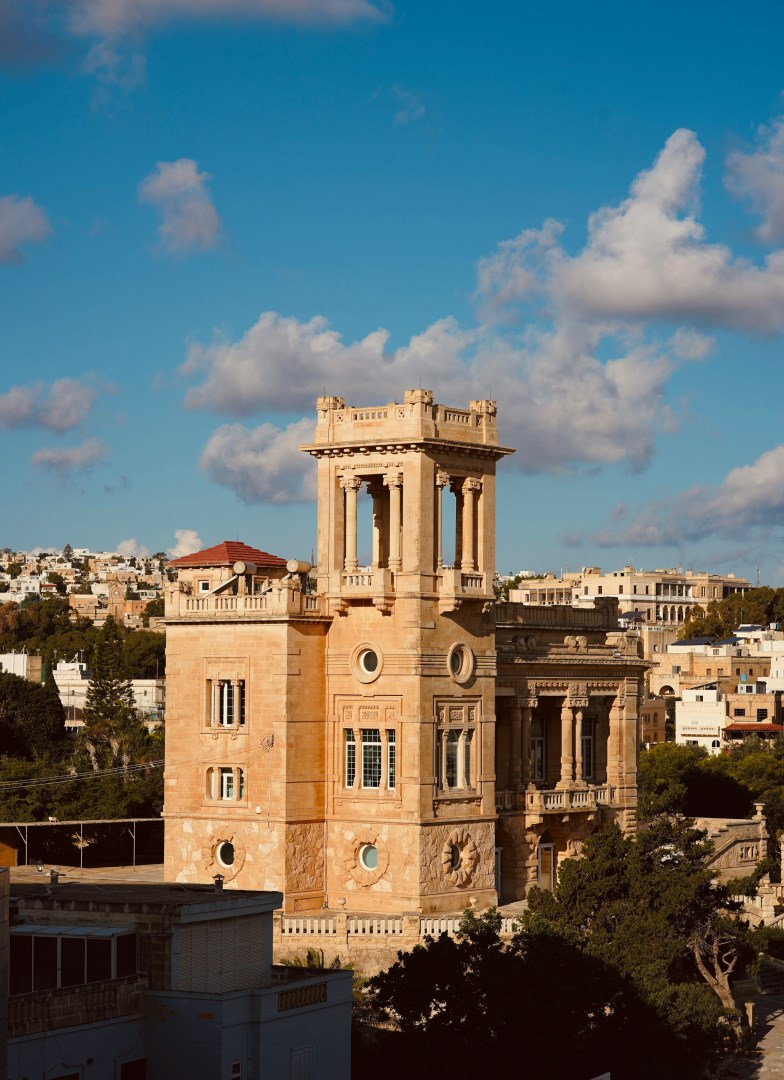
St. Julians was originally a tiny fishing village, built round a small bay. It has retained most of its charm, thanks to some sympathetic restoration. Overlooking the bay is Spinola Palace, built in 1688. Today St Julians provides some of the best restaurants, like the San Giuliano and Barracuda, overlooking the Bay, popular with locals and visitors alike. It gets quite busy over the weekends and during the peak season, making parking a problem. However, public transport is frequent and nearby P

Coral Coast
The Coral Coast stretches along the southern edge of Fiji’s main island of Viti Levu, beginning around 15 km south of Nadi and continuing toward Suva. This 80 km shoreline is dotted with beaches that widen at low tide, bays set against green hills, and a series of small townships that feel welcoming and down to earth. Sigatoka, often called the gateway to the Coral Coast, sits beside the winding Sigatoka River, where local markets brim with fresh tropical fruit and handmade crafts.

New Jersey
New Jersey often surprises first-time visitors. It’s not just the gateway to New York or Philadelphia but a destination in its own right with deep Revolutionary War history, beach towns full of character, and some of the most diverse food offerings on the East Coast. Cities like Trenton and Morristown still carry the echoes of pivotal battles, while monuments and preserved buildings tell stories of George Washington’s winter encampments and early American resilience.

Africa
Across Africa, countless treasures wait to be discovered with the continent's unique diversity offering a wealth of experiences for all types of travelers. One of the most captivating regions is East Africa, home to Kenya, Tanzania, Uganda, and Rwanda—countries that serve as gateways to Africa’s most iconic wildlife and landscapes.

Dresden
Dresden, the capital of Saxony, is a city where history, culture, and beauty seamlessly intertwine. Known as the "Florence on the Elbe," Dresden boasts a stunning array of baroque and rococo architecture that captivates visitors from around the world. Dresden hosts the world's oldest Christmas market, the Striezelmarkt, dating back to 1434.