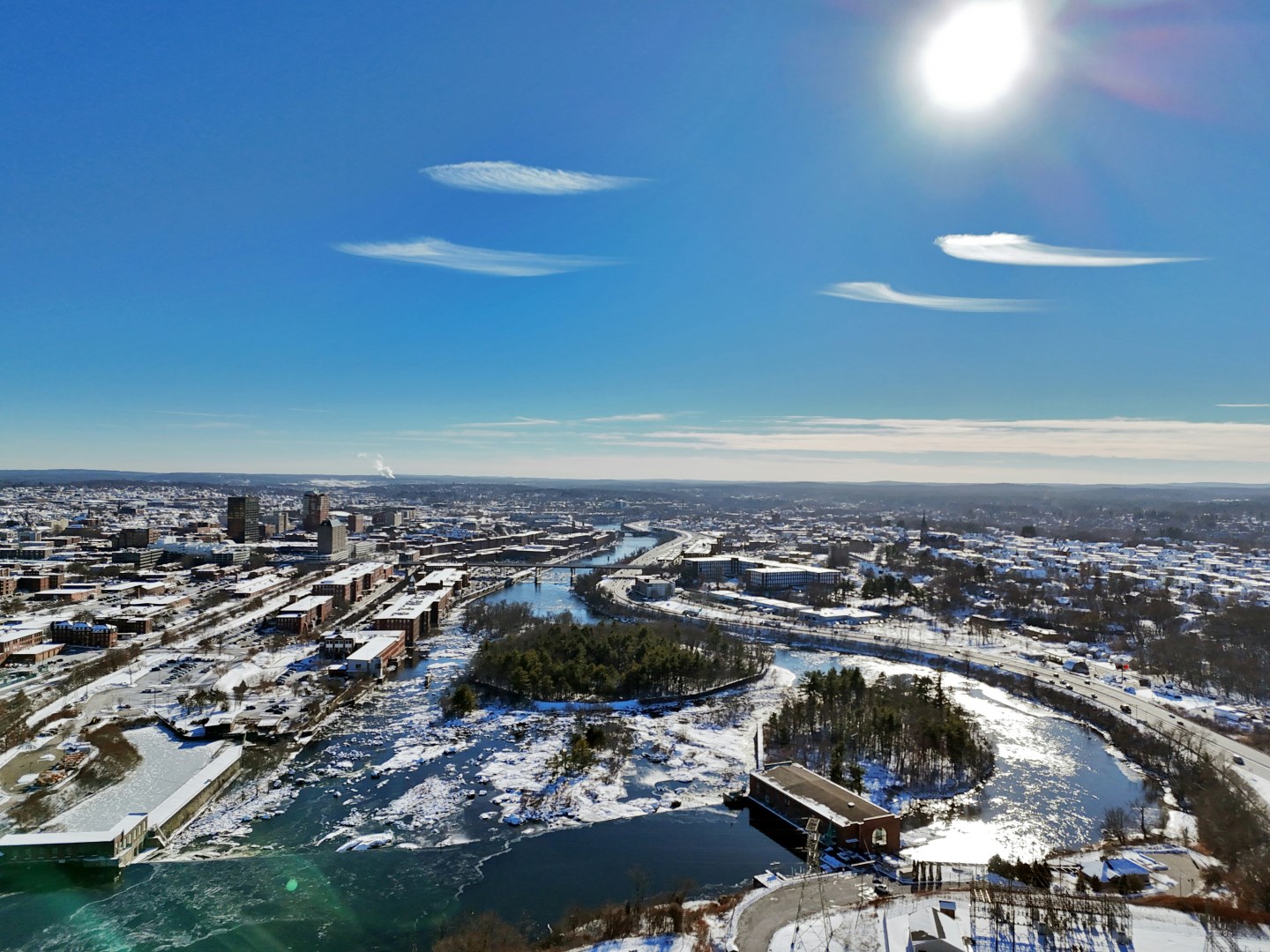
Manchester
Manchester, New Hampshire, is a city where history and modern life intersect along the banks of the Merrimack River. Once a hub for textile mills, the city’s industrial roots are still visible in renovated brick buildings and restored warehouses that now house shops, offices, and restaurants. The riverfront provides scenic walks and public spaces that highlight both the city’s industrial past and its present-day urban life.

St. Thomas
St. Thomas, the gateway to the U.S. Virgin Islands, is a vibrant mix of history, culture, and Caribbean charm. Its capital, Charlotte Amalie, features a waterfront lined with pastel-colored colonial buildings, narrow cobblestone streets, and historic forts such as Fort Christian, which offer glimpses into the island’s Danish colonial past.
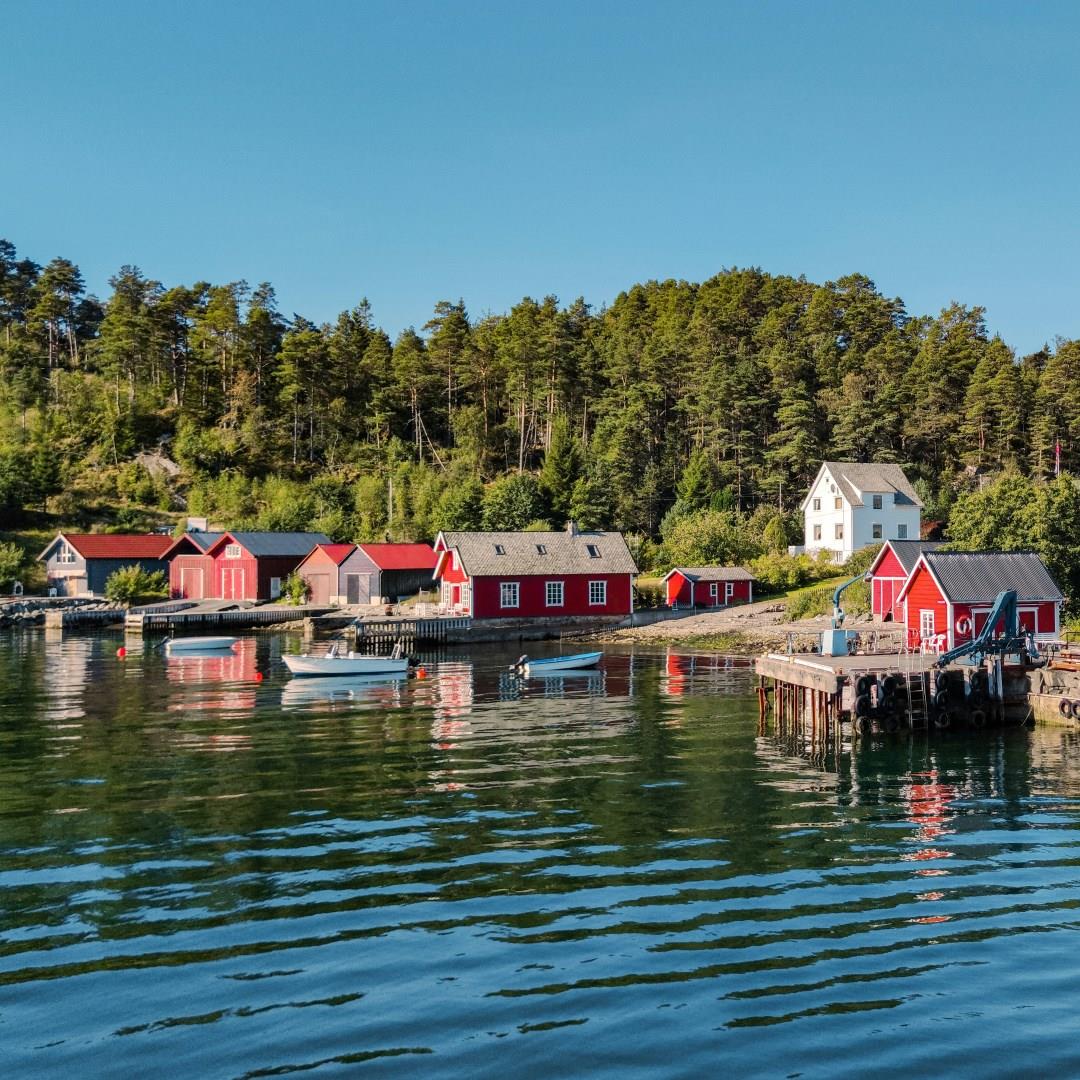
Hardangerfjord
Hardangerfjord is one of Norway’s most iconic fjords, stretching over 170 kilometers through western Norway and surrounded by steep mountains, waterfalls, and orchards. Historically, the fjord has been central to regional life, providing a transportation route for fishing, trade, and fruit cultivation. Its combination of natural grandeur and human activity has shaped a landscape that is both dramatic and lived-in.

Niagara Falls
Niagara Falls, Canada, is a destination that captures the imagination with its breathtaking natural beauty and vibrant atmosphere. Straddling the border between Canada and the United States, Niagara Falls is a world-renowned wonder that consists of three powerful waterfalls: the Horseshoe Falls, the American Falls, and the Bridal Veil Falls. The Canadian side is famous for offering the most spectacular views of these cascading waters.
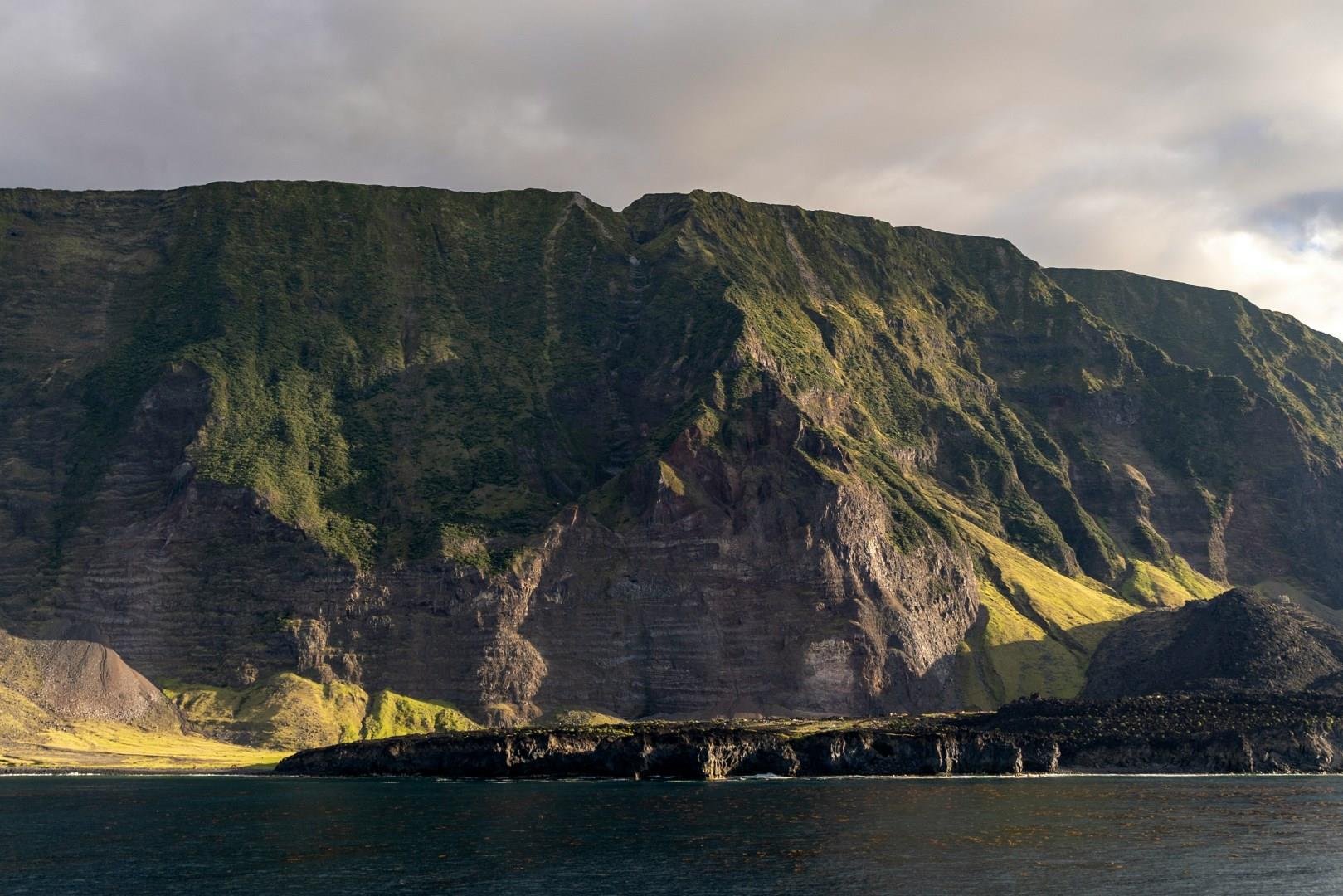
Tristan da Cunha
Tristan da Cunha is a remote volcanic island in the South Atlantic Ocean, forming part of a small archipelago along with Inaccessible Island and Nightingale Island. Known as the most isolated inhabited island in the world, it is accessible only by a week-long boat journey from South Africa.