Palenque
Palenque, nestled in the lush jungles of Chiapas, Mexico, offers an enthralling glimpse into the grandeur of the ancient Maya civilization. The city is renowned for its well-preserved ruins, which include the majestic Temple of the Inscriptions, where the tomb of the ruler Pakal the Great was discovered in 1952.

Alberta
Alberta, one of Canada’s western provinces, is renowned for its dramatic natural landscapes and vibrant cultural heritage. It’s a place where sweeping prairies give way to towering peaks, and where Indigenous traditions and pioneer history are deeply interwoven.
Mindelo
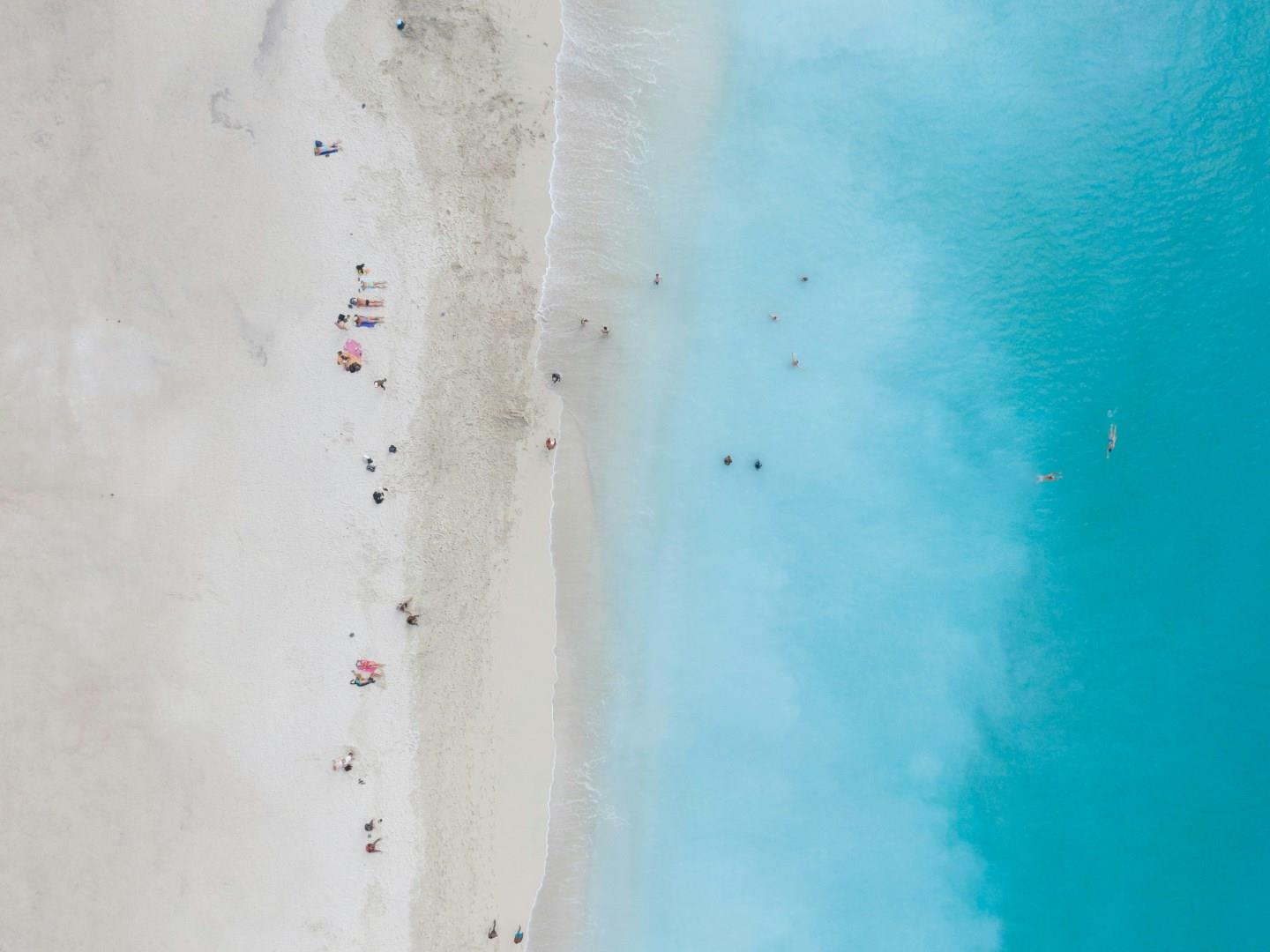
Mindelo, on the northern coast of São Vicente Island, is Cape Verde’s cultural pulse. Its streets are lined with colorful colonial buildings, lively squares, and historic churches that echo the city’s maritime past.
Alberobello
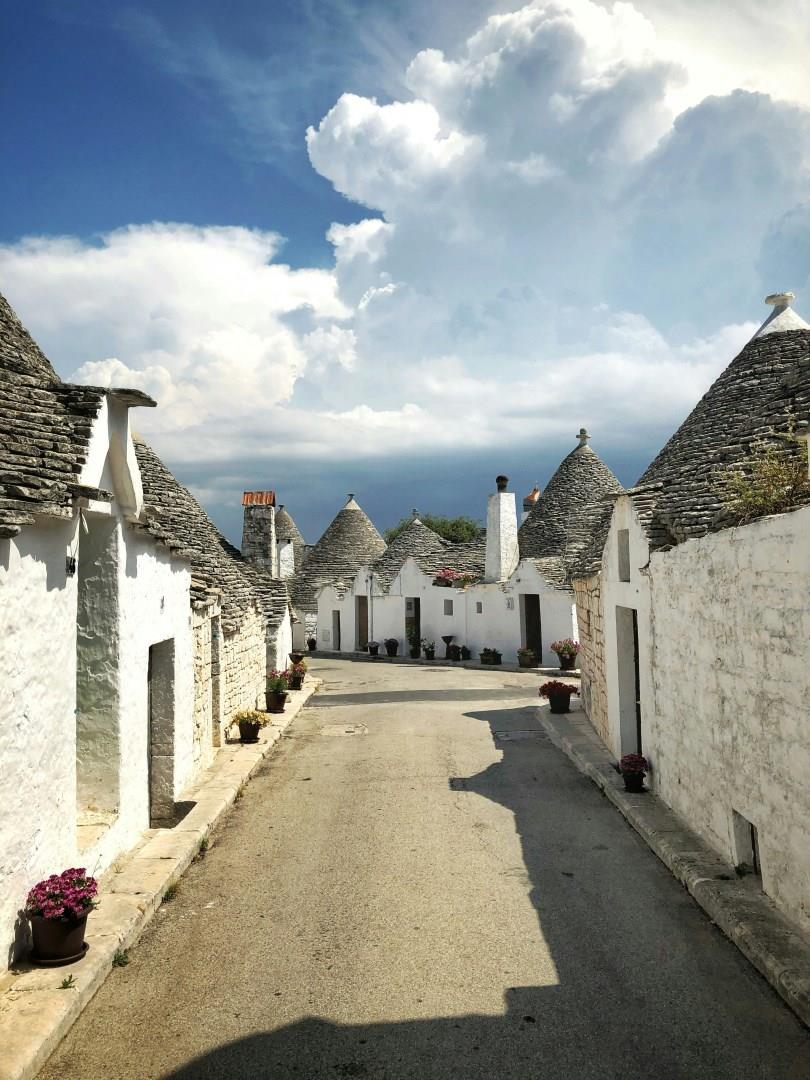
Alberobello in southern Italy’s Puglia region captures the imagination with its distinctive trulli houses. These structures were built using a dry-stone technique passed down over centuries, without mortar or cement, and their unique form comes from layer upon layer of limestone nestled from nearby fields. Alberobello’s trulli are so remarkable that in 1996 the historic center was inscribed as a UNESCO World Heritage Site, where more than 1,600 of these buildings still stand.

Albany
Albany is the oldest European settlement in Western Australia and was a major whaling station, and coal shipping port. There are fantastic views over the town of Albany, and the fantastic coastal scenery from the top of both Mt Clarence and Mt Melville.