Port Canaveral
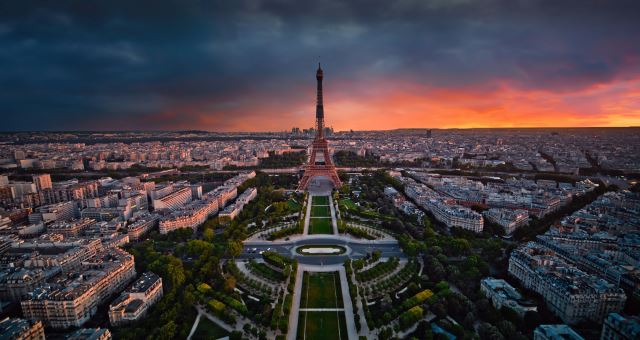
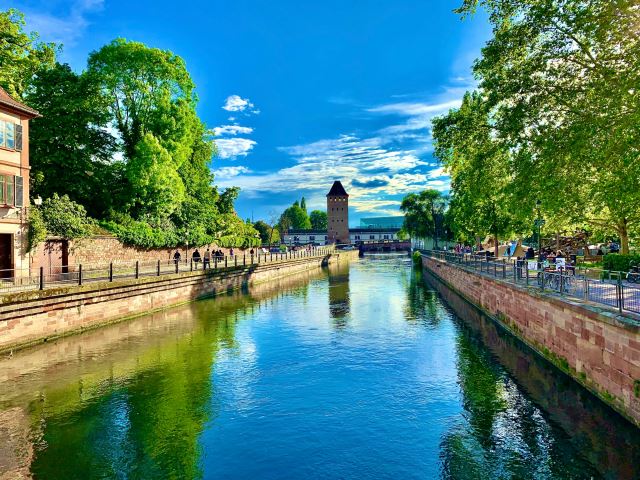
Port Canaveral, located on Florida's Space Coast, is a captivating destination where space exploration and beachside relaxation come together. This bustling port is known as one of the world's busiest cruise ship ports, making it a prime gateway for cruising to the Caribbean and beyond source.
Cape Tribulation
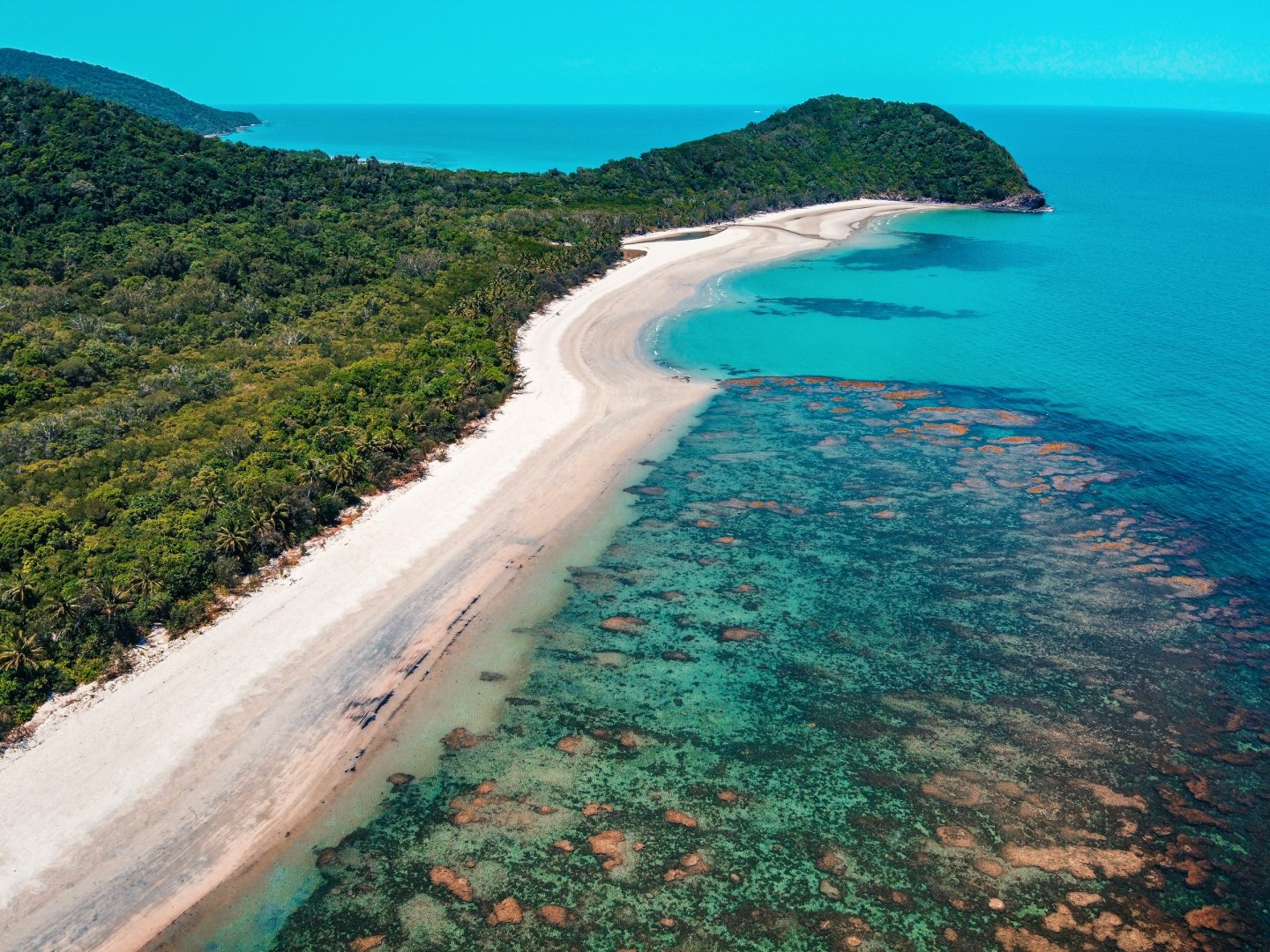
The largest virgin tract of rainforest in Australia (and the second largest in the world), this lush, tropical World Heritage area is a living testimonial to the ancient rainforests which once covered the earth's surface. Cool forest streams, primitive rainforests, stunning mountain scenery and abundant wildlife - a naturalists and bird watchers paradise.
Mandal
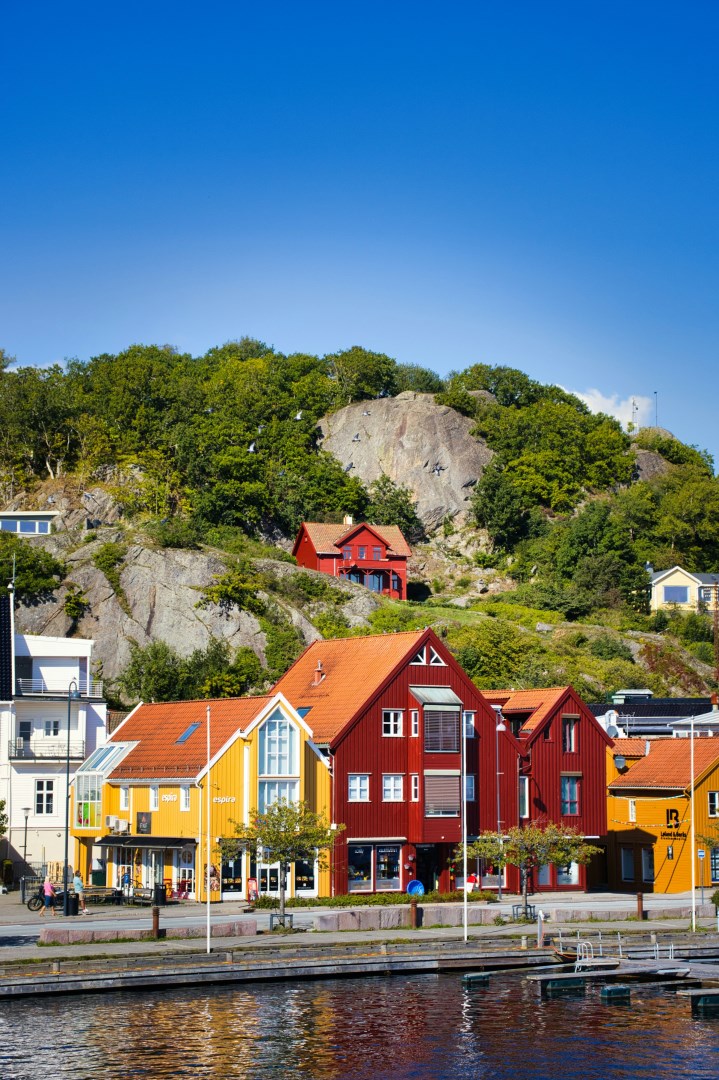
Mandal is a coastal town in Agder, southern Norway, situated where the Mandalselva River reaches the Skagerrak. It is known for its wooden town center, sandy beaches, and connection to the surrounding archipelago and river landscape. The town’s historic core contains narrow streets and closely spaced white-painted wooden houses, while the waterfront follows the river and harbor.

Ocho Rios
Ocho Rios, whose name comes from the Spanish for “Eight Rivers”, was originally a Taíno settlement before Spanish and later British colonial influence shaped its identity. Nestled along Jamaica’s lush north coast, this once-humble fishing village has transformed into a vibrant coastal town that blends historical depth with modern charm.
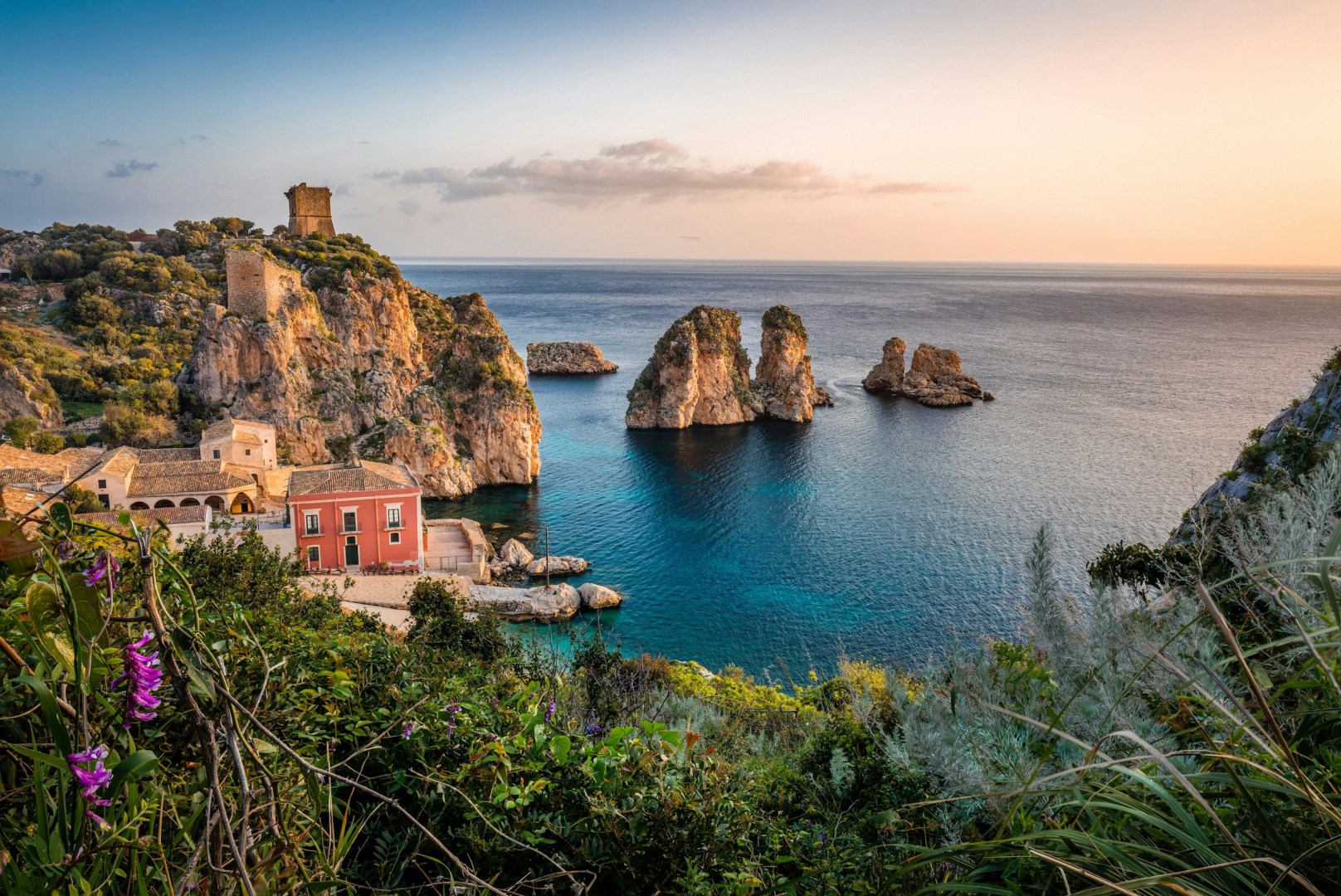
Castellammare del Golfo
Castellammare del Golfo is a coastal town in western Sicily, set around a broad bay in the province of Trapani. Its historic center rises above a working marina, while the Arab-Norman castle stands directly beside the sea and gives the town its distinctive profile. The waterfront is lined with fishing boats, small streets, and buildings that climb toward the slopes of Monte Inici.