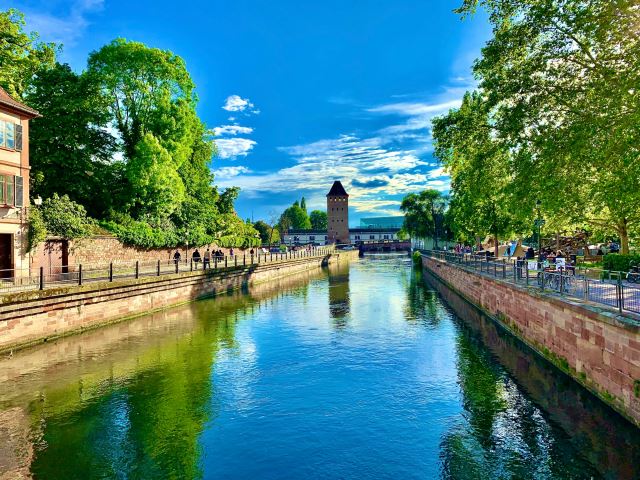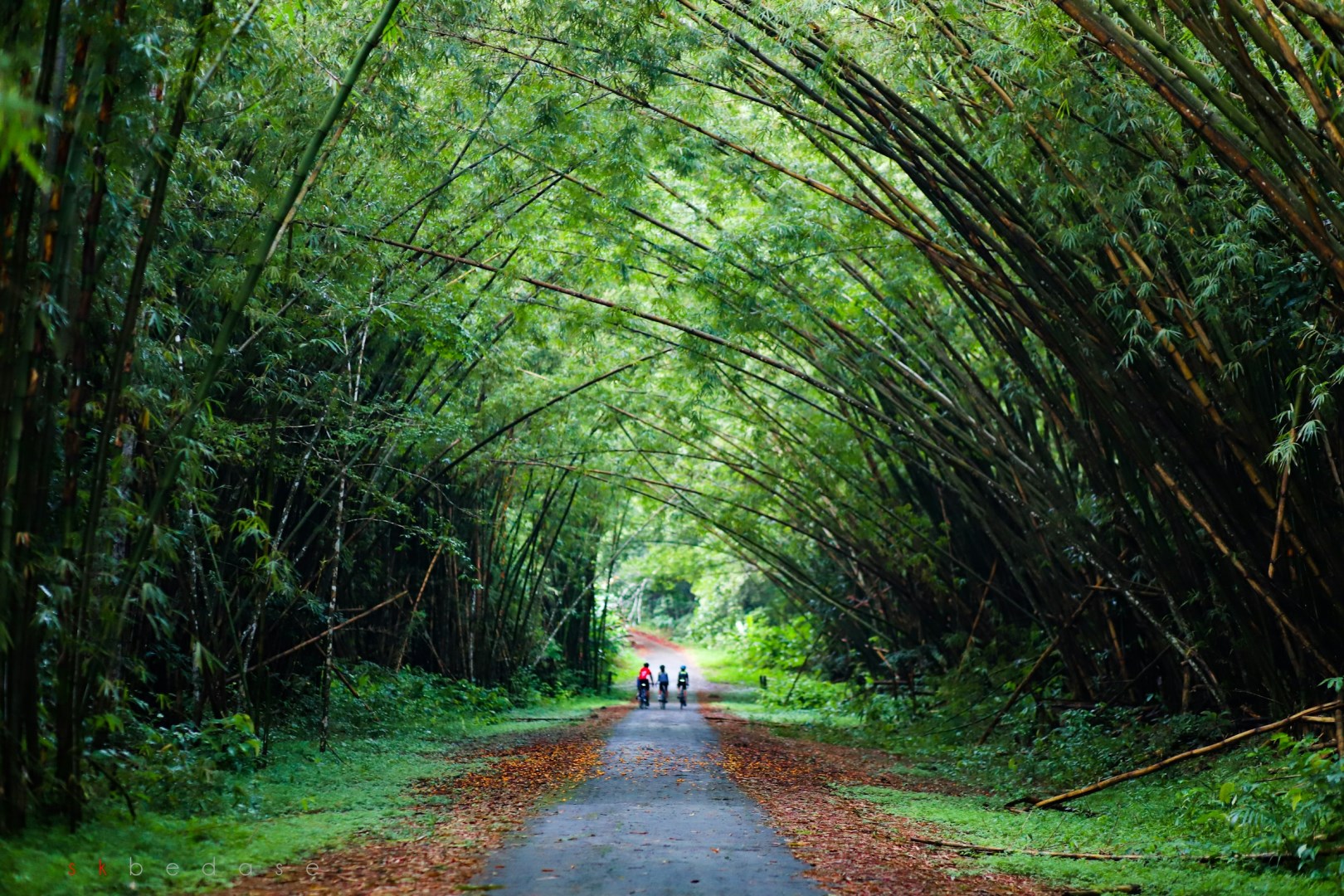
Chaguaramas
Chaguaramas is a coastal area on the northwestern peninsula of Trinidad, extending along the Gulf of Paria toward the Bocas del Dragon. The peninsula combines forested hills, sheltered bays, marinas, beaches, and offshore islands, creating a landscape that differs from the more urban areas around Port of Spain.
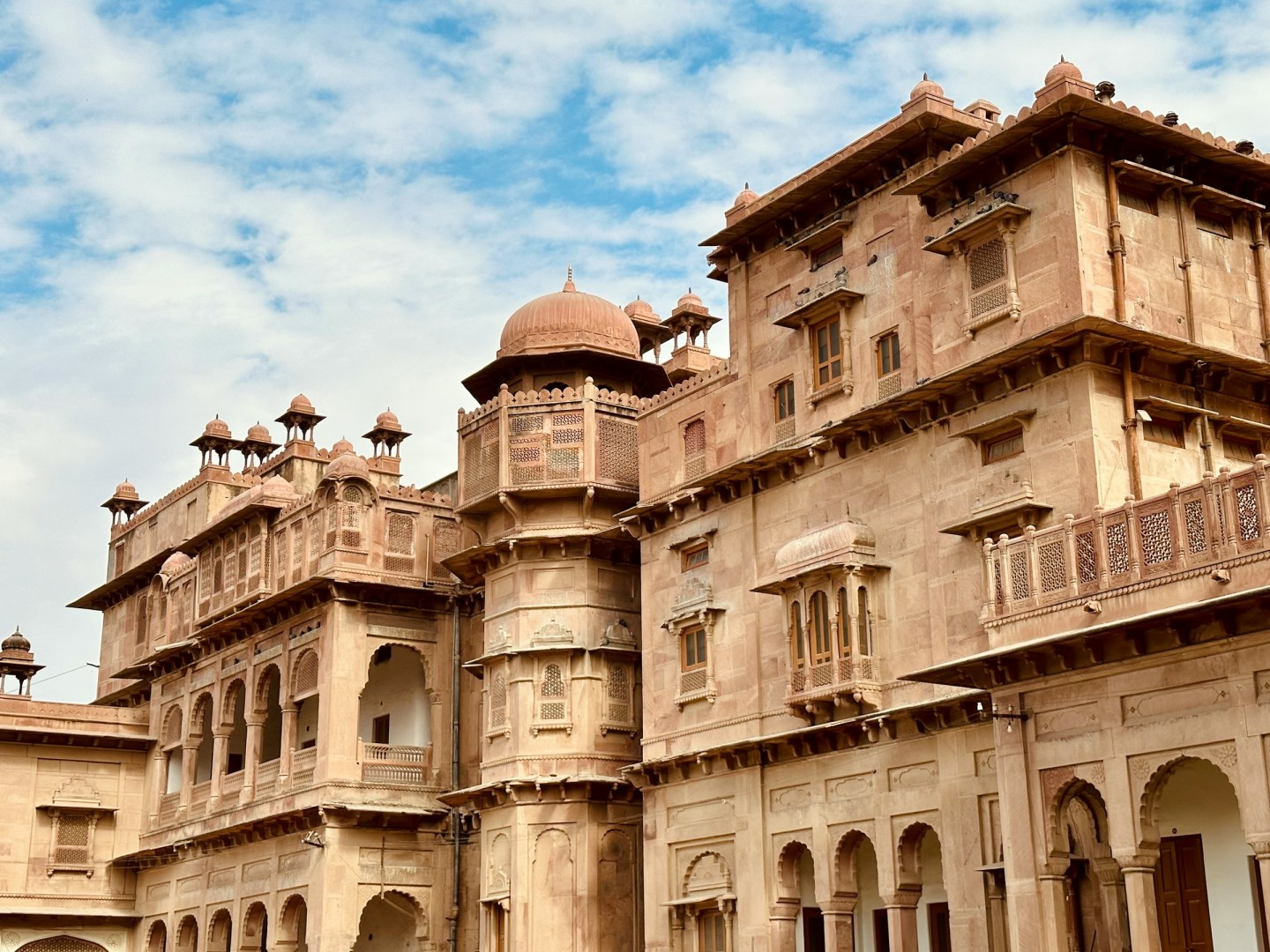
Bikaner
Bikaner is a historic city in Rajasthan, set on the edge of the Thar Desert in northwestern India. Its landscape is characterized by sandy plains, sparse vegetation, and hardy desert crops, while the city itself is known for its fortified walls, ornate havelis, temples, and busy bazaars. Bikaner developed as an important trading center on desert routes, and its architecture reflects the wealth created through commerce. Today, the city remains closely associated with desert culture, camel breedin
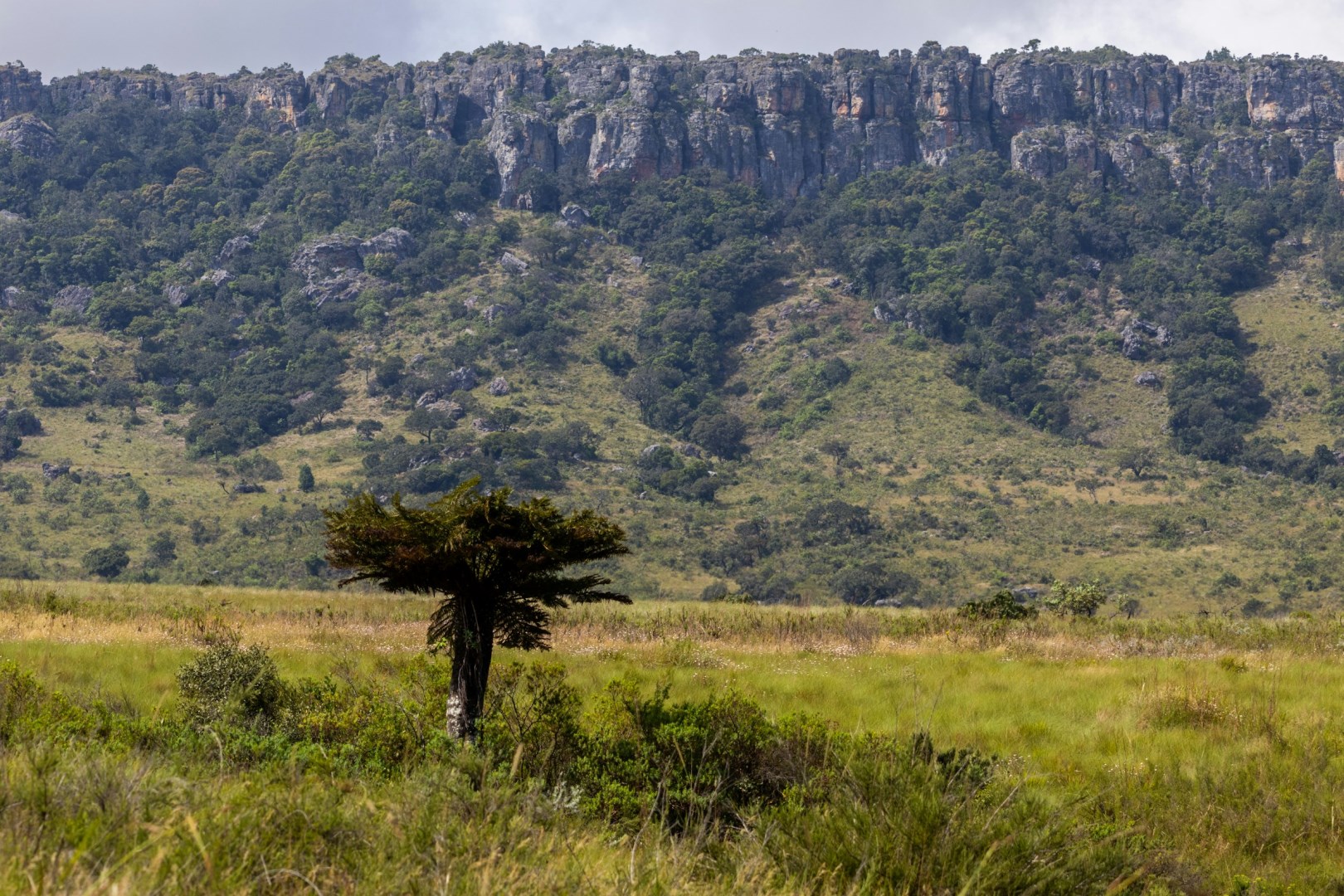
Hoedspruit
Hoedspruit is a small town in Limpopo province, positioned between the northern Drakensberg and the Greater Kruger wildlife region. It is surrounded by bushveld, mountains, private reserves, and important conservation areas, making wildlife and nature central to the local economy. The town serves as a practical base for exploring nearby protected areas and private reserves, while its agricultural surroundings produce citrus, mangoes, and other subtropical crops.
Cape Coral
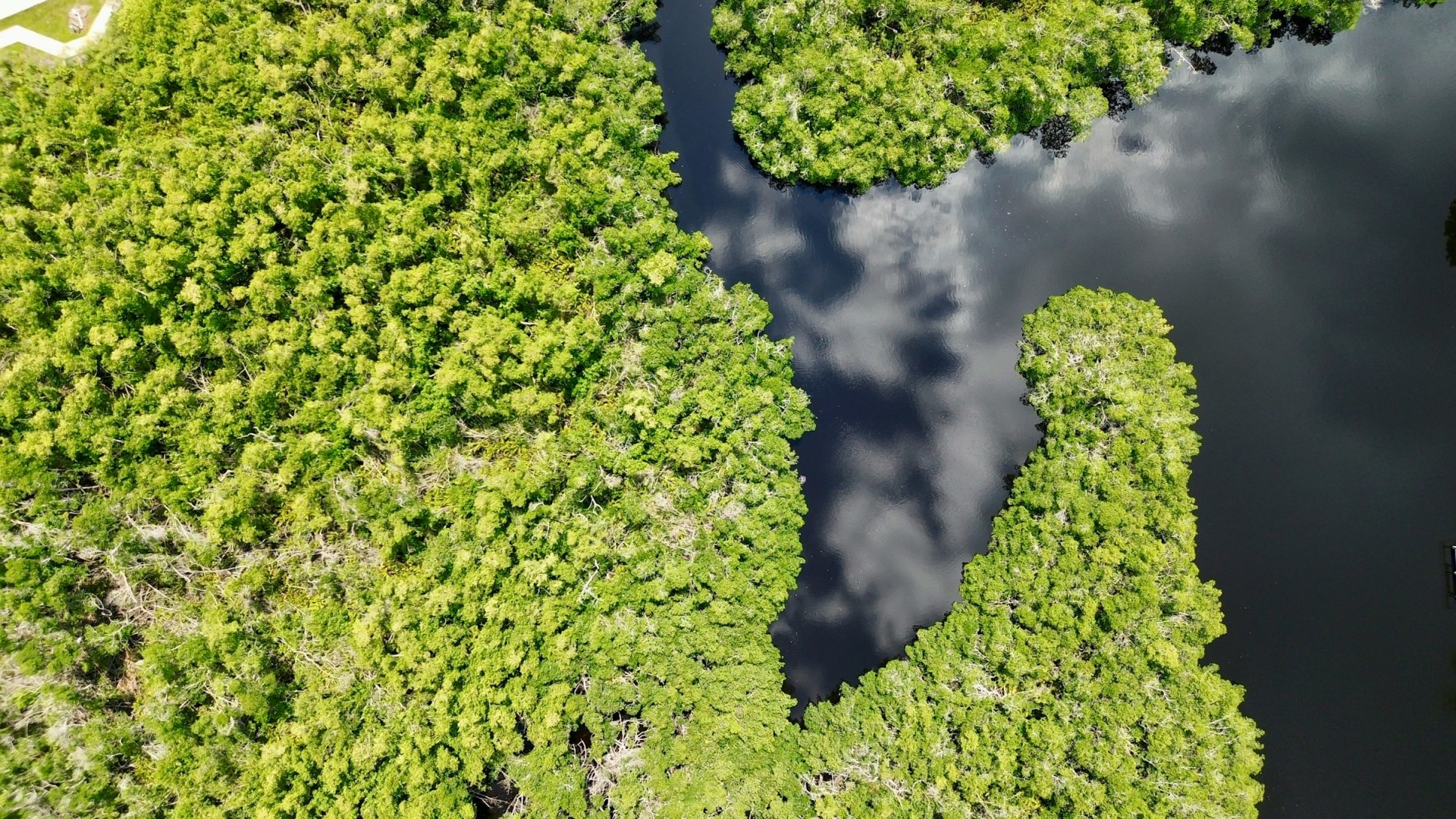
Cape Coral is a large coastal city in Southwest Florida, occupying a peninsula between the Caloosahatchee River and Matlacha Pass. Its most distinctive feature is an extensive network of more than 400 miles of canals, many connecting with the Caloosahatchee River and Gulf waters. The city was developed as a planned waterfront community, with broad streets, residential neighborhoods, parks, and numerous properties along canals.
Trabzon
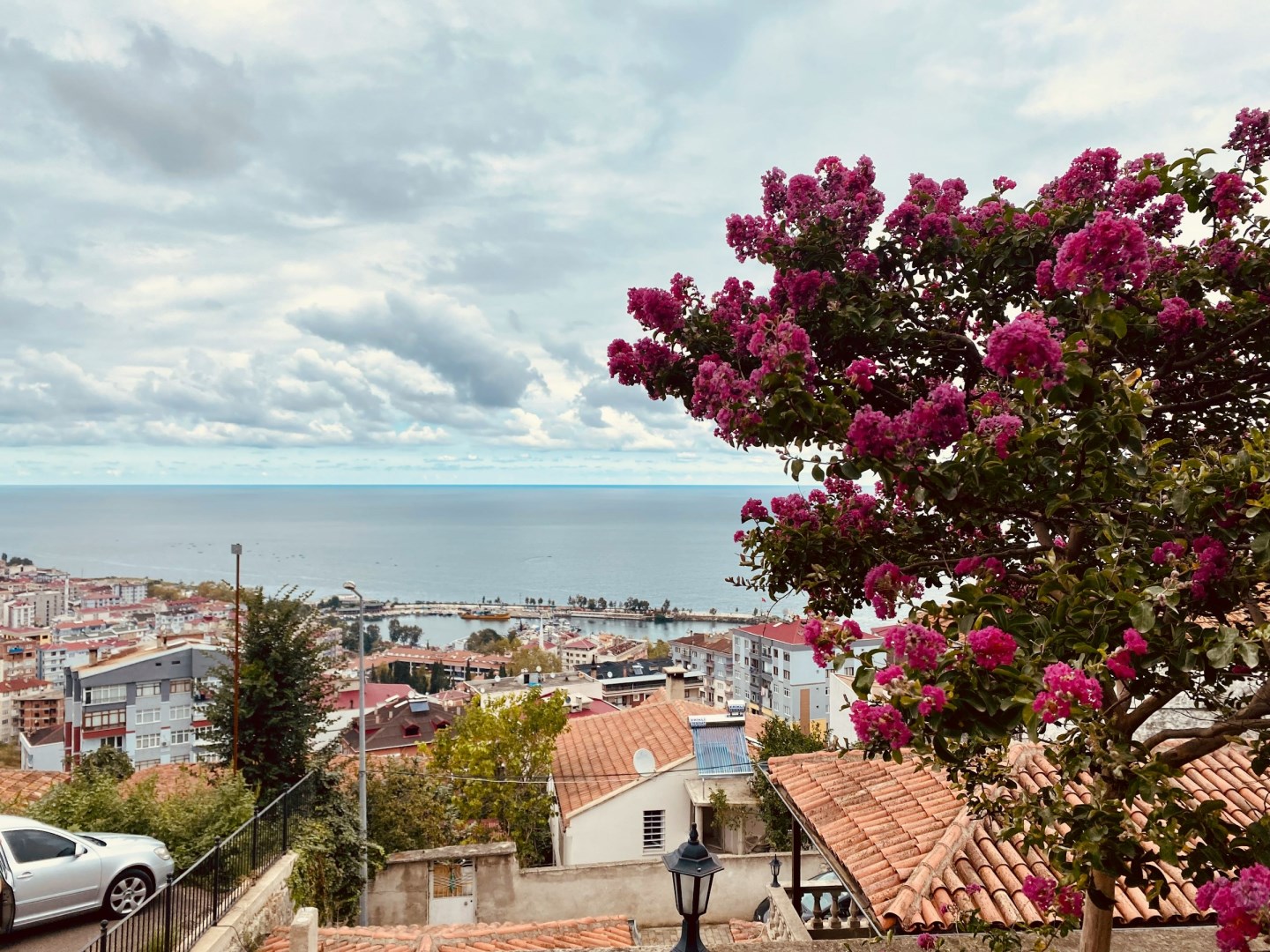
Trabzon was founded in the 7th century B.C. by Milletain colonists. On entering the city, on a green hill descending to the sea, is a well-preserved 13th century Byzantine church, now the Avasofya Museum. The walls of this church are decorated with frescoes, some of the finest examples of Byzantine craftmanship. The higher part of the city, the old quarter, inside the still extant fortifications with its timber houses, should be visited.