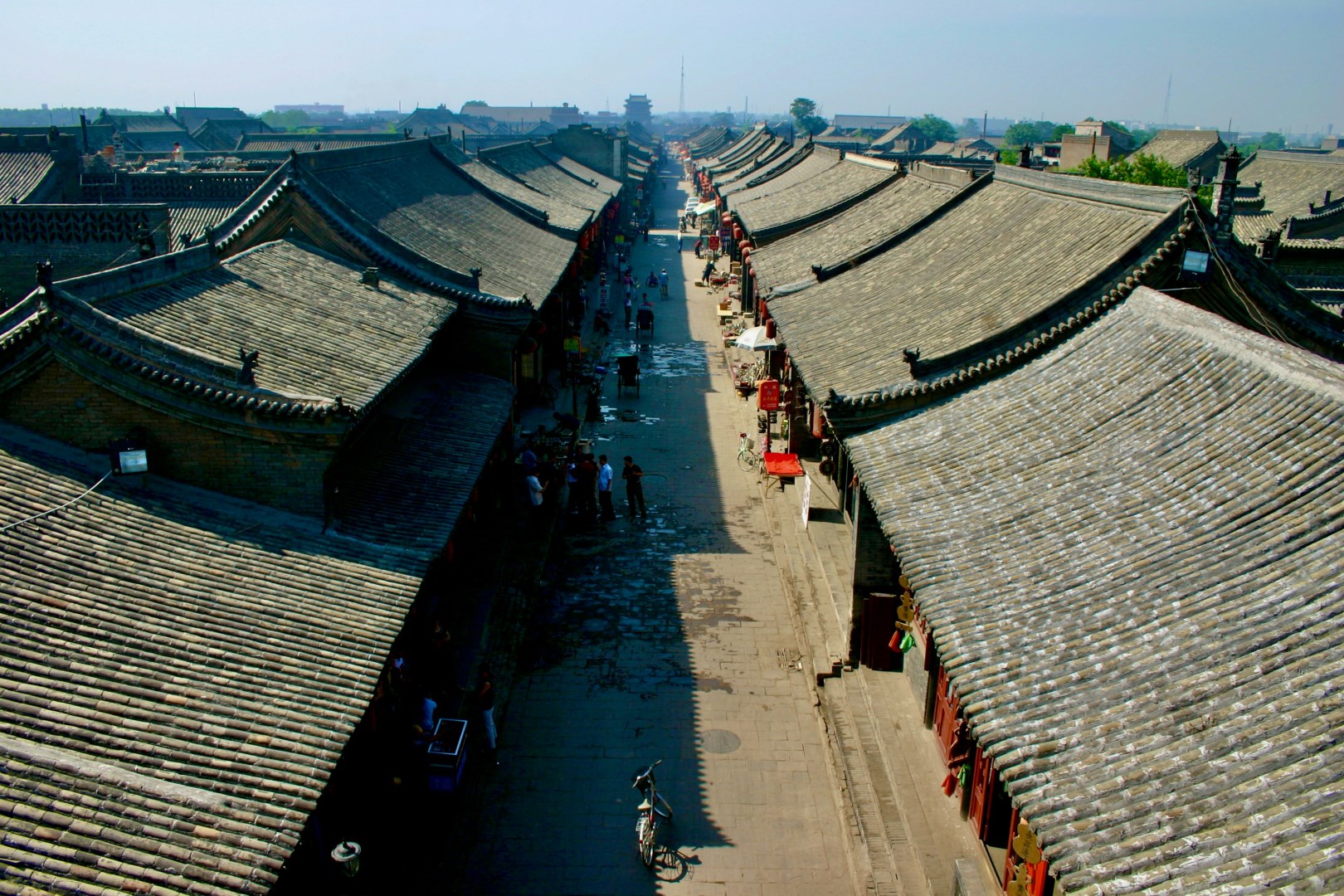
Pingyao
Pingyao, a city steeped in ancient charm, offers a remarkable glimpse into China’s rich history. This well-preserved city, a UNESCO World Heritage Site, is renowned for its classical ancient architecture, which remains largely intact since the Ming and Qing dynasties. Wander through the Pingyao Ancient City Wall, a formidable structure that encircles the city and provides panoramic views of the surrounding landscape.

Netherlands Antilles
The former Netherlands Antilles was a group of Caribbean islands once unified under Dutch administration, dissolved as a political entity in 2010.

Falkland Islands
The Falkland Islands, a remote archipelago in the South Atlantic, offer a striking combination of wild open spaces, rich wildlife, and a way of life shaped by wind, sea, and resilience. With fewer than 3,500 residents spread across over 700 islands, the Falklands provide a rare opportunity to disconnect from busy modern life and connect with wide skies, rugged coastlines, and some of the most accessible wildlife experiences on the planet.

Arles
Nestled between two nature parks and the Rhône River, picturesque Arles will absolutely delight any traveler to the south of France. Situated near Marseille in the Provence-Alpes-Côte d’Azur region, Arles boasts small town charm and its architectural treasures have been heavily influenced by the city’s role as an ancient Roman capital.

Scottsdale
Scottsdale, Arizona is a resort destination on the Sonoran Desert, located just east of Phoenix. Scottsdale is best known for its golf courses, luxury resorts, and variety of outdoor adventures, including hiking, rafting, and off-roading.